
Healthy Living / Eating
Low-Fat vs. High-Fat Pork: Why Protein Grams Aren’t the Whole Story
Mar
You might assume that if two foods have the same amount of protein, they’ll build muscle equally well. It turns out that’s not quite right.
A recent study tested this directly. Sixteen young, active adults did a tough leg workout and then ate one of three things: low-fat pork (20g protein, 4g fat), high-fat pork (20g protein, 21g fat), or plain carbs with no protein at all.
Same protein. Very different results.
Both pork options boosted muscle protein synthesis (basically your muscles’ rebuilding process) well above the carb-only group. But the low-fat pork triggered significantly more muscle building than the high-fat version, despite being identical in protein content.
So what’s going on?
The “food matrix” matters more than you think. This is the idea that food isn’t just a delivery vehicle for nutrients; it’s a complex system where fat, vitamins, minerals, fiber, and even the physical structure of the food all interact with each other. That interaction changes how your body digests and absorbs protein.
In this case, the higher fat content in the fatty pork appears to have slowed digestion, meaning amino acids (the building blocks from protein) trickled into the bloodstream more slowly and peaked at lower levels. Since muscle building is triggered by a spike in amino acids (especially leucine) the blunted response likely explains the weaker muscle-building effect.
There’s also a more technical angle: pork fat is rich in certain fatty acids that may actually activate an enzyme called AMPK, which pumps the brakes on muscle protein synthesis. The high-fat pork group showed greater AMPK activation, which isn’t what you want post-workout.
This same “food matrix” principle shows up elsewhere. Whole eggs build muscle better than egg whites alone, even at the same protein dose. Whole milk outperforms skim milk. It’s not just about the grams of protein; it’s about everything traveling alongside that protein.
The practical takeaway? When you flip over a food label and check the protein grams, that number is a starting point, not the full picture. How fast that protein is digested, what fats or other compounds come with it, and how your body absorbs the amino acids all play a role in what your muscles actually get.
That said, don’t overthink it. One study, 16 people, a few hours of measurement — it’s interesting science but not a reason to panic about your pulled pork. Eating a variety of quality protein sources over time matters far more than optimizing any single meal.
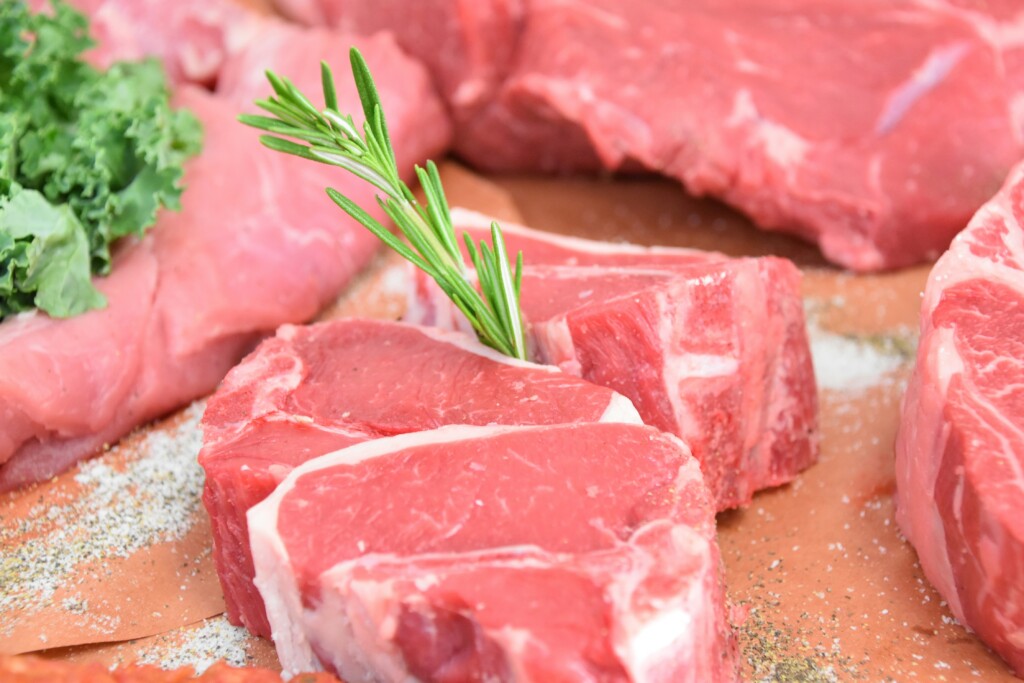
Photo by Cindie Hansen on Unsplash

