Bienvenido al Rincón del Médico

Nuestras ideas prácticas sobre salud y otras cosas que mejorarán tu vida.

Nota: Caring Sunshine es una empresa única que ofrece ayuda sanitaria especializada a sus clientes. Si tiene preguntas específicas sobre su situación, le invitamos a reservar una consulta gratuita con la Dra. Shannyn Fowl.

¿Quiere recibir esto en su bandeja de entrada?

Todos los lunes enviamos un correo electrónico con consejos prácticos sobre salud, relaciones, finanzas y mucho más. 

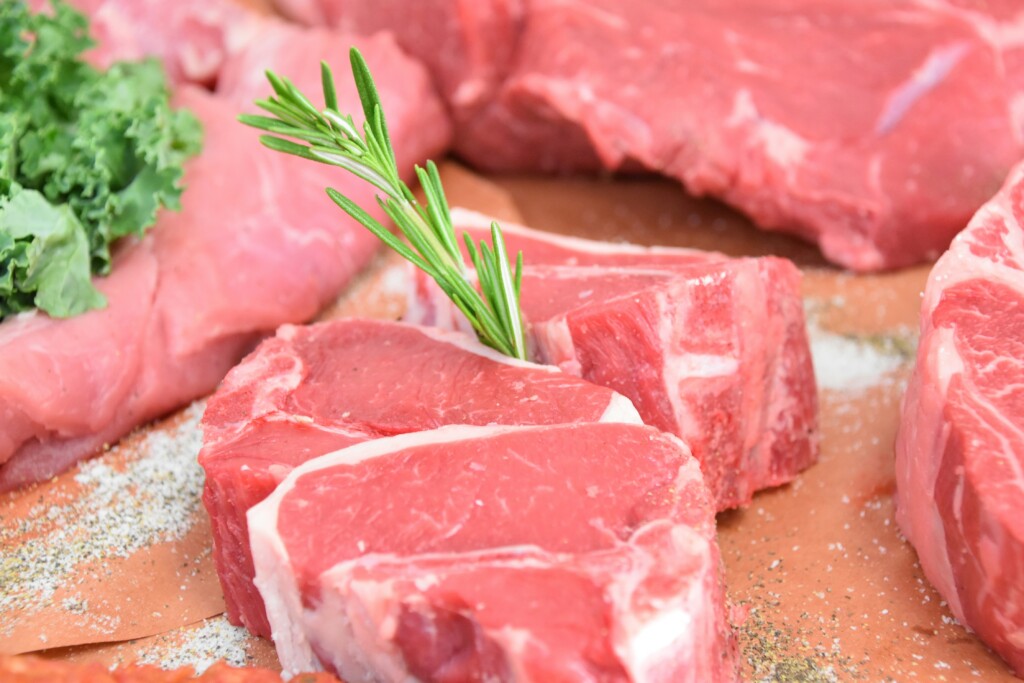
The Big Nitrate Question: Are They Healthy Or Not?

You hear a lot of negative commentary about the nitrates found in some cured meats (such as ham).

On the other hand, you also hear about the benefits of nitrates found in vegetables such as beets.

So which is it? Are nitrates healthy or not? And is there a difference between the nitrates found in ham vs the nitrates found in beets?

Let’s address that second question first. The short answer is: the nitrate molecule itself is identical whether in ham or beets. The chemistry is the same. Sodium nitrate (NaNO₃) and potassium nitrate (KNO₃) are the same whether they come from celery powder, beet juice, or a curing salt packet. Your body can’t tell the difference.

The difference is entirely about context: what else comes along with it and what happens to it in your body.

Nitrates themselves are relatively harmless. The concern is when nitrates convert to nitrites, and then nitrites react with amines (abundant in protein-rich meat) under high heat to form nitrosamines. Those are the compounds linked to increased cancer risk. So the problematic chain is: nitrate → nitrite → nitrosamine.

Why beets get a pass

Beets come loaded with vitamin C and polyphenols, which act as antioxidants that bloque nitrosamine formation.

You’re not frying a beet at high temperature next to a bunch of amino acids

The nitrites that form from beet-derived nitrates tend to convert to nitric oxide instead, which is actually beneficial — it dilates blood vessels and lowers blood pressure (which ties into that multivitamin/blood pressure article you shared earlier, interestingly)

Why cured meats are a concern:

Meat is rich in amines, providing the raw material for nitrosamine formation. Cooking at high temperatures (e.g., grilling, frying bacon) accelerates the formation of nitrosamines, and processed meats often lack the protective antioxidants that would block that reaction.

How about uncured meats? Ironically, deli meats labeled “no added nitrates” often use celery powder or celery juice as the nitrate source, which is chemically the same thing. It’s mostly a labeling game. Again, the nitrates in themselves are not the issue.

So it’s not that one nitrate is healthy and the other is unhealthy. It is that nitrates in a vegetable matrix with antioxidants and no high-heat protein cooking tend to produce beneficial nitric oxide, while nitrates in a meat matrix cooked at high temperatures tend to produce potentially harmful nitrosamines.

Same input, different environment, different outcome.


Foto de Allan Francis en Unsplash

Can a Daily Multivitamin Help Keep Your Blood Pressure in Check?

A big new study looked at whether popping a daily multivitamin could help prevent high blood pressure in older adults. The conclusion? It depends on what you eat.

Researchers followed nearly 9,000 U.S. adults (average age 71) who didn’t have high blood pressure at the start. Some took a multivitamin daily, others took a placebo, and the team tracked them for about three and a half years.

Overall, the multivitamin didn’t make a noticeable difference in blood pressure. People who took it developed high blood pressure at roughly the same rate as people who didn’t. But here’s where it gets interesting: when researchers looked more closely at diet quality, a pattern emerged. Among people who ate a less healthy diet (specifically, those who didn’t follow a Mediterranean-style eating pattern), the multivitamin cut their risk of developing high blood pressure by 19%.

That’s a meaningful finding. A Mediterranean diet emphasizes fruits, vegetables, whole grains, fish, nuts, and olive oil (foods packed with vitamins and minerals that help regulate blood pressure). If your diet is already rich in these foods, a multivitamin probably isn’t adding much that you’re missing. But if your diet falls short, those extra nutrients might actually fill in some important gaps.

This makes intuitive sense. We know from other research that nutrients like potassium, magnesium, vitamin C, and several B vitamins all play roles in keeping blood pressure healthy. A multivitamin won’t deliver the same doses you’d get from targeted supplements, but it might provide enough to make a difference when your diet isn’t covering the basics.

The bottom line? A multivitamin isn’t a magic bullet for blood pressure. If you already eat well, it probably won’t move the needle. But if your diet isn’t great and you’re not ready to overhaul it overnight, a daily multivitamin might offer protection, not just for blood pressure but many other things as well.

While saying this does not help us sell you more multivitamins, improving your actual diet is still the better long-term strategy. The multivitamin is more of a safety net than a solution.


Foto de Diana Polekhina en Unsplash

Does AI Know More Than Your Doctor?

I have a feeling I am going to be talking about AI and medical advice a lot over the next few years. There is real danger here, and I want to start with a gentle reminder about communication in particular.

The smartest advice is often the least dogmatic. Intelligence about an issue recognizes the complexity and nuance. That is why, when talking to experts, you often hear the words “maybe” and “probably” rather than “for sure” and “certainly.” 

The problem is that this kind of nuanced conversation is not very satisfying, especially for people who are sick. They don’t want guesses; they want answers.

And as it turns out, AI is very good at giving answers on any topic, even though it is not necessarily an expert.

A recent study from MIT reveals a troubling pattern in how people evaluate medical advice: when the source is hidden, patients consistently rate AI-generated health guidance as more trustworthy and satisfying than advice written by physicians, even when the AI’s answers contain clear errors.

Published in NEJM AI, the study presented 300 participants with responses to common medical questions from three sources: physician-written answers from an online healthcare platform, high-accuracy AI responses that had been verified by doctors, and low-accuracy AI responses containing factual mistakes or inappropriate recommendations. Participants were not told which source produced which answer.

The results were striking. AI-generated responses scored significantly higher than physician responses across every measure of trust, validity, and completeness. When the AI was accurate, this preference was understandable. The more concerning finding was that even the flawed AI responses performed on par with, and in some cases outperformed, the doctors’ answers in perceived trustworthiness. Participants indicated they would follow the incorrect AI guidance at rates comparable to physician recommendations.

The researchers attribute this effect largely to how AI communicates. Large language models produce polished, clearly structured explanations that avoid excessive medical jargon. This fluency creates an impression of authority and thoroughness. However, without medical training, most readers cannot detect when AI fabricates details, oversimplifies complex conditions, or offers unsafe recommendations. The confidence of the delivery masks the inaccuracy of the content.

The implications for patient safety are significant. Researchers warned that participants showed a tendency to pursue unnecessary care or unsafe treatments based on erroneous AI output, which could lead to delayed diagnoses, medication misuse, or harm from self-treatment.

Speaking for myself, I find all this a bit troubling.

Here’s a bit of advice. Go to your favorite LLM to get help on your medical condition, but hold its opinions very loosely until you get confirmation from real experts.


Foto de Cash Macanaya en Unsplash

Low-Fat vs. High-Fat Pork: Why Protein Grams Aren’t the Whole Story

You might assume that if two foods have the same amount of protein, they’ll build muscle equally well. It turns out that’s not quite right.

A recent study tested this directly. Sixteen young, active adults did a tough leg workout and then ate one of three things: low-fat pork (20g protein, 4g fat), high-fat pork (20g protein, 21g fat), or plain carbs with no protein at all.

Same protein. Very different results.

Both pork options boosted muscle protein synthesis (basically your muscles’ rebuilding process) well above the carb-only group. But the low-fat pork triggered significantly more muscle building than the high-fat version, despite being identical in protein content.

So what’s going on?

The “food matrix” matters more than you think. This is the idea that food isn’t just a delivery vehicle for nutrients; it’s a complex system where fat, vitamins, minerals, fiber, and even the physical structure of the food all interact with each other. That interaction changes how your body digests and absorbs protein.

In this case, the higher fat content in the fatty pork appears to have slowed digestion, meaning amino acids (the building blocks from protein) trickled into the bloodstream more slowly and peaked at lower levels. Since muscle building is triggered by a spike in amino acids (especially leucine) the blunted response likely explains the weaker muscle-building effect.

There’s also a more technical angle: pork fat is rich in certain fatty acids that may actually activate an enzyme called AMPK, which pumps the brakes on muscle protein synthesis. The high-fat pork group showed greater AMPK activation, which isn’t what you want post-workout.

This same “food matrix” principle shows up elsewhere. Whole eggs build muscle better than egg whites alone, even at the same protein dose. Whole milk outperforms skim milk. It’s not just about the grams of protein; it’s about everything traveling alongside that protein.

The practical takeaway? When you flip over a food label and check the protein grams, that number is a starting point, not the full picture. How fast that protein is digested, what fats or other compounds come with it, and how your body absorbs the amino acids all play a role in what your muscles actually get.

That said, don’t overthink it. One study, 16 people, a few hours of measurement — it’s interesting science but not a reason to panic about your pulled pork. Eating a variety of quality protein sources over time matters far more than optimizing any single meal.


Foto de Cindie Hansen en Unsplash

A Surprising Link Between Cocoa and Blood Pressure

I love eating, and honestly, I love some food that tastes good but is unhealthy. As we all know, the struggle between trying to eat healthy and craving unhealthy food is real.

That is why I love to see studies like this one hit the news. The bottom line? Cocoa is possibly healthy for your heart.

A big study followed nearly 9,000 adults in their early 70s for about 3.5 years to see if taking a daily cocoa extract supplement could help prevent high blood pressure. None of them had heart disease or cancer going in, and all started with reasonably healthy blood pressure.

The most interesting finding was that cocoa extract didn’t help everyone equally. For people who started with truly normal blood pressure (the lower end of healthy), it reduced their chance of developing high blood pressure by 24%. But for people whose blood pressure was already creeping up (still technically “okay” but on the higher side) it didn’t seem to make a difference. And the benefit didn’t kick in until about two years of daily use.

This lines up with what we already know about cocoa. The flavanols in cocoa (the beneficial compounds) help blood vessels relax, reduce inflammation, and support healthy circulation. Dozens of shorter studies have shown that cocoa products can modestly lower blood pressure, especially at higher doses and in people who already have high blood pressure.

What makes this study unique is the long game. Most previous research only looked at blood pressure changes over a few weeks or months. This one tracked whether people actually developed high blood pressure over the years, which is a much more meaningful question.

That said, there are some reasons to be cautious. The finding about normal vs. elevated blood pressure subgroups wasn’t something researchers specifically set out to test (it emerged from digging into the data, which means it could be a fluke). There could also be lifestyle differences between the groups that weren’t fully accounted for. And yes, Mars (the candy company) funded the study and provided the supplements, so that’s worth keeping in mind.

One theory for why it only helped the lower blood pressure group: cocoa might work by slowing down the natural rise in blood pressure that happens as we age, rather than actively bringing it down. If your blood pressure is already elevated, there’s less runway before you cross into high blood pressure territory, making the effect harder to detect.

The takeaway? It’s a promising first look, and it makes sense given everything else we know about cocoa flavanols. But it’s just one study, and we’ll need more research, ideally with higher doses, before drawing firm conclusions. In the meantime, there are worse excuses to enjoy some dark chocolate.


Foto de Jessica Loaiza en Unsplash

Probiotics May Help You Sleep Better

We usually recommend probiotics for gut health, but gut health actually affects the entire body. As an example, a new randomized controlled trial suggests that the probiotic strain Lacticaseibacillus paracasei PS23 can meaningfully improve sleep quality, though it fell short of reducing perceived stress.

The six-week study, published in Annals of General Psychiatry in October 2025, enrolled 45 office workers experiencing moderate to high stress levels. Participants took either 20 billion CFU of L. paracasei PS23 or a placebo daily. While the probiotic group saw no significant reduction in stress compared to placebo, they did experience notable improvements in overall sleep quality. Specifically, participants in the probiotic group fell asleep faster, stayed asleep more easily, and showed improvements in trait anxiety (the baseline tendency to experience anxious feelings, as opposed to situational anxiety triggered by specific events).

The results echo findings from a 2022 study of clinical nurses under high stress, which also examined PS23. That earlier trial found anxiety improvements were limited to participants with the highest stress levels, suggesting the strain’s effects may depend on who’s taking it and what you’re measuring.

The gut-brain axis (the bidirectional communication network between the digestive system and the central nervous system) has become one of the more promising areas of nutritional research. Probiotics that influence this pathway, sometimes called “psychobiotics,” are of particular interest for their potential effects on mood, anxiety, and sleep. PS23 appears to sit in this category, though the evidence base remains thin.

The takeaway? If you’re struggling with sleep quality, probiotics (in particular, L. paracasei PS23) may be worth watching as more research develops. But anyone hoping a single probiotic will meaningfully reduce their stress levels should temper expectations. As with most things in the supplement world, the answer is nuanced, and more data is needed.


Foto de Daniel en Unsplash

Sweetened Beverages and Gout

I love fruit juice, and in theory, it should be good for you. Unfortunately, it probably isn’t, for many reasons.

A big problem with fruit juices is their high sugar-to-fiber ratio. Fiber is important because it helps the body moderate how it processes sugar. Hitting the body with a ton of sugar without any fiber is just not the best idea.

On a related note, I recently came across this study. A large meta-analysis looking at 22 studies and nearly 236,000 people found that drinking more sugar-sweetened beverages like soda is linked to a higher risk of gout.

The research pulled together data from cross-sectional, cohort, and case-control studies. People who drank more sugary drinks had about 33% higher odds of elevated uric acid levels and 21% higher odds of developing gout.

Fruit juice showed a more mixed picture—it was associated with somewhat higher uric acid levels, but the connection to actual gout wasn’t as clear.

The likely culprit here is fructose, which is a major component of sugar and can directly raise uric acid levels. What’s interesting is that not all fruit juices are created equal in this regard. Orange juice might be less problematic because it’s packed with vitamin C and flavonoids that could offset some of the fructose effect. Apple juice, on the other hand, is high in fructose without as much vitamin C to balance things out, so it may have more impact on uric acid.

Antioxidants + Exercise: Better Together for Older Adults?

Fruits

Antioxidants + Exercise: Better Together for Older Adults?

A meta-analysis pooling 39 studies and over 1,700 older adults found that taking antioxidants alongside exercise led to bigger improvements in strength and walking ability than exercise alone.

What they looked at

Participants took various antioxidants—things like vitamin C, vitamin E, creatine, or resveratrol—either with or without an exercise program (usually resistance training). The studies ranged from 1 to 52 weeks.

What they found

Exercise by itself beats antioxidants alone when it came to walking distance. But when people combined antioxidants with exercise, they saw better results for leg strength, grip strength, and walking distance compared to just exercising.

The catch

Because the studies used so many different antioxidants and exercise programs, it’s hard to say which specific combo works best.

There’s also an interesting wrinkle here: oxidative stress is actually part of how your body adapts to exercise. Some research in younger people has shown that taking antioxidants around workouts can blunt those adaptations. The benefits seen in this study might be because older adults have more oxidative stress to begin with, so reducing it helps rather than hurts. This may not translate to younger people.

Foto de Karolina Kołodziejczak en Unsplash

Could Your Nighttime Light Be Hurting Your Heart?

Phone at night

Here’s something to think about next time you’re scrolling your phone in bed or leaving the hallway light on: a major study suggests that exposure to light at night might be raising your risk of heart disease.

Researchers tracked nearly 89,000 adults in the UK for almost a decade. Instead of relying on estimates or questionnaires, they had participants wear wrist-mounted light sensors for a week to measure their actual light exposure. Then they followed up through medical records to see who developed cardiovascular problems.

The results were striking. People with the highest nighttime light exposure had a 42% higher risk of heart attack, 45% higher risk of heart failure, and roughly 28% higher risk of stroke and atrial fibrillation compared to those who kept things dark at night. And this wasn’t explained away by other factors—the researchers accounted for age, weight, diet, exercise, smoking, sleep quality, shift work, and even genetic predisposition to heart disease. The association still held.

So what’s going on? Light is the main signal that sets your body’s internal clock. When light hits your eyes at night, it can throw off the normal rhythms that regulate everything from blood pressure to metabolism. Your blood pressure is supposed to dip while you sleep, but nighttime light can prevent that drop. It can also push your nervous system into a more stressed state and mess with how your body handles glucose and fats. Over time, these disruptions may take a toll on your cardiovascular system.

What makes this study particularly relevant is that the light levels involved weren’t unusual. We’re not talking about working night shifts under fluorescent lights. The exposures that showed up as risky came from everyday sources—phone screens, bedside lamps, streetlight creeping through the curtains. Things most of us encounter regularly.

The study isn’t perfect. Measuring light for just one week might not capture someone’s typical long-term habits, and observational research can’t prove cause and effect with certainty. But the findings are consistent with what we know about circadian biology, and the dose-response pattern (more light, more risk) adds credibility.

The practical takeaway? Dimming the lights in the evening, using blackout curtains, and putting away screens before bed aren’t just good sleep hygiene—they might be good for your heart too.

Foto de Jakub Żerdzicki en Unsplash

How Dangerous Is Coke Zero?

Mandarina