
Vida sana / Alimentación
Can Eating Fish Help With Depression?
Apr
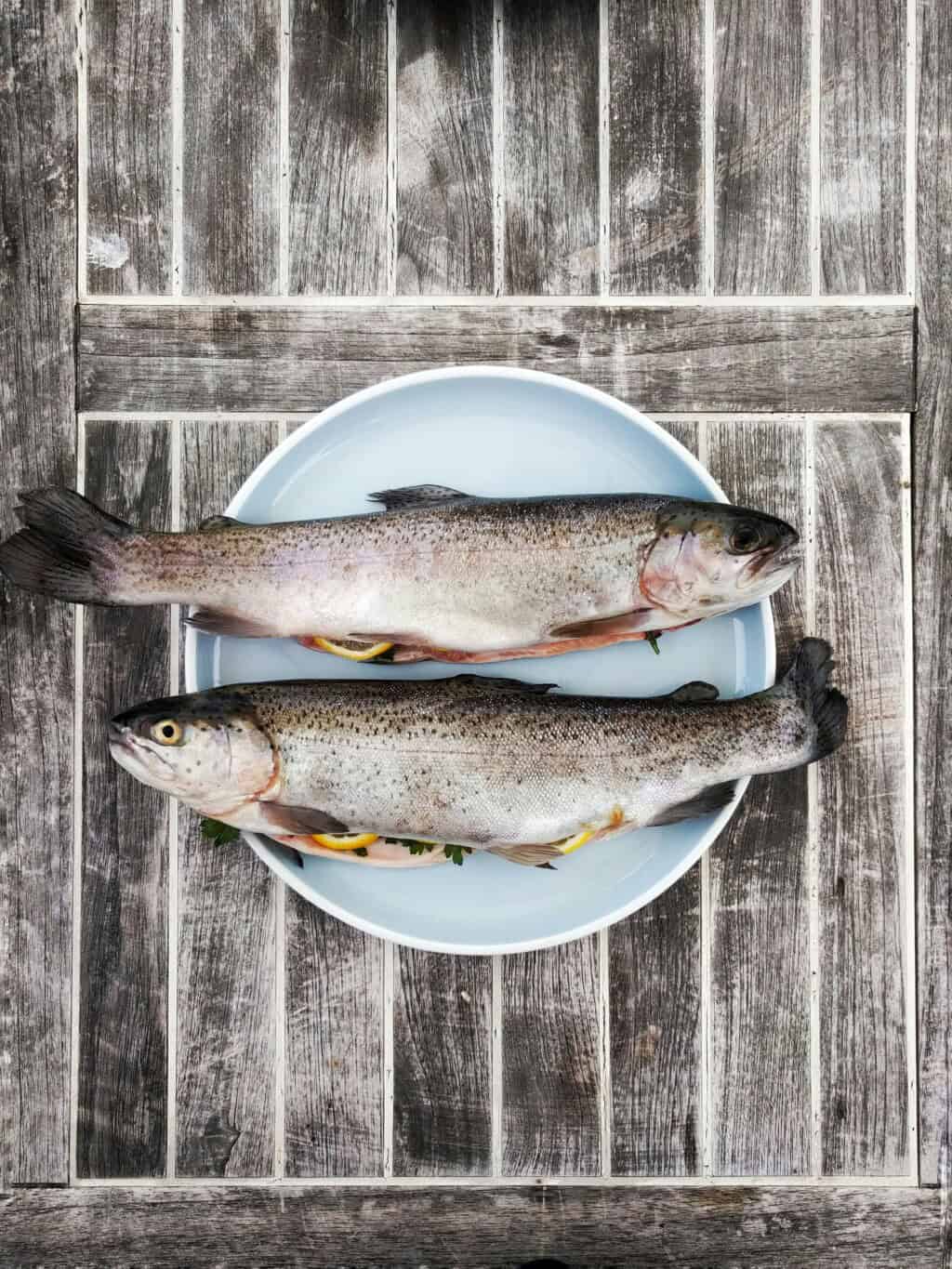
Researchers recently looked at 44 different studies involving over 364,000 people to answer a pretty simple question: does eating fish make you less likely to get depressed? The short answer seems to be yes.
People who ate more fish had about a 21% lower chance of being depressed compared to people who didn’t eat much fish. For pregnant and new moms specifically, the number was similar (about 22% lower risk). And it wasn’t an all-or-nothing thing. The more fish people ate, the lower their risk went. Even just half an ounce of fish per day (that’s like one small bite) was linked to a 6% drop in depression risk.
So why would fish help? It comes down to what’s in it. Fish is packed with nutrients that your brain loves (omega-3 fatty acids, vitamin D, B vitamins, creatine, and selenium). Omega-3s are especially interesting because they seem to affect brain chemicals like serotonin and dopamine, which play a huge role in regulating your mood. They also seem to influence how your body handles stress hormones like cortisol.
The pregnancy connection makes sense too when you think about it. Growing a baby takes a lot of nutrients, including omega-3s. Your brain is rich in a specific omega-3 called DHA, and during pregnancy, some of that DHA gets redirected to the developing baby. That drop in the mom’s brain DHA levels could help explain why depression during and after pregnancy is so common (it affects roughly 12% to 20% of women).
Now here’s where we pump the brakes a little. These were all observational studies, meaning researchers just watched what people ate and tracked their mental health. They didn’t control what anyone did. So it’s possible that people who eat more fish also tend to exercise more, sleep better, or do other healthy things that actually explain the lower depression rates. The fish might just be along for the ride.
Bottom line: eating fish regularly seems to be linked to better mental health, but we can’t say for sure that the fish itself is the reason.
Foto de Gregor Moser en Unsplash

