
Vida sana / Alimentación
High-Fat Dairy and Dementia Risk: A 25-Year Swedish Study
Apr
Over 27 years in the supplement industry, I have seen many things that bother me. One of the biggest things is the misrepresentation of clinical data to support supplement sales.
I keep up with clinical studies that are released each week. Most are simply not actionable for consumers. In other words, it is rare that a study is released that actually should change the average person’s behavior.
There are a few reasons why that is true.
The study is too narrow in scope to be useful to the average person. In other words, it only really addresses a health situation that is very specific and relevant to a small percentage of the population.
The study reports a benefit, but not at a level that is significant enough to be life-changing. In other words, if a study shows that drinking lime juice reduces your risk of breast cancer by 3%, does that mean you should go buy a juicer, even if you hate lime juice?
The study is simply not included for any number of reasons: lack of statistical significance, methodological flaws, etc.
I am going to give you a bit of insider information on the supplement industry. None of those three reasons stops wellness companies from touting those studies and using them to sell to you. They will happily misuse those studies.
While one would like to think that wellness companies are more moral than other companies, I assure you, they are not.
I am going to illustrate that with a study released in the last few days, touting the connection between high-fat cheese and reduced dementia risk. Cheese companies are going to love this one.
Resultados del estudio
Swedish researchers tracked about 27,670 middle-aged adults for 25 years to see whether what they ate back in the early 1990s had anything to do with whether they developed dementia later in life. They paid special attention to dairy, and they didn’t just lump it all together. They separated cheese, cream, milk, yogurt-like products, and butter into high-fat and low-fat versions to see if the differences mattered.
By the end of the study, about 12 out of every 100 participants had developed dementia. And here’s where it gets interesting: the people eating the most high-fat cheese (at least 350 grams a week, roughly 12 ounces) had a 13% lower risk of dementia. High-fat cream lovers saw a 16% lower risk, and the heaviest cream consumers had a striking 44% lower risk of vascular dementia specifically.
Butter, though, went the other way. People eating the most butter had a 27% higher risk of Alzheimer’s. And low-fat dairy? It did basically nothing either way.
Why might cheese help? It’s actually plausible. Cheese has a complex “food matrix” (the way its fat, protein, and calcium are packaged together) that seems to blunt the blood cholesterol effects you’d expect from its saturated fat content. Some genetic studies even suggest cheese may lower the risk of diabetes and high blood pressure, both of which are known dementia risk factors.
Why You Shouldn’t Get Too Excited
Here’s the thing: this study has some real limitations. Researchers only asked about participants’ diets once, at the very beginning. Over 25 years, people change how they eat, and there’s no way to know what anyone was actually eating in year 15 or year 20. It’s also observational, meaning it can show a pattern but can’t prove cheese caused anything.
The researchers also ran a lot of statistical tests, and when you do that, some results will look significant just by chance. And the “big” benefits aren’t actually that big in real terms. A 13% lower risk sounds impressive, but it translates to maybe 2 fewer people out of 100 developing dementia over 25 years.
How This Study Will Probably Get Twisted
Brace yourself for the headlines. “Cheese Prevents Dementia!” is basically inevitable. Someone on TikTok is already filming a video about how a daily cheeseboard is brain medicine. Keto and carnivore diet influencers will wave this study around as proof that saturated fat was never the villain, conveniently skipping over the part where butter made things worse.
Expect the specific numbers to get weaponized too. “Cut your dementia risk by 44%!” sounds like a guarantee, but it’s really just one finding from one observational study in one Swedish city. That’s not a prescription, it’s a clue.
The more subtle misuse is the one that matters most: people with a family history of dementia making big dietary changes based on preliminary findings. If Grandma had Alzheimer’s and you’re scared, a flashy study like this can feel like a lifeline. But rearranging your diet around a single study is rarely a good idea.
The honest takeaway? Cheese probably isn’t hurting you, and it might even be doing something helpful. But it’s not a shield, and this one study isn’t enough to change what you eat.
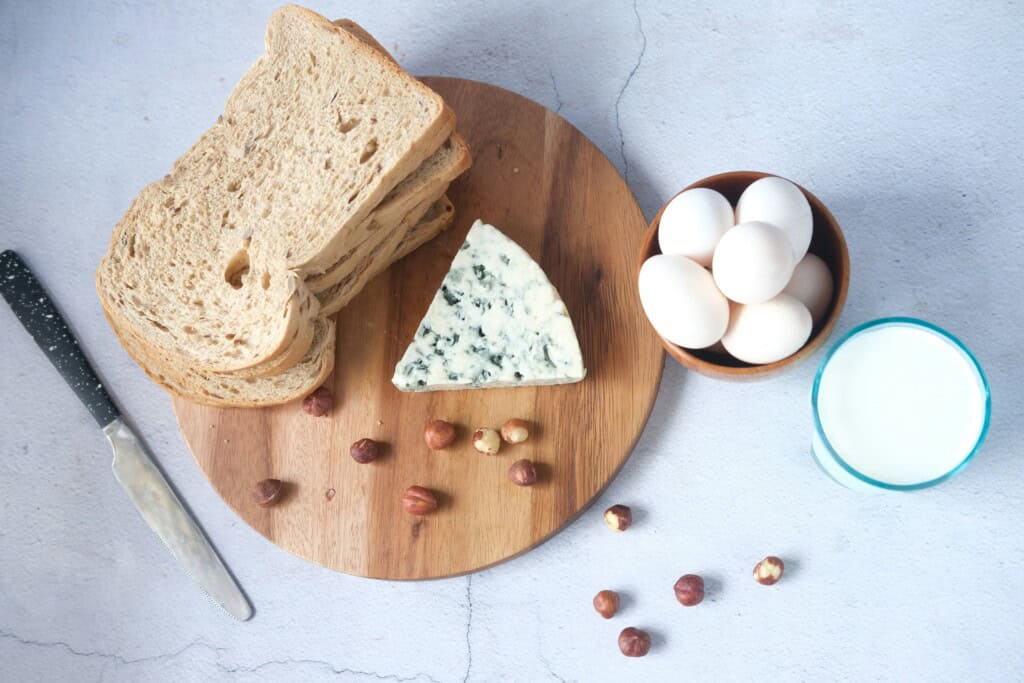
Foto de Towfiqu barbhuiya en Unsplash

