First order?Save 20%
(888) 510-7196

Solaray Calcium & Magnesium | Bone & Muscle Support

Explore our deep-dive guide on Solaray Calcium & Magnesium with vitamin D, Zinc, Copper, Boron & more. Learn how each ingredient supports bone density & muscles.

Overview

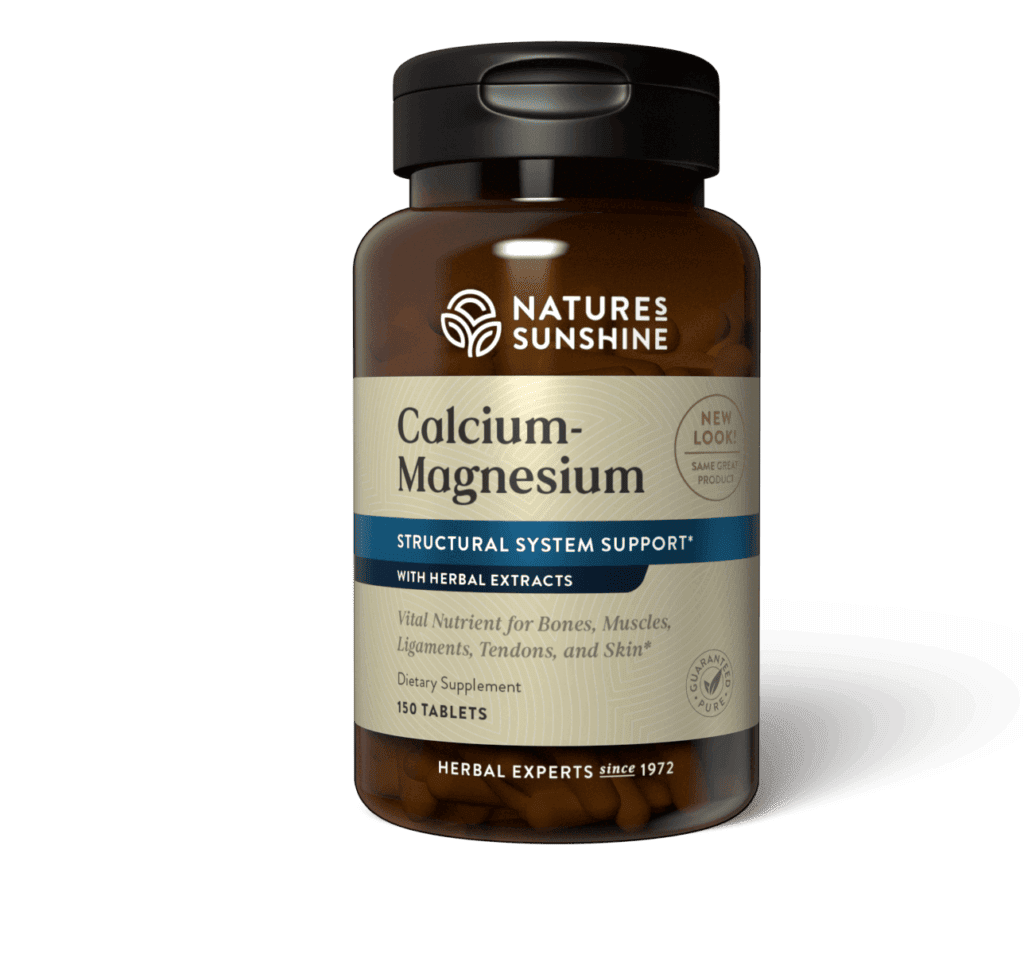
Calcium-Magnesium (SynerPro): A Whole-Body Mineral Formula

Calcium-Magnesium (SynerPro) is a comprehensive mineral supplement designed around two of the body's most critical minerals β€” Calcium and Magnesium β€” working in concert with Vitamin D3, Zinc, Copper, Boron, Phosphorus, and a SynerPro whole-food base. This formula assists the body by strengthening teeth, bones, skin, and tendons while encouraging proper circulation and helping balance pH levels.

Calcium and Magnesium work best when used together. Calcium is widely recognized for its importance in bone health, and it also supports the muscular system, the nervous system, and the circulatory system. Magnesium stimulates enzyme activity in the body, and when used alongside Calcium, it further supports muscular and nervous system health.

Heavily processed modern diets strip Magnesium from most Magnesium-rich foods, making supplementation a practical consideration for many people. This formula blends these two key nutrients with supportive co-factors β€” all from natural sources β€” and includes the Nature's Sunshine SynerPro base of Broccoli flower, Carrot root, red Beet root, Rosemary leaf, Tomato fruit, Turmeric root, Cabbage leaf, Grapefruit bioflavonoid, Orange bioflavonoid, and Hesperidin.

Why It Matters

Supporting Bone Density, Muscle Comfort & Nervous System Health

This solaray Calcium & Magnesium formula is built around three interconnected health goals: bone density, muscle comfort, and nervous system health. Each ingredient was chosen to reinforce these areas from a different angle β€” Calcium and Phosphorus form the mineral matrix of bone, Vitamin D3 promotes Calcium absorption, Magnesium activates vitamin D and influences osteoblast activity, and trace minerals like Zinc, Copper, and Boron round out the picture.

For muscles, Calcium is the primary intracellular messenger for contraction, while Magnesium supports relaxation by regulating intracellular Calcium transport. Low levels of either mineral are associated with cramping and spasms.

Nervous system support comes from multiple directions. Calcium ions stabilize membrane potential and control neuronal excitability. Magnesium acts as a natural NMDA receptor antagonist, modulating synaptic transmission. Phosphorus-containing phospholipids form the structural matrix of neuronal membranes, and Copper is essential for myelination and neurotransmitter synthesis.

If you have questions about whether this formula is right for your specific health situation, our naturopath is available for a free consultation β€” no appointment fee, no obligation.

What's inside

Key ingredients

Calcium β€” 400 mg
Calcium is the most abundant mineral in the human body and the primary structural component of bone as hydroxyapatite. Research suggests that Calcium supplementation significantly improves bone mineral density (BMD), particularly in people under 35 who are building peak bone mass. Combined with vitamin D, it may help attenuate bone loss in older adults. Beyond the skeleton, Calcium is essential for muscle contraction and relaxation β€” low Calcium status is a recognized cause of muscle cramps, tetany, and spasms per the NIH and StatPearls. Calcium ions also play a key role in nervous system function, stabilizing membrane potential, controlling neuronal excitability, and serving as a universal second messenger in synaptic activity.
Magnesium β€” 200 mg
Magnesium is a cofactor in more than 300 enzyme systems, including those that regulate energy production, muscle function, and nerve signaling. Observational data from large cohort studies have found higher Magnesium intake associated with 2–3% greater bone density in women, and clinical trials suggest supplementation may attenuate bone loss. Magnesium is the most studied mineral supplement for skeletal muscle cramps; deficiency impairs muscle relaxation, as muscles contract normally but struggle to fully release when levels are low. A 2024 systematic review found Magnesium supplementation reduced muscle soreness and improved recovery in physically active individuals. In the nervous system, Magnesium acts as a natural NMDA receptor antagonist, modulating synaptic transmission and neuronal excitability β€” deficiency is linked to neurological symptoms ranging from tremors and tingling to migraine.
Vitamin D3 β€” 2.5 mcg
Vitamin D3 (cholecalciferol) is the animal-derived and skin-synthesized form of vitamin D, and research suggests it is more potent than D2 at raising serum 25(OH)D levels. RCTs consistently show that Vitamin D3 combined with Calcium may reduce bone loss, particularly at the hip and spine, and major osteoporosis guidelines endorse it as the preferred supplemental form for bone health. Vitamin D3 also enhances intestinal Calcium and Phosphorus absorption β€” critical for bone mineralization β€” and skeletal muscle expresses the vitamin D receptor, linking D3 status to muscle strength and coordination, especially in older adults.
Phosphorus β€” 250 mg
Phosphorus is the second most abundant mineral in bone, forming hydroxyapatite alongside Calcium as the primary mineral matrix of skeletal tissue. Adequate dietary Phosphorus is universally recognized by the NIH and WHO as essential for bone mineralization and maintaining BMD; deficiency causes rickets in children and osteomalacia in adults. Beyond bone, phospholipids β€” which contain Phosphorus as an essential structural element β€” are the primary components of neuronal cell membranes and are required for synaptic neurotransmission. Phosphate-based high-energy molecules like ATP fuel all nervous system function.
Zinc β€” 7.5 mg
Zinc is an essential cofactor for alkaline phosphatase and enzymes critical to bone matrix synthesis and remodeling. Research links Zinc deficiency with reduced BMD, and supplementation studies suggest Zinc supports bone formation markers. It is recognized by the NIH and National Academy of Sciences as important for bone health. Approximately 80% of total body Zinc resides in skeletal muscle and bone tissue, where it participates in osteoblast differentiation and collagen matrix synthesis. In the nervous system, Zinc is one of the most abundant metal ions in the central nervous system, modulating synaptic activity, neuronal plasticity, and gene expression.
Copper β€” 1 mg
Copper is an essential cofactor for lysyl oxidase, the enzyme responsible for crosslinking collagen and elastin fibers in the bone matrix. Copper deficiency causes bone abnormalities including osteoporosis-like lesions and impaired collagen crosslinking, and the NIH recognizes Copper as a micronutrient relevant to bone metabolism. For the nervous system, Copper is essential for myelination of the brain and spinal cord, neurotransmitter synthesis via dopamine Ξ²-hydroxylase and peptidylglycine amidating monooxygenase, and synaptic transmission. Copper deficiency causes myelopathy, peripheral neuropathy, and demyelination β€” effects documented in human case series.
Boron β€” 0.5 mg
Boron is a trace mineral that modulates vitamin D hydroxylation, delays estrogen and vitamin D degradation, and influences Calcium and Magnesium metabolism relevant to bone. In a seminal metabolic ward study, Boron supplementation (3 mg/day) in postmenopausal women reduced urinary Calcium excretion by 44% and significantly elevated serum 17Ξ²-estradiol. A 2020 research review found Boron supplementation may help support bone health, and a 2024 pilot study found a significant link between Boron intake and bone mineral density in postmenopausal women. The NIH and National Academy of Sciences include Boron among micronutrients relevant to bone metabolism.
Broccoli Flower β€” 100 mg (SynerPro Base)
Part of the SynerPro whole-food base, Broccoli flower provides sulforaphane precursors and other bioactive compounds. Preclinical research suggests sulforaphane from Broccoli may inhibit osteoclast activity (bone resorption) and reduce oxidative stress in bone cells. Broccoli is also a dietary source of vitamin K and Calcium, both essential for bone mineralization. A 2021 study linked sulforaphane to inhibition of osteoclasts that break down bone mass. Sulforaphane has also been specifically investigated for its potential to protect cartilage and joint tissue.
Carrot Root β€” 100 mg (SynerPro Base)
Carrot root contributes to the SynerPro whole-food base, providing a spectrum of bioactive compounds including carotenoids (Ξ±- and Ξ²-carotene), polyacetylenes (falcarinol, falcarindiol), and phenolic compounds. Carrots are one of the richest dietary sources of provitamin A carotenoids, and their polyacetylenes have demonstrated anti-inflammatory activity in preliminary human studies.
Red Beet Root β€” 100 mg (SynerPro Base)
Red Beet root is a natural source of inorganic nitrate, betalain pigments, and polyphenols. Beetroot nitrate supports the nervous system by increasing nitric oxide-mediated cerebral blood flow and oxygenation. Betaine provides methyl groups relevant to neurotransmitter synthesis. Betalains display potent antioxidant and anti-inflammatory activity in both in vitro and in vivo studies.
Rosemary Leaf β€” 100 mg (SynerPro Base)
Rosemary (Rosmarinus officinalis) has been used in European traditional medicine since antiquity for nervous system stimulation, cognitive enhancement, and headache relief. Modern research identifies rosmarinic acid and carnosic acid as active compounds with neuroprotective and acetylcholinesterase-inhibiting properties. Rosemary demonstrates broad nervous system activity with human clinical evidence for effects on memory, anxiety, depression, and sleep.
Tomato Fruit β€” 100 mg (SynerPro Base)
Tomato fruit provides lycopene, the most abundant carotenoid in tomatoes, along with other carotenoids and polyphenols. In a controlled pilot study of 39 postmenopausal women, those consuming lycopene-rich Tomato sauce daily for 3 months had no significant bone loss, while control women lost bone (p=0.002). Research suggests lycopene activates osteogenic pathways and suppresses bone resorption signaling.
Turmeric Root β€” 100 mg (SynerPro Base)
Turmeric (Curcuma longa) contains curcumin as its primary bioactive polyphenol. Curcumin exhibits documented neuroprotective properties including anti-neuroinflammatory, antioxidant, and BDNF-upregulating effects relevant to nervous system health. Preclinical studies and limited clinical evidence suggest curcumin supports bone health by promoting osteoblast activity and inhibiting osteoclastogenesis. Turmeric has been used traditionally in Ayurvedic and Chinese medicine for thousands of years.
Cabbage leaf β€” 100 mg (SynerPro Base)
Cabbage (Brassica oleracea var. capitata) is part of the cruciferous vegetable family, rich in glucosinolates, flavonoids, phenols, and vitamins C and K. Glucosinolates are hydrolyzed to biologically active compounds including sulforaphane and indole-3-carbinol. Research supports the complex evaluation of cabbage's anti-inflammatory, analgesic, and antioxidative effects.
Grapefruit Bioflavonoid β€” 100 mg (SynerPro Base)
Grapefruit bioflavonoid supplies naringin and naringenin β€” flavanones known for their antioxidant and anti-inflammatory activity. Naringenin and naringin promote the scavenging of reactive oxygen species and free radicals, and inhibit inflammatory cytokine action via regulation of NF-ΞΊB signaling. They may also protect against endothelial dysfunction and support healthy vascular function.
Orange Bioflavonoid β€” 100 mg (SynerPro Base)
Orange bioflavonoid provides Hesperidin and narirutin β€” the two principal flavanones of Citrus sinensis, concentrated in the peel and albedo. Hesperidin from Orange has been shown in experimental models to regulate bone metabolism through Wnt/Ξ²-catenin signalling, promote osteogenic differentiation, and protect against bone loss. Orange compounds also support the nervous system through GABAergic modulation and neuroprotective activity.
Hesperidin β€” 100 mg (SynerPro Base)
Hesperidin is a flavanone glycoside found predominantly in citrus fruits. Research suggests Hesperidin promotes osteogenesis by upregulating osteogenic markers and organizing collagen matrix in bone tissue, and preclinical studies in diabetic rats show it reduces pro-inflammatory bone resorption markers. A clinical trial (NCT01881204) evaluated Hesperidin combined with Calcium for bone health in postmenopausal women. Hesperidin also crosses the blood-brain barrier and exerts neuroprotective effects, improving neural growth factors, antioxidant defenses, and reducing neuroinflammation in multiple disease models.
Calcium-Magnesium (SynerPro)
β˜…β˜…β˜…β˜…β˜… 4.5 (35 reviews)
  • βœ“ Free shipping over $75
  • βœ“ 90-day easy returns
  • βœ“ Ships within hours
Calcium-Magnesium (SynerPro)
$24.85
Who Benefits

Who Is This Formula For?

Calcium-Magnesium (SynerPro) is formulated for adults looking to support their structural health, particularly those concerned about maintaining strong bones and comfortable, well-functioning muscles and nerves. It may be especially relevant for:

  • Adults building or maintaining bone density β€” Calcium, Magnesium, Vitamin D3, Phosphorus, Zinc, Copper, and Boron all contribute to skeletal integrity through complementary mechanisms
  • People experiencing occasional muscle cramps or tension β€” Calcium and Magnesium are both essential for proper muscle contraction and relaxation
  • Those seeking nervous system support β€” multiple ingredients in the formula contribute to normal nerve signaling, from Calcium's role in neurotransmission to Magnesium's action as an NMDA receptor modulator
  • Anyone whose diet may be low in these key minerals β€” research suggests most Americans do not consume recommended amounts of Magnesium or vitamin D from diet alone

If you're unsure whether this formula fits your needs β€” or how it might work alongside other supplements you're already taking β€” our naturopath offers free consultations to help you sort it out.

Directions

How to Take Calcium-Magnesium (SynerPro)

Take 2 tablets with a meal twice daily. Each bottle contains 150 tablets. Taking the tablets with food supports absorption β€” Vitamin D3, for example, is a fat-soluble nutrient, and research confirms that the concurrent presence of fat in the gut enhances its absorption.

About the author

Written by Greg Howlett

GH

Greg Howlett

Founder

Greg has spent over a decade helping customers choose the right natural-health products. He personally vets every formula we carry and writes these guides to cut through the marketing noise with practical, experience-based advice.

FAQ

Frequently asked questions

Why are Calcium and Magnesium combined in one formula?

Calcium and Magnesium work best when used together. Both minerals support bone health, muscle function, and the nervous system through complementary mechanisms. Calcium is the primary structural mineral of bone and enables muscle contraction, while Magnesium activates vitamin D (needed for Calcium absorption), supports muscle relaxation, and is a cofactor in over 300 enzyme systems. Taking them together helps ensure balanced intake.

What is the SynerPro base in this formula?

The SynerPro base is a whole-food blend that includes Broccoli flower, Carrot root, red Beet root, Rosemary leaf, Tomato fruit, Turmeric root, Cabbage leaf, Grapefruit bioflavonoid, Orange bioflavonoid, and Hesperidin. These ingredients provide a spectrum of naturally occurring phytochemicals β€” including carotenoids, flavonoids, glucosinolates, and polyphenols β€” from natural sources.

Why is Vitamin D3 included in a Calcium and Magnesium supplement?

Vitamin D3 promotes Calcium absorption in the intestines, which is essential for bone mineralization. Without adequate vitamin D, Calcium absorption from both dietary sources and supplements is significantly diminished. Major osteoporosis guidelines endorse Vitamin D3 as the preferred supplemental form for bone health, and it is frequently studied alongside Calcium. Magnesium also plays a role in activating vitamin D in the body.

How do the trace minerals Zinc, Copper, and Boron support bone health?

Each trace mineral contributes uniquely. Zinc is an essential cofactor for alkaline phosphatase and enzymes critical to bone matrix synthesis. Copper serves as the cofactor for lysyl oxidase, which crosslinks collagen and elastin fibers in bone. Boron influences Calcium and Magnesium metabolism and may support vitamin D activity β€” a metabolic ward study found that 3 mg/day of Boron reduced urinary Calcium excretion by 44% in postmenopausal women.

Can I take this supplement if I'm already getting Calcium from food?

Many people get some Calcium from dietary sources like dairy, kale, and Broccoli but may still fall short of recommended levels. This formula provides 400 mg of Calcium per serving (2 tablets), which can help fill that gap alongside dietary intake. If you're unsure about your total intake or have specific health concerns, our naturopath is available for a free consultation to help you evaluate your needs.

How many tablets are in a bottle and how long will it last?

Each bottle contains 150 tablets. With the recommended serving of 2 tablets taken twice daily (4 tablets per day), one bottle provides approximately a 37-day supply.

Talk to an expert

Talk to Dr. Shannyn Fowl

Not sure if this is right for you? Book a free, no-pressure consultation for personalized guidance on your health goals.

Book your free consult β†’
Who we are

About Caring Sunshine

A family-run reseller of premium supplements β€” free shipping, a 90-day guarantee, and real people who know the products.

Learn more about us β†’