Free shipping on orders over $75 | First Order? Save 20%.
(888) 510-7196

Nature’s Sunshine Power Beets Powder | Deep-Dive Guide

Comprehensive guide to Nature's Sunshine Power Beets Powder: nitric oxide-boosting Beet root, antioxidant botanicals, B vitamins & Vitamin C for circulation and energy.

Overview

What Is Nature's Sunshine Power Beets Powder?

Nature's Sunshine Power Beets Powder is a superfood formula built around nitrate-rich Beet root sourced from high Tibetan plateaus β€” grown at roughly 10,000 feet above sea level in nutrient-dense soil by generational farmers. It works through two complementary pathways: a proprietary Beet root powder that activates nitric oxide (NO) production to support healthy circulation, and a clinically studied antioxidant blend that helps protect nitric oxide so it can keep working in the body.

The formula also supplies B vitamins and Vitamin C to support energy production and blood vessel health. Beyond the beets, the blend includes polyphenol-rich botanicals like green coffee bean and Green tea leaf extracts, Turmeric, Blueberry, Pomegranate, and other heart-healthy plant foods β€” all sweetened with real fruit ingredients rather than sugar or artificial sweeteners.

Nature's Sunshine Power Beets Powder is vegetarian, non-GMO, gluten-free, dairy-free, soy-free, and keto-friendly with no added sugar β€” making it an easy daily addition for anyone looking to support circulation, energy, and vitality.

How It Works

Nitric Oxide, Circulation, and Antioxidant Protection

Nitric oxide is a signaling molecule that relaxes blood vessels, promoting healthy blood flow throughout the body. Research suggests that dietary nitrate β€” abundant in Beet root β€” is converted to nitrite by bacteria in the oral cavity and then to nitric oxide in the body through the nitrate-nitrite-NO pathway. Multiple meta-analyses of randomized controlled trials confirm that beetroot-derived nitrate may support healthy blood pressure already in the normal range while improving exercise efficiency and tissue oxygenation.

The challenge with nitric oxide is that oxidative stress can break it down before it does its job. That's where the antioxidant-rich botanical blend in this formula comes in. Polyphenols from Pomegranate, Green tea, Blueberry, Grape seed, Grape skin, Turmeric, and other plant extracts research suggests may help protect NO from degradation and support endothelial function β€” the health of the cells lining your blood vessels.

The result is a two-pronged approach: produce more nitric oxide and help it last longer. Combined with B vitamins that support energy-yielding metabolism and Vitamin C that supports blood vessel integrity, the formula is designed for maximum circulatory nutrition.

What's inside

Key ingredients

standardized red Beet root β€” 5.4 g
The foundation of the formula, Beet root is one of nature's richest dietary sources of inorganic nitrate. Research suggests these nitrates are converted to nitric oxide via the nitrate-nitrite-NO pathway, promoting vasodilation and improved peripheral and cerebral blood flow. Multiple systematic reviews and meta-analyses of RCTs confirm that beetroot supplementation may support healthy blood pressure, reduce the oxygen cost of submaximal exercise, and improve endurance capacity in recreationally active individuals. Studies also suggest beetroot-derived nitric oxide may support arterial health by reducing vascular resistance and enhancing tissue oxygenation.
fructo-oligosaccharides β€” 5.4 g
Fructo-oligosaccharides (FOS) are prebiotic fibers classified as GRAS that resist digestion and reach the colon intact, where research suggests they selectively nourish beneficial Bifidobacterium and Lactobacillus species. A 2024 meta-analysis of 17 RCTs found FOS may promote bowel regularity and soften stool consistency. Human studies also suggest FOS may enhance the intestinal absorption of Calcium and Magnesium, and their fermentation produces short-chain fatty acids that support gut barrier integrity.
Pomegranate fruit juice concentrate β€” 5.4 g
Pomegranate is exceptionally rich in punicalagins and ellagic acid β€” polyphenols research suggests upregulate endothelial nitric oxide synthase (eNOS) and protect nitric oxide from oxidative degradation. Clinical trials suggest Pomegranate may improve endothelial function, reduce arterial stiffness, and increase nitric oxide bioavailability. A 3-year RCT found daily Pomegranate juice reduced carotid intima-media thickness by 30%. Studies also suggest Pomegranate may enhance endurance performance and accelerate post-exercise recovery.
green coffee bean extract β€” 5.4 g
Green coffee bean extract is rich in chlorogenic acids β€” naturally occurring polyphenols that research suggests may support metabolism and cognitive function. Published studies report that whole Coffee fruit concentrate significantly increased plasma brain-derived neurotrophic factor (BDNF) by 143% compared to baseline. A 2024 RCT found that coffee Cherry extract improved accuracy during working memory and inhibitory control tasks. Chlorogenic acids may also support endothelial nitric oxide production and healthy glucose metabolism.
Green tea leaf extract β€” 5.4 g
Green tea provides catechins β€” especially epigallocatechin-3-gallate (EGCG) β€” along with L-theanine. A meta-analysis of 55 eligible RCTs found Green tea extract supplementation significantly reduced total cholesterol, LDL-C, and fasting blood sugar. Research suggests the combination of caffeine and L-theanine may improve focused alertness while attenuating caffeine-related jitters. Studies also suggest EGCG supports thermogenesis, fat oxidation, and mitochondrial electron transport efficiency.
Turmeric root extract β€” 5.4 g
Turmeric (Curcuma longa) contains curcuminoids that research suggests modulate NF-ΞΊB and other inflammatory pathways. A 2025 systematic review and network meta-analysis found all Turmeric preparations significantly reduced WOMAC pain scores in knee osteoarthritis. Meta-analyses also suggest curcumin may improve endothelial function (flow-mediated dilation), reduce LDL cholesterol, and lower inflammatory markers like C-reactive protein and IL-6. Turmeric has been used in Ayurvedic medicine for thousands of years for circulatory and inflammatory conditions.
Blueberry fruit β€” 5.4 g
Blueberries are rich in anthocyanins β€” particularly malvidin glycosides β€” that research suggests upregulate endothelial nitric oxide synthase and inhibit LDL oxidation. An RCT in postmenopausal women found 22 g of freeze-dried Blueberry powder daily for 8 weeks significantly reduced blood pressure and arterial stiffness. Studies also suggest Blueberry polyphenols increase plasma nitrite levels, improve endothelial function, and reduce arterial inflammation.
Broccoli flower β€” 5.4 g
Broccoli provides glucoraphanin, which is converted to the isothiocyanate sulforaphane β€” a potent activator of the Nrf2/ARE antioxidant pathway. Research suggests sulforaphane upregulates phase II detoxification enzymes and supports the body's endogenous antioxidant defenses, including superoxide dismutase and glutathione. A Phase 1 clinical trial found that 100 g of fresh Broccoli sprouts over 7 days provided favorable changes in lipid biomarkers and reduced markers of oxidative stress.
tart Cherry fruit β€” 5.4 g
Tart Cherry (Prunus cerasus) supplies anthocyanins and melatonin. A meta-analysis found tart Cherry supplementation had a moderate beneficial effect on recovery of muscular strength (ES = βˆ’0.78) and muscular power (ES = βˆ’0.53) after strenuous exercise. Research suggests tart Cherry anthocyanins inhibit both COX-1 and COX-2 at levels comparable to conventional NSAIDs, supporting healthy inflammatory responses. Studies also suggest tart Cherry may support endurance exercise performance.
Kale leaf β€” 5.4 g
Kale is an exceptionally nutrient-dense cruciferous vegetable rich in glucosinolates, flavonoids (quercetin and kaempferol), lutein, zeaxanthin, and vitamins A, C, and K. A clinical study in 84 subclinical hypertensive patients found 300 ml/day of Kale juice for 6 weeks significantly decreased systolic and diastolic blood pressure. Research suggests Kale's isothiocyanates and flavonoids support antioxidant defenses and may promote healthy inflammatory responses.
Apple fruit extract β€” 5.4 g
Apple fruit provides polyphenols including quercetin glycosides, procyanidins, chlorogenic acid, and epicatechin. A randomized crossover trial found consuming 2 apples daily for 8 weeks lowered LDL cholesterol in mildly hypercholesterolemic adults. Apple-derived pectin serves as a prebiotic fiber that research suggests supports gut microbiota diversity and short-chain fatty acid production. Apple polyphenols may also upregulate endogenous antioxidant enzymes including SOD and catalase.
Grape skin extract β€” 5.4 g
Grape skin is particularly rich in anthocyanins and resveratrol. Research suggests Grape-derived polyphenols improve endothelial function, reduce oxidized LDL, and support nitric oxide-mediated vasodilation. Meta-analyses of RCTs confirm Grape seed extract may modestly reduce systolic blood pressure, with greater effects in younger, obese, or metabolically compromised individuals. Proanthocyanidins from Grape may also strengthen collagen cross-links in blood vessel walls.
Grape seed extract β€” 5.4 g
Grape seed extract supplies oligomeric proanthocyanidins (OPCs) β€” water-soluble antioxidants research suggests can cross the blood-brain barrier. A meta-analysis of 16 clinical trials (810 subjects) found Grape seed extract significantly reduced systolic blood pressure by approximately 6 mmHg and diastolic by approximately 3 mmHg. Clinical trials also suggest Grape seed OPCs improve microcirculatory parameters, capillary resistance, and may promote endothelium-dependent vasodilation via enhanced nitric oxide production.
Olive fruit extract β€” 5.4 g
Olive fruit provides oleuropein and hydroxytyrosol β€” polyphenols for which the European Food Safety Authority (EFSA) has authorized a health claim stating that Olive oil polyphenols help protect LDL from oxidative damage. A randomized crossover trial in 60 pre-hypertensive males found Olive leaf extract (136 mg oleuropein) significantly reduced daytime systolic blood pressure by approximately 4 mmHg. Research also suggests Olive polyphenols may support healthy lipid profiles, including reductions in LDL cholesterol and triglycerides.
red Grape extract β€” 5.4 g
Red Grape extract provides resveratrol, anthocyanins, and additional proanthocyanidins that complement the Grape seed and Grape skin extracts in this formula. Epidemiological data from Mediterranean populations link Grape consumption to reduced cardiovascular events. Research suggests resveratrol may activate SIRT1/AMPK pathways involved in cellular energy regulation, and Grape-derived anthocyanins may protect against LDL oxidation and platelet aggregation.
Vitamin C β€” 60 mg
Vitamin C is a water-soluble antioxidant and cofactor for numerous enzymatic reactions. Research suggests Vitamin C enhances endothelial function and nitric oxide bioavailability, improving arterial vasodilation and blood flow. Meta-analyses of RCTs document modest improvements in endothelial function, including in patients with hypertension and coronary artery disease. Vitamin C is also essential for L-carnitine biosynthesis β€” directly supporting mitochondrial energy production β€” and for collagen synthesis that maintains blood vessel structural integrity. EFSA authorizes health claims that Vitamin C contributes to normal energy-yielding metabolism and to the reduction of tiredness and fatigue.
Vitamin D3 β€” 13 mcg
Vitamin D3 (cholecalciferol) is a fat-soluble vitamin that supports Calcium absorption, bone health, and immune function. Research suggests Vitamin D3 induces antimicrobial peptides including cathelicidin and Ξ²-defensins, and modulates both innate and adaptive immunity. A 2017 meta-analysis of 25 RCTs found vitamin D supplementation had a protective effect against acute respiratory infections. Vitamin D3 may be up to three times as effective as vitamin D2 in raising serum 25(OH)D concentrations.
thiamin β€” 0.7 mg
Thiamin (Vitamin B1) is an essential cofactor for pyruvate dehydrogenase and alpha-ketoglutarate dehydrogenase β€” key enzymes linking glycolysis to the TCA cycle for mitochondrial ATP production. Deficiency causes profound cellular energy failure. European regulatory authorities have authorized a health claim that thiamin contributes to normal energy-yielding metabolism, and it plays a critical role in the growth, development, and function of cells.
niacin β€” 3 mg
Niacin (vitamin B3) is the dietary precursor to NAD+ and NADP+ β€” coenzymes essential for over 500 enzymatic reactions including glycolysis, the TCA cycle, and oxidative phosphorylation. EFSA authorizes health claims that niacin contributes to normal energy-yielding metabolism and to the reduction of tiredness and fatigue. At doses causing the 'niacin flush,' nicotinic acid produces clinically significant peripheral vasodilation through prostaglandin-mediated mechanisms, supporting microvascular blood flow.
Vitamin B6 β€” 1.8 mg
Vitamin B6 (pyridoxine) functions as pyridoxal-5'-phosphate (PLP), a cofactor for over 100 enzymatic reactions including glycogen phosphorylase (crucial for muscle energy mobilization), amino acid metabolism, and neurotransmitter biosynthesis (serotonin, dopamine, GABA). EFSA authorizes health claims that B6 contributes to normal energy-yielding metabolism, to the reduction of tiredness and fatigue, and to normal psychological function.
folate β€” 150 mcg DFE
Folate (vitamin B9) is essential for one-carbon metabolism, nucleotide synthesis, and red blood cell maturation. Deficiency causes megaloblastic anemia and significant fatigue due to impaired oxygen delivery. EFSA recognizes that folate contributes to normal energy-yielding metabolism, to normal blood formation, and to the reduction of tiredness and fatigue. Folate also supports normal psychological function.
Vitamin B12 β€” 6 mcg
Vitamin B12 (cobalamin) is required for DNA synthesis, red blood cell formation, myelin synthesis, and neurological function. It is essential for the methylmalonyl-CoA mutase reaction that feeds the TCA cycle, directly sustaining mitochondrial ATP production. EFSA authorizes the health claim that B12 contributes to normal energy-yielding metabolism. Deficiency causes megaloblastic anemia and severe fatigue; correction of B12 deficiency consistently restores energy.
Magnesium β€” 42 mg
Magnesium is a cofactor in over 300 enzymatic reactions, including ATP synthesis β€” all ATP in cells exists as an Mg²⁺-ATP complex. EFSA authorizes health claims that Magnesium contributes to normal energy-yielding metabolism, to the reduction of tiredness and fatigue, and to normal psychological function. Research also suggests Magnesium supplementation significantly decreases serum C-reactive protein and increases nitric oxide levels, supporting both anti-inflammatory and vascular health pathways.
Sodium β€” 100 mg
Sodium is an essential electrolyte required for fluid balance, nerve impulse transmission, and muscle contraction. It contributes to the establishment of membrane potential in most cells and plays a direct role in the action potentials required for neurotransmission. In the context of this formula, the modest Sodium content supports hydration and electrolyte balance when mixed with water.
dicalcium phosphate
Dicalcium phosphate serves as a supplemental source of both Calcium and phosphorus. Calcium is the most abundant mineral in the human body, essential for bone structure, muscle contraction, nerve signaling, and cardiovascular function. More than 99% of the body's Calcium is stored in bone as hydroxyapatite, providing skeletal strength and serving as a reservoir for maintaining serum Calcium levels.
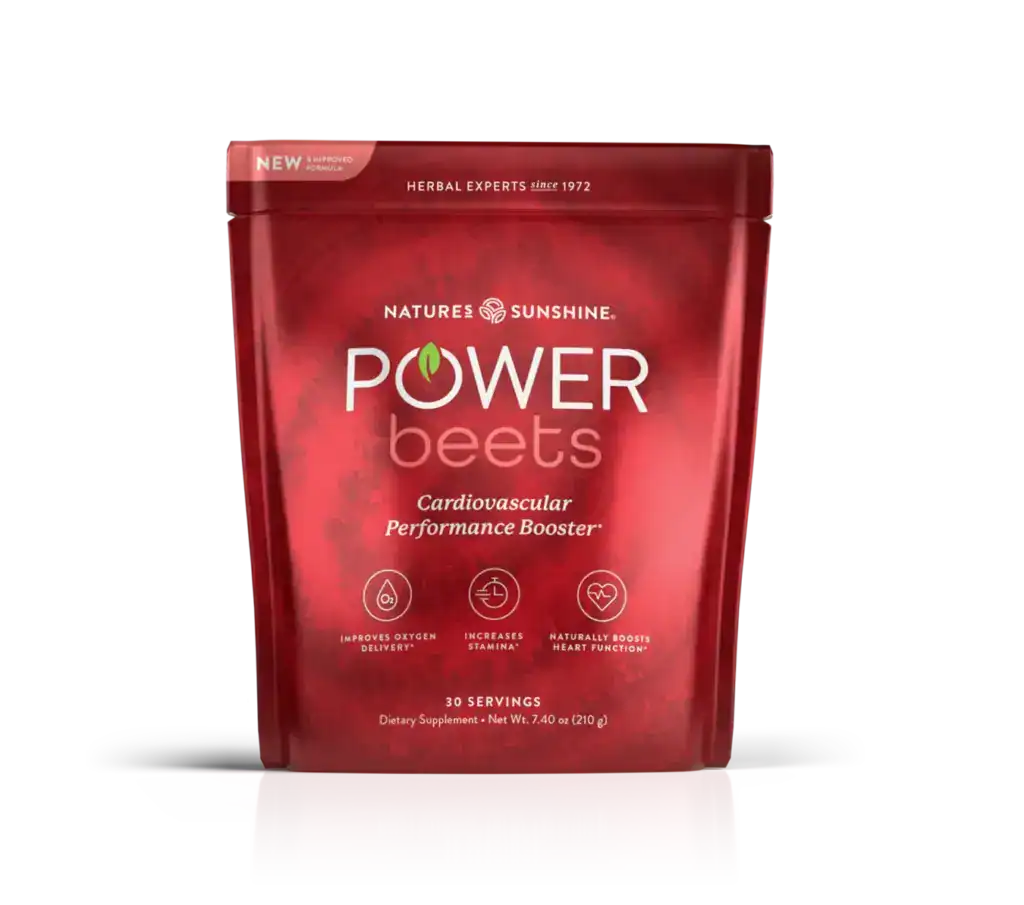
Power Beets Pouch
Power Beets Pouch
β˜…β˜…β˜…β˜…β˜… 4.9 (18 reviews)
  • βœ“ Free shipping over $75
  • βœ“ 90-day easy returns
  • βœ“ Ships within hours
Power Beets Pouch
Power Beets Pouch
$67.40
Ideal Users

Who Is Power Beets Powder For?

This formula is designed for adults looking to support healthy circulation, sustain natural energy, and promote overall vitality through a plant-based superfood approach. It may be particularly well-suited for:

  • Active adults seeking to support exercise performance, stamina, and recovery through nitric oxide-mediated oxygen efficiency
  • Anyone focused on cardiovascular wellness who wants to incorporate polyphenol-rich, heart-healthy plant foods into their daily routine
  • People who want sustained energy without relying on stimulants β€” the B vitamins and Vitamin C in the formula support the body's own energy-producing pathways
  • Those following vegetarian, gluten-free, dairy-free, soy-free, or keto-friendly diets β€” the formula fits cleanly into a wide range of dietary preferences

If you're unsure whether this formula is right for your individual health goals, our naturopath is available for a free consultation β€” no purchase or membership required.

Usage

How to Take Power Beets Powder

Mix each serving (1 scoop) into 12–16 oz. of water or your favorite beverage for your Power Beets boost. The formula comes in a 210-gram pouch, and the natural fruit flavors β€” including Raspberry and Vanilla β€” deliver a delicious taste without sugar or artificial sweeteners.

Because the nitrate-nitrite-nitric oxide pathway depends on oral bacteria to convert dietary nitrate into nitrite, it's best to avoid antibacterial mouthwash around the time you drink your Power Beets, as this may reduce nitric oxide production.

About the author

Written by Greg Howlett

GH

Greg Howlett

Founder

Greg has spent over a decade helping customers choose the right natural-health products. He personally vets every formula we carry and writes these guides to cut through the marketing noise with practical, experience-based advice.

FAQ

Frequently asked questions

What makes Nature's Sunshine Power Beets Powder different from other Beet supplements?

Power Beets combines a proprietary nitrate-packed Beet root powder β€” sourced from high Tibetan plateaus at 10,000 feet elevation β€” with a patented blend of polyphenol-rich botanicals including green coffee bean extract, Green tea, Turmeric, Blueberry, Pomegranate, Grape seed, and other heart-healthy plant foods. This two-pronged approach is designed to both activate nitric oxide production and help protect it with clinically studied antioxidants. The formula also includes B vitamins and Vitamin C for energy production and blood vessel health, and it uses real fruit ingredients for flavor instead of sugar or artificial sweeteners.

Does Power Beets Powder contain sugar or artificial sweeteners?

No. Power Beets Powder is sweetened with real fruit ingredients and Steviol glycosides (a plant-derived, zero-calorie sweetener) β€” no sugar or artificial sweeteners are used. It contains no added sugar and is keto-friendly.

How does Beet root support nitric oxide production?

Beet root is one of the richest dietary sources of inorganic nitrate. When consumed, this nitrate is converted to nitrite by bacteria in the oral cavity, and then to nitric oxide in the body. Research suggests this nitrate-nitrite-NO pathway promotes vasodilation β€” the relaxation of blood vessels β€” leading to improved blood flow, tissue oxygenation, and exercise efficiency. Multiple meta-analyses of randomized controlled trials support these effects.

Is Power Beets Powder safe for people following restricted diets?

Power Beets Powder is vegetarian, non-GMO, gluten-free, dairy-free, soy-free, and keto-friendly with no added sugar, making it compatible with many common dietary preferences and restrictions. If you have specific health conditions or take medications, we recommend speaking with a healthcare provider or scheduling a free consultation with our naturopath.

When is the best time to take Power Beets Powder?

You can enjoy Power Beets at any time of day. Many people find it ideal as a morning or pre-exercise drink. Research suggests peak plasma nitrite levels occur approximately 2–3 hours after consuming Beet-derived nitrate, so taking it a couple of hours before physical activity may help optimize exercise performance benefits.

Can I take Power Beets Powder alongside other supplements or medications?

The ingredients in Power Beets are generally well-tolerated when consumed as directed. However, because Beet root has blood-pressure-supporting properties and the formula contains vitamin K-rich greens like Kale and Broccoli, individuals taking blood pressure medications or anticoagulants like warfarin should consult their healthcare provider before use. Our naturopath is available for a free consultation to discuss how this product fits with your current regimen.

Talk to an expert

Talk to Dr. Shannyn Fowl

Not sure if this is right for you? Book a free, no-pressure consultation for personalized guidance on your health goals.

Book your free consult β†’
Who we are

About Caring Sunshine

A family-run reseller of premium supplements β€” free shipping, a 90-day guarantee, and real people who know the products.

Learn more about us β†’