Free shipping on orders over $75 | First Order? Save 20%.
(888) 510-7196

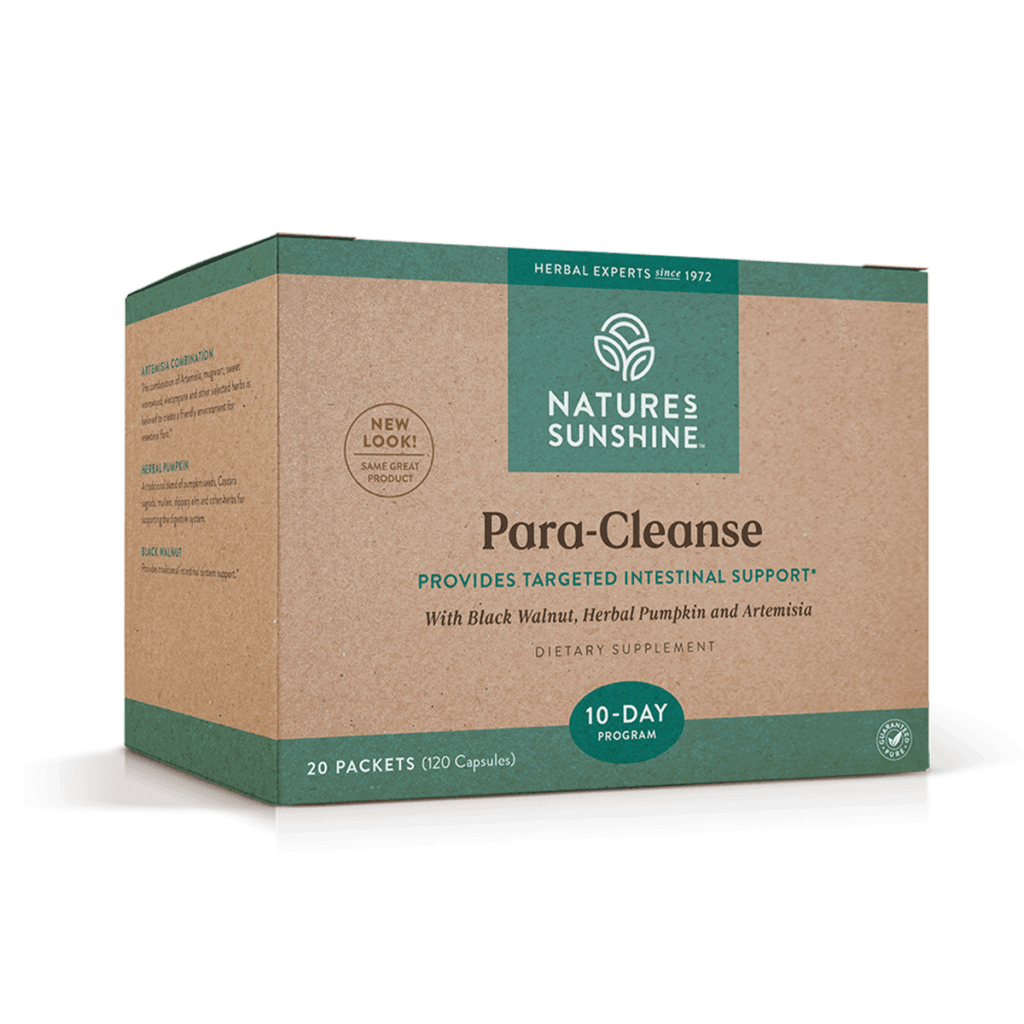
Nature’s Sunshine Para-Cleanse 10 Day Program

Explore the Nature's Sunshine Para-Cleanse 10 Day Program β€” a multi-herb intestinal cleansing system with Black walnut, Pumpkin seed, and more.

Program Overview

What Is the Nature's Sunshine Para-Cleanse 10 Day Program?

The Nature's Sunshine Para-Cleanse 10 Day Program is a structured, short-duration intestinal cleansing system designed to support the natural cleansing processes of the digestive tract and encourage a healthy intestinal environment. Rather than relying on a single herb, this 10-day program brings together four distinct herbal formulas β€” Paw paw Cell-Regβ„’, Herbal Pumpkin Combination, Black walnut ATC Concentrate, and Artemisia Combination β€” in pre-portioned cello packets for twice-daily use.

Each packet contains a carefully assembled combination of herbs with long histories of traditional use for digestive and intestinal wellness, including ingredients historically associated with parasite cleansing, colon cleansing, and gut microbiome health. The program is not intended for prolonged use; it is a focused, time-limited protocol that works best alongside a diet rich in fresh fruits, vegetables, and whole grains.

If you have questions about whether this program is a good fit for your wellness goals, our naturopath is available for a free consultation β€” no appointment pressure, just honest guidance.

How It Works

A Multi-Herb Approach to Intestinal Cleansing

What sets the nature's sunshine Para-Cleanse 10 day program apart is its layered strategy. Instead of flooding the gut with one type of herb, the program combines botanicals that work through complementary mechanisms β€” from traditional antiparasitic herbs like Black walnut hull and Sweet wormwood, to gentle intestinal soothers like Marshmallow root and Slippery elm bark, to colon-stimulating herbs like Cascara sagrada.

This multi-pronged design addresses several aspects of intestinal wellness simultaneously:

  • Traditional parasite-cleansing herbs: Black walnut hulls, Pumpkin seed, Sweet wormwood, Mugwort, Clove, garlic, and Elecampane root all have documented traditional or preclinical use related to intestinal parasites.
  • Digestive tract soothing and mucosal support: Marshmallow root, Slippery elm bark, and Chamomile provide demulcent, mucilaginous protection for the intestinal lining.
  • Colon cleansing and motility support: Cascara sagrada and Ginger help promote healthy bowel movements and intestinal transit.
  • Gut microbiome support: Several ingredients β€” including Black walnut, Elecampane root, garlic, Olive oil, and Turmeric β€” have research suggesting they may positively influence gut microbial communities.

The result is a comprehensive, carefully balanced program that supports natural digestive cleansing processes without relying on harsh single-ingredient formulas.

What's inside

Key Ingredients

Black walnut unripe hulls extract β€” 480 mg
Black walnut (Juglans nigra) unripe hull has been used for centuries in North American and European folk medicine to expel intestinal worms. Its key compound juglone shows antiparasitic activity in laboratory and animal studies against nematodes, Giardia, and Entamoeba, though robust human clinical trials are lacking. Research also suggests that walnut consumption positively modifies gut microbial communities, increasing butyrate-producing bacteria such as Faecalibacterium and Roseburia, while an in vitro digestion study of walnut green husk showed selective modulation of gut microbiota with inhibition of pro-inflammatory bacteria. Traditionally, Black walnut leaves and bark have been classified as having laxative properties to support regular bowel movements.
acetogenins (from Paw paw twig extract) β€” 8.5 mg
Paw paw (Asimina triloba) twig extract provides acetogenins β€” potent inhibitors of mitochondrial complex I that block ATP production. This mechanism accounts for the broad biological activities attributed to Paw paw extracts, including antiparasitic and pesticidal effects. Native Americans commonly used pawpaw bark and leaves for digestive complaints and intestinal parasites, and the extract in capsule form has been used as a natural anthelmintic. Clinical trials specific to Paw paw's antiparasitic use are lacking, and the evidence remains largely preclinical.
Pumpkin seed β€” 980 mg
Pumpkin seeds (Cucurbita pepo) contain cucurbitin, a compound that paralyzes intestinal helminths by disrupting their neuromuscular function. In vitro and animal studies confirm efficacy against tapeworms, roundworms, and Trichinella spiralis, and Pumpkin seeds are widely recognized as a traditional anthelmintic across multiple cultures β€” from the Aztecs to Native Americans to European folk medicine. The flesh of Pumpkin is also a source of dietary fiber that promotes regular bowel movements through both soluble and insoluble fiber fractions.
Black walnut hulls β€” 980 mg
This additional serving of Black walnut (Juglans nigra) hulls provides the same traditional antiparasitic and gut microbiome-supporting benefits described for the unripe hull extract above. Historically, the hull has been used by the Cherokee, Comanche, Iroquois, and other indigenous peoples for intestinal complaints. Its active compound juglone generates reactive oxygen species that can inhibit key mitochondrial enzymes in parasites in laboratory settings, while tannins contribute to an astringent gut environment. Multiple human RCTs and animal studies demonstrate that walnut consumption positively modifies gut microbial communities.
Cascara sagrada bark β€” 980 mg
Cascara sagrada (Rhamnus purshiana) bark is a traditional North American laxative used by indigenous peoples of the Pacific Northwest for centuries. Its active cascarosides β€” anthraquinone derivatives β€” stimulate colonic peristalsis and inhibit water reabsorption, typically producing a bowel movement within 6–12 hours. The herb was formerly an FDA-approved OTC laxative ingredient and remains widely used in colon-cleanse products. Anthraquinone-containing herbs including Cascara sagrada also have a traditional history of use as purgatives to mechanically expel intestinal parasites, though no clinical trials validate this specific antiparasitic application.
Chamomile flowers β€” 980 mg
Chamomile (Matricaria chamomilla) is one of the oldest and most widely used medicinal plants, traditionally employed for gastrointestinal inflammation, cramping, and digestive discomfort. Its anti-inflammatory terpenoids (alpha-bisabolol) and flavonoids (apigenin) have demonstrated gut anti-inflammatory activity in laboratory studies. The German Commission E has approved Chamomile for GI spasms and inflammatory GI conditions. Relaxant effects on human intestinal preparations provide scientific support for its traditional use in spasmodic gastrointestinal disorders.
Mullein leaves β€” 980 mg
Mullein (Verbascum thapsus) is an herbaceous plant with a long history of use for respiratory and digestive complaints. Traditional preparations have been used to reduce gut inflammation and support liver function. Preliminary phytochemical studies have evaluated the anthelmintic activity of Mullein using roundworms and tapeworms in vitro. The plant contains flavonoids such as quercetin, iridoid glycosides, saponins, and mucilage, which collectively support its traditional role as a soothing addition to herbal cleansing formulas.
Marshmallow root extract (althaea officinalis) β€” 980 mg
Marshmallow root (Althaea officinalis) contains up to 35% mucilage by dry weight β€” a complex polysaccharide that forms a soothing, protective gel on contact with water. This demulcent action coats and protects irritated intestinal mucosa, and the European Medicines Agency recognizes Marshmallow root for soothing mucous membranes of the gastrointestinal tract. In vitro studies demonstrate that Marshmallow root polysaccharides stimulate cell physiology of human epithelial cells. Traditionally used in European and Greco-Roman herbal medicine for inflammatory GI conditions including colitis, Marshmallow root provides gentle mucosal support during intestinal cleansing.
slippery elm inner bark β€” 980 mg
Slippery elm (Ulmus rubra) inner bark produces a thick mucilage that coats and soothes the intestinal lining. It has been used by Native Americans for centuries for gastrointestinal and urinary tract disorders. A 2010 published pilot study using slippery elm-containing formulas in 31 IBS patients found significant improvements in bowel movement frequency, stool consistency, abdominal pain, bloating, and global symptom severity. Laboratory studies have demonstrated antioxidant activity of slippery elm in tissue from IBD patients comparable to 5-aminosalicylic acid. Slippery elm bark polysaccharides also have documented prebiotic potential, supporting Lactobacillus and Bifidobacterium species.
Elecampane root β€” 778 mg
Elecampane (Inula helenium) root contains up to 44% inulin β€” a prebiotic fructan with robust clinical evidence for selectively promoting beneficial gut bacteria including Bifidobacterium and Lactobacillus. The root also contains sesquiterpene lactones including alantolactone, which has documented anthelmintic activity and has been used historically to treat roundworm, threadworm, hookworm, and whipworm. The British Herbal Pharmacopoeia and multiple ethnobotanical records confirm its historical use against intestinal worms, though modern controlled clinical trials are lacking.
Mugwort aerial parts β€” 778 mg
Mugwort (Artemisia vulgaris) is documented as an antiparasitic and anthelmintic herb across European, Asian, and Ayurvedic traditions β€” one of its oldest recorded applications. Preclinical evidence supports the antiparasitic activity of Artemisia species generally. In European herbal tradition, Mugwort is also recorded as having a laxative effect, though no clinical trials on oral Mugwort for constipation or parasite cleansing exist in humans.
Clove flower β€” 778 mg
Clove (Syzygium aromaticum) contains eugenol, demonstrated in a published study to be an effective anthelmintic against Trichinella spiralis in vitro, with additional evidence against Giardia, Fasciola, and Haemonchus. Clove is traditionally paired with wormwood and Black walnut in antiparasitic protocols. Its essential oil also possesses broad antimicrobial activity, and the FDA classifies Clove oil as generally recognized as safe (GRAS).
Garlic bulb β€” 778 mg
Garlic (Allium sativum) bulb is the primary source of allicin and organosulfur compounds documented to inhibit Giardia, Entamoeba, and gastrointestinal helminths in vitro and in animal models. A 2024 in vivo swine study confirmed reduced parasite intensity with garlic powder. Garlic's fructan content also acts as a prebiotic, supporting growth of beneficial gut bacteria including Lactobacillus, and clinical evidence shows aged garlic supplementation improved microbial richness and diversity in hypertensive subjects over three months.
Ginger rhizome β€” 778 mg
Ginger (Zingiber officinale) is a well-documented prokinetic herb that stimulates gastrointestinal motility and increases colonic peristalsis, making it a valuable component in colon-cleansing formulas. Multiple RCTs have demonstrated its efficacy in accelerating gastric emptying and intestinal transit. A meta-analysis of 5 RCTs confirmed Ginger accelerates gastric emptying in humans. Ginger also has documented anti-inflammatory effects on the gastrointestinal tract through gingerol and shogaol compounds that inhibit NF-ΞΊB and COX-2 pathways. It has traditional use in Ayurvedic, Chinese, and African medicine for intestinal parasite conditions.
Spearmint leaf and flower β€” 778 mg
Spearmint (Mentha spicata) has an extensive traditional record for gastrointestinal spasm disorders across Mediterranean, Iranian, and Moroccan folk medicine. Its antispasmodic constituent carvone relaxes intestinal smooth muscle. Spearmint has been used traditionally to alleviate flatulence, indigestion, intestinal weakness, and abdominal pain. In vitro studies have also demonstrated that spearmint oil significantly inhibits inflammatory cytokines IL-1Ξ² and TNF-Ξ± from macrophages, supporting its use in gastrointestinal comfort.
Turmeric root extract β€” 778 mg
Turmeric (Curcuma longa) contains curcumin, which has been studied in 13 placebo-controlled RCTs for inflammatory bowel disease, with particular efficacy demonstrated in ulcerative colitis for achieving clinical remission. Curcumin modulates gut microbiota composition, promoting beneficial bacteria while suppressing pathogenic strains and enhancing intestinal barrier function. Its active compound also disrupts microtubule assembly in Giardia lamblia trophozoites in vitro, with additional preclinical activity documented against Plasmodium, Leishmania, and Toxoplasma. Turmeric appears in traditional Ayurvedic antiparasitic protocols.
Olive leaf extract β€” 778 mg
Olive leaf extract (Olea europaea) contains oleuropein and hydroxytyrosol β€” phenolic compounds with demonstrated antioxidant, anti-inflammatory, and antimicrobial properties. These polyphenols selectively promote beneficial gut bacteria, increase alpha diversity, and enhance short-chain fatty acid production according to research. A phenolic-rich Olive leaf extract significantly decreased systolic blood pressure and improved lipid profiles in a randomized, double-blind crossover trial. In the context of a parasite cleanse program, Olive leaf extract provides broad-spectrum support for intestinal and systemic wellness.
Sweet wormwood aerial parts β€” 778 mg
Sweet wormwood (Artemisia annua) is the source of artemisinin β€” the Nobel Prize-winning antimalarial compound. Beyond malaria, artemisinin demonstrates preclinical activity against schistosomiasis (with a meta-analysis showing 65–97% protection rates in clinical data), as well as in vitro activity against Giardia and other parasites. Traditional Chinese medicine use of Sweet wormwood for intermittent fevers and parasitic conditions dates back to at least 168 BC. Its sesquiterpene lactones, flavonoids, and coumarins work through multiple mechanisms, and research suggests that the whole-plant extract may be up to 10-fold more effective than artemisinin alone due to synergistic phytochemical interactions.
extra virgin Olive oil base
Extra virgin Olive oil serves as the base for this program, providing oleic acid and bioactive polyphenols including hydroxytyrosol and oleocanthal. Clinical studies confirm Olive oil effectively supports bowel regularity by lubricating the intestinal tract and stimulating motility. Olive oil phenolic compounds also selectively promote beneficial gut bacteria and strengthen intestinal barrier integrity according to research. The EFSA has authorized a health claim for Olive oil polyphenols protecting LDL from oxidative damage when consumed at appropriate levels.
sunflower Lecithin
Sunflower Lecithin provides phospholipids β€” primarily phosphatidylcholine β€” that serve as structural components of cell membranes and support lipid emulsification in the digestive tract. Unlike soy-derived Lecithin, sunflower Lecithin is extracted through cold pressing rather than chemical solvents. Its emulsifying properties facilitate the absorption and bioavailability of the fat-soluble herbal compounds in this formula while providing gentle support for the intestinal mucosa.
Para-Cleanse
Para-Cleanse
β˜…β˜…β˜…β˜…β˜… 4.6 (63 reviews)
  • βœ“ Free shipping over $75
  • βœ“ 90-day easy returns
  • βœ“ Ships within hours
Para-Cleanse
Para-Cleanse
$43.50
Who It's For

Who May Benefit from the Para-Cleanse Program

The nature's sunshine Para-Cleanse 10 day program is designed for adults looking for a structured, short-term approach to intestinal cleansing. It may appeal to individuals who:

  • Want to support the natural cleansing processes of their intestinal system
  • Are interested in a traditional herbal approach to digestive wellness
  • Seek to encourage a healthy intestinal environment as part of a broader wellness routine
  • Prefer a pre-portioned, easy-to-follow program rather than assembling individual herbs

This program is not intended for prolonged use. It should not be used if diarrhea, loose stools, or abdominal pain are present or develop. It is important to see your health care provider prior to use if you are pregnant or nursing, if any medical condition exists, or when taking any medication.

Not sure if this program is right for you? Our naturopath offers free consultations to help you think through your options β€” no purchase required.

Directions

How to Take the Para-Cleanse 10 Day Program

Take the contents of one cello packet twice a day, 15 minutes before your morning and evening meals, with at least 8 oz. of pure water. Continue the program for 10 days, eating lots of fresh fruits and vegetables and whole grains.

Each cello packet contains 1 Paw paw Cell-Regβ„’ capsule, 2 Herbal Pumpkin Combination capsules, 1 Black walnut ATC Concentrate capsule, and 2 Artemisia Combination capsules.

Important notes: See your health care provider prior to use if pregnant or nursing, any medical condition exists, or when taking any medication. Read and follow recommendation carefully. Not intended for prolonged use. Do not use if diarrhea, loose stools, or abdominal pain are present or develop. Use of this product may worsen these conditions and be harmful to your health. Chronic diarrhea can result in serious illness.

About the author

Written by Greg Howlett

GH

Greg Howlett

Founder

Greg has spent over a decade helping customers choose the right natural-health products. He personally vets every formula we carry and writes these guides to cut through the marketing noise with practical, experience-based advice.

FAQ

Frequently asked questions

How long does the Para-Cleanse program last?

The Para-Cleanse is a 10-day program. You take one cello packet twice daily β€” once before breakfast and once before dinner β€” for the full 10 days. It is not intended for prolonged use beyond the program duration.

What does each cello packet contain?

Each pre-portioned packet contains 1 Paw paw Cell-Regβ„’ capsule, 2 Herbal Pumpkin Combination capsules, 1 Black walnut ATC Concentrate capsule, and 2 Artemisia Combination capsules. This combination provides a spectrum of traditional intestinal-cleansing herbs in every serving.

Should I change my diet during the Para-Cleanse program?

Yes β€” the directions recommend eating lots of fresh fruits, vegetables, and whole grains during the 10-day program. A clean, fiber-rich diet supports the natural digestive cleansing processes the program is designed to encourage.

Can I use Para-Cleanse if I'm pregnant or nursing?

You should see your health care provider prior to use if you are pregnant or nursing, if any medical condition exists, or when taking any medication. The program contains Cascara sagrada and other stimulating herbs that may not be appropriate during pregnancy or lactation.

When should I not use the Para-Cleanse program?

Do not use Para-Cleanse if diarrhea, loose stools, or abdominal pain are present or develop. Use of this product may worsen these conditions and be harmful to your health. Chronic diarrhea can result in serious illness. Always consult your health care provider if you have any medical conditions or take medications.

What is the stock number for Para-Cleanse?

The stock number for the Nature's Sunshine Para-Cleanse 10 Day Program is 4115-7. If you need help finding it or have questions about the program, our team β€” including our naturopath β€” is happy to help through a free consultation.

Talk to an expert

Talk to Dr. Shannyn Fowl

Not sure if this is right for you? Book a free, no-pressure consultation for personalized guidance on your health goals.

Book your free consult β†’
Who we are

About Caring Sunshine

A family-run reseller of premium supplements β€” free shipping, a 90-day guarantee, and real people who know the products.

Learn more about us β†’