
Magnesium Complex vs Magnesium Glycinate
Explore Magnesium Complex vs Magnesium glycinate — how citrate and malate forms compare, who they're for, and what research says about heart, brain, and kidney support.
Magnesium Complex vs Magnesium Glycinate: What You Need to Know
If you've been researching Magnesium supplements, you've probably noticed that Magnesium Complex vs Magnesium glycinate is one of the most common comparisons people make. The truth is, every form of Magnesium delivers the same essential Mg²⁺ ion — the fourth most abundant cation in the human body and a cofactor in more than 300 enzyme systems. What differs is the carrier molecule bound to that ion, which affects how well your body absorbs it and what additional benefits it may offer.
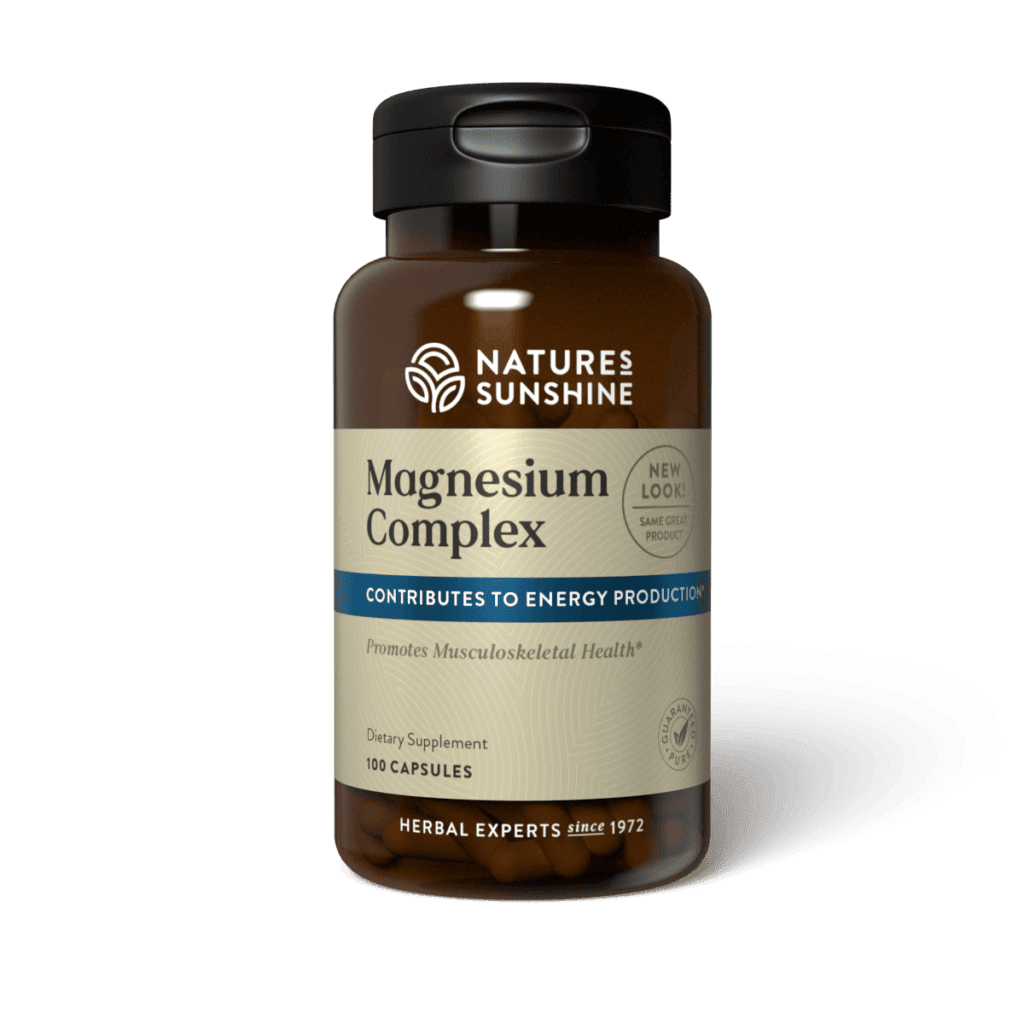
A Magnesium Complex typically combines two or more organic forms of Magnesium in a single supplement. Nature's Sunshine Magnesium Complex, for example, pairs Magnesium citrate and Magnesium malate — two highly soluble organic salts chosen for optimum effectiveness. Magnesium glycinate (also called Magnesium bisglycinate), on the other hand, is Magnesium chelated to the amino acid glycine. It is often recommended for individuals with sensitive digestive systems, as it tends to cause fewer gastrointestinal side effects.
All three forms — citrate, malate, and glycinate — fall into the organic salt category, meaning they are generally more soluble and have higher bioavailability than inorganic forms like Magnesium oxide. Research confirms that Magnesium citrate had high solubility even in water (55%) and was substantially more soluble than Magnesium oxide in all states of acid secretion. The absorption of Magnesium chelated with amino acids, such as Magnesium glycinate, via the dipeptide transporter pathway has also been observed.
So when weighing Magnesium Complex vs Magnesium glycinate, you're really comparing a multi-form approach (citrate + malate working together) against a single amino-acid chelate. Both are well-absorbed organic forms. The choice often comes down to your personal health goals and digestive comfort. If you're unsure which form is right for you, our naturopath is available for a free consultation to help you sort it out.
Why Magnesium Is Essential for Heart, Brain, and Kidney Health
Magnesium is a cofactor in more than 300 enzyme systems that regulate diverse biochemical reactions in the body, including protein synthesis, muscle and nerve function, blood glucose control, and blood pressure regulation. It is required for energy production, ATP synthesis, and proper ion transport across cell membranes.
Despite these critical roles, emerging evidence confirms that nearly two-thirds of the population in the western world is not achieving the recommended daily allowance for Magnesium. It is estimated that between 56 and 68% of Americans do not obtain enough Magnesium in their diet on a daily basis. Early signs of deficiency include fatigue, weakness, loss of appetite, and muscle cramps. As deficiency worsens, symptoms may progress to numbness, tingling, abnormal heart rhythms, and even seizures.
Cardiovascular Support
Research suggests that higher dietary and circulating Magnesium levels are inversely associated with risks of coronary heart disease, stroke, and total cardiovascular disease. Multiple meta-analyses and randomized controlled trials show that Magnesium supplementation may produce modest but significant reductions in blood pressure, particularly in Magnesium-deficient or hypertensive individuals. Magnesium is also a well-established cofactor in cardiac electrophysiology — hypomagnesemia is strongly linked to ventricular and supraventricular arrhythmias.
In 2022, the U.S. FDA approved a qualified health claim stating that consuming diets with adequate Magnesium may reduce the risk of high blood pressure, though the agency noted the evidence is inconsistent and inconclusive.
Nervous System Support
Magnesium is fundamental to nervous system function, acting as a physiological NMDA receptor antagonist and regulator of neuronal excitability, neuromuscular transmission, and nerve signaling. Deficiency is clinically associated with neuromuscular hyperexcitability, tremors, and neurological disorders ranging from migraine to depression. Research also suggests Magnesium is a cofactor in dopamine synthesis and supports the balance between inhibitory and excitatory neurotransmitters.
Kidney Support
The kidneys are the primary site of Magnesium excretion and the major regulator of whole-body Magnesium homeostasis — typically only 3–5% of filtered Mg is excreted in urine. Studies suggest that Magnesium is a well-established inhibitor of calcium oxalate crystallization in urine. A landmark double-blind RCT of potassium-Magnesium citrate showed new stones formed in only 12.9% of treated subjects vs. 63.6% on placebo. Higher urinary Magnesium from adequate dietary intake is also associated with reduced risk of kidney stone formation.
Citrate + Malate vs. Glycinate: How the Forms Compare
When evaluating Magnesium Complex vs Magnesium glycinate, it helps to understand the strengths of each individual form.
Magnesium Citrate
Magnesium citrate is one of the most bioavailable forms, with high solubility in water leading to efficient absorption. Research found it had 55% solubility even in plain water and was substantially more soluble than Magnesium oxide in all states of acid secretion. The citrate carrier also provides citrate ions, which studies suggest may help reduce urinary oxalate excretion and raise urinary citrate — both key protective factors against kidney stone formation.
Magnesium Malate
Magnesium malate is another organic form that is generally more soluble and has higher bioavailability than inorganic salts. By pairing malate with citrate, Magnesium Complex offers two distinct organic carriers working together.
Magnesium Glycinate
Magnesium glycinate (bisglycinate) is Magnesium chelated to the amino acid glycine. It is often recommended for individuals with sensitive digestive systems because it tends to cause fewer gastrointestinal side effects. The absorption of Magnesium glycinate via the dipeptide transporter pathway has been observed, offering an alternative absorption route. A 2025 RCT using 250 mg elemental Magnesium as Magnesium bisglycinate found modest but statistically significant improvements in insomnia severity index scores, though overall sleep evidence remains preliminary.
Side effects from Magnesium supplements — primarily GI discomfort like diarrhea, nausea, and cramping — usually occur at higher doses and are more common with inorganic forms such as Magnesium oxide. Both the citrate/malate combination and glycinate are organic forms that tend to be better tolerated.
Ultimately, the Magnesium Complex vs Magnesium glycinate decision may come down to your primary health goals. If cardiovascular, brain, and kidney support are top priorities, a complex combining citrate and malate provides highly soluble forms with research-backed benefits in those areas. If digestive gentleness or sleep is your primary concern, glycinate may be worth exploring. Our naturopath can help you navigate this choice during a free consultation.
Key Ingredients
- ✓ Free shipping over $75
- ✓ 90-day easy returns
- ✓ Ships within hours
Who Should Consider a Magnesium Complex
The Magnesium Complex vs Magnesium glycinate conversation matters most for people who want to make sure they're choosing the right form for their body. Magnesium Complex, with its citrate and malate combination, may be especially well-suited for:
- Adults concerned about heart health — Research suggests Magnesium supports cardiovascular function, healthy blood pressure already within the normal range, and normal heart rhythm.
- Those focused on kidney health — The citrate form in particular has been studied for its role in inhibiting calcium oxalate crystallization and supporting healthy urinary mineral balance.
- People seeking nervous system support — Magnesium modulates neuronal excitability and neurotransmitter balance, with implications for mood, nerve comfort, and migraine frequency.
- Older adults — As we age, Magnesium absorption and retention can decrease. Older people are more susceptible to deficiency due to decreased absorption from food, increased medication use (diuretics can deplete Magnesium), and potential dietary restrictions.
- Individuals on certain medications — Loop and thiazide diuretics, proton pump inhibitors, and certain other drugs can deplete Magnesium over time.
If you have questions about whether a Magnesium Complex or Magnesium glycinate is better suited to your individual needs, our naturopath offers free consultations and can help guide you based on your health goals.
How to Take Magnesium Complex
Take 2 capsules twice daily with a meal. Each serving of 2 capsules provides 184 mg of Magnesium from both citrate and malate forms. The bottle contains 100 capsules.
For reference, the Recommended Dietary Allowance (RDA) for Magnesium is 400–420 mg/day for adult men and 310–320 mg/day for adult women. The Tolerable Upper Intake Level (UL) for supplemental Magnesium is 350 mg — this applies only to Magnesium from supplements and medications, not from food.
Keep in mind that Magnesium supplements can interact with certain medications. Magnesium may decrease the absorption of bisphosphonates (separate by at least 2 hours), tetracycline and quinolone antibiotics (take the antibiotic at least 2 hours before or 4–6 hours after Magnesium), and gabapentin. If you take any medications, it's wise to speak with a healthcare provider or our naturopath before starting supplementation.
Written by Greg Howlett
Frequently asked questions
What is the main difference between a Magnesium Complex and Magnesium glycinate?
A Magnesium Complex combines two or more forms of Magnesium — in this case, Magnesium citrate and Magnesium malate — for a multi-form approach. Magnesium glycinate is a single form where Magnesium is chelated to the amino acid glycine. All three are organic forms with generally higher bioavailability than inorganic forms like Magnesium oxide. Magnesium citrate has particularly high water solubility (55%), while Magnesium glycinate is often recommended for people with sensitive digestive systems because it tends to cause fewer gastrointestinal side effects.
Is Magnesium citrate or Magnesium glycinate better absorbed?
Both are well-absorbed organic forms that outperform inorganic Magnesium like Magnesium oxide. Research shows Magnesium citrate has high solubility even in water (55%) and was substantially more soluble than Magnesium oxide in all states of acid secretion. Magnesium glycinate is absorbed via the dipeptide transporter pathway, offering an alternative absorption route. Both forms are recognized among the more easily absorbed supplemental forms of Magnesium.
Can Magnesium Complex support heart and kidney health?
Research suggests Magnesium plays a well-documented role in cardiovascular health. Higher circulating Magnesium levels are inversely associated with risks of coronary heart disease, stroke, and total cardiovascular disease across multiple large meta-analyses. For kidney health, Magnesium is a well-established inhibitor of calcium oxalate crystallization in urine, and a landmark double-blind RCT showed significantly fewer kidney stones in treated subjects compared to placebo. The citrate form specifically may help reduce urinary oxalate excretion and raise urinary citrate, both key protective factors.
How much Magnesium does Magnesium Complex provide per serving?
Each serving of 2 capsules provides 184 mg of Magnesium from both Magnesium citrate and Magnesium malate. The suggested use is 2 capsules twice daily with a meal. The RDA for Magnesium is 400–420 mg/day for adult men and 310–320 mg/day for adult women.
Are there side effects from taking Magnesium supplements?
Magnesium supplements can cause nausea, cramping, and diarrhea, particularly at higher doses. Side effects are more common with inorganic forms such as Magnesium oxide. Organic forms like citrate, malate, and glycinate tend to be better tolerated. Hypermagnesemia (excess Magnesium) from supplements is rare in individuals with normal kidney function because the kidneys efficiently excrete excess Magnesium. People with impaired kidney function should exercise particular caution.
Does Magnesium interact with any medications?
Yes. Magnesium can decrease the absorption of bisphosphonates (separate by at least 2 hours), tetracycline and quinolone antibiotics (take the antibiotic at least 2 hours before or 4–6 hours after Magnesium), and may reduce gabapentin absorption by about 20%. Loop and thiazide diuretics can deplete Magnesium through increased urinary excretion, while long-term use of proton pump inhibitors (PPIs) can cause low Magnesium levels. If you take any of these medications, consult a healthcare provider before supplementing.
Talk to Dr. Shannyn Fowl
Not sure if this is right for you? Book a free, no-pressure consultation for personalized guidance on your health goals.
Book your free consult →About Caring Sunshine
A family-run reseller of premium supplements — free shipping, a 90-day guarantee, and real people who know the products.
Learn more about us →