
Magnesium Complex Reviews | Nature’s Sunshine
Read our in-depth lumine organics Magnesium Complex reviews. Learn how Magnesium citrate and malate support heart, brain, bone, and nervous system health.
Lumine Organics Magnesium Complex Reviews: What This Formula Is and Why It Matters
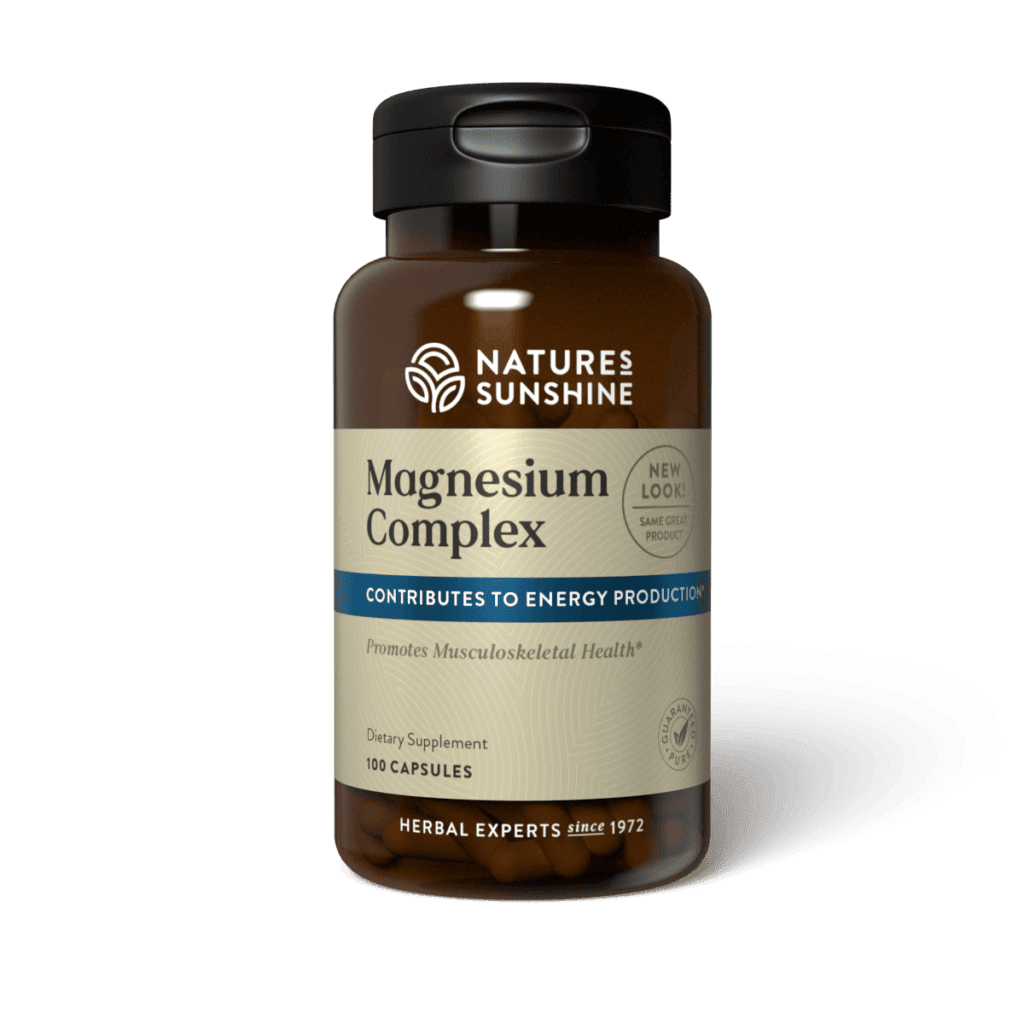
If you've been searching for lumine organics Magnesium Complex reviews, you've likely come across Nature's Sunshine's Magnesium Complex — a dual-form Magnesium supplement designed to support the brain, heart, kidneys, and bones. This formula pairs two organic forms of Magnesium — Magnesium citrate and Magnesium malate — delivering 184 mg of elemental Magnesium in every two-capsule serving.
Why does the form matter? Organic Magnesium salts such as citrate and malate are generally more soluble and have higher bioavailability than inorganic forms like Magnesium oxide. Research shows that Magnesium citrate has high solubility even in water (55%) and is substantially more soluble than Magnesium oxide across all states of acid secretion. That solubility translates to more efficient absorption in the gut, which is exactly what you want when you're supplementing a mineral that an estimated 56–68% of Americans fail to get in adequate amounts from diet alone.
Magnesium is the fourth most abundant cation in the human body and a cofactor in more than 300 enzyme systems. It is required for energy production, protein synthesis, muscle and nerve function, blood glucose control, blood pressure regulation, and bone formation. When intake is inadequate, early signs can include fatigue, weakness, muscle cramps, and loss of appetite. Over time, deficiency may contribute to more serious concerns involving the cardiovascular, nervous, and skeletal systems.
Our naturopath is available for a free consultation if you'd like personalized guidance on whether this formula fits your health goals.
Dual-Form Magnesium: Why Citrate and Malate Together
Magnesium Complex combines two complementary organic forms. Both Magnesium citrate and Magnesium malate belong to the category of organic Magnesium salts — Magnesium chelated to organic acid molecules. These forms are generally more soluble and have higher bioavailability compared to inorganic forms such as Magnesium oxide or Magnesium sulfate.
Once absorbed, the Mg²⁺ ion itself drives all of Magnesium's biological activity. It serves as a cofactor for ATP synthesis — pivotal for cellular energy generation across virtually all tissues — and is essential for activation of enzymatic ATP hydrolysis in the Na,K-ATPase pump that maintains proper ion transport across cell membranes.
In the cardiovascular system, Magnesium regulates cardiac ion channels, myocardial conduction, and vascular tone. In the nervous system, it acts as a natural NMDA receptor antagonist, modulating synaptic transmission and neuronal excitability. In bone, it influences osteoblast and osteoclast activity while affecting concentrations of both parathyroid hormone and the active form of vitamin D — two major regulators of bone homeostasis.
The highly soluble nature of this formula is one of the attributes most frequently highlighted in lumine organics Magnesium Complex reviews, and the science backs that up: bioavailability matters, and organic forms like citrate deliver it.
Key Ingredients
- ✓ Free shipping over $75
- ✓ 90-day easy returns
- ✓ Ships within hours
Who Is Magnesium Complex For?
This formula is designed for adults looking to support their heart, brain, kidneys, and bones with a highly soluble Magnesium supplement. Based on the evidence, several groups may find Magnesium Complex especially relevant:
- Adults concerned about cardiovascular health. Research suggests that higher dietary and circulating Magnesium levels are inversely associated with risks of coronary heart disease, stroke, and total cardiovascular disease. The FDA's 2022 qualified health claim acknowledges that adequate Magnesium intake may reduce the risk of hypertension.
- Older adults. As we age, Magnesium absorption and retention decrease. Older people are more susceptible to deficiency due to decreased absorption from food, increased medication use (some diuretics can deplete Magnesium), and potential dietary restrictions. Men older than 70 and teenage girls are among those most likely to have low intakes.
- Those focused on bone density. Magnesium is essential for bone formation, vitamin D activation, and calcium metabolism. Low Magnesium is associated with increased osteoporosis risk, making adequate intake important for skeletal health, particularly in postmenopausal women.
- Anyone wanting nervous system support. Magnesium modulates neuronal excitability and neuromuscular transmission. Research links adequate Magnesium status with reduced migraine frequency, better neurotransmitter balance, and normal nerve function.
- People on medications that deplete Magnesium. Long-term use of proton pump inhibitors, loop diuretics, or thiazide diuretics can contribute to Magnesium loss.
If you're unsure whether Magnesium supplementation is right for you, our naturopath offers free consultations to help you sort through the details.
How to Take Magnesium Complex
Take 2 capsules twice daily with a meal. Each bottle contains 100 capsules.
Taking Magnesium with food is a practical approach that may support absorption and reduce the likelihood of the mild stomach-related side effects that can sometimes accompany Magnesium supplements. The most common side effects — softening of stool, nausea, or cramping — tend to occur at higher doses and are more common with inorganic forms. The organic citrate and malate forms in this product are specifically chosen for their higher solubility and gentler digestive profile.
Important safety note: Magnesium can interact with certain medications. It may decrease the absorption of bisphosphonates (separate by at least 2 hours), form insoluble complexes with tetracycline and quinolone antibiotics (take the antibiotic at least 2 hours before or 4–6 hours after Magnesium), and may reduce gabapentin absorption by approximately 20%. If you take any medications, consult your healthcare professional before starting Magnesium supplementation.
Written by Greg Howlett
Frequently asked questions
What forms of Magnesium are in Magnesium Complex?
Magnesium Complex contains two organic forms — Magnesium citrate and Magnesium malate — which are generally more soluble and have higher bioavailability than inorganic forms like Magnesium oxide. Two capsules provide 184 mg of elemental Magnesium.
How does Magnesium support heart health?
Research suggests that Magnesium plays a well-documented role in cardiovascular function. It regulates cardiac ion channels, vascular tone, and endothelial function. Large meta-analyses and prospective cohort studies consistently associate higher Magnesium levels with lower risks of coronary heart disease, atrial fibrillation, and heart failure. The FDA approved a qualified health claim in 2022 stating that adequate Magnesium intake may reduce the risk of hypertension, though the agency characterized the evidence as inconsistent and inconclusive.
Can Magnesium help with bone density?
Magnesium is an essential cofactor in bone mineral metabolism and is required for vitamin D activation and calcium metabolism. Observational data from large cohort studies found higher Magnesium intake associated with 2–3% greater bone density in women. A short-term study found that 290 mg/day elemental Magnesium as citrate suppressed bone turnover in postmenopausal women with osteoporosis compared with placebo. However, more long-term clinical research is needed to fully define its role in osteoporosis prevention.
Are there any side effects or drug interactions I should know about?
The most common side effects of Magnesium supplements are stomach-related, including softening of stool, nausea, and cramping, and these tend to occur at higher doses. Magnesium can interact with several medications: it may decrease absorption of bisphosphonates and antibiotics (tetracyclines and quinolones) and may reduce gabapentin absorption by about 20%. Loop and thiazide diuretics can increase Magnesium loss, while long-term proton pump inhibitor use may cause low Magnesium levels. Always consult a healthcare professional if you take any medications.
How much Magnesium do most adults need daily?
The Recommended Dietary Allowance (RDA) for Magnesium is 400–420 mg/day for adult men and 310–320 mg/day for adult women. During pregnancy, requirements increase to about 350–360 mg daily. It is estimated that 56–68% of Americans do not obtain enough Magnesium from their diet to meet the RDA, making supplementation a consideration worth discussing with a healthcare provider.
Why does Magnesium Complex use citrate and malate instead of oxide?
Organic forms of Magnesium like citrate and malate are generally more soluble and better absorbed than inorganic forms. Research demonstrates that Magnesium citrate has 55% solubility in water, while Magnesium oxide is virtually insoluble in water and only 43% soluble even in simulated peak acid secretion. The higher solubility of these organic forms supports more efficient absorption in the digestive tract.
Talk to Dr. Shannyn Fowl
Not sure if this is right for you? Book a free, no-pressure consultation for personalized guidance on your health goals.
Book your free consult →About Caring Sunshine
A family-run reseller of premium supplements — free shipping, a 90-day guarantee, and real people who know the products.
Learn more about us →