
Lymphatic Drainage Drops Side Effects | Guide
Learn about Lymphatic Drainage drops side effects, key ingredients like Cleavers & Red clover, safety considerations, and who should use caution before trying them.
Understanding Lymphatic Drainage Drops Side Effects
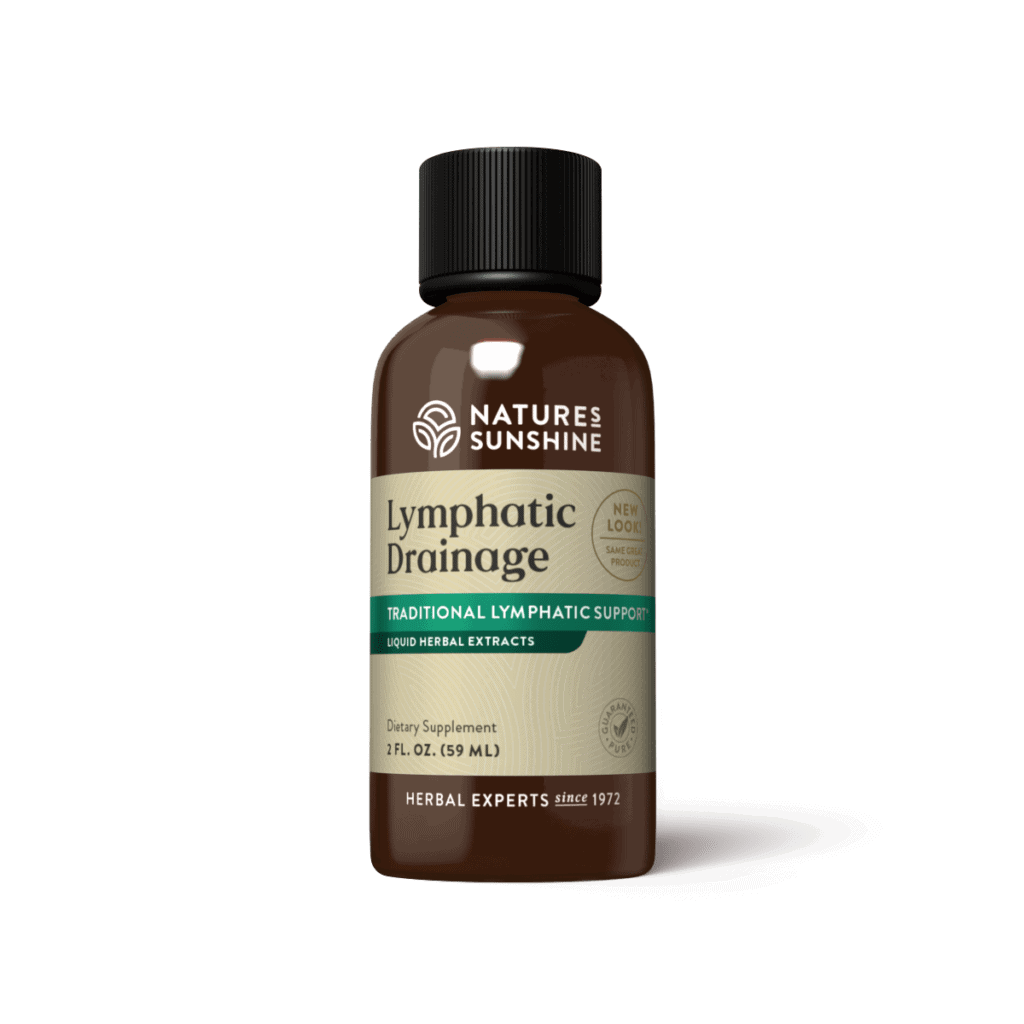
If you're considering a liquid herbal formula for lymphatic support, it's natural to wonder about Lymphatic Drainage drops side effects before you begin. Nature's Sunshine Lymphatic Drainage is a 2 fl oz liquid supplement designed to aid the proper dispersion of lymphatic fluid — the system responsible for removing waste from cellular metabolism and keeping the body healthy.
The formula brings together four traditional herbs — Cleavers aerial parts, Red clover blossom extract, Stillingia root, and Prickly ash bark — each with a long history in Western and Eclectic herbalism. While these botanicals are generally well-tolerated, every ingredient carries its own safety profile, and certain people should exercise caution.
Below we'll walk through what the existing evidence and traditional literature tell us about potential side effects, ingredient-by-ingredient safety considerations, and who should consult a healthcare professional before use. If you'd like personalized guidance, our naturopath is available for a free consultation.
Potential Side Effects and Safety Considerations
Understanding Lymphatic Drainage drops side effects means looking at each herb individually, since side-effect profiles vary across the four botanical ingredients in this formula.
Cleavers (Galium aparine)
Cleavers is generally regarded as safe, and according to naturopathic herbal reference sources, side effects are generally not seen in practice when used at recommended doses. However, potential side effects may include skin irritation, gastrointestinal discomfort, or allergic reactions — particularly in individuals with sensitive skin or existing allergies. Some people may experience contact dermatitis when handling the plant itself. Because Cleavers may increase urine production, it could potentially enhance the effects of diuretic medications, which may lead to dehydration or electrolyte imbalances if not monitored.
Red clover (Trifolium pratense)
Red clover extract was generally well-tolerated in the clinical studies reviewed. However, it contains phytoestrogens — isoflavones structurally similar to 17β-estradiol — which means people with hormone-sensitive conditions should exercise caution. Red clover may increase the effects of anticoagulant and antiplatelet drugs, and it inhibits several cytochrome P450 enzymes (CYP1A2, 2C8, 2C9, 2C19, 2D6, and 3A4), which may interact with substances metabolized by these enzymes. A case of subarachnoid hemorrhage was reported in a patient using a multi-herb supplement containing Red clover alongside anticoagulant-interacting herbs.
Stillingia Root (Stillingia sylvatica)
Stillingia root contains diterpene esters that can cause mucosal irritation and skin eruptions. Other reported side effects include vertigo, diarrhea, nausea, vomiting, muscle ache, pruritus, cough, fatigue, and sweating — particularly at higher doses or with prolonged use. The fresh root is considered more potent and potentially more irritant than the dried product. This herb is known to be potentially harsh on the gastrointestinal tract and mucous membranes.
Prickly ash Bark (Zanthoxylum spp.)
Prickly ash may increase stomach acid, which could decrease the effectiveness of antacids, H2-blockers, and proton pump inhibitors. It may also slow blood clotting. There is some concern that it might affect the liver, and taking iron supplements alongside Prickly ash may decrease iron absorption. Berries from the Z. americanum species contain furanocoumarins, which could theoretically increase photosensitivity, though this has not been directly studied in clinical supplementation contexts.
Who Should Avoid or Consult a Professional Before Using Lymphatic Drainage Drops
While the formula is intended to support overall health, well-being, and the circulatory system, several groups should speak with a healthcare provider — or take advantage of our free naturopathic consultation — before beginning use:
- Pregnant or nursing women: Cleavers is not recommended during pregnancy due to limited safety data. Red clover should not be used by pregnant or nursing women because of its phytoestrogenic and blood-thinning constituents. Stillingia is contraindicated during pregnancy and lactation. Prickly ash is considered unsafe during pregnancy as it might stimulate menstruation, and may cause colic in nursing infants.
- People taking anticoagulant or antiplatelet medications: Both Red clover and Prickly ash may increase bleeding risk. Prickly ash should be stopped at least 2 weeks before scheduled surgery.
- People taking diuretic medications: Cleavers may enhance diuretic effects, potentially leading to dehydration or electrolyte imbalances.
- Individuals with hormone-sensitive conditions: Red clover's isoflavones have estrogenic activity and may affect estrogen receptor-positive conditions. People with breast or uterine cancer should avoid Red clover.
- People with diabetes: Cleavers has been noted as contraindicated in diabetes due to its diuretic action.
- Individuals with impaired heart or kidney function: Those experiencing edema due to impaired heart or kidney function are cautioned about taking diuretics.
- People with liver disease: Prickly ash has been flagged for potential liver effects, and safety in severe liver or kidney disease has not been established for Red clover.
- Those taking medications metabolized by the liver: Red clover inhibits several CYP450 enzymes and may slow the breakdown of certain drugs, increasing their effects.
Seriously ill patients, such as those undergoing cancer treatment, are advised to work with a medical herbalist alongside their doctors to ensure all providers are aware of potential herb–drug interactions.
Key ingredients
- ✓ Free shipping over $75
- ✓ 90-day easy returns
- ✓ Ships within hours
How to Take Lymphatic Drainage Drops
Take 1 ml (approximately 15–20 drops, 1/4 teaspoon) in water twice daily.
If you're new to herbal lymphatic formulas or have any of the conditions mentioned above, we encourage you to reach out for a free naturopathic consultation before starting.
Written by Greg Howlett
Frequently asked questions
What are the most common Lymphatic Drainage drops side effects?
The individual herbs in this formula each have their own potential side effects. Cleavers is generally regarded as safe at recommended doses, though potential effects may include skin irritation, gastrointestinal discomfort, or allergic reactions. Stillingia root may cause mucosal irritation, nausea, vomiting, or diarrhea — particularly at higher doses. Red clover is typically well tolerated but carries theoretical risks related to its phytoestrogenic and blood-thinning properties. Prickly ash may increase stomach acid. If any of these effects occur, discontinue use and consult a healthcare provider.
Can I take Lymphatic Drainage drops if I'm pregnant or breastfeeding?
This formula is not recommended during pregnancy or breastfeeding. Cleavers lacks sufficient safety data for pregnancy. Red clover contains phytoestrogens and blood-thinning constituents that make it unsuitable for pregnant or nursing women. Stillingia is contraindicated during pregnancy and lactation. Prickly ash is considered unsafe during pregnancy as it may stimulate menstruation, and may cause colic in nursing infants.
Will Lymphatic Drainage drops interact with my medications?
Several potential interactions exist. Cleavers may enhance the effects of diuretic medications. Red clover may increase the effects of anticoagulant and antiplatelet drugs and inhibits several CYP450 enzymes, potentially affecting how the liver breaks down certain medications. Prickly ash may slow blood clotting, decrease the effectiveness of antacids and acid-reducing medications, and reduce iron absorption. If you take prescription medications, speak with your healthcare provider or schedule a free consultation with our naturopath before use.
Is there clinical research supporting Lymphatic Drainage drops?
The four herbs in this formula — Cleavers, Red clover, Stillingia, and Prickly ash — have centuries of documented traditional use as lymphatic tonics in Western, Eclectic, and Native American herbal medicine. Phytochemical studies confirm that these herbs contain constituents consistent with their traditional applications, and some preclinical laboratory research has explored their immunomodulatory, diuretic, and anti-inflammatory properties. However, no clinical trials specifically evaluating lymphatic outcomes for any of these herbs have been published.
Should people with hormone-sensitive conditions avoid this formula?
Caution is warranted. Red clover contains isoflavones — phytoestrogens structurally similar to human estrogen — that bind estrogen receptors. People with breast or uterine cancer, or other hormone-sensitive conditions, should avoid Red clover. In vitro studies have shown that Red clover extract may stimulate proliferation of estrogen receptor-positive breast cancer cells, though other in vitro studies showed Red clover isoflavones did not promote cancer cell growth and instead induced decreased proliferation. The clinical net effect in cancer patients has not been adequately characterized. Consult your healthcare provider.
How much should I take and how often?
The product directions state: Take 1 ml (approximately 15–20 drops, 1/4 teaspoon) in water twice daily. Do not exceed the suggested serving without consulting a healthcare professional.
Talk to Dr. Shannyn Fowl
Not sure if this is right for you? Book a free, no-pressure consultation for personalized guidance on your health goals.
Book your free consult →About Caring Sunshine
A family-run reseller of premium supplements — free shipping, a 90-day guarantee, and real people who know the products.
Learn more about us →