
Lymphatic Drainage Drops Reviews | Nature’s Sunshine
In-depth Lymphatic Drainage drops reviews covering key herbal ingredients, traditional uses for lymphatic health, and how this formula supports fluid balance.
Lymphatic Drainage Drops Reviews: What This Formula Is and Why It Matters
The lymphatic system plays a quiet but vital role in overall wellness — it helps keep the body healthy by removing waste from cellular metabolism. When lymphatic fluid doesn't move efficiently, you may feel sluggish, puffy, or simply not your best. That's the challenge Nature's Sunshine Lymphatic Drainage was designed to address.
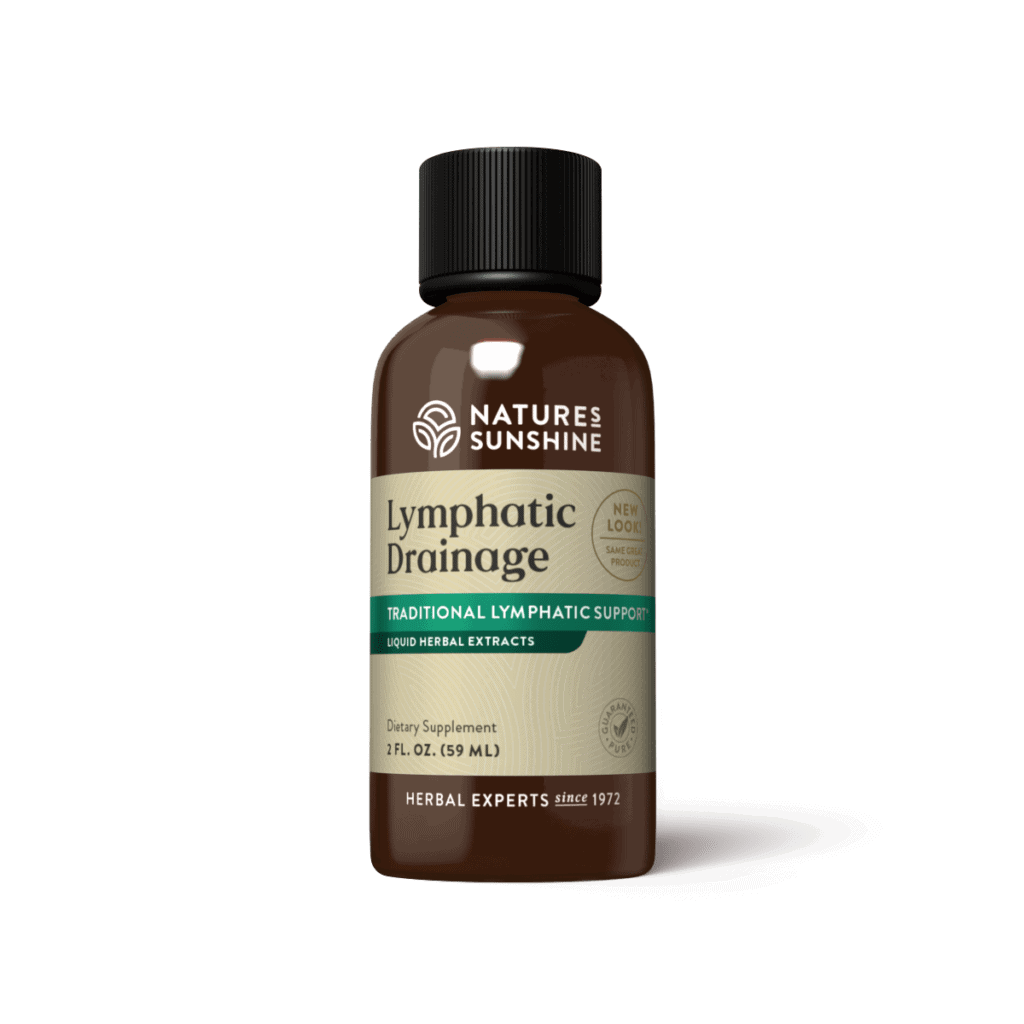
This 2 fl oz liquid formula (Stock No. 3171-7) contains nutrients historically valued for aiding the proper dispersion of lymphatic fluid. Rather than relying on a single botanical, it brings together four time-tested herbs — Cleavers, Red clover, Stillingia root, and Prickly ash bark — each with a long tradition of use in supporting the lymphatic and circulatory systems.
In our Lymphatic Drainage drops reviews research, the consistent theme is that these four herbs have been cornerstones of Western, Eclectic, and Native American herbal practice for centuries, specifically for promoting lymphatic flow, supporting fluid balance, and encouraging overall well-being. If you'd like personalized guidance on whether this formula fits your health goals, our naturopath is available for a free consultation.
How the Formula Supports Lymphatic Health and Fluid Balance
Nature's Sunshine Lymphatic Drainage takes a multi-herb approach, combining botanicals that have traditionally been used to target several related body systems at once:
- Lymphatic movement: Cleavers, Red clover, Stillingia root, and Prickly ash bark are all historically classified as lymphatic tonics or lymphatic stimulants in professional herbal materia medica sources. Together, they were traditionally used to encourage lymph fluid movement, help drain congested lymph nodes, and support detoxification.
- Fluid balance: Cleavers in particular has one of the best-attested traditional reputations as a gentle diuretic — historically used for edema, dropsical swellings, and water weight. Preclinical animal studies have confirmed increased urinary volume with Cleavers extracts, though human clinical trials are lacking.
- Circulatory support: Prickly ash bark is traditionally classified as a circulatory stimulant, while Red clover has been used as an alterative that traditionally supports the detoxification functions of the liver and lymphatic systems.
It's important to note that while these herbs carry centuries of traditional use and some preclinical laboratory support, large-scale human clinical trials specifically evaluating lymphatic outcomes have not been published. The evidence is primarily traditional and historical.
Key Ingredients
- ✓ Free shipping over $75
- ✓ 90-day easy returns
- ✓ Ships within hours
Who May Benefit from Lymphatic Drainage Drops
Based on the traditional uses of its four herbal ingredients, Nature's Sunshine Lymphatic Drainage may be worth exploring if you're interested in:
- Supporting lymphatic flow: Those who feel sluggish or congested and are looking for traditional herbal support for their lymphatic system.
- Promoting healthy fluid balance: Individuals dealing with occasional water retention who want a gentle, traditionally used botanical approach.
- Overall well-being and circulatory support: The formula is highlighted for overall health and well-being and for aiding the circulatory system.
Because lymphatic health is interconnected with so many body systems — immune function, skin health, fluid balance, and more — many people find that supporting the lymphatic system can feel like a whole-body reset. If you're unsure whether this formula is right for your individual needs, our naturopath offers free consultations and can help you think through your options.
How to Take Lymphatic Drainage Drops
Take 1 ml (approximately 15–20 drops, 1/4 teaspoon) in water twice daily.
The liquid format makes this formula easy to adjust and convenient to incorporate into a daily routine. Simply add the drops to a glass of water and drink.
Important safety notes from the ingredient research: Cleavers has been noted as contraindicated in diabetes due to its diuretic action, and is not recommended during pregnancy due to limited safety data. Stillingia is contraindicated during pregnancy or lactation. Prickly ash should not be used during pregnancy, and caution is advised for those on anticoagulant therapy. Red clover should not be used by pregnant or nursing women or by those with hormone-sensitive conditions, due to its phytoestrogenic constituents. If you take prescription medications — especially diuretics, blood thinners, or hormone-related drugs — please consult a healthcare professional before starting this supplement.
Written by Greg Howlett
Frequently asked questions
What does Nature's Sunshine Lymphatic Drainage do?
Nature's Sunshine Lymphatic Drainage contains nutrients to aid the proper dispersion of lymphatic fluid. The lymphatic system helps keep the body healthy by removing waste from cellular metabolism, and this formula is designed to support that process for better overall well-being. It also aids the circulatory system. The four herbs — Cleavers, Red clover, Stillingia root, and Prickly ash bark — are all traditionally classified as lymphatic tonics or lymphatic stimulants in Western herbalism.
Is there scientific evidence that these herbs support Lymphatic Drainage?
The lymphatic tonic effects of all four ingredients are supported by long-standing traditional use across European, Native American, and Eclectic medical traditions. Modern phytochemical studies have confirmed that Cleavers contains iridoids, flavonoids, coumarins, and other constituents with antioxidant and immunomodulatory activity in laboratory studies. Red clover's isoflavones and coumarins are believed to support fluid movement through lymphatic tissues. However, no clinical trials specifically evaluating lymphatic outcomes have been published for any of these herbs. The evidence is primarily traditional and historical, with indirect support from preclinical research.
How do I take the Lymphatic Drainage drops?
Take 1 ml (approximately 15–20 drops, 1/4 teaspoon) in water twice daily. The liquid format allows for easy dosing — simply measure with the dropper and stir into a glass of water.
Are there any safety concerns or contraindications?
Cleavers is generally regarded as safe at recommended doses but is contraindicated in diabetes due to its diuretic action, and is not recommended during pregnancy. Cleavers may also enhance the effects of diuretic medications. Stillingia is contraindicated during pregnancy or lactation. Prickly ash should not be used during pregnancy and is contraindicated for those on anticoagulant therapy. Red clover should not be used by pregnant or nursing women or by those with hormone-sensitive conditions such as breast or uterine cancer. If you take prescription medications, consult a healthcare professional before use.
Can Cleavers help with water retention?
Diuresis and fluid balance is one of the best-attested traditional actions of Cleavers, historically used for edema, dropsical swellings, and water weight. Preclinical animal studies have confirmed increased urinary volume with Cleavers extracts. However, there are no published randomized clinical trials evaluating Cleavers as a diuretic in humans, so the evidence remains traditional.
Can I get personalized advice on lymphatic support?
Absolutely. We offer free naturopathic consultations — our naturopath can review your individual health picture and help you determine whether Lymphatic Drainage or another approach might be the best fit for your goals. No appointment fee, no obligation.
Talk to Dr. Shannyn Fowl
Not sure if this is right for you? Book a free, no-pressure consultation for personalized guidance on your health goals.
Book your free consult →About Caring Sunshine
A family-run reseller of premium supplements — free shipping, a 90-day guarantee, and real people who know the products.
Learn more about us →