
Lymphatic Drainage Benefits | Nature’s Sunshine
Explore Lymphatic Drainage benefits with Cleavers, Red clover, Stillingia root & Prickly ash bark. Learn how these herbs traditionally support lymphatic health.
Understanding Lymphatic Drainage Benefits
Your lymphatic system works quietly behind the scenes, helping remove waste from cellular metabolism and keeping your body's internal environment balanced. When this network of vessels, nodes, and fluid functions well, it supports your overall well-being. When it becomes sluggish or congested, you may notice fluid retention, swelling, or a general sense of feeling "off."
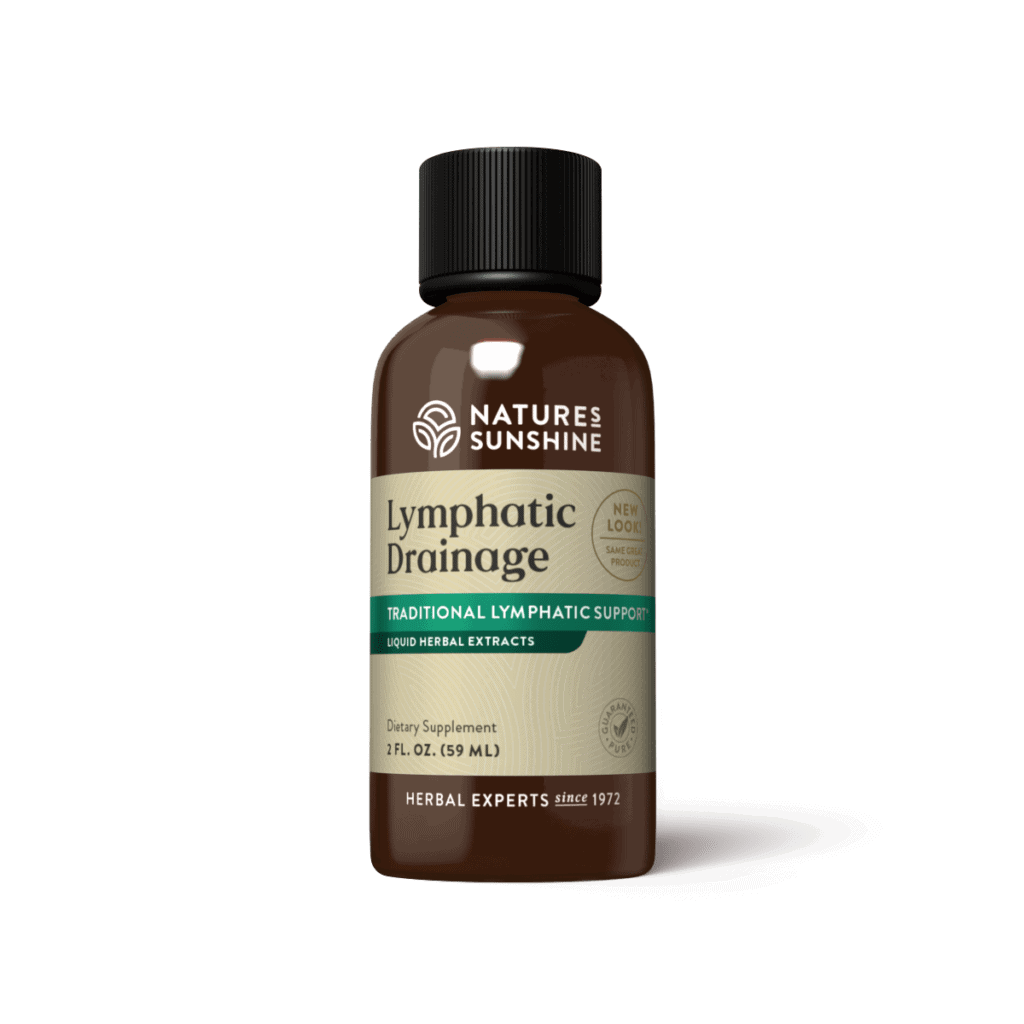
Nature's Sunshine Lymphatic Drainage is a 2 fl oz liquid formula containing nutrients historically valued for their ability to aid the proper dispersion of lymphatic fluid. Built on a tradition of Western herbalism that stretches back centuries, this blend brings together four time-honored botanicals — Cleavers aerial parts, Red clover blossom extract, Stillingia root, and Prickly ash bark — each with a long history of use as a lymphatic tonic.
If you'd like personalized guidance on whether a lymphatic support formula fits your wellness routine, our naturopath is available for a free consultation — no appointment fees, no strings attached.
How These Herbs May Support Lymphatic Health
The concept of a "lymphatic tonic" has deep roots in European, Native American, and Eclectic medical traditions. Herbalists in these systems classified certain plants as alteratives — herbs believed to support the body's eliminative channels, particularly the lymphatic system, skin, and kidneys. All four ingredients in Lymphatic Drainage carry this traditional classification.
Cleavers, the lead herb in this formula, has been historically described as cooling, diuretic, and lymphatic — traditionally used to encourage lymph fluid movement and help drain congested lymph nodes. Red clover has longstanding use in Western herbalism as a blood purifier and alterative, traditionally recommended for swollen glands and chronic lymphatic congestion. Stillingia root was described by 19th-century Eclectic physicians as having lymphatic-cleansing action they considered "unsurpassed." Prickly ash bark is classified as a lymphatic stimulant in multiple professional herbal materia medica, traditionally valued for its stimulating effect on the lymphatic system, circulation, and mucous membranes.
Together, these four herbs represent a classic combination approach — addressing lymphatic stagnation, fluid balance, and overall circulatory support through complementary traditional actions. It's important to note that while these herbs have centuries of documented traditional use and some supportive preclinical research, large-scale human clinical trials specifically evaluating lymphatic outcomes have not been published.
Key ingredients
- ✓ Free shipping over $75
- ✓ 90-day easy returns
- ✓ Ships within hours
Who May Benefit from Lymphatic Drainage Support
This formula is traditionally suited for adults looking to support the body's natural lymphatic processes. Historically, herbalists have recommended lymphatic tonics like these for people experiencing occasional fluid retention, a sense of sluggishness, or those simply wanting to support the circulatory system and overall well-being — particularly during seasonal transitions when spring "cleansing" tonics were traditionally prepared.
Cleavers, in particular, was historically harvested and consumed as a fresh spring tonic, a tradition recorded as far back as the Roman naturalist Pliny the Elder. The formula's combination of lymphatic herbs, diuretic botanicals, and circulatory stimulants makes it a comprehensive option for those drawn to traditional herbal approaches to fluid balance and lymphatic health.
Because this formula contains herbs with diuretic properties and active botanical compounds, it's important to review the safety considerations for each ingredient. Individuals who are pregnant, nursing, taking anticoagulant medications, or managing hormone-sensitive conditions should consult a healthcare professional before use. Our naturopath is happy to help you think through whether this formula is appropriate for your situation — consultations are always free.
How to Take Lymphatic Drainage
Take 1 ml (approximately 15–20 drops, 1/4 teaspoon) in water twice daily.
Each bottle provides 2 fl oz of liquid extract with a serving size of 1 mL, making it easy to incorporate into your daily routine. Simply add the drops to a small glass of water and drink.
Written by Greg Howlett
Frequently asked questions
What are the main Lymphatic Drainage benefits of this formula?
Nature's Sunshine Lymphatic Drainage contains nutrients traditionally used to aid the proper dispersion of lymphatic fluid. The lymphatic system helps keep the body healthy by removing waste from cellular metabolism. This formula combines four herbs — Cleavers, Red clover, Stillingia root, and Prickly ash bark — each historically classified as a lymphatic tonic or alterative in Western herbal medicine. These herbs have traditionally been used to support lymphatic health, encourage fluid balance, and aid the circulatory system. It's worth noting that while these herbs have extensive traditional documentation across multiple cultures and some supportive preclinical research, clinical trials specifically evaluating lymphatic outcomes in humans have not been published.
What is Cleavers and why is it used for lymphatic support?
Cleavers (Galium aparine) is considered the primary lymphatic tonic in Western herbal medicine, with thousands of years of cross-cultural use to encourage lymph fluid movement, drain congested lymph nodes, and support detoxification. It contains coumarins that traditionally promote Lymphatic Drainage, along with flavonoids, iridoid glycosides, and tannins. Laboratory studies have confirmed antioxidant activity and immunomodulatory properties, including stimulation of immunocompetent blood cells. Preclinical animal studies confirm its traditional diuretic activity with increased urinary volume. Cleavers is generally regarded as safe at recommended doses, though it may interact with diuretic medications and is traditionally contraindicated during pregnancy.
Can this formula help with water retention?
Cleavers, one of the primary ingredients, has one of its best-attested traditional actions as a gentle diuretic, historically used for edema, dropsical swellings, and water weight. Preclinical animal studies have confirmed increased urinary volume with Cleavers extracts. However, human clinical trials evaluating Cleavers as a diuretic are lacking. Because this herb may enhance the effects of diuretic medications and could affect electrolyte balance, anyone currently taking diuretics or managing heart or kidney conditions should speak with a healthcare provider before use.
Are there any safety concerns with these ingredients?
Each ingredient has its own safety profile to consider. Cleavers is generally regarded as safe at recommended doses but may interact with diuretic medications and is not recommended during pregnancy. Red clover contains phytoestrogens and should be avoided by pregnant or nursing women and those with hormone-sensitive conditions; it may also interact with anticoagulant drugs and medications metabolized by certain liver enzymes. Stillingia root can cause gastrointestinal distress in large doses and is contraindicated during pregnancy and lactation. Prickly ash bark is contraindicated during pregnancy, for those on anticoagulant therapy, and should be stopped at least two weeks before scheduled surgery. We always encourage consulting with a healthcare professional before starting any new supplement — and our naturopath is available for a free consultation to discuss any questions.
How does the lymphatic system affect overall health?
The lymphatic system helps keep the body healthy by removing waste from cellular metabolism. It plays a key role in fluid balance, immune function, and the body's natural detoxification processes. When lymphatic flow becomes sluggish or congested, it may contribute to fluid retention and a general sense of reduced well-being. The herbs in this formula — Cleavers, Red clover, Stillingia root, and Prickly ash bark — have each been traditionally used to support the lymphatic system, aid the circulatory system, and promote overall health and well-being.
Is there scientific research supporting these herbs for lymphatic health?
The lymphatic tonic properties of these herbs are supported by long-standing traditional use across European, Native American, and Eclectic medical systems — in some cases stretching back thousands of years. Modern phytochemical research has identified bioactive constituents consistent with these traditional claims: Cleavers contains coumarins, flavonoids, and immunomodulatory polysaccharides; Red clover provides isoflavones and coumarins; Stillingia contains diterpene esters and tannins; and Prickly ash bark provides alkaloids, sanshools, and coumarins. Preclinical laboratory studies have demonstrated antioxidant, immunomodulatory, and diuretic activity for several of these herbs. However, clinical trials specifically evaluating lymphatic outcomes in humans have not been published for any of these ingredients, so the evidence remains primarily traditional with indirect laboratory support.
Talk to Dr. Shannyn Fowl
Not sure if this is right for you? Book a free, no-pressure consultation for personalized guidance on your health goals.
Book your free consult →About Caring Sunshine
A family-run reseller of premium supplements — free shipping, a 90-day guarantee, and real people who know the products.
Learn more about us →