
Lymphatic Drainage at Home | Nature’s Sunshine Guide
Discover how to support Lymphatic Drainage at home with Nature's Sunshine's herbal formula featuring Cleavers, Red clover, Stillingia root, and Prickly ash bark.
Lymphatic Drainage at Home: Supporting Your Body's Natural Cleansing System
Your lymphatic system works quietly behind the scenes, carrying away cellular waste, excess fluid, and metabolic byproducts to keep tissues healthy and balanced. Unlike the cardiovascular system, which has the heart as its pump, the lymphatic system relies on movement, muscle contractions, and the body's own chemistry to keep fluid flowing. When lymphatic function slows, fluid can accumulate and waste removal may become sluggish.
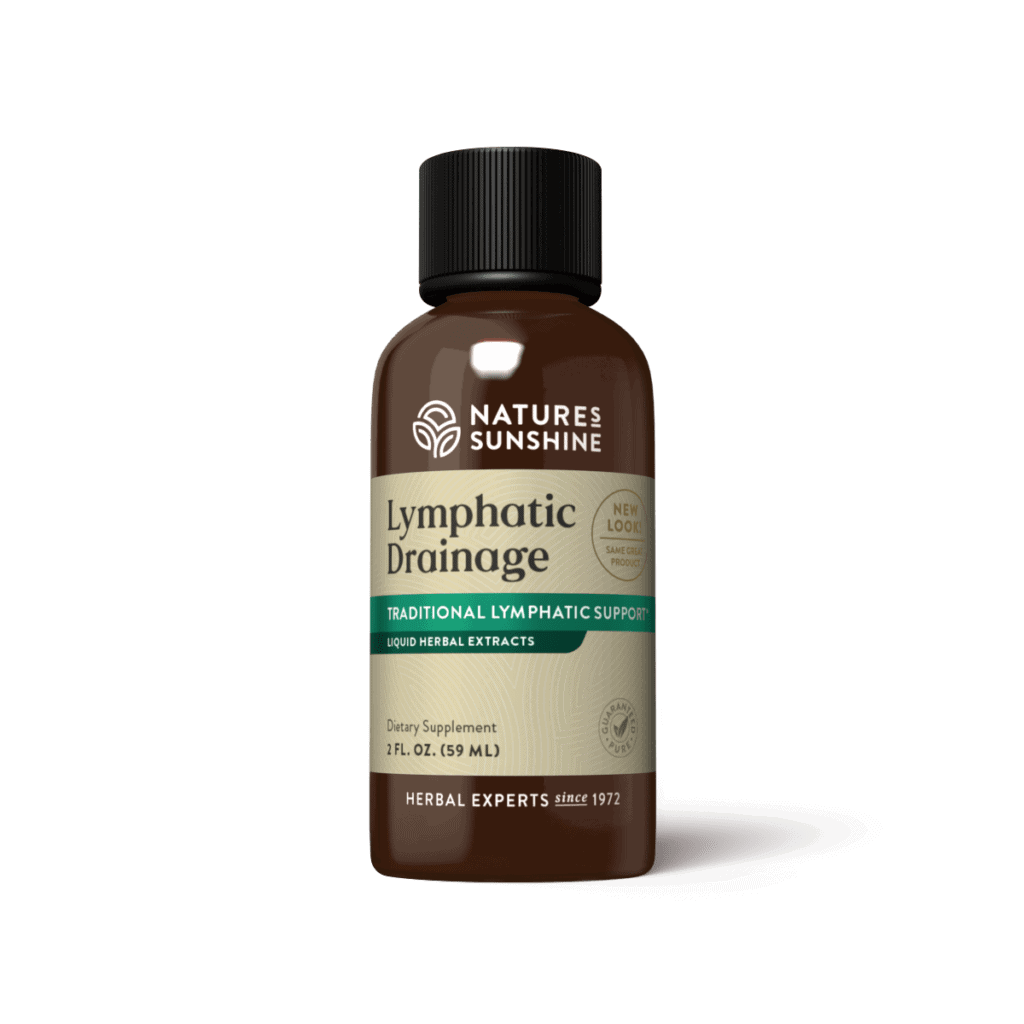
Nature's Sunshine Lymphatic Drainage is a liquid herbal formula designed to aid the proper dispersion of lymphatic fluid. It combines four botanicals — Cleavers aerial parts, Red clover blossom extract, Stillingia root, and Prickly ash bark — each with a deep history of traditional use as lymphatic tonics and circulatory supporters. For anyone interested in Lymphatic Drainage at home, this convenient liquid extract can be added to water and taken as part of a daily wellness routine.
A Tradition-Rooted Approach to Lymphatic Support
Each of the four herbs in this formula has been traditionally classified as a lymphatic tonic, alterative, or circulatory stimulant — categories that Western and naturopathic herbalists have relied on for centuries to address sluggish lymph flow, fluid retention, and general detoxification.
Cleavers has historically been considered the premier lymphatic herb in Western herbal medicine, traditionally used to encourage lymph fluid movement and drain congested lymph nodes. Red clover has long been recommended by herbalists as a blood purifier and alterative that traditionally supports the detoxification functions of the liver and lymphatic systems. Stillingia root was described in 19th-century Eclectic medicine as having an action on the lymphatic system that was "unsurpassed," while Prickly ash bark is classified as a lymphatic stimulant in multiple professional herbal materia medica sources, traditionally valued for its stimulating effect on the lymphatic system, circulation, and mucous membranes.
It is important to note that while these herbs have extensive and consistent traditional use for lymphatic support, modern clinical trials specifically evaluating lymphatic outcomes in humans have not been published. The traditional evidence, however, is cross-cultural and centuries deep, and preclinical research on individual constituents has begun to shed light on possible mechanisms.
Key Ingredients
- ✓ Free shipping over $75
- ✓ 90-day easy returns
- ✓ Ships within hours
Who May Benefit from Lymphatic Drainage at Home
This formula is designed for adults looking to support their overall health and well-being by promoting healthy lymphatic function. You may find it especially relevant if you are interested in:
- Lymphatic support — those seeking to encourage the body's natural process of dispersing lymphatic fluid and removing cellular metabolic waste
- Fluid balance — individuals who want to support healthy water balance, as several ingredients in this formula (particularly Cleavers) have traditionally been used as gentle diuretics for fluid retention
- Circulatory wellness — the formula traditionally aids the circulatory system, with Prickly ash bark historically used to stimulate peripheral circulation
- Seasonal cleansing routines — Cleavers has been traditionally harvested and used as a spring tonic and alterative across multiple cultures
If you have specific health concerns or are unsure whether this product is right for you, our naturopath is available for a free consultation to help you find a personalized approach.
How to Take Lymphatic Drainage
Take 1 ml (approximately 15–20 drops, 1/4 teaspoon) in water twice daily.
Each bottle provides 2 fl oz of liquid extract, making it easy to incorporate Lymphatic Drainage at home into your daily routine. Simply measure your serving and stir it into a glass of water.
Written by Greg Howlett
Frequently asked questions
What is the lymphatic system and why does it matter?
The lymphatic system helps keep the body healthy by removing waste from cellular metabolism. It is a network of tissues, vessels, and organs that work together to move lymph fluid through the body, supporting immune function and fluid balance. Nature's Sunshine Lymphatic Drainage aids this process for better overall well-being.
What herbs are in this Lymphatic Drainage formula?
Lymphatic Drainage contains four herbs: Cleavers aerial parts, Red clover blossom extract, Stillingia root, and Prickly ash bark — each at 300 mg per serving. All four have been traditionally used as lymphatic tonics or alteratives in Western herbal medicine.
Is there clinical evidence that these herbs support lymphatic function?
The lymphatic tonic effects of these herbs are supported by long-standing, cross-cultural traditional use rather than human clinical trials. Preclinical laboratory studies have demonstrated immunomodulatory and anti-inflammatory activity for several of the ingredients, providing indirect mechanistic support, but no clinical trials specifically evaluating lymphatic outcomes have been published.
How do I take Lymphatic Drainage?
Take 1 ml (approximately 15–20 drops, or 1/4 teaspoon) in water twice daily. The liquid format makes it easy to add to a glass of water as part of your daily routine.
Are there any safety considerations I should be aware of?
Cleavers may interact with diuretic medications and is noted as contraindicated in diabetes due to its diuretic action and during pregnancy due to limited safety data. Red clover should be avoided by pregnant or nursing women and those with hormone-sensitive conditions. Stillingia is contraindicated during pregnancy or lactation. Prickly ash is contraindicated during pregnancy and for those on anticoagulant therapy. If you take medications, are pregnant or nursing, or have a health condition, consult a healthcare professional before use. Our naturopath is available for a free consultation.
Can I get personalized guidance on supporting my lymphatic health?
Absolutely. We offer free naturopathic consultations where you can discuss your individual wellness goals and get personalized recommendations. Our naturopath can help you determine how this formula fits into a broader approach to supporting your lymphatic system and overall health.
Talk to Dr. Shannyn Fowl
Not sure if this is right for you? Book a free, no-pressure consultation for personalized guidance on your health goals.
Book your free consult →About Caring Sunshine
A family-run reseller of premium supplements — free shipping, a 90-day guarantee, and real people who know the products.
Learn more about us →