
Liquid Chlorophyll Side Effects | Safety Guide
Explore Liquid Chlorophyll side effects, safety considerations, drug interactions, and what to expect. An evidence-based guide from our family-owned store.
What Is Liquid Chlorophyll and Why Understanding Its Side Effects Matters
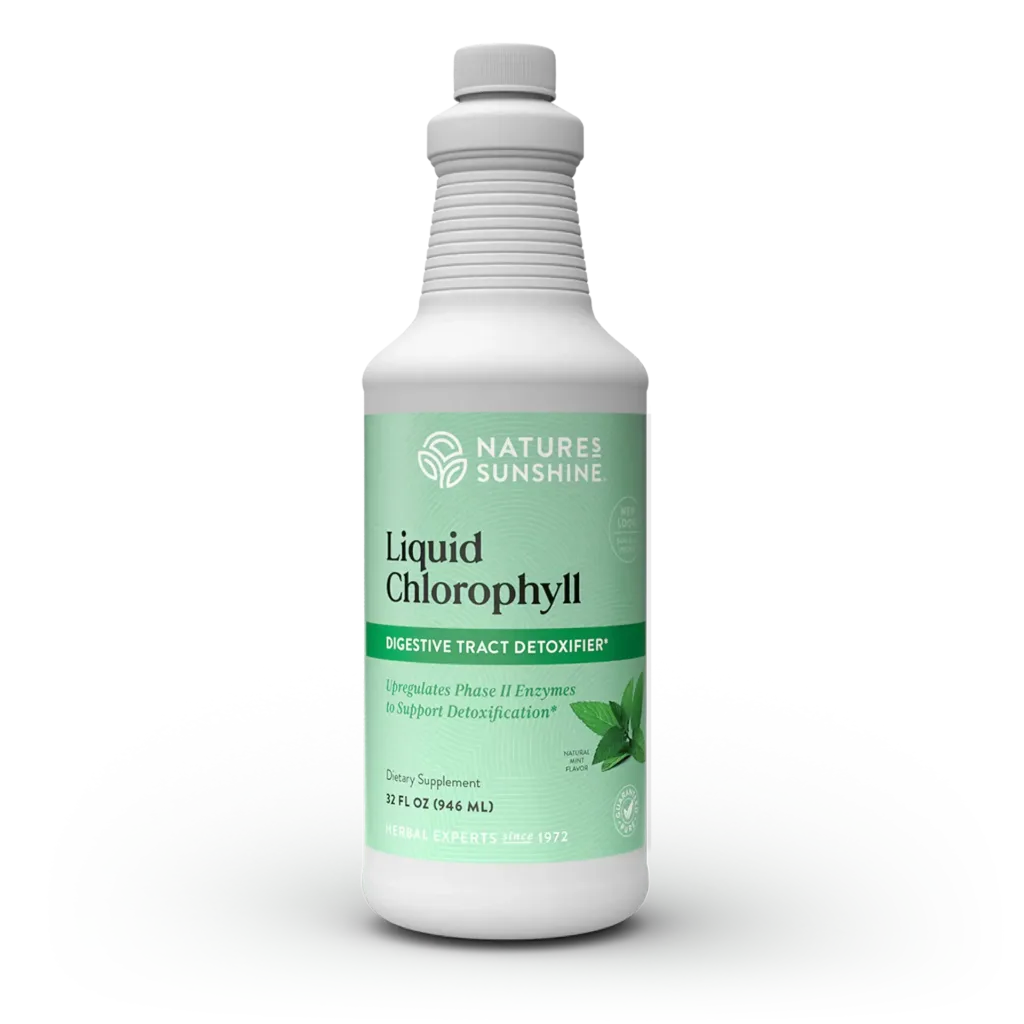
Liquid Chlorophyll supplements have become a popular way to support natural blood-cleansing processes, encourage proper immune response, and act as a natural deodorizer. But as with any supplement, understanding potential Liquid Chlorophyll side effects is an important part of making an informed decision about your wellness routine.
Most commercial Liquid Chlorophyll products — including Nature's Sunshine Liquid Chlorophyll — actually contain sodium copper chlorophyllin, a semisynthetic, water-soluble derivative of natural Chlorophyll. In chlorophyllin, the central magnesium atom found in plant Chlorophyll is replaced by copper, and the fat-soluble phytol tail is removed, making it dissolve cleanly in water. This structural change is what allows you to stir it into a glass of cold water.
Natural chlorophylls are not known to be toxic, and no toxic effects have been attributed to chlorophyllin despite more than 50 years of clinical use in humans. The U.S. Food and Drug Administration recognizes chlorophylls as safe for use in foods, and EFSA has concluded that chlorophylls as food additives do not pose safety concerns at reported usage levels. Still, a handful of side effects and safety considerations are worth knowing about.
Liquid Chlorophyll Side Effects You May Experience
While Liquid Chlorophyll has a strong overall safety record, several side effects have been documented in the literature. Most are mild and cosmetic rather than medically concerning.
Green, Yellow, or Black Discoloration
The most commonly reported Liquid Chlorophyll side effect is green discoloration of urine or feces. Some users also experience yellow or black discoloration of the tongue. These color changes are harmless and result from the pigment passing through your system — they are not a sign of a health problem.
Occasional Digestive Upset
There have been occasional reports of diarrhea related to oral sodium copper chlorophyllin use. If you experience digestive discomfort, you may want to try a smaller serving or take it with food.
False Positive on Stool Tests
An important but often overlooked side effect: oral chlorophyllin may result in false positive results on guaiac card tests for occult blood. If you are scheduled for stool-based screening, let your healthcare provider know you take Liquid Chlorophyll.
Photosensitivity
Chlorophyllin retains some of Chlorophyll's natural ability to act as a photosensitizer. While this property is exploited therapeutically in photodynamic therapy applications, it may represent a risk consideration for individuals with photosensitivity conditions who are taking high supplemental doses.
Who Should Use Caution with Liquid Chlorophyll
Pregnancy and Lactation
The safety of Chlorophyll or chlorophyllin supplements has not been tested in pregnant or lactating women. For this reason, they should be avoided during pregnancy and lactation.
Wilson's Disease and Copper Metabolism Disorders
Because sodium copper chlorophyllin contains copper as its central metal atom, individuals with rare disorders of copper metabolism — such as Wilson's disease — should limit their exposure to copper additives, including supplemental chlorophyllin.
Drug Interactions
A case of delayed methotrexate clearance was reported following administration of a complementary medication containing Chlorophyll, suggesting a potential pharmacokinetic interaction with at least one chemotherapy agent. While this remains an isolated case report, it highlights the importance of discussing Liquid Chlorophyll with your healthcare provider if you take prescription medications.
Additionally, chlorophylls and sodium copper chlorophyllin form tight molecular complexes with certain chemicals. Carefully controlled studies have not been undertaken to determine whether a similar mechanism might limit uptake of required nutrients or co-administered medications.
EFSA Regulatory Note on Copper Chlorophyllin
It is worth noting that EFSA's Panel on Food Additives found that reliable data on absorption, metabolism, genotoxicity, carcinogenicity, and reproductive and developmental toxicity of copper chlorophyllin complexes (E141ii) are still insufficient. As a result, the existing ADI for E141ii was withdrawn. While no specific safety concern was identified, the panel noted that the safety of the substance cannot be considered definitively established. In the European Union, E141ii continues to be authorized for use under "quantum satis" conditions.
If you have questions about whether Liquid Chlorophyll is right for you — especially if you have an existing health condition or take medications — our naturopath is available for a free consultation to help you think it through.
How Nature's Sunshine Liquid Chlorophyll Supports Your Body
Despite the side effects worth knowing about, Liquid Chlorophyll has a long track record of safe use. Nature's Sunshine Liquid Chlorophyll is designed to support your body in several ways:
- Supports natural blood-cleansing processes
- Encourages proper immune response
- Strengthens the body on a cellular and molecular level
- Acts as a natural deodorizer
Chlorophyll has been marketed as an internal deodorant since the 1950s. One study published in 1980 found that chlorophyllin administration was "helpful in controlling body and fecal odors" in 62 geriatric nursing home patients. Another study in a small number of Japanese patients with trimethylaminuria found that oral sodium copper chlorophyllin significantly decreased urinary trimethylamine. However, modern evidence for this benefit in healthy people remains limited.
Traditionally, Chlorophyll's structural similarity to hemoglobin — both are tetrapyrrole ring structures — has led to the historical belief that Chlorophyll-rich preparations may support blood health. Chlorophyll has also been used traditionally as an internal cleanser and detoxifier, based on its documented ability to bind certain carcinogens and support liver detoxification enzyme pathways.
Research suggests that chlorophyllin may support the body's defenses against environmental toxins. A landmark randomized, placebo-controlled trial found that 100 mg chlorophyllin three times daily for four months produced a 55% reduction in urinary aflatoxin-DNA adduct biomarkers in a high-exposure population. A subsequent pharmacokinetic study confirmed that both Chlorophyll and chlorophyllin may reduce aflatoxin bioavailability.
How to Take Liquid Chlorophyll
Take 2 tablespoons (30mL) in an 8 fl oz glass of cold water daily. Refrigerate after opening.
Each 30 mL serving provides 90 mg of sodium copper chlorophyllin. The formula also contains spearmint aerial parts oil, which has historically been used for digestive comfort and as a flavoring agent.
No official recommended daily intake or tolerable upper intake level for Chlorophyll or chlorophyllin has been set by major regulatory bodies such as the NIH or EFSA for supplemental use. The Joint FAO/WHO Expert Committee on Food Additives has established an Acceptable Daily Intake of 0–15 mg/kg body weight for copper chlorophylls as a food additive.
Key ingredients
- ✓ Free shipping over $75
- ✓ 90-day easy returns
- ✓ Ships within hours
Written by Greg Howlett
Frequently asked questions
What are the most common Liquid Chlorophyll side effects?
The most commonly reported side effects of Liquid Chlorophyll (sodium copper chlorophyllin) are green discoloration of urine or feces, and yellow or black discoloration of the tongue. These color changes are harmless. Occasional diarrhea has also been reported. Oral chlorophyllin may cause false positive results on guaiac card tests for occult blood, so let your healthcare provider know if you are scheduled for stool-based screening.
Is Liquid Chlorophyll safe to take every day?
Natural chlorophylls are not known to be toxic, and no toxic effects have been attributed to chlorophyllin despite more than 50 years of clinical use in humans. The FDA recognizes chlorophylls as safe for use in foods, and EFSA has concluded that chlorophylls as food additives do not pose safety concerns at reported usage levels. However, no officially established recommended daily intake or tolerable upper intake level has been set for supplemental use. If you have specific health concerns, our naturopath can provide a free consultation.
Can I take Liquid Chlorophyll while pregnant or nursing?
The safety of Chlorophyll or chlorophyllin supplements has not been tested in pregnant or lactating women. For this reason, they should be avoided during pregnancy and lactation.
Does Liquid Chlorophyll interact with medications?
A case of delayed methotrexate clearance was reported following use of a Chlorophyll-containing supplement, suggesting a potential interaction with at least one chemotherapy agent. Chlorophylls also form tight molecular complexes with certain chemicals, and it has not been studied whether this mechanism could limit the uptake of co-administered medications. Always discuss supplementation with your healthcare provider if you take prescription medications.
Why does Liquid Chlorophyll turn my urine green?
Green discoloration of urine and feces is a well-documented and harmless side effect of oral sodium copper chlorophyllin. It simply means the green pigment is passing through your system. This is not a cause for medical concern.
Should people with Wilson's disease avoid Liquid Chlorophyll?
Yes. Sodium copper chlorophyllin contains copper as its central metal atom. Individuals with rare disorders of copper metabolism, such as Wilson's disease, should limit their exposure to copper additives, including supplemental chlorophyllin. Consult your healthcare provider before use.
Talk to Dr. Shannyn Fowl
Not sure if this is right for you? Book a free, no-pressure consultation for personalized guidance on your health goals.
Book your free consult →About Caring Sunshine
A family-run reseller of premium supplements — free shipping, a 90-day guarantee, and real people who know the products.
Learn more about us →