
Liquid Chlorophyll Benefits | Deep-Dive Guide
Explore Liquid Chlorophyll benefits for blood health, immune support, and whole body cleansing. Learn what chlorophyllin is, how it works, and how to use it.
Understanding Liquid Chlorophyll and Why It Matters
Chlorophyll is the green pigment found in plants that powers photosynthesis — the process of converting sunlight into energy. In the human body, Chlorophyll derivatives have been used for decades to support blood-cleansing processes, encourage a healthy immune response, and act as a natural internal deodorizer.
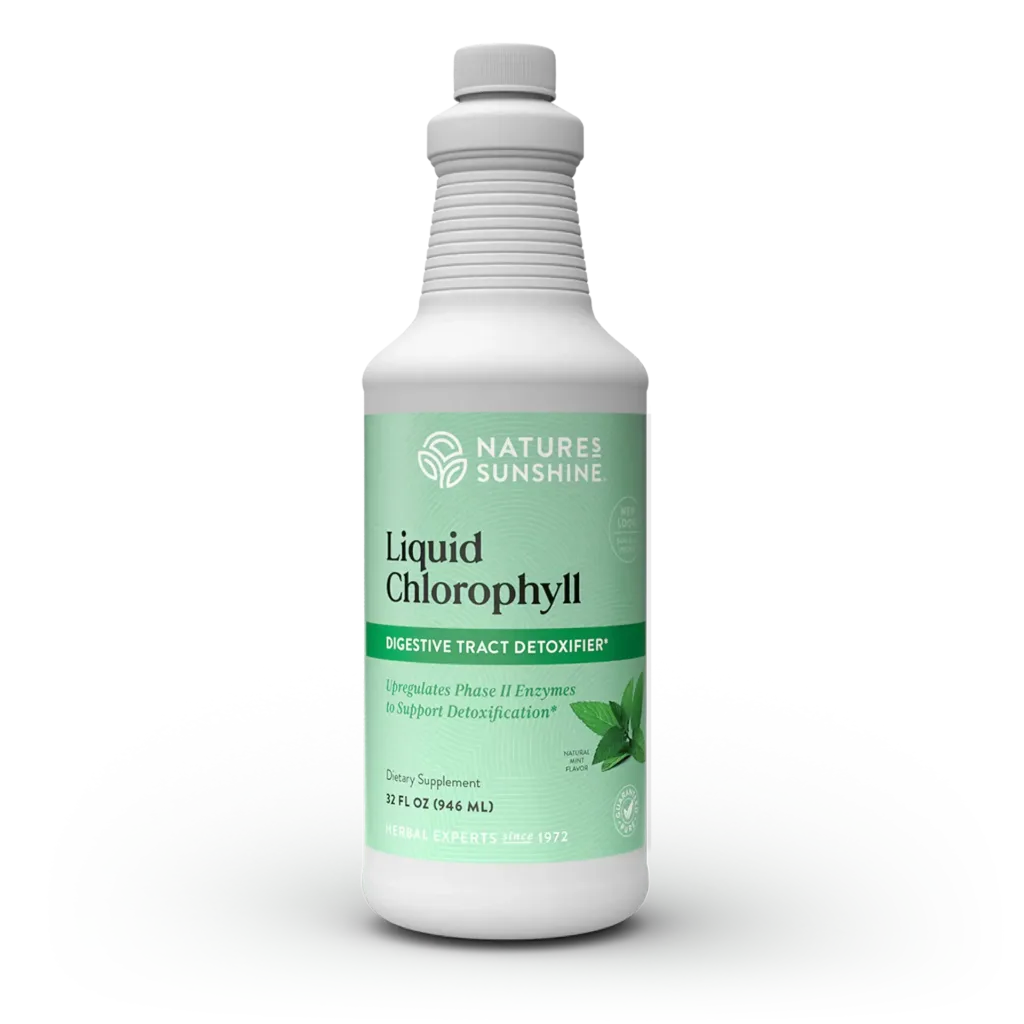
Most Liquid Chlorophyll supplements — including this Nature's Sunshine formula — contain sodium copper chlorophyllin (SCC), a semisynthetic, water-soluble derivative of Chlorophyll. In natural Chlorophyll, a magnesium atom sits at the center of a porphyrin ring with a fat-soluble phytol tail. Chlorophyllin replaces the magnesium with copper and removes the phytol tail, making the compound dissolve cleanly in water while preserving many of the bioactive properties of the parent molecule.
Chlorophylls are abundant in leafy greens like spinach, kale, and basil, and have been commercially extracted from alfalfa, grass, nettles, and spinach for supplemental use. Liquid Chlorophyll benefits have been recognized since at least the mid-twentieth century, when Chlorophyll derivatives were first documented for wound healing, inflammation reduction, and odor control.
The Science Behind Liquid Chlorophyll Benefits
Sodium copper chlorophyllin's bioactivity stems from its porphyrin ring structure, which allows it to function as a hydrogen donor, chelate reactive metal ions, and scavenge free radicals. These antioxidant properties help prevent oxidative DNA damage and lipid peroxidation by reducing reactive oxygen species (ROS).
One of the most well-studied mechanisms involves carcinogen binding. Chlorophyll and chlorophyllin form tight molecular complexes with certain chemicals known or suspected to cause cancer — including polyaromatic hydrocarbons found in tobacco smoke and aflatoxin B1. By binding these compounds in the gastrointestinal tract, chlorophyllin may interfere with their absorption, reducing the amount that reaches susceptible tissues.
Research also suggests chlorophyllin may modulate xenobiotic-metabolizing enzymes, including inhibition of cytochrome P450 enzymes and induction of phase 2 cytoprotective genes — a complementary detoxification pathway that helps the body process and eliminate harmful compounds.
If you have questions about how Liquid Chlorophyll might fit into your wellness routine, our naturopath offers free consultations and can help you understand these mechanisms in the context of your individual health goals.
Key Ingredients
- ✓ Free shipping on all orders
- ✓ 90-day easy returns
- ✓ Ships within hours
Who May Benefit from Liquid Chlorophyll
Liquid Chlorophyll benefits a wide range of people looking for gentle, plant-based nutritional support. This formula may be especially relevant for those interested in:
- Blood and cellular health — individuals drawn to Chlorophyll's traditional association with blood nourishment, rooted in its structural similarity to hemoglobin
- Internal cleansing — anyone seeking to support the body's natural detoxification processes, particularly liver and GI-tract health
- Immune support — people looking for a daily tonic traditionally used to encourage healthy immune response
- Natural freshness — those interested in chlorophyllin's long history as an internal deodorizer
Because chlorophyllin has not been tested for safety in pregnant or lactating women, it should be avoided during pregnancy and lactation. Individuals with Wilson's disease or other rare disorders of copper metabolism should limit exposure to copper-containing supplements, including sodium copper chlorophyllin. As always, our naturopath is available for a free consultation to help you determine whether this product aligns with your needs.
How to Take Liquid Chlorophyll
Take 2 tablespoons (30 mL) in an 8 fl oz glass of cold water daily. Refrigerate after opening.
The formula mixes easily into water thanks to chlorophyllin's water-soluble structure. Many people enjoy making it part of their morning routine — a simple, refreshing way to start the day. The spearmint aerial parts oil provides a clean, pleasant taste.
Note that oral chlorophyllin may cause green discoloration of urine or feces, or yellow or black discoloration of the tongue — these are harmless cosmetic effects, not cause for concern. Occasional reports of mild diarrhea have also been noted. Oral chlorophyllin may result in false positive results on guaiac card tests for occult blood, so let your healthcare provider know if you are scheduled for this type of screening.
Written by Greg Howlett
Frequently asked questions
What are the main Liquid Chlorophyll benefits?
Liquid Chlorophyll — typically delivered as sodium copper chlorophyllin — supports natural blood-cleansing processes, encourages proper immune response, strengthens the body on a cellular and molecular level, and acts as a natural internal deodorizer. Research suggests it may bind certain dietary carcinogens in the gastrointestinal tract, reducing their absorption, and it has traditionally been used as a whole-body cleanser and detoxification support.
Is Liquid Chlorophyll the same as natural Chlorophyll from plants?
Not exactly. Most Liquid Chlorophyll supplements contain chlorophyllin, a semisynthetic derivative in which the central magnesium atom of natural Chlorophyll is replaced by copper and the fat-soluble phytol tail is removed. This makes chlorophyllin water-soluble so it dissolves cleanly into liquids. Natural Chlorophyll from food is fat-soluble and does not dissolve into water well. While the two share the same porphyrin ring structure and many bioactive properties, they are chemically distinct.
Is Liquid Chlorophyll safe to take daily?
Natural chlorophylls are not known to be toxic, and no toxic effects have been attributed to chlorophyllin despite more than 50 years of clinical use in humans. Common harmless side effects include green discoloration of urine or feces and occasional yellow or black discoloration of the tongue. However, pregnant or lactating women should avoid chlorophyllin supplements since safety has not been established for these populations. People with Wilson's disease or copper metabolism disorders should also avoid sodium copper chlorophyllin due to its copper content.
Does Liquid Chlorophyll really help with body odor?
Chlorophyllin has been marketed as an internal deodorant since the 1950s. A 1980 study found it helpful in controlling body and fecal odors in 62 geriatric nursing home patients, and research in patients with trimethylaminuria — a specific metabolic disorder — found oral chlorophyllin significantly decreased urinary trimethylamine. However, the evidence in healthy individuals is largely drawn from small, dated studies. The strongest findings relate to specific populations such as colostomy patients and those with trimethylaminuria.
Why does Liquid Chlorophyll turn my water green?
The green color comes from the porphyrin ring structure of sodium copper chlorophyllin, the same type of ring structure that makes plants green. Chlorophylls absorb light most efficiently in the blue and red parts of the electromagnetic spectrum while reflecting green light. This is completely normal and is the hallmark of a genuine Chlorophyll product.
Can Liquid Chlorophyll support liver health?
Research suggests Chlorophyll and chlorophyllin bind lipophilic carcinogens and aflatoxins in the GI tract, reducing their absorption and hepatic (liver) exposure. A well-designed clinical trial in Qidong, China found chlorophyllin supplementation significantly reduced aflatoxin-DNA adduct biomarkers in humans, providing direct evidence of reduced liver carcinogen exposure. Chlorophyllin has also been documented to modulate liver detoxification enzyme systems, including inhibition of cytochrome P450 enzymes and induction of phase 2 cytoprotective genes. While these findings are promising, additional research is needed to fully characterize liver-specific benefits.
Talk to Dr. Shannyn Fowl
Not sure if this is right for you? Book a free, no-pressure consultation for personalized guidance on your health goals.
Book your free consult →About Caring Sunshine
A family-run reseller of premium supplements — free shipping, a 90-day guarantee, and real people who know the products.
Learn more about us →