
Is Lymphatic Drainage Real? What the Science Says
Is Lymphatic Drainage real? Explore the lymphatic system, traditional herbs like Cleavers and Red clover, and what research says about supporting lymph flow.
Is Lymphatic Drainage Real? Your Lymphatic System Explained
The question "is Lymphatic Drainage real" comes up often — and the answer starts with understanding the system itself. Your lymphatic system is a genuine, well-documented network within the body that helps keep you healthy by removing waste from cellular metabolism. It works alongside your circulatory system to move fluid, filter pathogens, and support immune function.
When people ask whether Lymphatic Drainage is real, they're usually asking two things: does the lymphatic system truly need support, and can herbs or supplements actually help? The lymphatic system doesn't have its own pump the way the cardiovascular system has the heart, so it relies on muscle movement, breathing, and overall circulatory health to keep fluid flowing. When this process becomes sluggish, herbalists have historically turned to botanical formulas designed to aid the proper dispersion of lymphatic fluid.
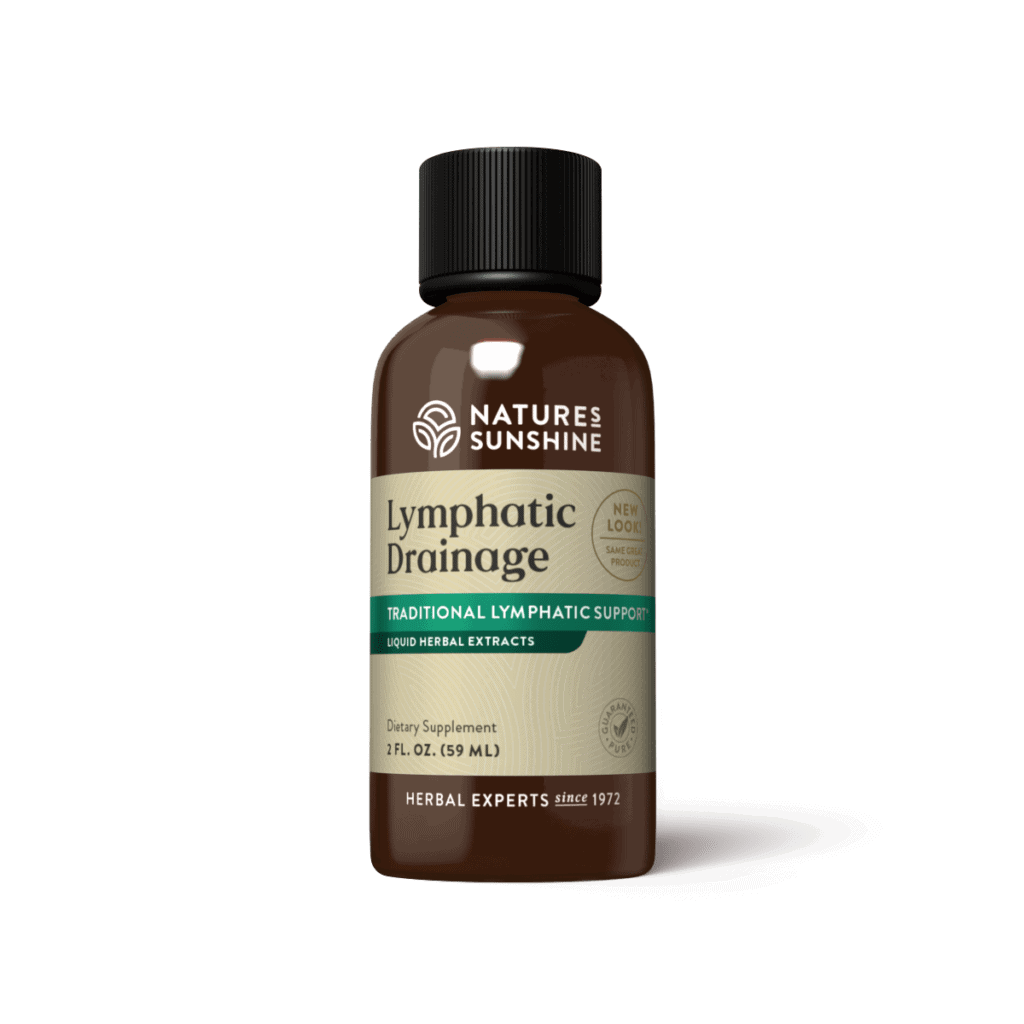
Nature's Sunshine Lymphatic Drainage is one such formula. It combines four traditional herbs — Cleavers aerial parts, Red clover blossom extract, Stillingia root, and Prickly ash bark — each with a long history of use as a lymphatic tonic. While modern clinical trials specifically evaluating lymphatic outcomes remain limited, the traditional evidence behind these herbs spans centuries and multiple healing traditions.
Why Herbalists Have Valued Lymphatic Support for Centuries
Long before anyone typed "is Lymphatic Drainage real" into a search engine, herbalists around the world were formulating remedies for what they called lymphatic stagnation — swollen glands, sluggish elimination, fluid retention, and recurring skin issues that they attributed to poor lymphatic flow.
In Western herbal medicine, the concept of an alterative — an herb that "alters" unhealthy conditions by supporting the body's eliminative channels, particularly the lymphatic system and skin — was foundational to prescribing philosophy. Eclectic physicians of the 19th century built entire protocols around lymphatic tonics and blood-cleansing herbs, and many of the same plants appear in formulas used by naturopathic practitioners today.
European, Native American, Traditional Chinese, and Ayurvedic traditions all recognized the importance of healthy lymphatic flow. The four herbs in Nature's Sunshine Lymphatic Drainage were chosen because each one carries a distinct traditional reputation for supporting this system. Cleavers, for example, is considered the primary lymphatic tonic in Western herbal medicine, while Stillingia was described in King's American Dispensatory as having an action on the lymphatic system that was "unsurpassed."
If you have questions about whether a lymphatic-support formula is appropriate for your individual needs, our naturopath is available for a free consultation — no purchase or membership required.
Key Ingredients
- ✓ Free shipping over $75
- ✓ 90-day easy returns
- ✓ Ships within hours
Who May Benefit from Lymphatic Support
Nature's Sunshine Lymphatic Drainage is formulated to aid the proper dispersion of lymphatic fluid and support overall health and well-being. It also aids the circulatory system, which works hand-in-hand with lymphatic flow.
Traditionally, lymphatic-support herbs have been sought by individuals experiencing occasional fluid retention or puffiness, those interested in supporting their body's natural detoxification processes, and people who feel their eliminative channels could use a gentle nudge. The herbs in this formula — Cleavers, Red clover, Stillingia, and Prickly ash — each carry historical use for supporting the body's fluid balance and waste-removal pathways.
Because every person's situation is different, we always recommend speaking with a qualified practitioner before adding a new supplement. Our naturopath offers free consultations and can help you determine whether a lymphatic-support formula aligns with your wellness goals.
How to Take Lymphatic Drainage
Take 1 ml (approximately 15–20 drops, 1/4 teaspoon) in water twice daily. Each bottle contains 2 fl oz of liquid extract.
Because this is a liquid formula, it's easy to add to a small glass of water and take with or between meals. Consistency is often emphasized by herbalists when working with traditional tonics — gentle, steady use over time is how these herbs have been employed historically.
Written by Greg Howlett
Frequently asked questions
Is Lymphatic Drainage real, or is it just a wellness trend?
The lymphatic system is a well-established part of human anatomy that helps remove waste from cellular metabolism. Supporting it with botanical formulas is not new — herbs like Cleavers, Red clover, Stillingia, and Prickly ash have been used as lymphatic tonics in European, Native American, and Eclectic medical traditions for centuries. While modern clinical trials specifically evaluating lymphatic outcomes from these herbs are limited, their traditional use is long-standing and cross-cultural, and preclinical research on their phytochemical constituents provides indirect mechanistic support.
What does this Lymphatic Drainage formula contain?
Nature's Sunshine Lymphatic Drainage contains four herbs: Cleavers aerial parts (300 mg), Red clover blossom extract (300 mg), Stillingia root (300 mg), and Prickly ash bark (300 mg) per serving. These herbs were selected for their historical reputations as lymphatic tonics and alteratives in Western herbal medicine.
How does Cleavers support the lymphatic system?
Cleavers (Galium aparine) is considered the primary lymphatic tonic in Western herbal medicine, with thousands of years of cross-cultural use to encourage lymph fluid movement, drain congested lymph nodes, and support detoxification. Phytochemical studies confirm it contains iridoids, flavonoids, coumarins, and tannins. Coumarins present in Galium species are a class of benzopyrones studied in clinical trials for lymphedema. Preclinical research has demonstrated immunomodulatory activity, though human clinical trials on lymphatic endpoints have not been published.
Are there any safety considerations I should know about?
Cleavers is generally regarded as safe when used at recommended doses. However, it may interact with diuretic medications and is noted as contraindicated in diabetes due to its diuretic action and is not recommended during pregnancy. Red clover should be avoided by pregnant or nursing women and those with hormone-sensitive conditions, and may interact with anticoagulant medications. Stillingia is contraindicated during pregnancy or lactation. Prickly ash is contraindicated during pregnancy, for those on anticoagulant therapy, and should be stopped at least 2 weeks before scheduled surgery. We encourage you to consult with a healthcare practitioner — our naturopath offers free consultations to help you decide if this formula is appropriate for you.
How should I take Lymphatic Drainage?
Take 1 ml (approximately 15–20 drops, 1/4 teaspoon) in water twice daily.
Is there scientific research behind these ingredients?
The herbs in this formula are supported primarily by long-standing traditional use across multiple healing systems. Preclinical laboratory studies on Cleavers have demonstrated antioxidant and immunomodulatory activity, including stimulation of lymphocyte proliferation and NK cell activity in animal models. Red clover isoflavones have been studied in human clinical trials for menopausal symptoms and cardiovascular effects, though direct clinical evidence for lymphatic function remains traditional. Stillingia and Prickly ash have extensive historical documentation in Eclectic and Native American medicine as lymphatic herbs, but no clinical trials evaluating their lymphatic effects have been conducted.
Talk to Dr. Shannyn Fowl
Not sure if this is right for you? Book a free, no-pressure consultation for personalized guidance on your health goals.
Book your free consult →About Caring Sunshine
A family-run reseller of premium supplements — free shipping, a 90-day guarantee, and real people who know the products.
Learn more about us →