
How to Take Liquid Chlorophyll | Guide & Tips
Learn how to take Liquid Chlorophyll properly, including serving size, mixing tips, what it supports, and commonly asked questions. Your complete guide.
What Is Liquid Chlorophyll and Why Does It Matter?
Chlorophyll is the green pigment found in plants that makes photosynthesis possible — it converts the sun's rays into energy. But this remarkable molecule doesn't just nourish plant life. When we take it as a supplement, it may support our own well-being in meaningful ways.
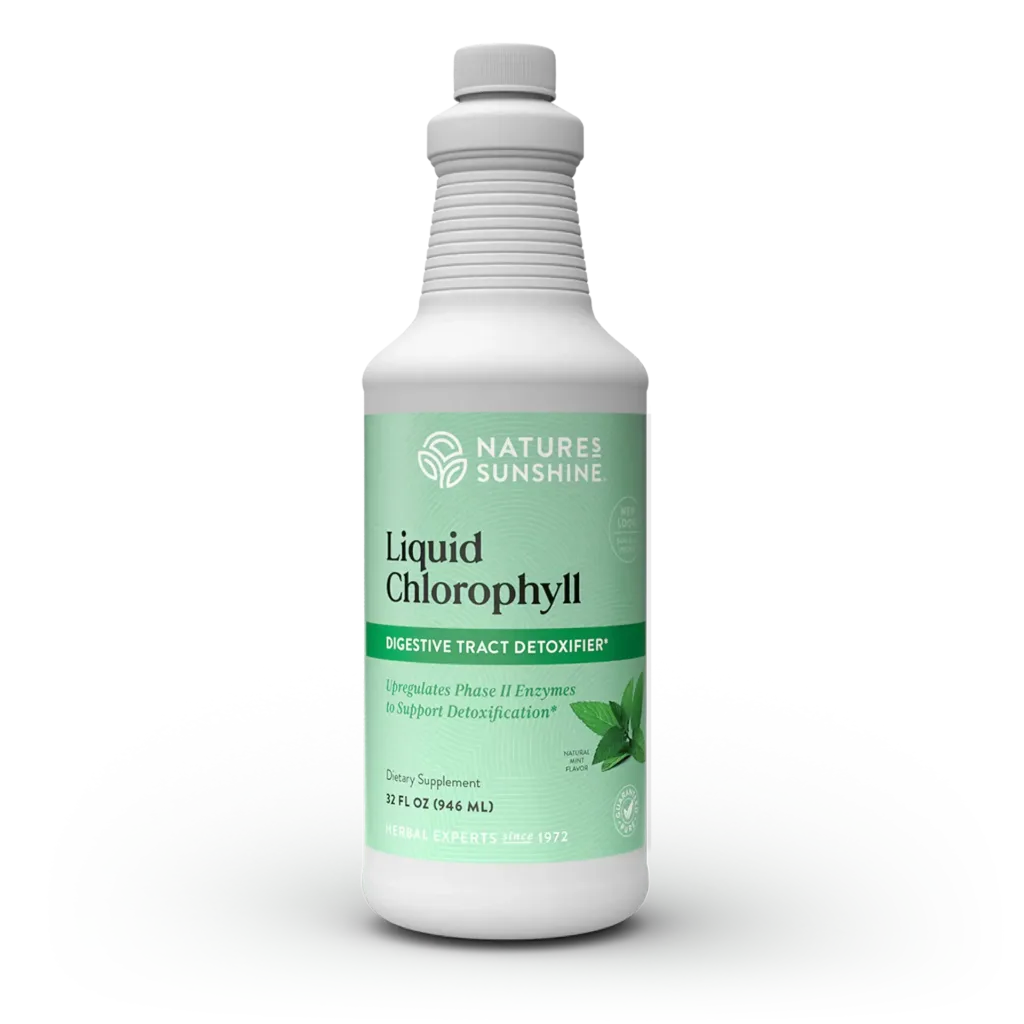
Nature's Sunshine's Liquid Chlorophyll formula contains sodium copper chlorophyllin, a water-soluble derivative of natural Chlorophyll. While natural Chlorophyll from plants is fat-soluble and doesn't dissolve easily in water, chlorophyllin was developed to be water-soluble, making it ideal for a liquid supplement you can stir into a glass of cold water.
Structurally, Chlorophyll shares a fascinating similarity with hemoglobin — both are built on tetrapyrrole ring structures. Chlorophyll has magnesium at its center, while hemoglobin uses iron. This structural kinship has made Chlorophyll a subject of interest for those looking to support blood health and overall vitality.
Understanding how to take Liquid Chlorophyll correctly ensures you get the most out of this time-honored supplement. If you have specific health questions about whether Liquid Chlorophyll is right for you, our naturopath is available for a free consultation — no appointment pressure, just honest guidance.
Key Ingredients
- ✓ Free shipping over $75
- ✓ 90-day easy returns
- ✓ Ships within hours
How to Take Liquid Chlorophyll
Knowing how to take Liquid Chlorophyll is straightforward. According to the label directions: Take 2 tablespoons (30 mL) in an 8 fl oz glass of cold water daily. Refrigerate after opening.
That's it — no complicated regimen, no multiple daily doses to remember. Simply measure out your serving, stir it into a glass of cold water, and drink. Many people enjoy the mild, slightly minty taste that the spearmint aerial parts oil provides.
A few practical tips for getting the most from your daily serving:
- Use cold water. The directions specifically call for cold water, which helps the chlorophyllin dissolve cleanly and makes for a refreshing drink.
- Refrigerate after opening. Once you've broken the seal on your 32 oz bottle, store it in the refrigerator to maintain freshness.
- Be prepared for green. Sodium copper chlorophyllin may cause green discoloration of urine or feces — this is a normal, harmless effect noted in the safety literature and is simply a sign that the chlorophyllin is passing through your system.
If you're unsure whether Liquid Chlorophyll fits into your current wellness routine or if you're taking medications, our naturopath offers free consultations and can help you think through the details.
Who Is Liquid Chlorophyll For?
Liquid Chlorophyll is designed for adults looking to support their body's natural blood-cleansing processes, encourage a healthy immune response, and strengthen the body on a cellular and molecular level. It also acts as a natural deodorizer — a use that has historical roots going back to the 1950s.
You might consider Liquid Chlorophyll if you're interested in:
- Supporting blood health: Chlorophyll's structural similarity to hemoglobin has traditionally made it a popular choice for those seeking to nourish and support healthy blood. Chlorophyll-rich preparations have been traditionally associated with supporting red blood cell production.
- Whole-body cleansing: Chlorophyll has been used as a traditional internal cleanser for decades, and research suggests it may bind certain environmental toxins in the gastrointestinal tract, potentially reducing their absorption.
- Immune support: Chlorophyllin has traditionally been positioned as an immune tonic in naturopathic practice, with preclinical evidence suggesting immunostimulatory and anti-inflammatory properties.
- Natural deodorizing: Historically, chlorophyllin has been used as an internal deodorant, and older studies found it helpful in controlling body and fecal odors in specific populations.
Since the safety of Chlorophyll supplements has not been tested in pregnant or lactating women, they should be avoided during pregnancy and lactation. Individuals with rare disorders of copper metabolism, such as Wilson's disease, should also limit exposure to copper-containing supplements like sodium copper chlorophyllin.
Safety Considerations Worth Knowing
Natural chlorophylls are not known to be toxic, and no toxic effects have been attributed to chlorophyllin despite more than 50 years of clinical use in humans. That said, there are a few things to keep in mind.
The most common side effect is cosmetic: green discoloration of urine or feces, or occasionally yellow or black discoloration of the tongue. There have also been occasional reports of diarrhea. These effects are generally harmless.
Oral chlorophyllin may result in false positive results on guaiac card tests for occult blood — something to mention to your healthcare provider if you're scheduled for such testing.
A single case report noted delayed methotrexate clearance following administration of a Chlorophyll-containing complementary medication, suggesting a potential interaction with at least one chemotherapy agent. If you're taking prescription medications, it's wise to discuss supplementation with a qualified practitioner. Our naturopath is always happy to talk through these kinds of questions during a free consultation.
Written by Greg Howlett
Frequently asked questions
How much Liquid Chlorophyll should I take per day?
According to the product directions, take 2 tablespoons (30 mL) in an 8 fl oz glass of cold water daily. Refrigerate after opening. No official recommended daily intake (RDI) or tolerable upper intake level (UL) for Chlorophyll or chlorophyllin has been established by major regulatory bodies such as the NIH or EFSA for supplemental use.
Is it normal for Liquid Chlorophyll to turn my urine green?
Yes. When taken orally, supplemental chlorophyllin may cause green discoloration of urine or feces, or yellow or black discoloration of the tongue. These are commonly reported effects and are not considered harmful. They are simply a sign that the chlorophyllin is passing through your system.
What is the difference between Chlorophyll and chlorophyllin?
Natural Chlorophyll is the fat-soluble green pigment found in plants, with a central magnesium atom and a phytol tail that makes it insoluble in water. Chlorophyllin (specifically sodium copper chlorophyllin) is a semisynthetic, water-soluble derivative in which the magnesium is replaced by copper and the phytol tail is removed. Most Liquid Chlorophyll supplements — including this one — actually contain chlorophyllin because it dissolves cleanly in water.
Can I take Liquid Chlorophyll while pregnant or breastfeeding?
The safety of Chlorophyll or chlorophyllin supplements has not been tested in pregnant or lactating women. According to the available safety literature, they should be avoided during pregnancy and lactation. If you have questions about supplementation during these times, we encourage you to speak with your healthcare provider or reach out to our naturopath for a free consultation.
Does Liquid Chlorophyll really help with body odor?
Chlorophyll has been marketed as an internal deodorant since the 1950s. One study in 62 geriatric nursing home patients found chlorophyllin helpful in controlling body and fecal odors, and a small study in patients with trimethylaminuria (a specific metabolic disorder) found that oral chlorophyllin significantly decreased urinary trimethylamine. However, there is little modern evidence for this benefit in healthy people — the most robust findings relate to specific populations rather than general body odor.
Should I refrigerate Liquid Chlorophyll after opening?
Yes. The product directions specifically state to refrigerate after opening. This helps maintain the freshness and quality of the 32 oz bottle over time. Before opening, store as directed on the label.
Talk to Dr. Shannyn Fowl
Not sure if this is right for you? Book a free, no-pressure consultation for personalized guidance on your health goals.
Book your free consult →About Caring Sunshine
A family-run reseller of premium supplements — free shipping, a 90-day guarantee, and real people who know the products.
Learn more about us →