First order?Save 20%
(888) 510-7196

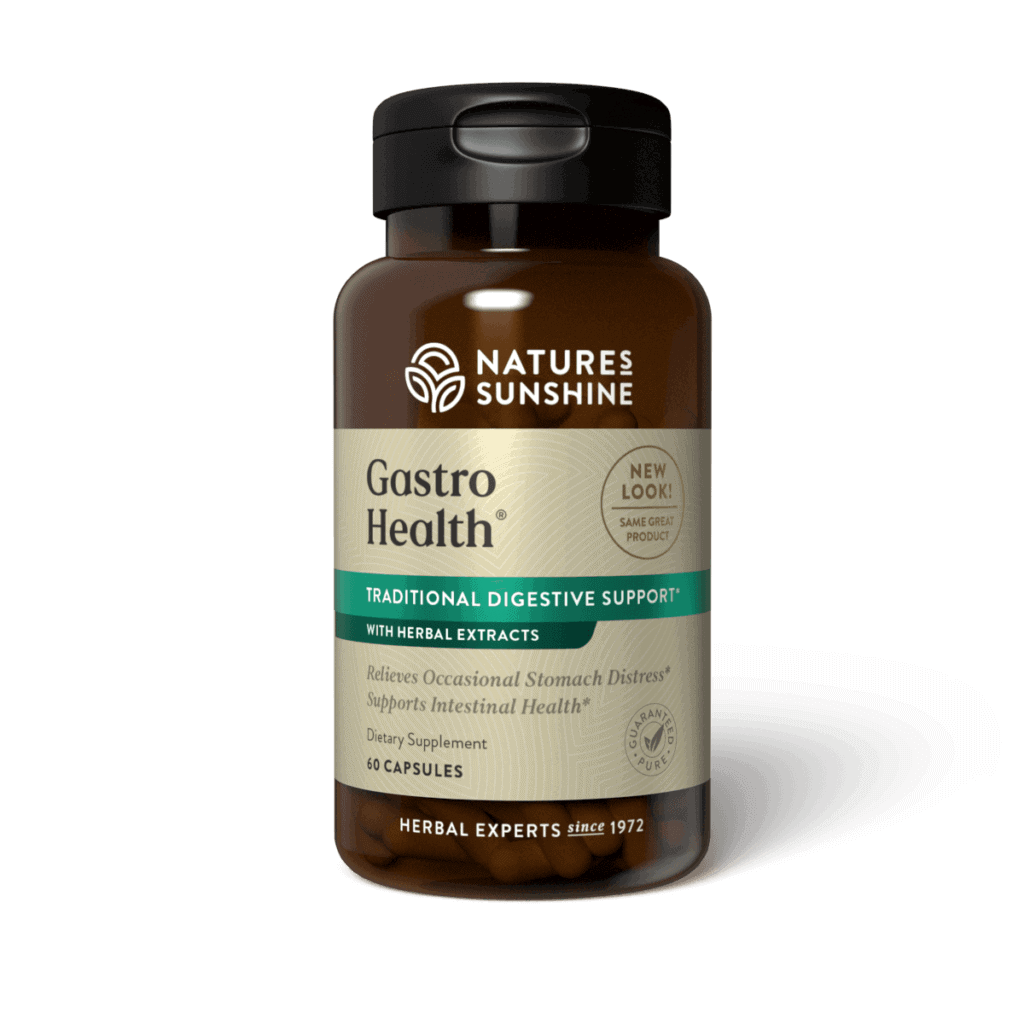
Gastro Health | Stomach & H. Pylori Support Formula

Learn how Gastro Health combines DGL licorice, Clove, Pau d'arco, Elecampane & Capsicum to soothe stomach discomfort and support gastric wellness naturally.

Overview

What Is Gastro Health?

Gastro Health by Nature's Sunshine is a targeted herbal formula designed to soothe stress, strain, and discomfort in the stomach. Developed through two years of intensive research, this formula combines several key herbs chosen for their traditional and research-backed roles in supporting gastric wellness.

At the heart of Gastro Health is its ability to help protect against the growth of H. pylori bacteria β€” an organism that has been found to cause ulcers. Whether you're dealing with occasional stomach discomfort, gastritis, or ulcer-related concerns, this non-GMO formula offers a multi-herb approach to Gastro Health that draws on centuries of herbal wisdom and modern scientific investigation.

Each bottle contains 60 capsules, providing a convenient way to incorporate stomach-soothing botanicals into your daily routine.

How It Works

A Multi-Herb Approach to Stomach Comfort

Rather than relying on a single ingredient, Gastro Health pairs five distinct botanicals β€” each contributing its own mechanisms β€” to address multiple facets of Gastro Health simultaneously.

Mucosal protection: DGLE deglycyrrhizinated Licorice root extract promotes gastric mucus production and supports mucosal healing, while Capsicum fruit may help enhance mucosal blood flow through TRPV1-mediated prostaglandin synthesis. Together, they work to maintain the integrity of the stomach lining.

H. pylori defense: Several ingredients in this formula have been studied for their activity against H. pylori. Research suggests that Licorice root may support H. pylori eradication when used alongside standard approaches, while Clove's eugenol has demonstrated inhibitory effects on H. pylori in laboratory studies. Pau d'arco's lapachol has also shown efficacy against H. pylori in vitro.

Soothing and carminative action: Indian Elecampane root and Clove flower have been used historically across Ayurvedic, Chinese, and Western herbal traditions as carminatives β€” herbs that ease bloating, wind, and general abdominal discomfort.

What's inside

Key ingredients

DGLE deglycyrrhizinated Licorice root extract β€” 800 mg
Licorice root (Glycyrrhiza glabra) has been used for over 4,000 years across Chinese, Ayurvedic, Egyptian, Greek, and Roman traditions for gastrointestinal complaints including gastritis and peptic ulcers. The deglycyrrhizinated (DGL) form used in this formula has had the glycyrrhizin removed, preserving the root's beneficial flavonoids and polysaccharides while avoiding the mineralocorticoid side effects β€” such as hypertension and hypokalemia β€” associated with whole licorice. Studies suggest DGL enhances gastric mucus production, promotes mucosal healing, and shows anti-H. pylori and anti-inflammatory activity. The ESCOP monograph lists licorice as an adjuvant therapy for gastric/duodenal ulcers and gastritis. A 2025 systematic review and meta-analysis confirmed clinical improvement in peptic ulcer symptoms with radiographic and endoscopic evidence of healing. Research also suggests DGL may support acid reflux relief: a placebo-controlled RCT of a standardized Glycyrrhiza extract showed significant reduction in heartburn and regurgitation, while a 2025 RCT of a standardized DGL extract demonstrated clinically meaningful heartburn reduction from week 2. In clinical trials for functional dyspepsia and IBS, Licorice root as a component of multi-herb formulas has demonstrated efficacy in reducing abdominal discomfort, supporting gut lining integrity, and providing antispasmodic benefits.
Clove flower extract β€” 800 mg
Clove (Syzygium aromaticum), native to the Maluku Islands of Indonesia, has been treasured as both a spice and a medicine for centuries. Its principal bioactive compound, eugenol, accounts for 70–90% of Clove's essential oil and possesses significant anti-inflammatory, antioxidant, and antimicrobial properties. Research suggests that eugenol demonstrates gastroprotective and anti-ulcer activity in animal models at low doses β€” increasing gastric mucus, improving mucosal histology, and inhibiting H. pylori with documented minimum inhibitory concentration (MIC) values. Clove essential oil has also demonstrated anti-gastritis effects in animal models, with anti-inflammatory effects on gastric mucosa supported by multiple preclinical studies. A human pilot study has documented benefits to gastric function. Traditionally, Clove has been widely used in Ayurvedic medicine (as Lavang) and Chinese medicine (as ding xiang) as a carminative for abdominal discomfort, bloating, flatulence, nausea, and vomiting. In traditional Chinese medicine, cloves help qi to descend β€” a concept related to the Western carminative action β€” making it historically valued for the relief of nausea and excessive flatulence.
Indian Elecampane root extract β€” 800 mg
Elecampane (Inula helenium) is a perennial herb from the Asteraceae family with a rich heritage in ancient Greek, Roman, Ayurvedic, and Chinese traditional medicine. The root has been historically classified as a stomachic and carminative β€” an herb that promotes digestive secretions and soothes the gut. In Ayurvedic tradition, Elecampane is especially useful for cases of weak digestion with poor appetite, bloating, wind, and foggy-headedness. Ancient Romans valued it as a digestive aid, and Pliny the Elder recommended daily consumption to promote digestion and well-being. Elecampane root is exceptionally rich in inulin (up to 44% of dry root weight), a prebiotic polysaccharide that is fermented by beneficial colonic bacteria to produce short-chain fatty acids β€” particularly butyrate β€” that nourish colonocytes and support gut barrier integrity. This prebiotic action underpins the traditional use of Elecampane for digestive support. The root also contains sesquiterpene lactones, primarily alantolactone and isoalantolactone, which have demonstrated antimicrobial properties in laboratory studies.
Pau d'arco bark extract β€” 800 mg
Pau d'arco (Tabebuia impetiginosa, also known as Handroanthus impetiginosus) is a deciduous tree native to the rainforests of Central and South America. Its inner bark has been used by indigenous peoples β€” including the Guarani, TupinambΓ‘, and Kallawaya healers β€” for hundreds of years for stomach aches, infections, fevers, and a wide range of ailments. The Guarani called the tree "tajy," meaning "to have strength and vigor." The bark contains naphthoquinones, primarily lapachol and beta-lapachone, which have demonstrated antimicrobial activity in laboratory studies. Notably, lapachol has shown efficacy against H. pylori, Staphylococcus, Streptococcus, and Candida species in vitro. Animal studies have demonstrated Pau d'arco's gastroprotective activity: ethanolic bark extract significantly inhibited gastric mucosa damage induced by ethanol and ibuprofen in rat models. Research also indicates that lapachol and beta-lapachone help reduce inflammation by inhibiting key inflammatory signaling pathways such as NF-ΞΊB and AP-1. Pau d'arco is traditionally recorded for use by forest inhabitants throughout the Amazon for stomach aches, colitis, and other gastrointestinal issues.
Capsicum fruit β€” 800 mg
Capsicum (Capsicum annuum), a member of the Solanaceae family, has been part of human history since approximately 7500 BC. Its principal bioactive compound, capsaicin, acts through the TRPV1 receptor β€” a mechanism that initially excites sensory neurons but then desensitizes them into long-lasting non-responsiveness. This desensitization pathway is central to Capsicum's Gastro Health benefits. Research suggests that oral red pepper capsules significantly reduced epigastric pain, nausea, and overall dyspeptic symptoms in functional dyspepsia patients in a placebo-controlled RCT published in the New England Journal of Medicine. Studies also suggest capsaicin has gastroprotective effects: a clinical study in 198 healthy subjects and 178 GI disease patients established oral capsaicin as a gastroprotective agent that reduced NSAID-induced gastric mucosal microbleeding. Epidemiological data from Singapore found chili consumption inversely associated with peptic ulcer prevalence, with the proposed mechanism involving TRPV1-mediated prostaglandin synthesis and enhanced mucosal blood flow. Traditionally, Capsicum has been used across Native American and Asian cultures for indigestion, stomach aches, and to stimulate appetite and digestion.
soy Lecithin
Soy Lecithin is a naturally occurring mixture of phospholipids β€” including phosphatidylcholine, phosphatidylethanolamine, and phosphatidylinositol β€” derived from soybeans. In this formula, it serves primarily as a delivery agent, helping to emulsify and improve the absorption of the other herbal ingredients. Lecithin's amphiphilic nature allows it to act as an excellent emulsifier, facilitating lipid absorption in the gastrointestinal tract. Phosphatidylcholine, its most abundant component, is also a major structural element of cell membranes throughout the body.
Gastro Health
Gastro Health
β˜…β˜…β˜…β˜…β˜… 4.7 (32 reviews)
  • βœ“ Free shipping on all orders
  • βœ“ 90-day easy returns
  • βœ“ Ships within hours
Gastro Health
Gastro Health
$31.05
Who It's For

Who May Benefit from Gastro Health?

Gastro Health is formulated for adults seeking natural support for stomach comfort and gastric wellness. It may be especially relevant for individuals who:

  • Experience occasional stomach discomfort, bloating, or digestive unease
  • Are looking for herbal support related to gastritis or ulcer concerns
  • Want to support their body's natural defenses against H. pylori bacteria
  • Prefer a multi-herb approach grounded in both traditional use and modern research

If you're unsure whether this formula is right for your situation, our naturopath offers free consultations to help you make an informed choice based on your individual needs.

Directions

How to Take Gastro Health

Take 2 capsules with a meal three times daily.

Each serving of 2 capsules delivers the formula's full complement of DGLE deglycyrrhizinated Licorice root extract, Clove flower extract, Indian Elecampane root extract, Pau d'arco bark extract, and Capsicum fruit β€” each at 800 mg β€” to provide consistent Gastro Health support throughout the day.

About the author

Written by Greg Howlett

GH

Greg Howlett

Founder

Greg has spent over a decade helping customers choose the right natural-health products. He personally vets every formula we carry and writes these guides to cut through the marketing noise with practical, experience-based advice.

FAQ

Frequently asked questions

What does Gastro Health do?

Gastro Health soothes stress, strain, and discomfort in the stomach. It combines five key herbs β€” DGLE deglycyrrhizinated Licorice root extract, Clove flower extract, Indian Elecampane root extract, Pau d'arco bark extract, and Capsicum fruit β€” that work together to help protect against the growth of H. pylori bacteria (a bacteria found to cause ulcers) and alleviate stomach discomfort.

How does Gastro Health help with H. pylori?

The formula was developed through two years of intensive research specifically to address H. pylori, the bacteria found to cause ulcers. Studies suggest that deglycyrrhizinated licorice may support H. pylori eradication when used alongside standard approaches, while eugenol from Clove and lapachol from Pau d'arco have demonstrated inhibitory effects against H. pylori in laboratory studies. Together, these herbs provide a multi-pathway approach to supporting the body's natural defenses against this bacterium.

What is deglycyrrhizinated licorice (DGL) and why is it used instead of regular licorice?

DGL is Licorice root with the glycyrrhizin compound removed. Regular licorice containing glycyrrhizin can cause side effects such as hypertension and hypokalemia with prolonged use due to its effect on cortisol metabolism. DGL preserves licorice's beneficial flavonoids and polysaccharides that provide anti-inflammatory, antioxidant, and mucosal-protective effects supporting gastrointestinal health, without carrying the same risk profile as whole licorice preparations.

Is Gastro Health non-GMO?

Yes, Gastro Health is a non-GMO formula.

Can I take Gastro Health with other supplements or medications?

While Gastro Health is an herbal formula, some of its ingredients may interact with certain medications. For example, Capsicum may affect gastric motility and mucosal permeability, and Pau d'arco contains lapachol which has anticoagulant properties similar to warfarin. We always recommend consulting with a qualified healthcare professional before combining supplements with medications. Our naturopath is available for a free consultation to discuss your individual situation.

How long does it take for Gastro Health to work?

Individual experiences vary depending on the nature and severity of your concerns. A clinical trial on DGL extract showed clinically meaningful stomach comfort improvements starting around week 2. The directions call for taking 2 capsules with a meal three times daily for consistent support. If you have questions about what to expect, our naturopath can provide personalized guidance through a free consultation.

Talk to an expert

Talk to Dr. Shannyn Fowl

Not sure if this is right for you? Book a free, no-pressure consultation for personalized guidance on your health goals.

Book your free consult β†’
Who we are

About Caring Sunshine

A family-run reseller of premium supplements β€” free shipping, a 90-day guarantee, and real people who know the products.

Learn more about us β†’