
e27 Liquid Collagen | Peptides for Skin & Joints
Discover e27 liquid Collagen peptides from Nature's Sunshine — supporting skin elasticity, hydration, hair, nails, and joints. Learn ingredients, usage & more.
What Is e27 Liquid Collagen and Why Does It Matter?
Collagen is the single most abundant protein in the human body, comprising roughly one-third of total protein content. It forms the structural foundation for skin, hair, nails, bones, joints, and connective tissue throughout the body. As we age, our natural Collagen production declines — and with it, skin elasticity, hydration, and the resilience of our joints and connective tissues.
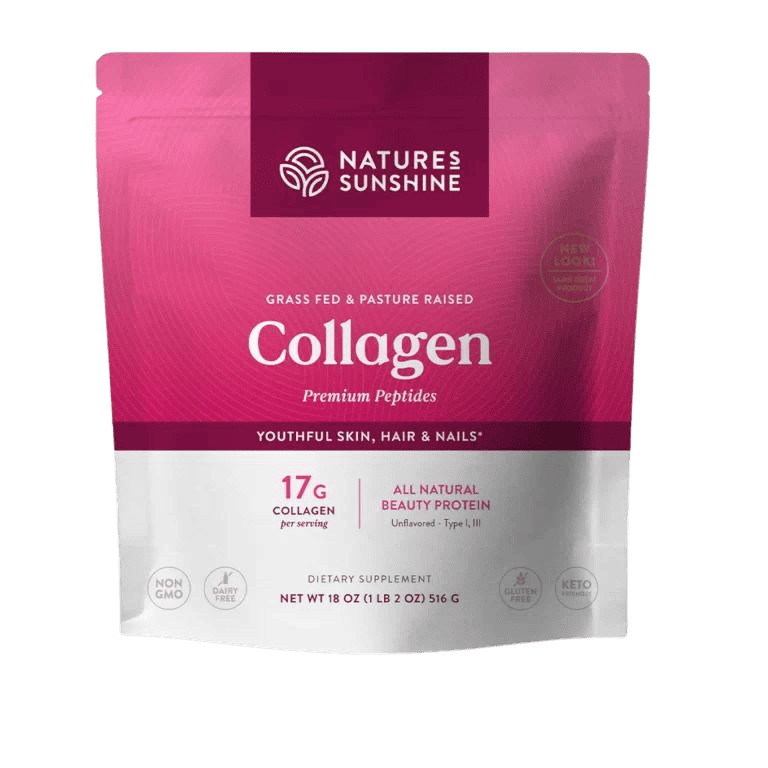
e27 liquid Collagen delivers premium Collagen peptides in an 18-oz powder format that mixes effortlessly into any hot or cold beverage, smoothie, or recipe. These peptides are hydrolyzed — meaning the large Collagen molecule has been enzymatically broken down into smaller di- and tripeptide chains that studies show are absorbed into circulation and may reach target tissues like skin and cartilage, where they help support Collagen-producing cells known as fibroblasts.
This formula is NON-GMO, KETO-friendly, DAIRY-free, GLUTEN-free, and PALEO-friendly — a clean, effective source of pure protein designed to fit seamlessly into your daily wellness routine. It also includes electrolytes and trace minerals to round out its nutritional profile.
The tradition of consuming Collagen-rich foods stretches back millennia — from slow-simmered bone broths in traditional Chinese cuisine to the pot-au-feu of France and the beloved Vietnamese pho. Modern Collagen peptide supplements simply offer the same structural protein family in a convenient, well-studied format. If you have questions about whether a Collagen supplement fits your personal health goals, our naturopath is available for a free consultation.
Key Ingredients
- ✓ Free shipping over $75
- ✓ 90-day easy returns
- ✓ Ships within hours
Who Is e27 Liquid Collagen For?
This formula is designed for anyone looking to support their body's structural foundation from the inside out. If you're noticing changes in your skin's firmness or hydration, or you want to maintain a youthful appearance as part of your daily wellness routine, e27 liquid Collagen provides the essential building blocks your body needs.
It's also well-suited for active individuals who want to support their bones, joints, and connective tissue. Research suggests that Collagen peptide supplementation, particularly when combined with exercise, may help support joint comfort and recovery.
Those seeking stronger, healthier nails and fuller-looking hair may also benefit. Studies suggest that Collagen peptides supply glycine and proline — amino acids involved in keratin synthesis — which may promote nail growth and reduce brittleness.
With its NON-GMO, KETO-friendly, DAIRY-free, GLUTEN-free, and PALEO-friendly formulation, it fits a wide range of dietary lifestyles. And because it includes electrolytes and trace minerals — including Potassium — it supports more than just beauty; it helps maintain the electrolyte balance essential for an active body.
If you're unsure whether e27 liquid Collagen is right for your specific needs, our naturopath is happy to talk through your goals with you — completely free of charge.
How to Take e27 Liquid Collagen
Collagen is odorless, tasteless and mixes easily into any hot or cold beverage, smoothie or food. It is easily integrated into any daily wellness program. Stir 1 scoop into any beverage (coffee, tea, water, fruit juice, etc.), or add it to your favorite recipes. Use daily for best results.
Consistency matters. Human studies on Collagen supplementation typically show results after sustained daily use. Research on skin elasticity and hydration often notes improvements within 8–12 weeks. For joint-related benefits, studies suggest that effects may begin to appear after three months or longer of regular use.
Because vitamin C is a required cofactor for the hydroxylation of lysine and proline residues during Collagen synthesis, pairing your Collagen with vitamin C-rich foods or beverages — such as citrus juice — may complement the formula's structural benefits.
The Story Behind Collagen Supplementation
The tradition of consuming Collagen-rich foods is truly ancient. In Traditional Chinese Medicine, Collagen-rich preparations were used to support skin elasticity, healthy aging, and joint strength. Almost ten centuries ago, the Benedictine abbess Hildegard von Bingen was already studying extracts from animal tissue and recognized their use for joint complaints. Indigenous cultures worldwide — from Native American tribes consuming boiled animal hides to African traditions using gelatin-rich preparations — independently developed Collagen-rich foods for nourishment.
Modern molecular biology has illuminated what these traditions supplied all along: a distinctive protein family with a unique amino acid profile, derived from connective tissue, in a form the body's own tissues can use as structural substrate. Today's hydrolyzed Collagen powders represent the contemporary contribution — the same building blocks in a format that dissolves in seconds rather than requiring hours of simmering.
The scientific literature now includes over 60 clinical studies assessing Collagen's effects on skin aging, musculoskeletal health, and beyond. Multiple systematic reviews and meta-analyses of randomized controlled trials support moderate evidence for skin hydration and elasticity, as well as moderate evidence for joint pain reduction in osteoarthritis. Research in areas like bone density, muscle recovery, and wound healing continues to show promising preliminary results.
It's worth noting that while the evidence is encouraging, many studies have been relatively short in duration (4–12 weeks), and optimal dosing regimens have not yet been definitively established. The safety profile, however, is well-documented — prolonged use is deemed safe with no adverse effects reported across multiple systematic reviews, even at higher doses.
Written by Greg Howlett
Frequently asked questions
What type of Collagen is in e27 liquid Collagen?
This formula contains premium Collagen peptides — hydrolyzed Collagen that has been enzymatically broken down into smaller di- and tripeptide chains (3–6 kDa) for enhanced absorption. When taken orally, these peptides are absorbed and are believed to enter circulation and reach target tissues like skin and cartilage, where they help support Collagen-producing cells called fibroblasts. The formula is rich in the amino acids glycine, proline, and hydroxyproline — the characteristic building blocks of Collagen's triple-helix structure.
How long does it take to see results from Collagen supplementation?
Research on skin elasticity and hydration typically shows measurable improvements within 8–12 weeks of daily supplementation. For joint-related benefits, studies suggest that the beneficial effects of Collagen peptides may begin to appear after three months or longer of consistent use. Daily use is recommended for best results.
Is e27 liquid Collagen compatible with keto, paleo, or dairy-free diets?
Yes. The Collagen peptides in this formula are certified NON-GMO, KETO-friendly, PALEO-friendly, DAIRY-free, and GLUTEN-free. It also contains no soy. It's designed to fit a wide range of dietary lifestyles while providing a clean source of pure protein.
Does Collagen support joint and bone health?
Research suggests that Collagen peptide supplementation may support joint comfort and function. A meta-analysis of randomized controlled trials found significant pain reduction in knee osteoarthritis patients receiving Collagen peptides compared to placebo. For bone health, preliminary research — primarily in postmenopausal women — suggests Collagen supplementation may support bone strength and density, though larger studies are needed to confirm these findings.
Why does this Collagen formula include Potassium?
Potassium is an essential electrolyte that supports nerve signaling, muscle contraction, and cardiovascular function. Its inclusion provides electrolyte support for active lifestyles. Potassium also plays a role in acid-base balance, which observational research suggests may help support bone mineral density by preserving calcium in bone.
Is Collagen safe for long-term daily use?
According to multiple systematic reviews, prolonged use of Collagen is deemed safe, with no adverse effects reported even at higher doses (up to 60 g/day) or in different supplement forms. Collagen is classified as Generally Recognized as Safe (GRAS) by the FDA. However, individuals with allergies to the specific animal source of a Collagen product should exercise caution. Collagen is an incomplete protein (lacking tryptophan) and should not be relied upon as a sole protein source. If you have specific health concerns, our naturopath is available for a free consultation.
Talk to Dr. Shannyn Fowl
Not sure if this is right for you? Book a free, no-pressure consultation for personalized guidance on your health goals.
Book your free consult →About Caring Sunshine
A family-run reseller of premium supplements — free shipping, a 90-day guarantee, and real people who know the products.
Learn more about us →