
Does Magnesium Complex Make You Poop?
Does Magnesium Complex make you poop? Learn why Magnesium supplements may soften stool, how citrate and malate forms compare, and tips for comfortable use.
Does Magnesium Complex Make You Poop?
It's one of the most-searched questions about Magnesium supplements, and the answer is: yes, it can. Magnesium supplements often cause softening of stool and have historically been used for exactly that purpose. The most common side effects of Magnesium are stomach-related issues, and among those, looser bowel movements top the list.
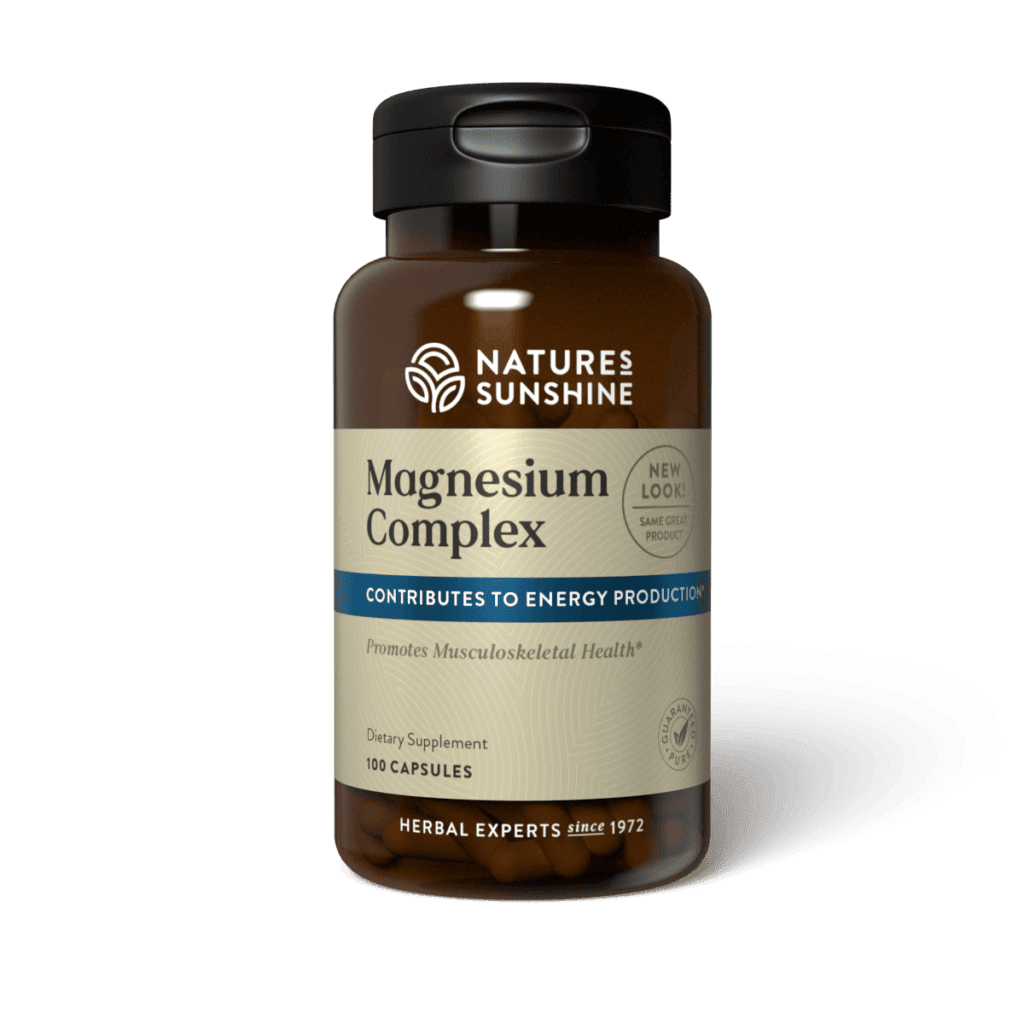
But here's the important context: the degree to which a Magnesium Complex affects your digestion depends on the form of Magnesium, the dose, and your individual body. Nature's Sunshine Magnesium Complex contains two organic forms of Magnesium — Magnesium citrate and Magnesium malate — chosen for their high solubility and optimum effectiveness in supporting the heart, brain, and kidneys, not primarily as a laxative.
If you've experienced digestive changes after starting Magnesium and aren't sure what's normal, our naturopath is available for a free consultation to help you sort it out.
Why Magnesium Can Affect Your Bowels
The laxative effect of Magnesium has been recognized for centuries. Ancient physicians including Hippocrates, Galen, and Soran of Ephesus described the profound laxative effect of mineral salts rich in Magnesium. In the Middle Ages, Magnesium-rich mineral waters were prized for their cleansing properties, and when Massimiliano Valentini first obtained Magnesium oxide in 1707, it was immediately put to use as a mild laxative. The famous Epsom spring in 17th-century England — rich in Magnesium sulfate — became celebrated for its cleansing and calming effects.
Magnesium draws water into the intestines through osmotic action, which softens stool and can speed transit. This is why Magnesium is actually included in some over-the-counter laxative products. High-dose supplements are more likely to lead to diarrhea, nausea, and cramping. One meta-analysis found that 3 of 13 studies (at doses of 120–973 mg/day) reported diarrhea significant enough to cause study withdrawal.
Side effects are also more common with inorganic forms of Magnesium, such as Magnesium oxide, which has lower solubility and bioavailability. Organic forms like Magnesium citrate and Magnesium malate — the two forms in Magnesium Complex — are generally more soluble and better absorbed, which means more of the Magnesium enters your bloodstream rather than sitting in the gut pulling in water.
Why Citrate and Malate May Be Gentler Than Other Forms
Not all Magnesium supplements affect digestion the same way. Magnesium Complex uses two organic forms — Magnesium citrate and Magnesium malate — that are highly soluble and efficiently absorbed. Research shows that Magnesium citrate had high solubility even in water (55%) and was substantially more soluble than Magnesium oxide in all states of acid secretion. Higher absorption generally means less unabsorbed Magnesium remaining in the intestinal tract to trigger the osmotic laxative effect.
At the dose in Magnesium Complex — 184 mg of Magnesium per two-capsule serving — you're well within moderate supplementation territory. Another meta-analysis found only minor differences in gastrointestinal disturbances between groups given placebo versus 520 mg Mg/day, and withdrawals were not significantly different between the two groups.
That said, individual sensitivity varies. Some people notice softer stools even at modest doses, especially when first starting supplementation. Taking your capsules with a meal, as the product directions recommend, may help minimize digestive effects.
What Magnesium Complex Is Actually Designed to Support
While the bowel question gets a lot of search traffic, the real purpose of Magnesium Complex is to support your heart, brain, and kidneys with this essential mineral. Magnesium is a cofactor in more than 300 enzyme systems that regulate diverse biochemical reactions in the body, including protein synthesis, muscle and nerve function, blood glucose control, and blood pressure regulation.
Research suggests that higher dietary and circulating Magnesium levels are inversely associated with risks of coronary heart disease, stroke, and total cardiovascular disease. In 2022, the U.S. FDA approved a qualified health claim stating that consuming diets with adequate Magnesium may reduce the risk of high blood pressure, though the agency noted the evidence is inconsistent and inconclusive.
For kidney health, studies suggest that Magnesium is a well-established inhibitor of calcium oxalate crystallization in urine. A landmark double-blind RCT showed new kidney stones formed in only 12.9% of treated subjects versus 63.6% on placebo. Magnesium supplementation also reduces urinary oxalate excretion and raises urinary citrate — both key protective factors against stone formation.
For the nervous system, Magnesium acts as a natural NMDA receptor antagonist, modulating synaptic transmission and neuronal excitability. Deficiency is associated with increased risk of neurological symptoms including neuromuscular hyperexcitability, tremors, and even seizures.
Emerging evidence confirms that an estimated 56–68% of Americans do not obtain enough Magnesium daily to meet the recommended dietary allowance. If you're unsure whether you're getting enough, our naturopath can help you evaluate your needs during a free consultation.
Who May Benefit from Magnesium Complex
Magnesium Complex may be a good fit for adults looking to support cardiovascular, nervous system, and kidney health with a highly soluble, well-absorbed form of Magnesium. Certain groups are more likely to have Magnesium inadequacy, including:
- Older adults — Magnesium absorption and retention can decrease with age, and medication use (especially diuretics) may deplete Magnesium further.
- Individuals with type 2 diabetes — studies have demonstrated that diabetes is often accompanied with lower Magnesium status.
- People on long-term proton pump inhibitors (PPIs) — prolonged PPI use (typically more than a year) can cause hypomagnesemia.
- Those with gastrointestinal disorders or alcohol dependence, which can impair Magnesium absorption.
Men older than 70 and teenage girls are most likely to have low intakes of Magnesium, according to dietary survey data. The RDA for adult men is 400–420 mg/day and for adult women, 310–320 mg/day.
How to Take Magnesium Complex
Take 2 capsules twice daily with a meal. Each two-capsule serving provides 184 mg of Magnesium from Magnesium citrate and Magnesium malate. Taking your capsules with food may help minimize any digestive sensitivity.
Keep in mind that Magnesium supplements can interact with certain medications. Magnesium can form insoluble complexes with tetracycline and quinolone antibiotics — separate these by at least 2 hours before or 4–6 hours after Magnesium. It can also decrease the absorption of bisphosphonates used for osteoporosis; separate by at least 2 hours. Magnesium may also reduce the absorption of gabapentin by 20%. If you take any of these medications, speak with a healthcare professional before starting supplementation.
Key ingredients
- ✓ Free shipping over $75
- ✓ 90-day easy returns
- ✓ Ships within hours
Written by Greg Howlett
Frequently asked questions
Does Magnesium Complex make you poop more than other forms?
All forms of supplemental Magnesium can cause softer stools because unabsorbed Magnesium draws water into the intestines. However, side effects are more common with inorganic forms such as Magnesium oxide, which has lower solubility and bioavailability. Magnesium Complex uses Magnesium citrate and Magnesium malate — organic forms that are more soluble and efficiently absorbed — so less Magnesium tends to remain in the gut to trigger the osmotic laxative effect. That said, individual sensitivity varies.
How much Magnesium does Magnesium Complex provide per serving?
Two capsules of Magnesium Complex contain 184 mg of Magnesium from two forms: Magnesium citrate and Magnesium malate. The directions are to take 2 capsules twice daily with a meal.
Can I reduce the digestive effects of Magnesium?
Taking Magnesium with a meal, as the product directions recommend, may help minimize stomach-related effects. Starting at a lower amount and gradually increasing can also help your body adjust. The organic forms in this formula — citrate and malate — are already among the more easily absorbed and therefore generally gentler options. If you have questions about what's right for you, our naturopath offers free consultations.
Is Magnesium Complex safe to take with medications?
Magnesium can interact with certain medications. It can form insoluble complexes with tetracycline and quinolone antibiotics — these should be taken at least 2 hours before or 4–6 hours after Magnesium. Magnesium can also decrease the absorption of bisphosphonates (separate by at least 2 hours) and may reduce gabapentin absorption by 20%. Loop and thiazide diuretics can deplete Magnesium, while prolonged proton pump inhibitor use can cause hypomagnesemia. Consult your healthcare provider before combining Magnesium with any prescription medication.
Who is most at risk for Magnesium deficiency?
Certain groups are more likely to have inadequate Magnesium levels: older adults (due to decreased absorption and medication use), individuals with type 2 diabetes, people with gastrointestinal disorders, those with alcohol dependence, and individuals on long-term diuretics or proton pump inhibitors. An estimated 56–68% of Americans do not obtain enough Magnesium daily to meet the recommended dietary allowance.
What are the main benefits of Magnesium Complex beyond digestion?
Magnesium Complex is designed to support heart, brain, and kidney health. Research suggests that adequate Magnesium supports cardiovascular function, may help maintain healthy blood pressure, promotes normal heart rhythm, and serves as an inhibitor of calcium oxalate crystallization in urine — a key factor in kidney stone prevention. For the nervous system, Magnesium acts as a natural NMDA receptor antagonist that modulates neuronal excitability and supports normal nerve function.
Talk to Dr. Shannyn Fowl
Not sure if this is right for you? Book a free, no-pressure consultation for personalized guidance on your health goals.
Book your free consult →About Caring Sunshine
A family-run reseller of premium supplements — free shipping, a 90-day guarantee, and real people who know the products.
Learn more about us →