
Does Liquid Chlorophyll Make You Poop? What to Know
Does Liquid Chlorophyll make you poop? Learn what the research says about Chlorophyll's digestive effects, green stool, and how to take it safely.
Does Liquid Chlorophyll Make You Poop?
If you've started adding Liquid Chlorophyll to your water and noticed some changes in the bathroom, you're not alone — it's one of the most commonly searched questions about this popular green supplement. The honest answer is nuanced: Liquid Chlorophyll can absolutely change what you see in the toilet, but whether it actually makes you go more often depends on several factors.
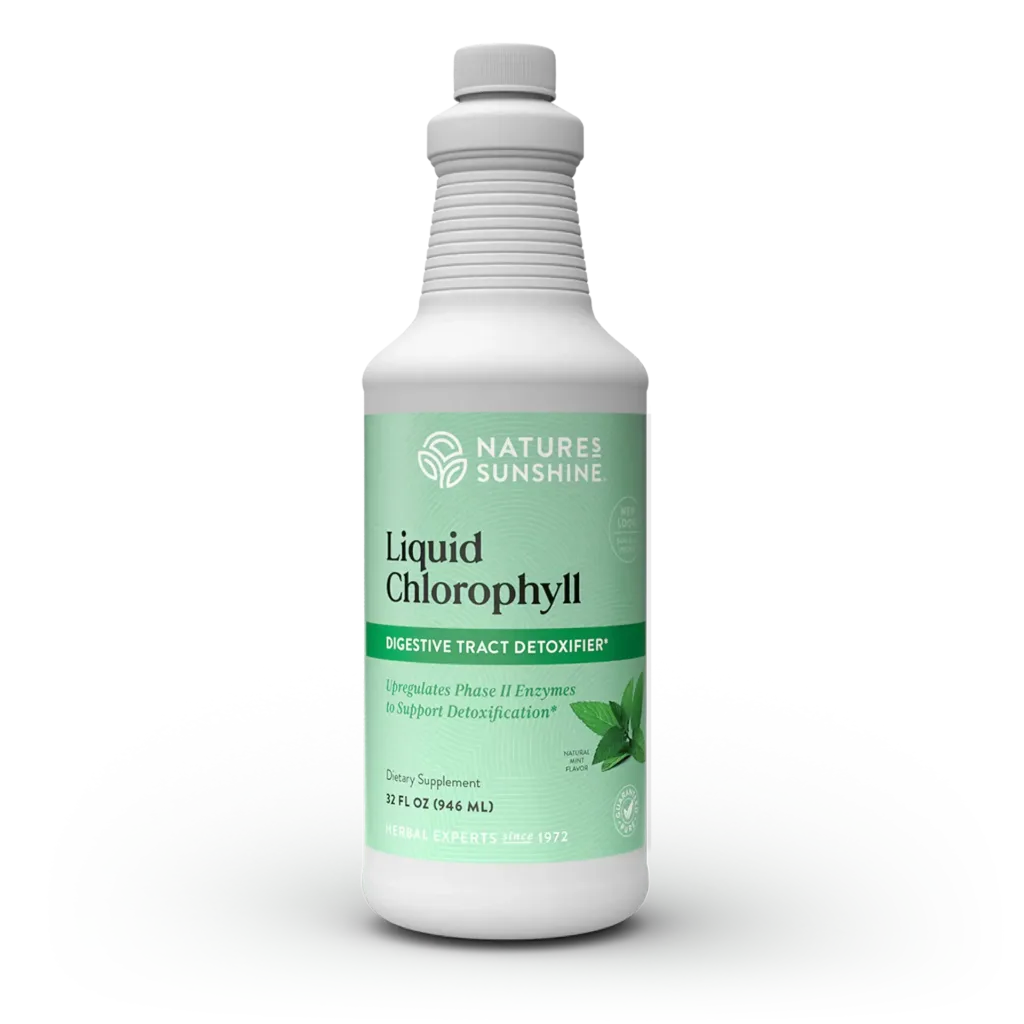
Most commercial Liquid Chlorophyll products — including Nature's Sunshine Liquid Chlorophyll — contain sodium copper chlorophyllin, a water-soluble, semisynthetic derivative of the Chlorophyll found naturally in green plants. When taken orally, sodium copper chlorophyllin may cause green discoloration of feces, and there have also been occasional reports of diarrhea related to oral use. So while it may not be a traditional "laxative," some people do experience looser or more frequent bowel movements after starting it.
If you're curious whether Liquid Chlorophyll is right for your body — or if the digestive changes you're noticing are normal — our naturopath is available for a free consultation to talk through your individual situation.
Why Liquid Chlorophyll May Affect Your Digestion
To understand why Liquid Chlorophyll can influence bowel habits, it helps to know what happens to Chlorophyll once you swallow it. Research shows that only about 1–3% of Chlorophyll is actually absorbed by the body. The rest passes through the gastrointestinal tract and is excreted in the feces, primarily as pheophytin and pyropheophytin metabolites. This means the vast majority of the Chlorophyll you consume ends up in your stool — which explains the vivid green color many people report.
Because so much of the compound remains in the gut, Chlorophyll and its derivatives interact extensively with the gastrointestinal environment. Preclinical research has shown that chlorophyllin may directly impact gut microbiota composition, and a human study involving thylakoid supplementation (Chlorophyll-containing plant membranes) found that Bacteroides fragilis group bacteria increased compared to placebo — without causing steatorrhea or other adverse GI effects.
The occasional diarrhea some people experience with oral sodium copper chlorophyllin has been documented in the safety literature, though natural chlorophylls are not known to be toxic, and no toxic effects have been attributed to chlorophyllin despite more than 50 years of clinical use in humans.
Is Green Poop from Chlorophyll Normal?
Yes — green stool after taking Liquid Chlorophyll is a well-documented and expected side effect, not a sign that something is wrong. When taken orally, supplemental Chlorophyll or sodium copper chlorophyllin may cause green discoloration of urine or feces, or yellow or black discoloration of the tongue. These color changes are simply a result of the pigment passing through your system.
One practical note worth knowing: oral chlorophyllin may result in false positive results on guaiac card tests for occult blood. If you're scheduled for any stool-based screening, let your healthcare provider know you're taking a Chlorophyll supplement so results can be interpreted accurately.
What Liquid Chlorophyll Is Traditionally Used For
While digestive effects get a lot of attention, Liquid Chlorophyll has a broader traditional profile. Nature's Sunshine Liquid Chlorophyll is formulated to support natural blood-cleansing processes, encourage proper immune response, strengthen the body on a cellular and molecular level, and act as a natural deodorizer.
Chlorophyll has been traditionally used as an internal cleanser and detoxifier for decades, based on its documented ability to bind certain chemicals in the gastrointestinal tract and support liver detoxification enzyme systems. Research suggests that chlorophyllin can form tight molecular complexes with certain chemicals known or suspected to cause cancer — including polyaromatic hydrocarbons found in tobacco smoke and aflatoxin B1 — potentially interfering with gastrointestinal absorption and reducing the amount that reaches susceptible tissues.
Chlorophyll has also been marketed as an internal deodorant since the 1950s. A study published in 1980 found that chlorophyllin administration was "helpful in controlling body and fecal odors" in 62 geriatric nursing home patients. Another small study in Japanese patients with trimethylaminuria found that oral sodium copper chlorophyllin significantly decreased urinary trimethylamine. The evidence for deodorizing effects in healthy individuals, however, is largely anecdotal or drawn from small, dated studies.
Traditionally, Chlorophyll's structural similarity to hemoglobin — both are tetrapyrrole ring structures — has led to the belief that Chlorophyll-rich preparations may support red blood cell production. Historically, Chlorophyll products were used in medicinal preparations for anemia support, though controlled human evidence for isolated Chlorophyll supplementation in this area remains limited.
Key ingredients
- ✓ Free shipping over $75
- ✓ 90-day easy returns
- ✓ Ships within hours
How to Take Liquid Chlorophyll
Nature's Sunshine recommends: Take 2 tablespoons (30mL) in an 8 fl oz glass of cold water daily. Refrigerate after opening.
Starting with a smaller amount and gradually working up to the full serving may help your digestive system adjust, particularly if you're concerned about changes in bowel habits. If you experience persistent digestive discomfort, our naturopath is happy to discuss your experience during a free consultation.
Important safety notes: since the safety of Chlorophyll supplements has not been tested in pregnant or lactating women, they should be avoided during pregnancy and lactation. Individuals with rare disorders of copper metabolism, such as Wilson's disease, should limit exposure to copper additives, including supplemental sodium copper chlorophyllin. A case of delayed methotrexate clearance has been reported following use of a Chlorophyll-containing supplement, so anyone on chemotherapy or other medications should consult their healthcare provider first.
Written by Greg Howlett
Frequently asked questions
Does Liquid Chlorophyll make you poop more?
Some people do experience changes in bowel frequency after starting Liquid Chlorophyll. Occasional diarrhea has been documented as a side effect of oral sodium copper chlorophyllin. However, Chlorophyll is not classified as a laxative, and most of the compound simply passes through the digestive tract unabsorbed — about 97–99% is excreted in the feces. The digestive response varies from person to person.
Why does Chlorophyll turn my poop green?
Green stool is a normal and well-documented effect of taking Liquid Chlorophyll. Sodium copper chlorophyllin is a green pigment, and since only about 1–3% is absorbed by the body, the rest passes through the GI tract and is excreted in feces as pheophytin and pyropheophytin metabolites. You may also notice green discoloration of urine or yellow/black discoloration of the tongue — all of which are expected.
Is Liquid Chlorophyll safe to take every day?
Natural chlorophylls are not known to be toxic, and no toxic effects have been attributed to chlorophyllin despite more than 50 years of clinical use in humans. However, safety has not been established for pregnant or lactating women, and individuals with copper metabolism disorders like Wilson's disease should avoid it due to its copper content. If you're taking any medications, it's wise to check with a healthcare provider, as a potential interaction with methotrexate has been reported in at least one case.
Does Liquid Chlorophyll help with body odor?
Chlorophyll has been marketed as an internal deodorant since the 1950s. A 1980 study found that chlorophyllin was helpful in controlling body and fecal odors in 62 geriatric nursing home patients, and a small study showed oral SCC significantly decreased urinary trimethylamine in patients with trimethylaminuria. However, the evidence for deodorizing effects in otherwise healthy individuals is largely anecdotal or drawn from small, older studies.
Can Liquid Chlorophyll interfere with lab tests?
Yes — oral chlorophyllin may result in false positive results on guaiac card tests for occult blood (a common stool screening test). If you have any upcoming stool-based screening, let your healthcare provider know that you're taking a Chlorophyll supplement so they can account for this possibility.
What's the difference between Chlorophyll and chlorophyllin?
Natural Chlorophyll is fat-soluble and does not dissolve well in water. Most Liquid Chlorophyll supplements — including this one — actually contain sodium copper chlorophyllin, a semisynthetic derivative where the central magnesium atom is replaced by copper and the fat-soluble phytol tail is removed. This makes it water-soluble and suitable for liquid formulas. Chlorophyllin was specifically developed for supplemental and therapeutic use and has been used safely for over 50 years.
Talk to Dr. Shannyn Fowl
Not sure if this is right for you? Book a free, no-pressure consultation for personalized guidance on your health goals.
Book your free consult →About Caring Sunshine
A family-run reseller of premium supplements — free shipping, a 90-day guarantee, and real people who know the products.
Learn more about us →