
Deep Calm Magnesium Complex | Heart, Nerve & Bone
Explore our deep calm Magnesium Complex with citrate & malate forms. Learn how this highly soluble formula supports heart health, nervous system, and bone density.
Deep Calm Magnesium Complex: What It Is and Why It Matters
Magnesium is the fourth most abundant cation in the human body and a critical cofactor in more than 300 enzyme systems that regulate energy metabolism, neuromuscular function, cardiovascular health, bone integrity, and psychological well-being. Despite its vital importance, an estimated 56–68% of Americans do not obtain enough Magnesium from their daily diet to meet the recommended daily allowance.
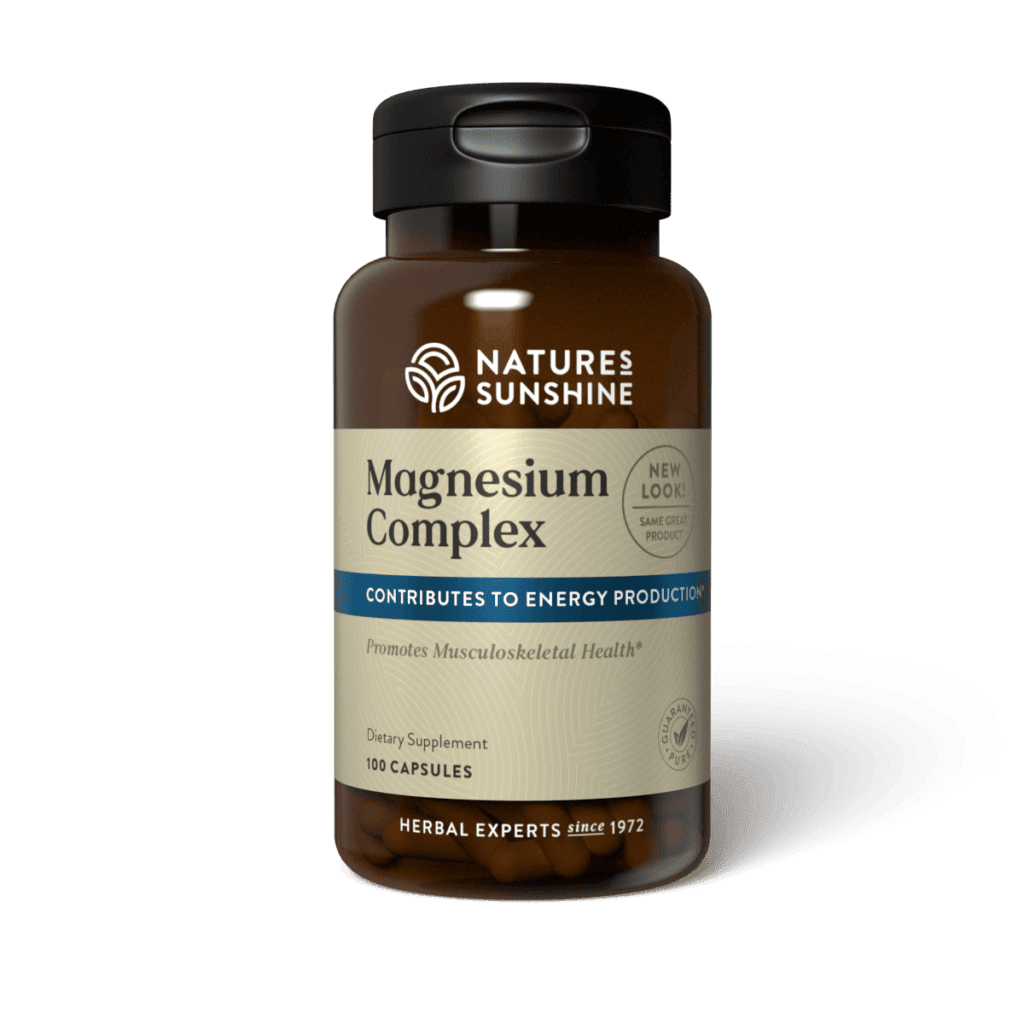
Nature's Sunshine Magnesium Complex delivers this essential mineral in two highly bioavailable organic forms — Magnesium citrate and Magnesium malate — designed for optimum effectiveness. Each two-capsule serving provides 184 mg of Magnesium to support the brain, heart, and kidneys. This deep calm Magnesium Complex is formulated with solubility in mind: Magnesium citrate has demonstrated high solubility even in water (55%) and was substantially more soluble than Magnesium oxide in all states of acid secretion, meaning the mineral is better positioned for efficient absorption.
Historically, Magnesium's value has been recognized for centuries. Ancient authors including Hippocrates, Galen, and Paracelsus described the calming and restorative effects of Magnesium-rich mineral waters and salts. Traditional Chinese Medicine and Ayurveda both incorporated Magnesium-containing minerals into tonics and remedies aimed at restoring balance in the body. Today, modern research continues to explore the wide-ranging roles of this indispensable mineral.
Dual-Form Magnesium: Citrate and Malate Working Together
Not all Magnesium supplements are created equal. The form of Magnesium matters significantly for absorption and effectiveness. Organic forms such as Magnesium citrate and Magnesium malate are chelated to organic acids, making them generally more soluble and more bioavailable than inorganic forms like Magnesium oxide.
Magnesium citrate is one of the most bioavailable supplemental forms available. Research has confirmed its high solubility in water and substantially greater solubility compared to Magnesium oxide across all states of acid secretion. Magnesium malate, likewise an organic salt, shares these absorption advantages. By combining these two forms in a single deep calm Magnesium Complex, this formula provides complementary pathways for efficient mineral uptake.
Once absorbed, the Mg²⁺ ion serves as an indispensable cofactor throughout the body. It plays a pivotal role in ATP synthesis — the fundamental energy currency of every cell — and is essential for ion transport via the Na,K-ATPase pump, nerve signal transmission through NMDA receptor modulation, and the regulation of cardiac ion channels and vascular tone. This breadth of action is what makes Magnesium relevant to so many body systems simultaneously.
Key Ingredients
- ✓ Free shipping over $75
- ✓ 90-day easy returns
- ✓ Ships within hours
Who May Benefit from a Deep Calm Magnesium Complex
Because Magnesium plays essential roles across so many body systems, a wide range of people may benefit from supplementation — especially given how common inadequate intake is in the modern diet.
Adults concerned about heart health. Research suggests that higher Magnesium levels are inversely associated with risks of coronary heart disease, stroke, and total cardiovascular disease. The FDA approved a qualified health claim in 2022 stating that consuming diets with adequate Magnesium may reduce the risk of high blood pressure, though the agency noted the evidence is inconsistent and inconclusive. This deep calm Magnesium Complex provides 184 mg per two-capsule serving to support the cardiovascular system.
Those focused on bone density. Magnesium is involved in bone formation and influences osteoblast and osteoclast activity. It also affects concentrations of parathyroid hormone and the active form of vitamin D — major regulators of bone homeostasis. Large cohort studies have found higher Magnesium intake associated with greater bone mineral density, making this formula relevant for people thinking about long-term skeletal health.
Anyone seeking nervous system support. Magnesium regulates NMDA receptor activity and modulates neuronal excitability, with implications for nerve function, muscle comfort, and overall neurological well-being. Research suggests deficiency is associated with neuromuscular hyperexcitability, muscle cramps, and fatigue.
Older adults. As we age, Magnesium absorption and retention can decrease, and medication use — particularly diuretics and proton pump inhibitors — can further deplete stores. Older adults are among the groups most susceptible to Magnesium inadequacy.
If you're unsure whether a deep calm Magnesium Complex is right for your specific needs, our naturopath offers free consultations to help you make a well-informed choice.
How to Take Magnesium Complex
Take 2 capsules twice daily with a meal. Each bottle contains 100 capsules.
Taking Magnesium with food supports absorption and may reduce the likelihood of stomach-related side effects. The organic forms in this formula — citrate and malate — are already highly soluble, and pairing them with a meal further supports comfortable digestion.
Important safety notes: Magnesium supplements can interact with certain medications. If you take bisphosphonates, separate your doses by at least 2 hours. For tetracycline or quinolone antibiotics, take the antibiotic at least 2 hours before or 4–6 hours after Magnesium. Magnesium may also reduce the absorption of gabapentin by approximately 20%. Loop and thiazide diuretics can deplete Magnesium through increased urinary excretion, while long-term use of proton pump inhibitors (PPIs) can cause low Magnesium levels. Always consult a healthcare professional before starting supplementation if you take prescription medications or have impaired kidney function.
Written by Greg Howlett
Frequently asked questions
What forms of Magnesium are in this deep calm Magnesium Complex?
Magnesium Complex contains two organic forms of Magnesium: Magnesium citrate and Magnesium malate. Organic forms like these are chelated to organic acids, making them generally more soluble and more bioavailable than inorganic forms such as Magnesium oxide. Magnesium citrate in particular has demonstrated 55% solubility in water and was substantially more soluble than Magnesium oxide in all states of acid secretion.
How much Magnesium does each serving provide?
Two capsules provide 184 mg of Magnesium. The label directions suggest taking 2 capsules twice daily with a meal, which would provide 368 mg of Magnesium per day from both servings combined.
Why is Magnesium important for heart and cardiovascular health?
Research suggests that Magnesium regulates cardiac excitation, vascular tone, and endothelial function. Large meta-analyses and prospective cohort studies consistently associate higher Magnesium levels with lower risks of coronary heart disease, stroke, and arrhythmia. In 2022, the FDA approved a qualified health claim stating that diets with adequate Magnesium may reduce the risk of high blood pressure, though the agency noted the evidence remains inconsistent and inconclusive. Magnesium is also a well-established cofactor in cardiac electrophysiology, modulating ion channel exchanges and action potentials.
Can Magnesium supplements interact with medications?
Yes. Magnesium can decrease the absorption of bisphosphonates (separate doses by at least 2 hours), form insoluble complexes with tetracycline and quinolone antibiotics (take the antibiotic at least 2 hours before or 4–6 hours after Magnesium), and may reduce gabapentin absorption by about 20%. Loop and thiazide diuretics can deplete Magnesium, while long-term proton pump inhibitor (PPI) use can cause low Magnesium levels. Always consult a healthcare professional if you take prescription medications.
How common is Magnesium deficiency?
It is estimated that between 56 and 68% of Americans do not obtain enough Magnesium in their daily diet to meet the recommended daily allowance. Groups at elevated risk include older adults (due to decreased absorption and increased medication use), individuals with gastrointestinal disorders, those with type 2 diabetes, and people with alcohol dependence. Early signs of deficiency include fatigue, weakness, muscle cramps, and loss of appetite.
Does this product support bone health?
Research suggests that Magnesium is involved in bone formation and influences the activities of osteoblasts and osteoclasts — the cells that build and break down bone. It is also required for vitamin D activation and calcium metabolism, both major regulators of bone homeostasis. Observational data from large cohort studies found higher Magnesium intake associated with 2–3% greater bone density in women, and one short-term study using Magnesium citrate in postmenopausal women with osteoporosis showed suppressed bone turnover compared to placebo.
Talk to Dr. Shannyn Fowl
Not sure if this is right for you? Book a free, no-pressure consultation for personalized guidance on your health goals.
Book your free consult →About Caring Sunshine
A family-run reseller of premium supplements — free shipping, a 90-day guarantee, and real people who know the products.
Learn more about us →