First order?Save 20%
(888) 510-7196

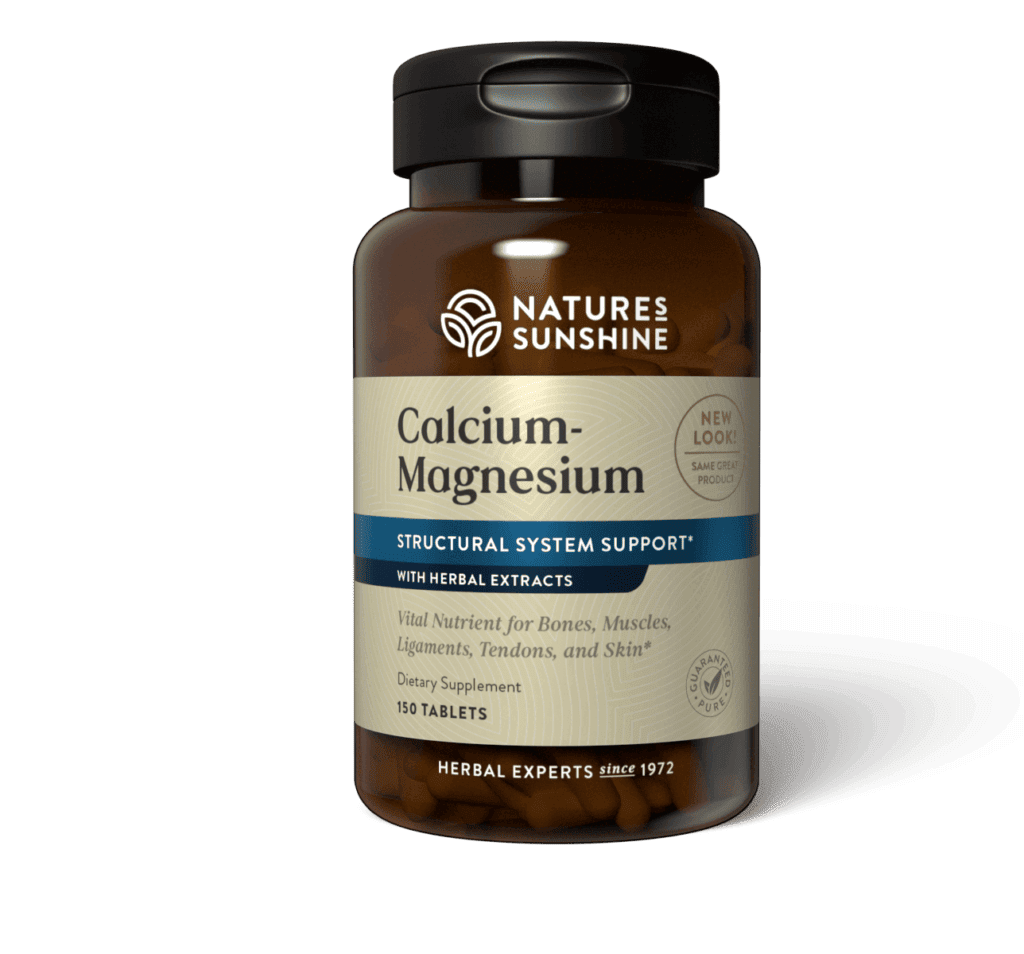
Calcium Magnesium | Bone, Muscle & Nerve Support

Explore how Calcium-Magnesium (SynerPro) supports bone density, muscle function, and nervous system health with Vitamin D3, Zinc, Copper, Boron, and more.

Overview

What Is Calcium Magnesium and Why Does It Matter?

Calcium and Magnesium are two of the most abundant minerals in the human body, and they work best when used together. Calcium is widely recognized for its importance in bone health, but it also supports the muscular system, the nervous system, and the circulatory system. Magnesium stimulates enzyme activity and, when used in conjunction with Calcium, also supports muscular and nervous system health.

Unfortunately, heavily processed modern diets remove Magnesium from most Magnesium-rich foods, making supplementation an important consideration. Nature's Sunshine Calcium-Magnesium (SynerPro) addresses this gap by blending these two key nutrients with Vitamin D3, Zinc, Copper, Boron, and Phosphorus β€” all from natural sources β€” in a formula that includes Nature's Sunshine SynerPro base featuring Broccoli flower, Carrot root, red Beet root, Rosemary leaf, Tomato fruit, Turmeric root, Cabbage leaf, Grapefruit bioflavonoid, Orange bioflavonoid, and Hesperidin.

This comprehensive Calcium Magnesium formula is designed to strengthen teeth, bones, skin, and tendons while encouraging proper circulation and helping to balance pH levels.

What's inside

Key ingredients

Calcium β€” 400 mg
Calcium is the primary mineral constituent of bone, with more than 99% of the body's Calcium stored as hydroxyapatite in the skeleton. Research suggests that Calcium supplementation significantly improves bone mineral density (BMD), particularly in people under 35 who are building peak bone mass. Combined with vitamin D, Calcium helps attenuate bone loss in older adults. Beyond the skeleton, Calcium is essential for muscle contraction and relaxation β€” low Calcium intake is associated with muscle spasms, cramps, and weakness. Calcium ions also serve as universal second messengers in nerve cells, stabilizing membrane potential and controlling the excitability of neurons.
Magnesium β€” 200 mg
Magnesium is a cofactor in more than 300 enzyme systems that regulate diverse biochemical reactions, including protein synthesis, muscle and nerve function, blood glucose control, and blood pressure regulation. Observational data from large cohort studies have found that higher Magnesium intake is associated with 2–3% greater bone density in women, and clinical trials show supplementation may attenuate bone loss. Magnesium is also the most studied mineral supplement for skeletal muscle cramps; deficiency impairs muscle relaxation, as muscles contract normally but struggle to fully release when levels are low. In the nervous system, Magnesium acts as a natural NMDA receptor antagonist, modulating synaptic transmission and neuronal excitability, and deficiency is linked to neurological symptoms ranging from migraine to mood disturbances.
Vitamin D3 β€” 2.5 mcg
Vitamin D3 (cholecalciferol) is the animal-derived and skin-synthesized form of vitamin D, and research suggests it is more potent than D2 in raising serum 25(OH)D levels. Randomized controlled trials consistently show that Vitamin D3 combined with Calcium reduces bone loss, particularly at the hip and spine, and it is endorsed by WHO, NIH, and major osteoporosis guidelines as the preferred supplemental form for bone health. Vitamin D3 enhances intestinal Calcium and Phosphorus absorption β€” processes critical for bone mineralization β€” and its deficiency is associated with rickets in children, osteomalacia, and proximal muscle weakness in adults.
Phosphorus β€” 250 mg
Phosphorus is the second most abundant mineral in bone, forming hydroxyapatite with Calcium as the primary mineral matrix of skeletal tissue. Adequate dietary Phosphorus is universally recognized as essential for bone mineralization and maintaining BMD. Phospholipids containing Phosphorus are the primary components of neuronal cell membranes and are required for synaptic neurotransmission, while phosphate-based high-energy molecules such as ATP and phosphocreatine fuel all nervous system function. Phosphorus also helps regulate the normal function of nerves and muscles, including the heart.
Zinc β€” 7.5 mg
Zinc is an essential cofactor for alkaline phosphatase and enzymes critical to bone matrix synthesis and remodeling. Clinical evidence links Zinc deficiency with reduced BMD, and supplementation studies suggest Zinc supports bone formation markers. It is recognized by the NIH ODS and the National Academy of Sciences as important for bone health. Zinc is also required for the activity of more than 300 enzymes covering all six enzyme classes, and it plays a fundamental role in immune regulation, DNA synthesis, and nervous system function β€” it is one of the most abundant metal ions in the central nervous system and is essential for synaptic activity and neuronal plasticity.
Copper β€” 1 mg
Copper is an essential cofactor for lysyl oxidase, the enzyme responsible for crosslinking collagen and elastin fibers in the bone matrix. Copper deficiency causes bone abnormalities including osteoporosis-like lesions and impaired collagen crosslinking. The NIH ODS and the National Academy of Sciences recognize Copper as a micronutrient relevant to bone metabolism. Copper is also essential for myelination of the brain and spinal cord, neurotransmitter synthesis via dopamine Ξ²-hydroxylase, and synaptic transmission. Deficiency causes myelopathy, peripheral neuropathy, and demyelination, as documented in human case series.
Boron β€” 0.5 mg
Boron is a trace mineral that modulates vitamin D hydroxylation, delays estrogen and vitamin D degradation, and influences Calcium and Magnesium metabolism relevant to bone. In a seminal metabolic ward study, Boron supplementation (3 mg/day) in postmenopausal women reduced urinary Calcium excretion by 44% and urinary Magnesium excretion while significantly elevating serum 17Ξ²-estradiol concentrations. A 2024 pilot study found a significant link between Boron intake and bone mineral density in postmenopausal women. The NIH ODS and National Academy of Sciences include Boron among micronutrients relevant to bone metabolism.
Broccoli flower β€” 100 mg
Part of the SynerPro base, Broccoli flower is rich in bioactive compounds including glucosinolates that can be converted to sulforaphane and indole-3-carbinol. Research suggests sulforaphane inhibits osteoclast activity (bone resorption) and reduces oxidative stress in bone cells. Broccoli is also a dietary source of vitamin K and Calcium, nutrients essential for bone mineralization. A 2021 study linked sulforaphane to inhibition of osteoclasts that break down bone mass.
Carrot root β€” 100 mg
Carrot root is a rich source of multiple vitamins, minerals, and bioactive compounds including carotenoids (alpha- and beta-carotene, lutein, zeaxanthin), phenolic compounds, polyacetylenes, and ascorbic acid. These constituents possess documented antioxidant and anti-inflammatory activity. Carrot root contributes to the SynerPro base's broad phytonutrient profile.
red Beet root β€” 100 mg
Red Beet root is rich in betalain pigments, nitrates, and polyphenolic compounds. Research suggests that beetroot-derived nitric oxide supports cerebral blood flow, particularly to the frontal cortex, with some randomized controlled trials showing acute improvements in cognitive performance and executive function. Betaine from Beet provides methyl groups for neurotransmitter synthesis. Beet root contributes to the SynerPro base's antioxidant and nutrient-supportive profile.
Rosemary leaf β€” 100 mg
Rosemary (Rosmarinus officinalis) has been used in European traditional medicine since antiquity for nervous system stimulation, cognitive enhancement, and headache relief. Modern research identifies rosmarinic acid and carnosic acid as active compounds with neuroprotective and acetylcholinesterase-inhibiting properties. Human studies suggest Rosemary may support memory, alertness, and cognitive speed, and its bioactive compounds cross the blood-brain barrier to activate neuroprotective NRF2 pathways.
Tomato fruit β€” 100 mg
Tomato fruit is a primary dietary source of lycopene, a potent antioxidant carotenoid. Human epidemiological studies and a pilot clinical trial support lycopene's role in protecting bone mineral density. In a controlled pilot study of 39 postmenopausal women, those consuming lycopene-rich Tomato sauce daily for 3 months had no significant bone loss, while control women lost bone (p=0.002). Lycopene activates osteogenic pathways (WNT/Ξ²-catenin, ERK1/2) and suppresses bone resorption signaling.
Turmeric root β€” 100 mg
Turmeric root contains curcumin, a polyphenol with documented anti-inflammatory and antioxidant properties. Preclinical studies and limited clinical evidence suggest curcumin supports bone health by promoting osteoblast activity and inhibiting osteoclastogenesis. Curcumin also exhibits documented neuroprotective properties including anti-neuroinflammatory and BDNF-upregulating effects relevant to nervous system health, with multiple randomized controlled trials and systematic reviews confirming reductions in joint pain and improvements in physical function.
Cabbage leaf β€” 100 mg
Cabbage leaf (Brassica oleracea var. capitata) is rich in glucosinolates, flavonoids, phenolic compounds, and vitamins C and K. Glucosinolates are hydrolyzed into biologically active isothiocyanates and indoles with documented antioxidant and anti-inflammatory properties. As part of the SynerPro base, Cabbage leaf contributes a broad spectrum of phytonutrients.
Grapefruit bioflavonoid β€” 100 mg
Grapefruit bioflavonoid provides naringin and naringenin β€” flavanone compounds with documented antioxidant and anti-inflammatory properties. Research suggests these flavanones promote the scavenging of reactive oxygen species, inhibit inflammatory cytokine action, and may support endothelial cell health by attenuating inflammation via inhibition of NF-ΞΊB.
Orange bioflavonoid β€” 100 mg
Orange bioflavonoid provides Hesperidin, narirutin, and other citrus flavanones. Hesperidin from Orange has been shown in experimental models to regulate bone metabolism through Wnt/Ξ²-catenin signaling, promote osteogenic differentiation, and protect against bone loss. Orange bioflavonoid also delivers vitamin C, an essential cofactor for collagen synthesis and a recognized contributor to antioxidant defense.
Hesperidin β€” 100 mg
Hesperidin is a flavanone glycoside concentrated in citrus peels, particularly sweet Orange. Preclinical studies show it promotes osteogenesis by upregulating osteogenic markers and organizing collagen matrix in bone tissue, and a clinical trial (NCT01881204) evaluated Hesperidin combined with Calcium for bone health in postmenopausal women. Hesperidin also exhibits neuroprotective properties β€” preclinical studies demonstrate protection of nerve tissue through reduction of oxidative and inflammatory stress, and it crosses the blood-brain barrier. Meta-analyses of randomized controlled trials have found significant reductions in inflammatory markers including TNF-Ξ± and C-reactive protein.
Calcium-Magnesium (SynerPro)
β˜…β˜…β˜…β˜…β˜… 4.5 (35 reviews)
  • βœ“ Free shipping over $75
  • βœ“ 90-day easy returns
  • βœ“ Ships within hours
Calcium-Magnesium (SynerPro)
$24.85
Who Benefits

Who Is Calcium Magnesium For?

This formula is well suited for anyone looking to support structural health, but several groups may find it especially relevant:

  • Adults focused on bone density β€” Research suggests Calcium combined with Vitamin D3 helps attenuate bone loss, especially at the hip and spine. Supporting minerals like Phosphorus, Zinc, Copper, and Boron each contribute to bone matrix integrity through complementary mechanisms.
  • People experiencing occasional muscle cramps β€” Both Calcium and Magnesium play essential roles in muscle contraction and relaxation. Low levels of either mineral are associated with muscle spasms and cramps.
  • Those wanting nervous system support β€” Magnesium acts as a natural NMDA receptor antagonist, modulating neuronal excitability. Phosphorus fuels neural signaling through ATP, while Copper and Zinc are essential for neurotransmitter synthesis and synaptic function.
  • Individuals with limited dietary variety β€” Modern processed diets may be low in Magnesium and other trace minerals. This formula provides a convenient way to help fill nutritional gaps.

If you're unsure whether Calcium Magnesium supplementation is right for your needs, our naturopath offers free consultations β€” no appointment pressure, just personalized guidance based on your health goals.

How to Use

Directions for Use

Take 2 tablets with a meal twice daily.

Each bottle contains 150 tablets. At the recommended serving of 2 tablets taken twice daily, a single bottle provides approximately a 37-day supply.

About the author

Written by Greg Howlett

GH

Greg Howlett

Founder

Greg has spent over a decade helping customers choose the right natural-health products. He personally vets every formula we carry and writes these guides to cut through the marketing noise with practical, experience-based advice.

FAQ

Frequently asked questions

Why are Calcium and Magnesium combined in one supplement?

Calcium and Magnesium work best when used together. Calcium supports the skeletal, muscular, nervous, and circulatory systems, while Magnesium stimulates enzyme activity and, when used in conjunction with Calcium, also supports muscular and nervous system health. Combining them in one formula helps ensure both minerals are available for their complementary roles.

What is the SynerPro base in this formula?

The SynerPro base is Nature's Sunshine's proprietary whole-food blend that includes Broccoli flower, Carrot root, red Beet root, Rosemary leaf, Tomato fruit, Turmeric root, Cabbage leaf, Grapefruit bioflavonoid, Orange bioflavonoid, and Hesperidin. These ingredients contribute phytonutrients, antioxidant compounds, and bioflavonoids that complement the mineral formula.

Why is Vitamin D3 included in a Calcium Magnesium supplement?

Vitamin D3 enhances intestinal Calcium and Phosphorus absorption β€” processes critical for bone mineralization. Research suggests that Vitamin D3 combined with Calcium reduces bone loss, and major osteoporosis guidelines endorse Vitamin D3 as the preferred supplemental form to support bone health. Without adequate vitamin D, Calcium absorption from both dietary sources and supplements is significantly diminished.

How does this formula support pH balance?

According to Nature's Sunshine, Calcium Magnesium SynerPro encourages proper circulation and helps balance pH levels. Calcium and Magnesium are alkaline minerals that may contribute to maintaining the body's acid-base balance.

Can I take this formula with other medications?

Calcium supplements may interact with certain medications including levothyroxine, quinolone and tetracycline antibiotics, and bisphosphonates. Magnesium can also interact with some drugs. We recommend consulting with a healthcare provider or reaching out to our naturopath for a free consultation if you take prescription medications.

What role does Boron play in this formula?

Boron is a trace mineral that supports bone health by reducing urinary excretion of Calcium and Magnesium and by influencing vitamin D metabolism. A metabolic ward study found that Boron supplementation (3 mg/day) in postmenopausal women reduced urinary Calcium excretion by 44%. Though present in a smaller amount in this formula, Boron complements the primary minerals by helping the body retain them more effectively.

Talk to an expert

Talk to Dr. Shannyn Fowl

Not sure if this is right for you? Book a free, no-pressure consultation for personalized guidance on your health goals.

Book your free consult β†’
Who we are

About Caring Sunshine

A family-run reseller of premium supplements β€” free shipping, a 90-day guarantee, and real people who know the products.

Learn more about us β†’