
Benefits of Collagen Peptides | Caring Sunshine
Discover the benefits of Collagen peptides for skin elasticity, hair growth, nail strength, and joint support. Learn what the research says and how to use them.
Benefits of Collagen Peptides: What They Are and Why They Matter
Collagen is the single most abundant protein in the human body, comprising approximately one-third of total proteins. It forms the structural foundation of skin, hair, nails, bones, cartilage, tendons, and ligaments — essentially the framework upon which your body is built. Rich in the amino acids glycine, proline, and hydroxyproline, Collagen provides the characteristic fiber-like structure that gives tissues their rigidity and resistance to stretching.
As we age, Collagen levels naturally decline. Skin aging is characterized by decreasing levels of Collagen, elastin fiber, and hyaluronic acid, resulting in a loss of elasticity and hydration. This is where the benefits of Collagen peptides come in. Through a process called hydrolysis, the large Collagen molecule is broken down into smaller, low-molecular-weight peptide chains (3–6 kDa) that the body can absorb and use more readily.
Studies have shown that when hydrolyzed Collagen is taken orally, it is absorbed as di- and tripeptides — small amino acid chains typically rich in hydroxyproline. These smaller peptides are believed to enter circulation and reach target tissues like skin and cartilage, where they may help support Collagen-producing cells known as fibroblasts.
The tradition of consuming Collagen-rich foods stretches back millennia. From Chinese bone broths made with chicken feet to French pot-au-feu, Vietnamese pho, and Mexican caldo de res, cultures worldwide independently developed preparations that supplied this distinctive protein family. Modern Collagen peptide powders offer the same structural building blocks in a convenient format — no hours of simmering required.
What the Science Says About Collagen Peptides
The benefits of Collagen peptides have been evaluated in over 60 clinical studies. Here's what the current body of research tells us across key areas of interest.
Skin Elasticity, Hydration, and Aging
This is where the evidence is strongest. A systematic review and meta-analysis utilizing data from 10 randomized controlled trials (RCTs) with 646 participants found that Collagen supplements were statistically effective in increasing skin hydration and elasticity. Multiple meta-analyses of RCTs — encompassing up to 26 trials and 1,721 participants — demonstrate significant improvements in skin elasticity and hydration after 8–12 weeks. Research suggests that fibroblasts recognize bioactive peptides such as Pro-Hyp and Gly-Pro-Hyp, and in response upregulate Collagen and hyaluronic acid synthesis.
Hair and Nail Support
Research suggests that oral Collagen peptides provide amino acid substrates — notably proline, glycine, and hydroxyproline — that support keratin synthesis and dermal matrix integrity around hair follicles. A 2022 study found fish-derived Collagen peptides promoted human dermal papilla cell proliferation and stimulated hair regrowth in mice. For nails, a 2017 open-label trial found that bioactive Collagen peptides for 24 weeks increased nail growth rate by 12% and reduced the frequency of broken nails by 42% in women with brittle nail syndrome.
Joint Health
A systematic review and meta-analysis (2023) provides evidence of significant pain reduction in knee osteoarthritis patients who received Collagen peptides compared to placebo. For exercise-related joint discomfort, a systematic review of 15 RCTs found that Collagen supplementation increased pain-free time to exertion and supported Collagen synthesis, with beneficial effects appearing to take hold after three months or longer of consistent use.
Bone Density
Preliminary research, primarily in postmenopausal women with osteopenia, suggests that Collagen supplementation may support bone strength, density, and mass. These findings are promising but require larger, independent replications before firm conclusions can be drawn.
Key Ingredients
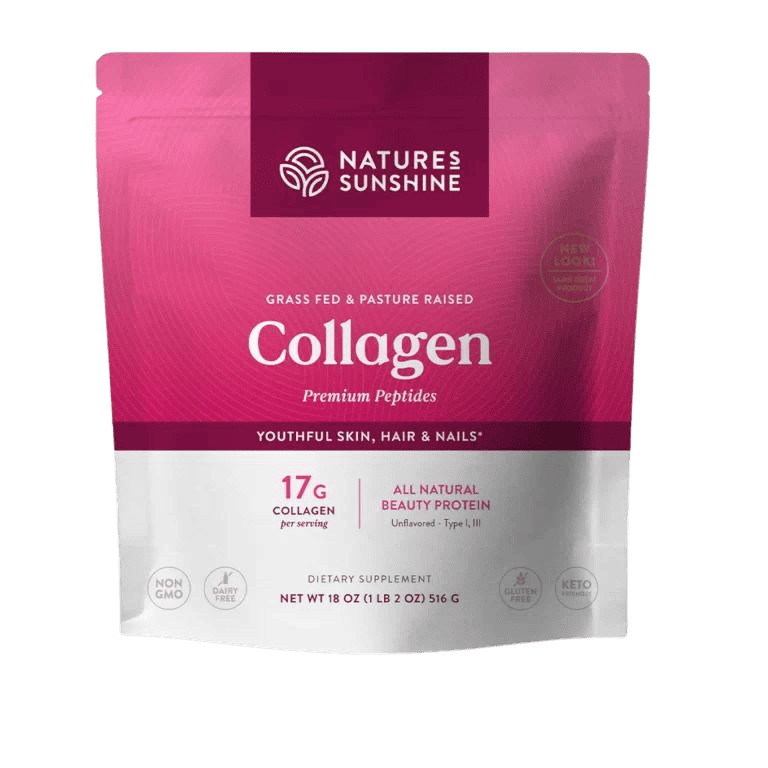
- ✓ Free shipping over $75
- ✓ 90-day easy returns
- ✓ Ships within hours
Who Benefits Most from Collagen Peptides?
Collagen peptides may be a good fit for a wide range of people. If you're noticing changes in your skin's firmness or hydration as the years go by, research suggests that Collagen peptide supplementation may help promote elasticity and moisture from within. Anyone concerned with maintaining a youthful appearance for hair, skin, and nails may find these peptides a valuable daily addition.
Active individuals and athletes may also appreciate the benefits of Collagen peptides. Research suggests that Collagen supplementation, particularly when combined with exercise, may help support joint comfort and connective tissue integrity. A systematic review found that beneficial effects on functional joint comfort appear to take hold after three months or more of consistent use.
Postmenopausal women looking to support bone health may find preliminary research on Collagen peptides encouraging, though more studies are needed in this area. And because this formula is certified non-GMO, gluten-free, dairy-free, Keto-friendly, and Paleo-friendly, it fits comfortably into many different dietary approaches.
If you're unsure whether Collagen peptides are right for your particular health goals, our naturopath is available for a free consultation. We're always happy to help you figure out what works best for your body.
How to Take Collagen Peptides
One of the most appealing things about Collagen peptides is how effortlessly they fit into your routine. This Collagen is odorless, tasteless, and mixes easily into any hot or cold beverage, smoothie, or food. Simply stir 1 scoop into any beverage — coffee, tea, water, fruit juice, or whatever you enjoy — or add it to your favorite recipes.
Use daily for best results. Consistency matters, especially since the research suggests that many of the benefits of Collagen peptides — particularly for skin and joints — tend to become noticeable after several weeks of regular use. It is easily integrated into any daily wellness program.
It's worth noting that vitamin C is a known cofactor in the hydroxylation of lysine and proline residues during Collagen synthesis. While this formula focuses on delivering high-quality Collagen peptides and electrolytes, ensuring adequate vitamin C intake through your diet or supplementation may help support your body's Collagen-building processes. If you have questions about combining supplements for your individual needs, our naturopath is here to help with a free consultation.
Written by Greg Howlett
Frequently asked questions
What are Collagen peptides and how are they different from regular Collagen?
Native Collagen is a large, complex protein with low solubility and bioavailability. Collagen peptides (also called hydrolyzed Collagen) are created by breaking down this large protein into smaller amino acid chains through an enzymatic hydrolysis process. These smaller peptides — typically 3–6 kDa in molecular weight — are more readily absorbed by the body. Studies have shown that when taken orally, they are absorbed as di- and tripeptides rich in hydroxyproline, which may enter circulation and reach target tissues like skin and cartilage.
What benefits of Collagen peptides does research support?
The strongest evidence comes from multiple randomized controlled trials and meta-analyses showing that Collagen peptides may support skin hydration and elasticity. Moderate evidence supports their role in promoting joint comfort, particularly in osteoarthritis. Preliminary research suggests potential benefits for bone density, nail strength, and hair appearance. A clinical trial found Collagen peptides increased nail growth rate by 12% and reduced broken nails by 42%. However, for areas like hair, nails, and gut health specifically, the clinical evidence base is still developing.
How long does it take to see results from Collagen peptides?
Research timelines vary by area of benefit. Several RCTs demonstrate improvements in skin elasticity and hydration within 8–12 weeks. For joint-related benefits, a systematic review of 15 RCTs found that beneficial effects appear to take hold after three months or longer of consistent use. Daily use is recommended for best results.
Are Collagen peptides safe to take long term?
Prolonged use of Collagen is deemed to be safe based on the available research. None of the studies within one systematic review reported any adverse effects of Collagen supplementation, even at higher doses of up to 60 g/day or in different supplement forms. Collagen is classified by the FDA as "Generally Recognized as Safe" (GRAS). However, individuals with allergies to the animal source of Collagen (such as seafood or bovine sources) should exercise caution.
Is Collagen a complete protein?
No. Collagen is notably deficient in the essential amino acid tryptophan and is therefore considered an incomplete protein. While it is an excellent source of glycine, proline, and hydroxyproline — amino acids that specifically support connective tissue — it should not be used as a sole protein source. For muscle protein synthesis specifically, research suggests other protein sources like whey may be more beneficial.
Why does this Collagen formula include Potassium?
The Potassium chloride in this formula contributes electrolytes and trace minerals to support an active lifestyle. Potassium is an essential mineral that supports proper muscle contraction, nerve signaling, heart function, and electrolyte balance. This aligns with the product's goal of providing not just beauty benefits but also structural support for bones and joints during daily activity.
Talk to Dr. Shannyn Fowl
Not sure if this is right for you? Book a free, no-pressure consultation for personalized guidance on your health goals.
Book your free consult →About Caring Sunshine
A family-run reseller of premium supplements — free shipping, a 90-day guarantee, and real people who know the products.
Learn more about us →