
Vitamin D3 2000 IU – Bone, Immune & Circulatory Support
Explore how Vitamin D3 2000 IU supports bone density, immune health, and circulation. Learn about ingredients, dosing, and who benefits most from this supplement.
Vitamin D3 2000 IU: The Sunshine Vitamin in Tablet Form
Vitamin D3, also known as cholecalciferol, is a fat-soluble secosteroid that your skin naturally produces when exposed to UVB sunlight. It's the more bioactive of the two forms of vitamin D, and research suggests it may be more than three times as effective as vitamin D2 at raising and maintaining serum 25(OH)D concentrations — the primary marker of vitamin D status.
The challenge is that many factors reduce your body's ability to make enough Vitamin D3 on its own. Season, cloud cover, time of day, skin melanin content, sunscreen use, aging, and indoor lifestyles all limit UVB exposure. Few foods naturally contain meaningful amounts of vitamin D — fatty fish, egg yolks, and beef liver contribute some, but they're typically insufficient to maintain optimal levels. According to data from the National Health and Nutrition Examination Survey, most people in the United States consume less than the recommended amounts of vitamin D.
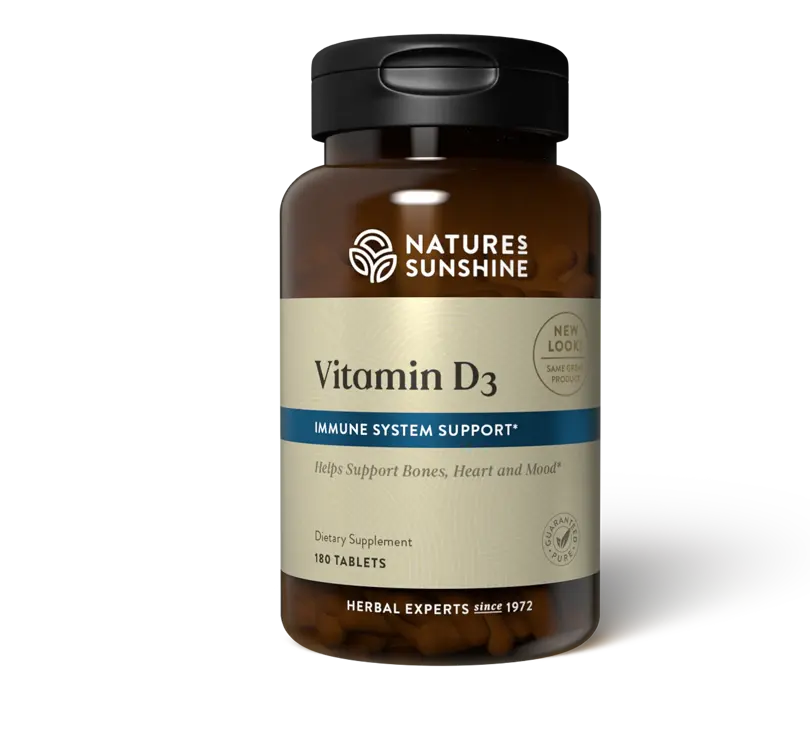
Nature's Sunshine Vitamin D3 2000 IU provides 100 mcg of cholecalciferol per two-tablet serving — a well-studied daily dose designed to support your circulatory, immune, and structural health when sun exposure is limited or unreliable.
From Inactive Prohormone to Active Metabolite
Vitamin D3 as ingested is biologically inert. It requires two sequential hydroxylation steps to become active. The first occurs in the liver, where 25-hydroxylase converts cholecalciferol into 25-hydroxyvitamin D — the major circulating form measured in blood tests. The second takes place in the kidneys, where 1-alpha-hydroxylase produces calcitriol (1,25-dihydroxyvitamin D), the physiologically active metabolite.
Calcitriol exerts its effects through the vitamin D receptor (VDR), which is expressed in cells throughout the body — in bone, immune tissue, muscle, the cardiovascular system, and beyond. Through VDR-mediated genomic and non-genomic pathways, calcitriol helps regulate Calcium and phosphorus absorption in the intestines, supports bone mineralization, and modulates immune responses.
Because Vitamin D3 is fat-soluble, the concurrent presence of dietary fat enhances its absorption in the small intestine, which is why the directions call for taking it with a meal.
Key Ingredients
- ✓ Free shipping over $75
- ✓ 90-day easy returns
- ✓ Ships within hours
Who May Benefit from Vitamin D3 2000 IU
This supplement may be particularly helpful for anyone whose sun exposure is limited — whether due to northern latitudes, long winters, indoor work schedules, or regular sunscreen use. Clouds, smog, aging, and having darker skin all further reduce the amount of Vitamin D3 your body can produce from sunlight.
Adults interested in supporting their bone density, immune resilience, or circulatory health may find Vitamin D3 2000 IU a practical daily addition. Research identifies several high-risk populations — including older adults, individuals with limited sun exposure, and people with malabsorption disorders — who may especially benefit from routine supplementation and monitoring.
This Nature's Sunshine formula is non-GMO and comes in a 180-tablet bottle. If you're unsure whether Vitamin D3 2000 IU fits your wellness goals, our naturopath is available for a free consultation to help you think it through.
How to Take Vitamin D3 2000 IU
Take 2 tablets daily with a meal. Each two-tablet serving provides 100 mcg (2000 IU) of Vitamin D3. Taking it alongside food that contains some dietary fat may support absorption, since Vitamin D3 is fat-soluble.
The bottle contains 180 tablets, providing a 90-day supply at the recommended serving size. If you take other medications — particularly corticosteroids, orlistat, cholestyramine, phenobarbital, phenytoin, thiazide diuretics, or cardiac glycosides — it may be worth discussing Vitamin D3 supplementation with a healthcare provider, as these medications can interact with vitamin D metabolism or Calcium balance.
Written by Greg Howlett
Frequently asked questions
What makes Vitamin D3 different from vitamin D2?
Vitamin D3 (cholecalciferol) is the form naturally produced in human skin and is derived from animal sources, while vitamin D2 (ergocalciferol) comes from plants. Research suggests that Vitamin D3 may be more than three times as effective as vitamin D2 at raising serum 25(OH)D concentrations and maintaining those levels over time. Its metabolites also show superior affinity for vitamin D-binding proteins in plasma.
Is 2000 IU of Vitamin D3 a safe daily dose?
The Institute of Medicine's tolerable upper intake level for vitamin D is 4,000 IU per day for adults and children 9 years and older, making 2000 IU well within the established safe range. The VITAL trial administered 2000 IU of Vitamin D3 daily to over 25,000 participants for a median of 5.3 years. Vitamin D toxicity is exceedingly rare and is almost always caused by excessive supplement intake far above these levels.
How do I know if I'm deficient in vitamin D?
The best way to assess vitamin D status is through a blood test measuring serum 25-hydroxyvitamin D. Values below 20 ng/mL generally indicate deficiency, and levels between 20 and 30 ng/mL suggest insufficiency. Populations at higher risk include those with limited sun exposure, older adults, people with darker skin, and individuals with malabsorption disorders.
Why should I take Vitamin D3 with a meal?
Vitamin D3 is a fat-soluble nutrient, and the concurrent presence of fat in the gut enhances its absorption. Taking it with a meal — especially one that includes some dietary fat — helps your body absorb it more effectively. While some vitamin D is absorbed even without dietary fat, taking it with food optimizes the benefit.
Does Vitamin D3 support immune health?
Research suggests that Vitamin D3 plays several roles in immune function. It induces antimicrobial peptides such as cathelicidin and defensins that help clear infections in the respiratory tract, skin, and gut. A 2017 meta-analysis of 25 randomized controlled trials found a protective effect of vitamin D supplementation against acute respiratory infections. Vitamin D3 also supports the differentiation of regulatory T cells involved in maintaining immune tolerance.
Can Vitamin D3 interact with medications I'm taking?
Yes, several medications can affect vitamin D metabolism or be affected by vitamin D supplementation. Corticosteroids may impair how the body handles vitamin D, leading to lower Calcium absorption. Orlistat and cholestyramine can reduce absorption of fat-soluble vitamins including vitamin D. Phenobarbital and phenytoin increase the breakdown of vitamin D. If you take thiazide diuretics or cardiac glycosides, monitoring may be recommended. Talk with a healthcare provider about any potential interactions.
Talk to Dr. Shannyn Fowl
Not sure if this is right for you? Book a free, no-pressure consultation for personalized guidance on your health goals.
Book your free consult →About Caring Sunshine
A family-run reseller of premium supplements — free shipping, a 90-day guarantee, and real people who know the products.
Learn more about us →