
Vitamin C Gummies & Tablets | Immune & Antioxidant Guide
Explore our deep-dive guide on Vitamin C gummies and time-release tablets. Learn how Vitamin C supports immunity, antioxidant defense, and collagen production.
Vitamin C Gummies and Time-Release Vitamin C: What You Need to Know
If you've been searching for Vitamin C gummies or other convenient ways to get your daily Vitamin C, you already know this nutrient is essential. Vitamin C (ascorbic acid) is a water-soluble vitamin the human body cannot produce on its own — a genetic quirk that means we must get it from food or supplementation every single day.
Vitamin C is far more than a cold-season staple. It serves as a potent antioxidant, a cofactor for enzymes involved in collagen biosynthesis, and a key player in both innate and adaptive immune function. Research suggests it supports epithelial barrier function against pathogens, promotes oxidant-scavenging activity in the skin, and enhances the differentiation and proliferation of immune cells including B cells and T cells.
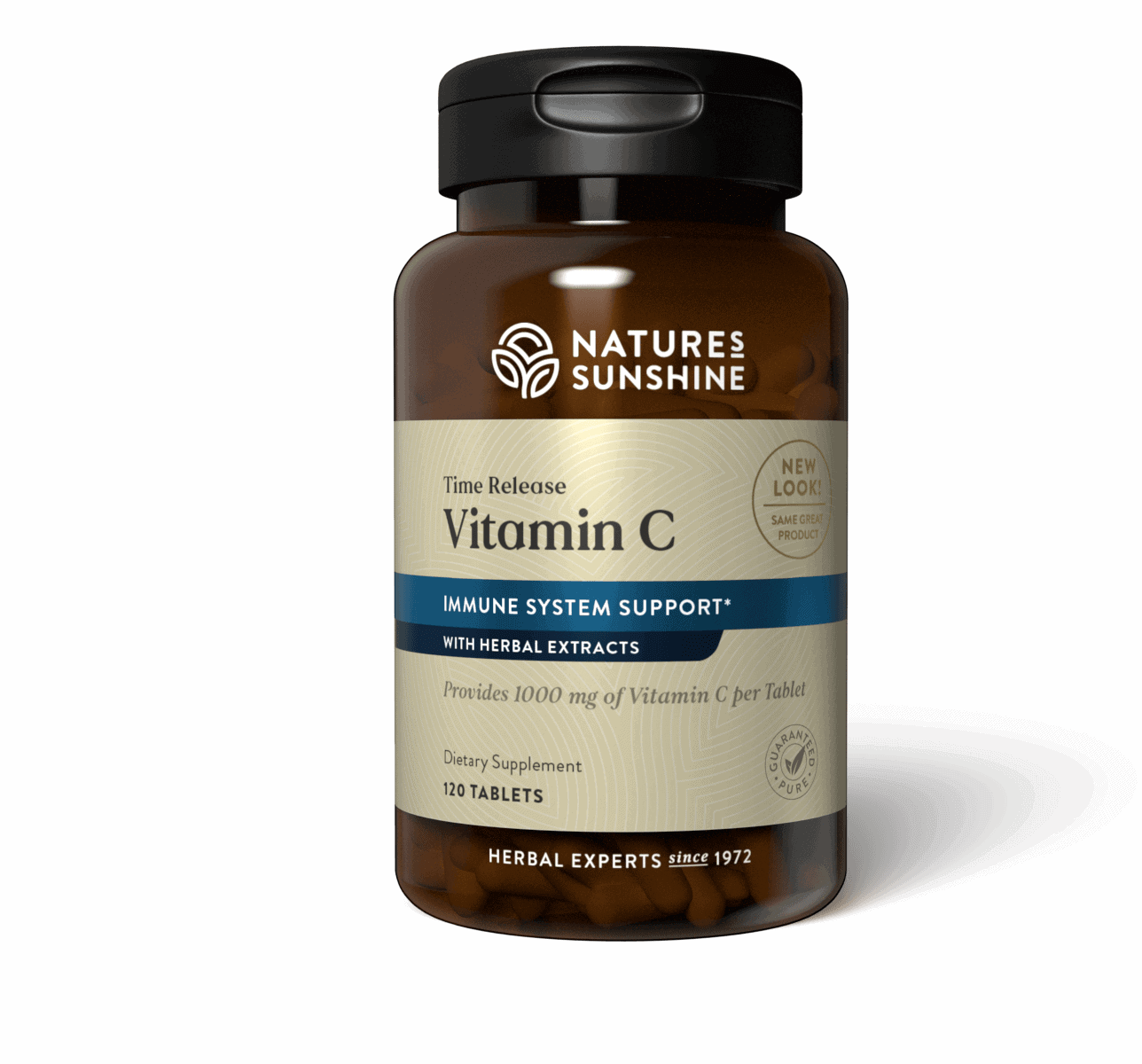
While Vitamin C gummies are a popular format, Nature's Sunshine takes a different approach with their Vitamin C (1000 mg, Time Release) tablets. Each tablet features a special coating that slows the absorption of nutrients until they reach the intestines, helping deliver Vitamin C's benefits throughout the day rather than in a single burst. This completely natural product contains no sugar, starch, artificial colorings, or flavorings — and it's both vegan and non-GMO.
Whether you prefer Vitamin C gummies or a time-release tablet, the goal is the same: consistent, daily Vitamin C to support your immune system, fight free radicals, nourish tissues, and assist in collagen production. If you'd like personalized guidance on which format is right for you, our naturopath is available for a free consultation.
Why Time-Release Matters for Vitamin C Absorption
Here's something many people searching for Vitamin C gummies may not realize: Vitamin C absorption is saturable and dose-dependent. At lower doses (30–180 mg), roughly 70–90% of Vitamin C is absorbed. But at doses above 1,000 mg taken all at once, absorption can fall to about 50% or less. Much of that excess is simply excreted.
That's the beauty of a time-release formula. Nature's Sunshine Vitamin C Time Release uses a special coating that slows the release of nutrients, allowing more gradual absorption in the intestines rather than delivering the full dose immediately. This approach may help your body use more of each serving over the course of the day.
The Vitamin C in this formula isn't alone, either. It's blended with a base of Rose hips extract, acerola fruit extract, Rutin, Lemon bioflavonoid extract, and Hesperidin bioflavonoid extract — a combination of naturally-occurring plant compounds that complement ascorbic acid's activity. These bioflavonoids have their own documented antioxidant and supportive properties.
Key ingredients
- ✓ Free shipping over $75
- ✓ 90-day easy returns
- ✓ Ships within hours
Who Should Consider Vitamin C Supplementation?
Anyone searching for Vitamin C gummies or other Vitamin C supplements likely falls into one or more of these groups:
- People focused on immune support. Vitamin C contributes to immune defense by supporting various cellular functions of both the innate and adaptive immune system. Research suggests regular supplementation modestly reduces cold duration, with more pronounced benefits in people under heavy physical or cold-weather stress.
- Those wanting antioxidant protection. As a water-soluble antioxidant, Vitamin C directly scavenges reactive oxygen species and can regenerate other antioxidants like vitamin E. This product's blend of Rose hips, Rutin, Hesperidin, and Lemon bioflavonoids adds additional antioxidant support.
- People concerned about collagen and tissue health. Vitamin C is essential for collagen biosynthesis — without adequate Vitamin C, the body cannot properly hydroxylate collagen precursors, leading to structurally defective collagen. This is relevant for skin integrity, wound healing, and connective tissue maintenance.
- Individuals with higher Vitamin C needs. Smokers are recommended to increase their Vitamin C consumption by 35 mg per day regardless of sex, and pregnant or lactating women have higher requirements (85 mg and 120 mg per day, respectively).
- People who prefer a sugar-free, vegan option. This Nature's Sunshine formula contains no sugar, starch, or artificial ingredients and is both vegan and non-GMO.
Not sure whether a time-release tablet or Vitamin C gummies format suits your needs best? Our naturopath offers free consultations and can help you think through what makes sense for your body and lifestyle.
How to Take Vitamin C Time Release
Take one tablet daily with a meal.
Each bottle contains 120 tablets, providing a four-month supply at the recommended serving size. The time-release coating is designed to slow absorption until the nutrients reach the intestines, supporting more gradual delivery throughout the day compared to standard-release Vitamin C gummies or regular tablets.
Written by Greg Howlett
Frequently asked questions
How is a time-release Vitamin C tablet different from Vitamin C gummies?
Vitamin C gummies deliver their full dose of Vitamin C immediately upon digestion. This Nature's Sunshine time-release tablet features a special coating that slows absorption until the nutrients reach the intestines, helping deliver Vitamin C's benefits more gradually throughout the day. Additionally, this formula contains no sugar, starch, or artificial colorings or flavorings — ingredients commonly found in gummy formats.
Why are bioflavonoids included with Vitamin C?
This formula blends Vitamin C with a base of Rose hips extract, acerola fruit extract, Rutin, Lemon bioflavonoid extract, and Hesperidin bioflavonoid extract. Each of these plant compounds has its own documented antioxidant properties. For example, research suggests Rose hips rank among the highest measured antioxidant activities of tested fruits, Rutin supports free-radical scavenging and immune modulation, and Hesperidin activates the ERK/Nrf2 antioxidant signaling pathway.
Does Vitamin C actually prevent colds?
A 2013 Cochrane review of 29 trials involving over 11,000 participants found that regular Vitamin C supplementation does not prevent colds in the general population. However, it modestly reduces cold duration (by about 8% in adults and 14% in children) and severity. The benefits appear more pronounced in people under severe physical stress, such as marathon runners or military personnel.
Is 1,000 mg of Vitamin C safe to take daily?
The Tolerable Upper Intake Level (UL) set by the Institute of Medicine for adults is 2,000 mg per day, well above this product's 1,000 mg serving. At suggested doses, Vitamin C supplements are mostly safe. Taking more than 2,000 mg per day may lead to gastrointestinal discomfort such as stomach upset or diarrhea and, although rarely, kidney stones. People with hemochromatosis, G6PD deficiency, or kidney disease should consult a healthcare professional before supplementing with high-dose Vitamin C.
Is this product suitable for vegans?
Yes. Nature's Sunshine Vitamin C Time Release is both vegan and non-GMO, and it contains no sugar, starch, artificial colorings, or flavorings.
Can Vitamin C interact with medications?
Yes. There is concern that Vitamin C and other antioxidants during chemotherapy might affect treatment efficacy. Vitamin C may also interact with statins and niacin, estrogen-containing medications (potentially raising estrogen levels), and protease inhibitors. Because Vitamin C enhances iron absorption, people with hemochromatosis should use caution. If you take any medications, our naturopath is happy to discuss potential interactions during a free consultation.
Talk to Dr. Shannyn Fowl
Not sure if this is right for you? Book a free, no-pressure consultation for personalized guidance on your health goals.
Book your free consult →About Caring Sunshine
A family-run reseller of premium supplements — free shipping, a 90-day guarantee, and real people who know the products.
Learn more about us →