
Seasonal Allergy Home Remedies | Natural Support
Explore seasonal allergy home remedies with herbs like Mullein, Horseradish, and Fenugreek. Learn how these traditional botanicals support respiratory comfort.
Seasonal Allergy Home Remedies: A Natural Approach to Respiratory Comfort
Airborne particles are everywhere. When these particles enter the respiratory system through the nose or mouth, the body activates its natural cleansing mechanisms — and the immune system is called to active duty. For many of us, the changing seasons bring an especially heavy wave of airborne irritants that can leave us searching for relief.
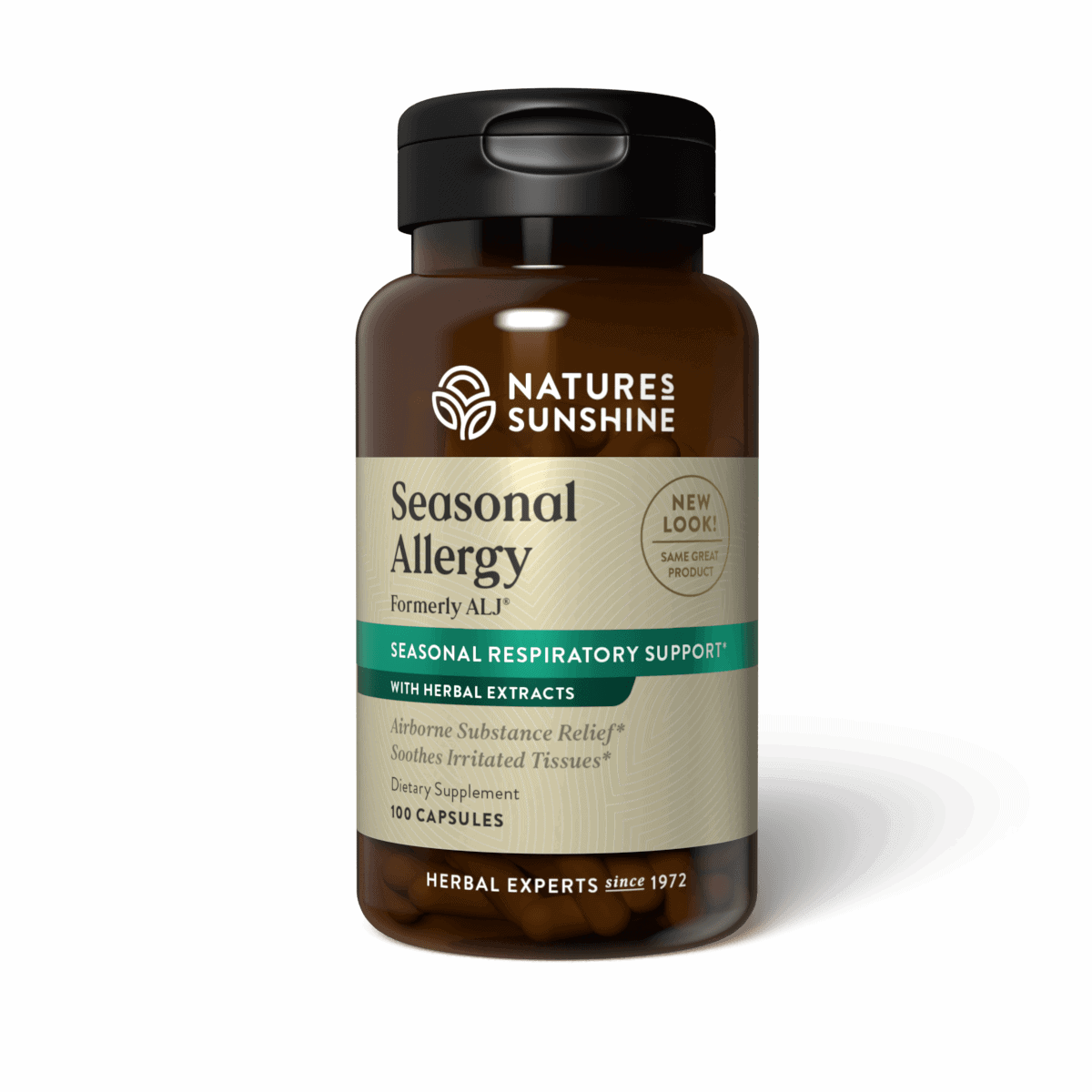
Seasonal allergy home remedies have a long history in herbal traditions around the world. Cultures across Europe, Asia, and the Americas have turned to botanicals that soothe respiratory tissue, support the body's natural mucus-clearing processes, and nourish the lungs. Nature's Sunshine Seasonal Allergy (Formerly ALJ) is a carefully formulated blend of five time-tested herbs — Boneset aerial parts, Fennel seeds, Fenugreek seeds, Horseradish root, and Mullein leaves extract — that work together to support the body as seasons change.
This guide walks through each ingredient in the formula, the traditional and scientific evidence behind it, and how these seasonal allergy home remedies may help you breathe easier during challenging times of year. If you have questions about whether this formula is right for your needs, our naturopath is available for a free consultation.
How These Herbs Support Your Respiratory System
The blend in Seasonal Allergy works on multiple fronts to assist the respiratory system in its natural cleansing processes. Two of the formula's herbs — Fenugreek and Mullein — contain mucilage, a gel-like plant substance that physically soothes irritated tissue by coating inflamed mucous membranes. This demulcent action may help calm the discomfort that accompanies seasonal respiratory challenges.
Several ingredients in the formula have traditionally been valued as expectorants — herbs that promote the loosening and clearing of mucus from the airways. Horseradish root, for example, contains allyl isothiocyanate, a pungent compound released when the root is processed, which has historically been used to stimulate nasal secretion and promote respiratory drainage. Fennel seeds have traditionally been recognized for enhancing ciliary motility in the respiratory tract, while Mullein's saponins are proposed to reduce surface tension in the airways, facilitating the expulsion of mucus.
Together, these herbs assist the body in cleansing potentially harmful airborne particles from the respiratory system while providing immune system support — a two-pronged approach that addresses the core challenge of seasonal respiratory discomfort.
Key ingredients
- ✓ Free shipping over $75
- ✓ 90-day easy returns
- ✓ Ships within hours
Who May Benefit from This Seasonal Allergy Formula
If you're someone who notices respiratory discomfort when the seasons change, this herbal blend was designed with you in mind. The formula supports the body during seasonal transitions by assisting the respiratory system's natural cleansing processes and soothing irritated tissue.
Adults who experience seasonal respiratory challenges — whether from airborne particles in spring, summer, or fall — may find this combination of traditional herbs helpful. The formula's mucilage-rich ingredients (Fenugreek and Mullein) are especially relevant for those dealing with irritated respiratory tissue, while the expectorant herbs (Horseradish, Boneset, Fennel) support the body's natural ability to clear mucus.
This product contains 100 vegicaps and requires no membership or autoship commitment. If you're unsure whether seasonal allergy home remedies like this formula are appropriate for your situation, we encourage you to take advantage of our free naturopathic consultation — our naturopath can help you determine the best approach for your individual needs.
How to Take Seasonal Allergy Vegicaps
Take 2–4 vegicaps with a meal three times daily.
This formula is also available as VegiTabs and in liquid form for those who prefer alternative delivery methods.
Written by Greg Howlett
Frequently asked questions
What does the Seasonal Allergy (Formerly ALJ) formula do?
This herbal blend assists the body in cleansing potentially harmful airborne particles from the respiratory system and provides immune system support. The herbs work together to soothe respiratory tissue and support the body during seasonal changes. Two key ingredients — Fenugreek and Mullein — contain mucilage, which soothes tissue, while the other herbs assist in nourishing the lungs and cleansing the respiratory system.
What kinds of seasonal allergy home remedies are in this formula?
The formula contains five traditional herbs: Boneset aerial parts, Fennel seeds, Fenugreek seeds, Horseradish root, and Mullein leaves extract, each at 1,760 mg. These herbs have long histories as respiratory remedies across European, Native American, Ayurvedic, and other herbal traditions. They provide expectorant, demulcent (tissue-soothing), and respiratory-support properties.
Is there scientific research behind these ingredients?
The ingredients have varying levels of evidence. Horseradish root has been studied in clinical trials as part of a licensed European combination product (with nasturtium) for bronchitis and sinusitis, showing symptom reduction comparable to antibiotics with fewer side effects. Fennel is recognized by the European Commission E and ESCOP for respiratory catarrh. Mullein, Boneset, and Fenugreek have well-documented traditional use supported by preclinical (in vitro and animal) research, but large human clinical trials specific to these individual herbs for respiratory conditions have not been conducted.
Can I take this formula year-round or only during allergy season?
The formula is designed to support the body as seasons change and to assist the respiratory system's natural cleansing processes. For guidance on how long to use this product based on your individual circumstances, we recommend scheduling a free consultation with our naturopath.
Are there different forms of this product available?
Yes. In addition to the 100-count vegicap form, Nature's Sunshine Seasonal Allergy (Formerly ALJ) is also available as VegiTabs and in liquid form, so you can choose the delivery method that works best for you.
How is this different from over-the-counter allergy products?
Seasonal Allergy is an herbal supplement that supports the respiratory system's natural elimination and cleansing functions using a blend of traditional botanicals. Rather than targeting a single mechanism, the formula combines herbs with complementary properties — mucilage-rich herbs that soothe tissue, expectorant herbs that support mucus clearance, and herbs that nourish the lungs. As with any supplement, it is not intended to diagnose, treat, cure, or prevent any disease.
Talk to Dr. Shannyn Fowl
Not sure if this is right for you? Book a free, no-pressure consultation for personalized guidance on your health goals.
Book your free consult →About Caring Sunshine
A family-run reseller of premium supplements — free shipping, a 90-day guarantee, and real people who know the products.
Learn more about us →