
Qunol Ultra CoQ10 100mg – Heart & Energy Support
Explore our deep-dive guide on qunol ultra CoQ10 100mg. Learn how CoQ10 supports heart health, cellular energy, and mitochondrial function with science-backed insights.
What Is Qunol Ultra CoQ10 100mg and Why Does It Matter?
Coenzyme Q10 — commonly known as CoQ10 — is a fat-soluble, vitamin-like molecule naturally present in every cell of the body. First isolated from beef heart mitochondria in 1957, CoQ10 earned the name ubiquinone because of its ubiquitous presence throughout human tissues. It plays two indispensable roles: serving as the central electron carrier in the mitochondrial respiratory chain where ATP (cellular energy) is produced, and acting as one of the body's most significant lipid-soluble antioxidants.
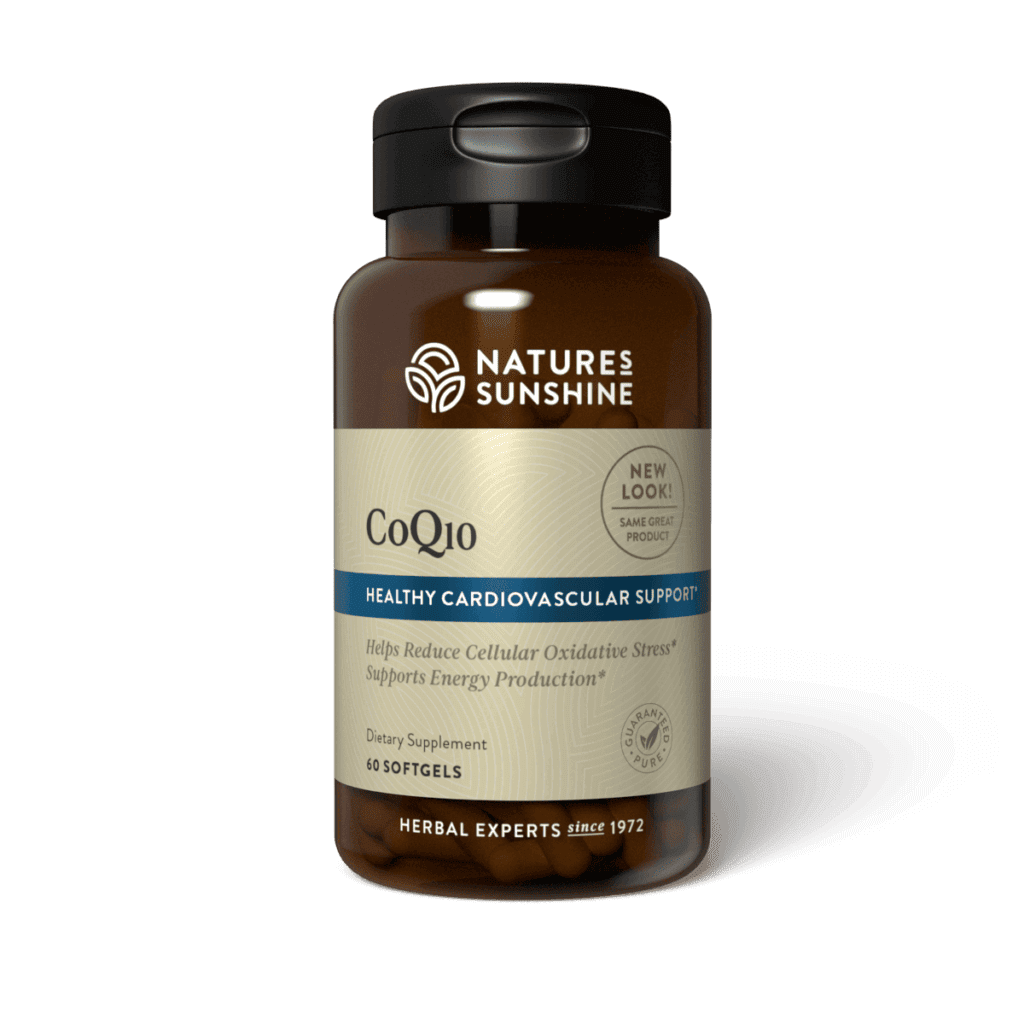
This Nature's Sunshine qunol ultra CoQ10 100mg softgel delivers 100 mg of coenzyme Q10 in a convenient format designed to support cardiovascular function, cellular energy production, and mitochondrial health. Each softgel is formulated with extra virgin Olive oil and sunflower Lecithin to complement CoQ10's fat-soluble nature and promote absorption.
CoQ10 is found naturally in organ meats, fish, and certain plant foods, but total dietary intake averages only about 5 mg per day. Compounding this, the body's own CoQ10 production peaks around age 25 and declines steadily — dropping roughly 30% by age 40 and 50% by age 80 in heart tissue alone. Certain medications, particularly statins, can further deplete CoQ10 levels. Supplementation therefore becomes increasingly relevant with age and in populations with higher cardiovascular or metabolic demands.
Key Ingredients
- ✓ Free shipping over $75
- ✓ 90-day easy returns
- ✓ Ships within hours
How CoQ10 Supports Heart Health, Energy, and Mitochondria
The heart is the most metabolically active organ in the body, beating roughly 100,000 times per day, and CoQ10 concentration in cardiac tissue is among the highest of any organ. When CoQ10 levels decline — whether from aging, statin therapy, or other causes — the heart's ability to efficiently produce ATP is compromised. Research suggests that in heart failure patients, myocardial CoQ10 levels are inversely related to the severity of symptoms.
CoQ10 supports cardiovascular function through several interconnected mechanisms. It directly facilitates mitochondrial ATP synthesis, providing the energy cardiac muscle cells need to contract effectively. It also prevents lipids from oxidizing — including the LDL particles that transport cholesterol — which helps maintain healthy arterial function. Additionally, research suggests CoQ10 preserves nitric oxide bioavailability, supports healthy blood flow, and increases production of endogenous antioxidant enzymes like superoxide dismutase.
Beyond the heart, CoQ10's role in mitochondrial energy production extends to every energy-demanding tissue. Organs with the highest metabolic rates — the heart, kidneys, liver, and pancreas — contain the greatest concentrations of CoQ10 (114, 66.5, and 54.9 μg/g tissue for heart, kidney, and liver, respectively). By supporting mitochondrial function across these tissues, qunol ultra CoQ10 100mg helps maintain the cellular energy that underpins everyday vitality.
CoQ10 also contains neuroprotective properties. As a potent antioxidant, it helps protect neuronal membranes from oxidative damage. Research has investigated CoQ10 for migraine prevention, where several randomized controlled trials have reported reductions in attack frequency and duration, and the evidence is characterized as "possibly effective."
Who Should Consider Qunol Ultra CoQ10 100mg?
Because CoQ10 production peaks around age 25 and declines steadily thereafter, adults in their 40s and beyond may especially benefit from supplementation. By age 65, the body's production level is approximately 50% of what it was at age 25. This age-related decline can contribute to reduced cellular energy, increased oxidative stress, and compromised cardiovascular function.
Individuals taking statin medications represent another important group. Statins inhibit HMG-CoA reductase — the same enzyme pathway involved in CoQ10 biosynthesis — and can decrease serum CoQ10 levels. Beta-blockers and certain oral hypoglycemic agents may also reduce endogenous CoQ10 levels. If you take any of these medications and are curious about CoQ10 supplementation, our naturopath offers free consultations to help you understand the research and whether it fits your wellness goals.
Anyone seeking to support cardiovascular health, maintain blood pressure levels already within a normal range, or promote healthy cellular energy production may find this supplement a meaningful addition to their routine. The formula may also appeal to those interested in antioxidant support, mitochondrial health, or maintaining the function of energy-intensive organs like the heart, kidneys, liver, and pancreas.
How to Take CoQ10 100mg
Take 1 softgel with a meal, twice daily. CoQ10 is a fat-soluble molecule, and research confirms that absorption is improved when taken with food — particularly meals containing dietary fat. The extra virgin Olive oil already present in each softgel further supports this lipid-dependent absorption process.
Each bottle contains 60 softgels, providing a 30-day supply at the recommended serving. Peak plasma concentrations of CoQ10 typically occur within 5 to 10 hours following oral administration, and the elimination half-life is approximately 34 hours. Consistent daily use supports the gradual building of tissue levels over time.
If you have questions about how qunol ultra CoQ10 100mg fits alongside medications or other supplements, feel free to reach out for a free consultation with our naturopath. This is especially important for anyone taking warfarin (since CoQ10 is chemically similar to vitamin K and may theoretically interact) or blood pressure medications (since CoQ10 has a mild blood pressure-lowering effect of its own).
Written by Greg Howlett
Frequently asked questions
What is CoQ10 and why does the body need it?
CoQ10 (coenzyme Q10) is a fat-soluble, vitamin-like molecule found in every cell. It plays two critical roles: it is the central electron carrier in the mitochondrial respiratory chain where ATP (cellular energy) is produced, and it acts as a powerful lipid-soluble antioxidant that protects proteins, lipids, and DNA from free radical damage. The body produces CoQ10 naturally, but production declines with age — dropping roughly 50% in heart tissue by age 80.
How does CoQ10 support heart health?
CoQ10 supports cardiovascular function by powering mitochondrial ATP production in cardiac muscle cells, preventing lipid oxidation (including LDL cholesterol), preserving nitric oxide for healthy blood flow, and promoting antioxidant enzyme production. The landmark Q-SYMBIO randomized controlled trial showed that CoQ10 supplementation significantly reduced major adverse cardiovascular events and cardiovascular mortality over a two-year period in heart failure patients.
Can I take CoQ10 if I'm on statin medication?
Statins inhibit HMG-CoA reductase, which is also involved in the body's CoQ10 biosynthesis pathway, potentially decreasing serum CoQ10 levels. Research on CoQ10 supplementation for statin-associated muscle symptoms is mixed — some meta-analyses report significant reductions in pain, weakness, and cramping scores, while others show no significant benefit. If you take a statin, consider discussing CoQ10 supplementation with your healthcare provider. Our naturopath also offers free consultations to review the research with you.
Is CoQ10 safe, and are there any drug interactions to be aware of?
CoQ10 is very well tolerated with minimal adverse effects. Toxicity is unlikely up to 1,200 mg/day, and typical supplementation doses are 100–300 mg/day. The most commonly reported side effects, when they occur, are mild gastrointestinal symptoms. However, CoQ10 is chemically similar to vitamin K and may theoretically reduce warfarin's effectiveness — patients on warfarin should have their dose monitored more closely. CoQ10 may also have additive effects with blood pressure-lowering medications.
Why does this softgel contain extra virgin Olive oil and sunflower Lecithin?
CoQ10 is a fat-soluble molecule whose absorption is significantly improved in the presence of dietary fats. Extra virgin Olive oil serves as a lipid carrier that supports CoQ10 absorption while also providing its own polyphenol antioxidants. Sunflower Lecithin acts as a natural emulsifier, helping blend fat-soluble CoQ10 with the watery environment of the digestive tract. Together, they are designed to optimize the delivery of CoQ10 to the body.
What foods naturally contain CoQ10, and is diet enough?
CoQ10 is found in organ meats (heart, liver, kidney), beef, sardines, mackerel, soy oil, and peanuts, with smaller amounts in avocado, broccoli, spinach, and dates. However, total dietary CoQ10 intake averages only about 5 mg per day, and CoQ10 is heat-sensitive, meaning cooking further reduces levels. Given that endogenous production also declines with age, supplementation provides a practical way to help maintain adequate CoQ10 status.
Talk to Dr. Shannyn Fowl
Not sure if this is right for you? Book a free, no-pressure consultation for personalized guidance on your health goals.
Book your free consult →About Caring Sunshine
A family-run reseller of premium supplements — free shipping, a 90-day guarantee, and real people who know the products.
Learn more about us →