
Paw Paw | Acetogenin Support for Cellular Health
Discover how Paw Paw twig extract with 50+ acetogenins supports mitochondrial health, cellular energy regulation, and immune function. Learn the science.
Paw Paw: A Unique North American Botanical for Cellular Health
Paw Paw (Asimina triloba) is a small tree native to eastern North America, belonging to the Annonaceae (custard apple) family. While the tree is perhaps best known for its edible bean-shaped fruits — sometimes called "Indiana Bananas" — it is the twigs of the Paw Paw tree that contain the most concentrated amounts of a remarkable class of bioactive compounds called acetogenins.
Researchers at Purdue University screened over 3,500 species of higher plants for bioactive compounds and found Paw Paw extracts to be among the most potent. Activity-directed fractionation led to the isolation and molecular characterization of over 50 unique annonaceous acetogenins from Asimina triloba.
Acetogenins are derivatives of long-chain fatty acids that affect the production of ATP (adenosine triphosphate) in the mitochondria — the powerhouse of the cell. ATP is the cell's major source of energy, and acetogenins selectively modulate its production in specific cells. This selective modulation affects the viability of those cells and may help modulate the blood supply to them.
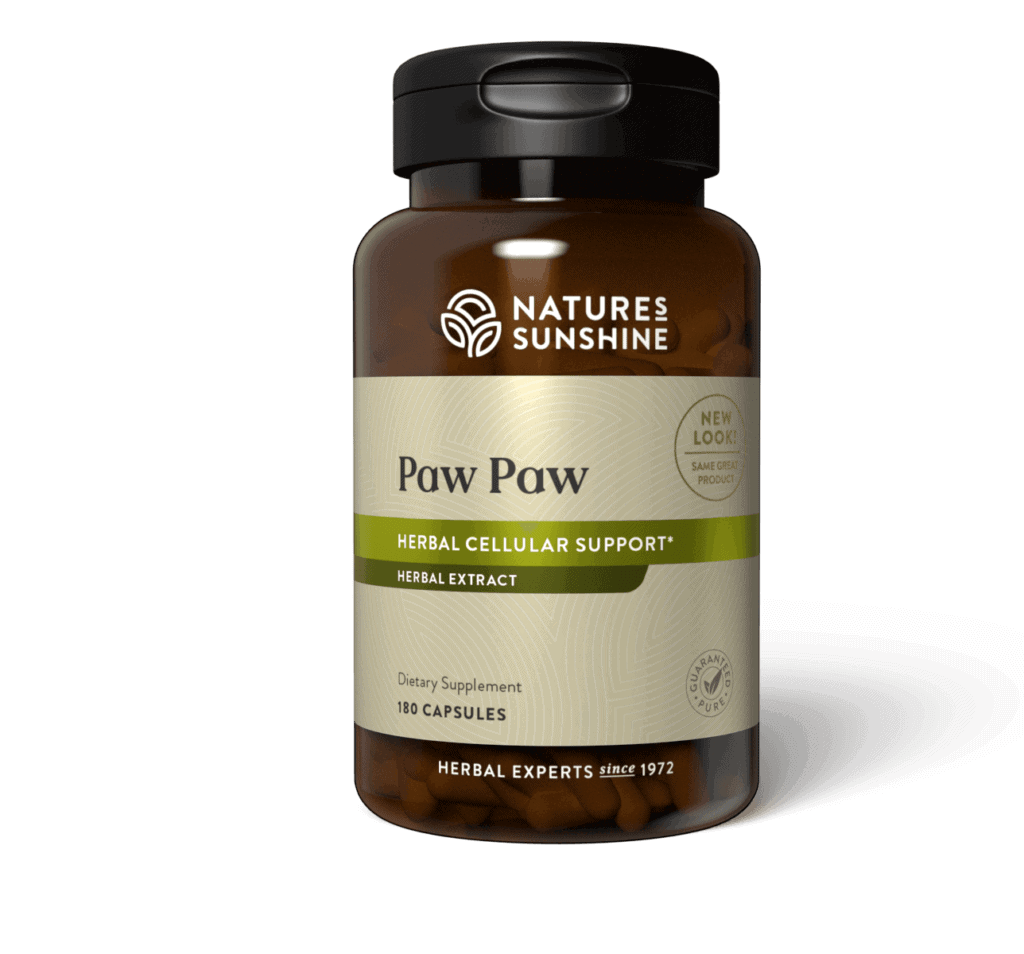
This product uses an extract of the twigs of the North American Paw Paw tree, harvested when they are most biologically active. The extract is standardized biologically using an invertebrate bioassay, and the harvest is a renewable resource since the tree is not harmed during collection. Paw Paw Cell-Reg is the only standardized acetogenin product available to regulate specific cells.
A Long History of Traditional Use
Paw Paw has deep roots in North American tradition. Pawpaw seeds and remnants have been found at archaeological sites of the earliest Native Americans, in large, concentrated amounts suggesting seasonal feasts. The Cherokee, Shawnee, Iroquois, Miami, and other nations utilized Paw Paw in their traditional diets and medicine.
Beyond its culinary significance, Native American healers historically valued Paw Paw for its medicinal properties. The Cherokee, for example, traditionally used Paw Paw leaves and bark in preparations to soothe skin irritations and promote healing. Poultices made from the bark and leaves were traditionally applied to treat wounds, ulcers, and other skin ailments, while the seeds and leaves were sometimes prepared as teas or topical treatments to address parasitic infections.
European settlers adopted Paw Paw for both food and medicine. Early American herbalists traditionally used infusions of the bark and leaves to address fevers, infections, and worms. In Appalachian folk medicine, Paw Paw bark was occasionally used for intestinal parasites and as a digestive bitter. Jamestown colonists wrote about Paw Paw in the 1600s, and interest in its therapeutic potential surged in the 1990s when researchers began isolating and testing its acetogenins.
Acetogenins and Mitochondrial Energy Regulation
At the molecular level, the acetogenins in Paw Paw are potent inhibitors of mitochondrial electron transport chain (ETC) complex I. By modulating this pathway, they affect the production of ATP — the energy currency of the cell — in specific cells. This selective action on cellular energy production is what makes Paw Paw extract unique among botanical supplements.
A clinical study with over 100 participants showed that the Paw Paw extract, containing a mixture of acetogenins, supports the body's normal cells during times of cellular stress. Research also suggests that acetogenins may support and enhance the effectiveness of conventional medical regimens.
In laboratory studies, acetogenins have been shown to inhibit hypoxia-inducible factor-1 (HIF-1)-mediated signaling pathways. The inhibition of HIF-1 activation was associated with the suppression of mitochondrial respiration at complex I. Acetogenins also demonstrated antiangiogenic activity in laboratory models, suggesting they may help regulate the growth of blood vessels nourishing specific cells.
It is important to note that while in vitro (cell culture) and limited animal studies show promising activity, published clinical trials in humans remain limited. The current evidence is primarily preclinical and should not be extrapolated to clinical efficacy for treating any disease.
Key Ingredients
- ✓ Free shipping over $75
- ✓ 90-day easy returns
- ✓ Ships within hours
Who Is Paw Paw For?
Paw Paw extract may be of interest to adults looking for natural support for mitochondrial health and cellular energy regulation. Because acetogenins selectively modulate ATP production in specific cells, this supplement is often sought by individuals interested in supporting their body's normal cellular processes during times of cellular stress.
Those exploring natural approaches to immune system support may also find Paw Paw relevant, as research suggests the acetogenins may support immune surveillance through modulation of cellular energy pathways. Our naturopath is available for a free consultation if you'd like personalized guidance on whether Paw Paw is a good fit for your wellness goals.
This product is kosher and non-GMO. It is important to note that safety and efficacy information regarding pregnancy and lactation is lacking, and individuals should consult a healthcare professional before use, especially given the potent bioactive nature of acetogenins.
How to Take Paw Paw
Take 2 capsules with food three times daily. Do not exceed recommended serving size.
Each bottle contains 180 capsules. As with any supplement, we recommend speaking with a qualified healthcare provider before beginning use. If you have questions about incorporating Paw Paw into your routine, our naturopath offers free consultations to help you make informed decisions.
Written by Greg Howlett
Frequently asked questions
What are acetogenins and how do they work in Paw Paw?
Annonaceous acetogenins are derivatives of long-chain fatty acids found in Paw Paw. Over 50 unique acetogenins have been isolated from Asimina triloba. At the molecular level, they are potent inhibitors of mitochondrial electron transport chain complex I, which means they selectively modulate the production of ATP — the cell's major energy source — in specific cells. This modulation affects cell viability and may help regulate the blood supply to those cells.
Why are Paw Paw twigs used instead of the fruit or leaves?
Research has shown that the small twigs (0–0.5 cm diameter) of the Paw Paw tree yield the most potent extract, while the stem wood and leaves yield the poorest activity levels. Nature's Sunshine harvests twigs when they are most biologically active, and the extract is standardized using an invertebrate bioassay. This is also a renewable harvesting method since the tree is not harmed during collection.
Is Paw Paw the same as papaya or graviola?
No. Paw Paw (Asimina triloba) is a North American species native to 26 states and should not be confused with graviola (also known as Brazilian pawpaw, Annona muricata) or papaya (often called pawpaw in some regions). While all belong to related botanical families, Asimina triloba contains its own unique profile of acetogenins with distinct bioactive properties.
What does the research say about Paw Paw and cellular health?
A clinical study with over 100 participants showed that Paw Paw extract, containing a mixture of acetogenins, supports the body's normal cells during times of cellular stress. Laboratory (in vitro) studies have demonstrated that acetogenins inhibit HIF-1-mediated signaling pathways and exhibit antiangiogenic activity. However, it is important to note that most evidence is preclinical, and published peer-reviewed human clinical trials remain limited.
Are there any safety concerns with Paw Paw?
Acetogenins are potent bioactive compounds, and safety considerations exist. Laboratory studies have shown that annonacin, a major acetogenin, is toxic to cortical neurons in vitro, and overconsumption of related Annonaceae family fruits has been linked to atypical Parkinsonism in some populations. The crude extract of the stem bark may cause contact dermatitis. Safety and efficacy information regarding pregnancy and lactation is lacking. Always consult a healthcare provider before use, and do not exceed the recommended serving size.
Is this product standardized?
Yes. Paw Paw Cell-Reg is the only standardized acetogenin product available. The extract is standardized biologically using an invertebrate bioassay, ensuring a consistent level of acetogenins in every capsule. This is important because acetogenin levels can vary even between different groves of Asimina triloba trees.
Talk to Dr. Shannyn Fowl
Not sure if this is right for you? Book a free, no-pressure consultation for personalized guidance on your health goals.
Book your free consult →About Caring Sunshine
A family-run reseller of premium supplements — free shipping, a 90-day guarantee, and real people who know the products.
Learn more about us →