
Now Foods Turmeric Curcumin Reviews | Deep-Dive Guide
Comprehensive now foods Turmeric Curcumin reviews guide covering ingredients, clinical evidence for joints, inflammation & antioxidant defense, plus FAQs.
Now Foods Turmeric Curcumin Reviews: What This Formula Is and Why It Matters
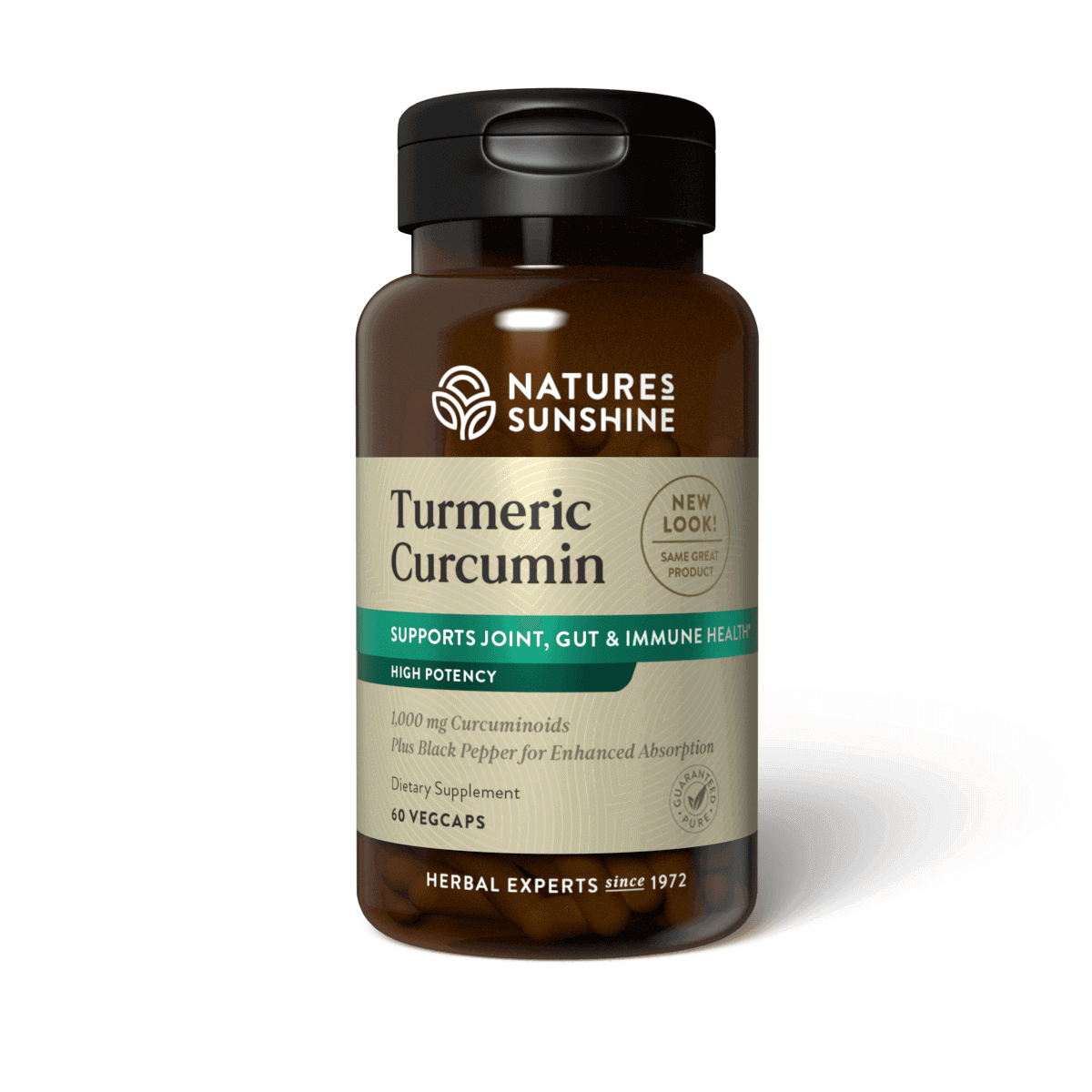
If you've been searching for now foods Turmeric Curcumin reviews, you're likely exploring how Turmeric-based supplements can support your joints, promote a healthy inflammatory response, and bolster your body's antioxidant defenses. The product we carry — Turmeric Curcumin (formerly CurcuminBP) by Nature's Sunshine — is a thoughtfully formulated option that delivers both Turmeric root and a concentrated Turmeric extract rich in curcuminoids.
Curcuminoids are the primary active polyphenols obtained from the rhizomes of Turmeric (Curcuma longa L.), the yellow curry spice that has been safely used for centuries in Indian Ayurvedic medicine. What sets this formula apart is its emphasis on delivering higher levels of the antioxidant-rich Turmeric extract alongside whole-root Turmeric. One serving is equivalent to 32,000 mg of whole root Turmeric, and the formula is clinically studied for superior absorption and effectiveness.
To further enhance the formula, Nature's Sunshine includes Black pepper extract from the Piper nigrum species. Research suggests that piperine — the primary alkaloid in Black pepper — may increase the absorption of Curcumin by up to 2,000% in humans, addressing Curcumin's well-documented bioavailability challenge. Black pepper extract may also aid with occasional digestive discomfort and provides its own antioxidant properties.
This product comes in a 60-capsule bottle with a non-GMO designation, and each two-capsule serving supplies 1,100 mg of tumeric extract and 1,000 mg of curcuminoids.
How Turmeric Curcumin Works: Mechanisms Behind the Benefits
Understanding why Turmeric Curcumin has gained so much attention requires a look at the mechanisms researchers have identified. Curcumin exerts its core anti-inflammatory effects mainly by inhibiting the activation of the NF-κB signaling pathway, a master regulator of inflammatory responses. It also modulates the MAPK, JAK/STAT, and NLRP3 inflammasome pathways — all of which play pivotal roles in how the body manages inflammation.
On a more specific level, Curcumin suppresses the activity of COX-2 and LOX enzymes, which are responsible for producing inflammatory mediators like prostaglandins and leukotrienes. It also reduces the production of inflammatory cytokines such as TNF-α and IL-1β. Through these actions, Curcumin may help curtail the inflammatory cascade that contributes to joint discomfort and chronic inflammatory conditions.
As an antioxidant, Curcumin activates the Keap1-Nrf2/ARE transcriptional pathway, which upregulates the body's own cytoprotective enzymes. Multiple human RCTs and meta-analyses have shown that Curcumin supplementation can measurably raise total antioxidant capacity (TAC), superoxide dismutase (SOD), catalase, and glutathione, while lowering the lipid-peroxidation marker malondialdehyde (MDA).
It's worth noting an important caveat: Curcumin has inherently poor oral bioavailability due to low water solubility, poor intestinal permeability, and rapid metabolism. This is why the inclusion of Black pepper extract in this formula matters — piperine inhibits glucuronidation (a Phase II metabolic process that tags Curcumin for rapid excretion) and inhibits P-glycoprotein efflux, helping more Curcumin reach your bloodstream. A landmark human pharmacokinetic study found that Curcumin bioavailability was increased by 2,000% when co-administered with piperine.
Key ingredients
- ✓ Free shipping over $75
- ✓ 90-day easy returns
- ✓ Ships within hours
Who May Benefit from Turmeric Curcumin
Based on the clinical research surrounding Turmeric and Curcumin, this formula may be particularly well-suited for several groups of people.
- Adults experiencing joint discomfort: Research most strongly supports Curcumin for knee osteoarthritis, with multiple meta-analyses showing significant improvements in pain and physical function. A 2022 systematic review across five types of arthritis — including rheumatoid arthritis, ankylosing spondylitis, and gout — confirmed Curcumin's broad applicability to joint conditions.
- People seeking a healthy inflammatory response: Studies suggest Curcumin may help modulate systemic inflammatory markers such as CRP, IL-6, and TNF-α, which are associated with chronic inflammatory conditions, metabolic syndrome, and cardiovascular concerns.
- Those wanting antioxidant support: Clinical trials demonstrate Curcumin's ability to boost the body's endogenous antioxidant defenses while reducing markers of oxidative stress.
- Individuals interested in metabolic wellness: Meta-analyses suggest Curcumin supplementation may support healthy fasting blood sugar, lipid profiles, and inflammatory markers in people with metabolic syndrome or type 2 diabetes.
- People looking for digestive and gut support: Preliminary research suggests Curcumin may support a healthy microbiome balance and has shown potential as an adjunctive therapy in ulcerative colitis.
If you're not sure whether a Turmeric Curcumin supplement is right for your particular situation, our naturopath is available for a free consultation to help you think through your options.
How to Take Turmeric Curcumin
The directions for this product are straightforward: Take 2 VegCaps daily.
Each two-capsule serving provides 1,100 mg of tumeric extract and 1,000 mg of curcuminoids, along with Black pepper extract to support absorption. This is a non-GMO formula packaged in vegetarian capsules.
It's worth noting that Curcumin is a fat-soluble compound, and the inclusion of Black pepper extract in this formula is specifically designed to address Curcumin's well-documented bioavailability challenges. Research has shown that piperine can enhance Curcumin's absorption significantly in humans.
If you take medications — particularly anticoagulants, antiplatelet agents, or drugs metabolized by CYP3A4 enzymes — you should be aware that both Curcumin and piperine may interact with certain medications. Our naturopath is happy to discuss any concerns during a free consultation. There is also a rare risk of liver-related concerns associated with Turmeric supplements, particularly those with enhanced absorption; individuals with existing liver conditions should consult a healthcare professional before starting supplementation.
What the Research Says: An Honest Look
When reading now foods Turmeric Curcumin reviews or evaluating any Turmeric supplement, it's helpful to understand where the clinical evidence is strongest — and where questions remain.
Joint health and osteoarthritis represent the most extensively researched area. A 2025 network meta-analysis of 17 studies found that all Turmeric preparations significantly reduced WOMAC pain scores, with bioavailability-enhanced preparations reaching the minimum clinically important difference threshold — a 30% reduction in pain compared to placebo. A separate meta-analysis verified that Curcumin/Turmeric extract had treatment efficacy similar to NSAIDs based on 16 RCTs involving 1,810 adults. However, evidence quality is consistently rated as low to very low due to small sample sizes, high risk of bias, and heterogeneity across formulations.
Metabolic health evidence is also encouraging. A 2025 systematic review found Curcumin supplementation significantly reduced fasting blood sugar, HbA1c, triglycerides, and LDL cholesterol while raising HDL cholesterol and total antioxidant capacity in people with type 2 diabetes and metabolic syndrome. Heterogeneity was moderate-to-high.
Cognitive function and mood research is in earlier stages. Preliminary human trials suggest possible benefits — one study found 1,500 mg/day of a Curcumin formulation stabilized cognitive function over 12 months — but most trials remain small and of short duration.
The central challenge across all of this research is Curcumin's poor oral bioavailability. Even enhanced formulations may not achieve the blood concentrations shown to be effective in laboratory studies. This doesn't mean Turmeric supplements are ineffective — multiple meta-analyses do show meaningful clinical benefits — but it's important to set realistic expectations grounded in the current evidence.
Written by Greg Howlett
Frequently asked questions
What are the main benefits supported by research for Turmeric Curcumin?
The strongest clinical evidence supports Turmeric Curcumin for joint health — particularly knee osteoarthritis — where multiple meta-analyses show significant improvements in pain, stiffness, and physical function. Research also suggests it may promote a healthy inflammatory response by reducing biomarkers like CRP, IL-6, and TNF-α, support antioxidant defense by raising endogenous antioxidant enzymes, and may help support metabolic health markers including fasting blood sugar and lipid levels. Studies also suggest potential benefits for gut health, skin, brain health, and immune function, though evidence in some of these areas is more preliminary.
Why does this formula include Black pepper extract?
Curcumin has well-documented poor oral bioavailability — it is practically insoluble in water, rapidly metabolized, and quickly eliminated. Black pepper extract contains piperine, which inhibits the enzymes (particularly UDP-glucuronosyltransferase and CYP3A4) responsible for breaking down and excreting Curcumin. A landmark human pharmacokinetic study showed that co-administering piperine with Curcumin increased Curcumin's blood concentration by 2,000%. This makes the Black pepper extract a critical component of the formula's absorption strategy.
How much Curcumin does each serving provide?
Each two-capsule serving provides 1,100 mg of tumeric extract and 1,000 mg of curcuminoids. According to the product information, one serving is equivalent to 32,000 mg of whole root Turmeric, reflecting the concentrated nature of the standardized extract.
Are there any safety concerns with Turmeric Curcumin supplements?
Curcumin is reported to be safe at doses up to 6 g/day for 4–7 weeks in clinical trials, and is FDA-recognized as GRAS. The most commonly reported side effects are gastrointestinal disturbances such as nausea, diarrhea, and stomach upset, particularly at higher doses. However, there is a rare risk of liver injury associated with Turmeric supplements, which may be higher for products with enhanced bioavailability. Additionally, both Curcumin and piperine may interact with certain medications — Curcumin may affect anticoagulants, and piperine inhibits CYP3A4 and P-glycoprotein, potentially altering the blood levels of co-administered drugs like carbamazepine and warfarin. People with existing liver conditions or those taking prescription medications should consult a healthcare professional before use.
Is this product non-GMO?
Yes, Turmeric Curcumin by Nature's Sunshine carries a non-GMO designation.
Can I talk to someone about whether Turmeric Curcumin is right for me?
Absolutely. We offer free naturopathic consultations with our naturopath, who can help you evaluate whether this supplement fits your individual health goals and discuss any potential interactions with medications you may be taking. No appointment fees, no obligation.
Talk to Dr. Shannyn Fowl
Not sure if this is right for you? Book a free, no-pressure consultation for personalized guidance on your health goals.
Book your free consult →About Caring Sunshine
A family-run reseller of premium supplements — free shipping, a 90-day guarantee, and real people who know the products.
Learn more about us →