
Nature’s Sunshine Liquid Chlorophyll ES | Deep-Dive Guide
Explore Nature's Sunshine Liquid Chlorophyll ES — a liquid formula supporting cleansing, deodorization, and whole-body wellness. Ingredients, usage, and FAQ.
What Is Nature's Sunshine Liquid Chlorophyll ES?
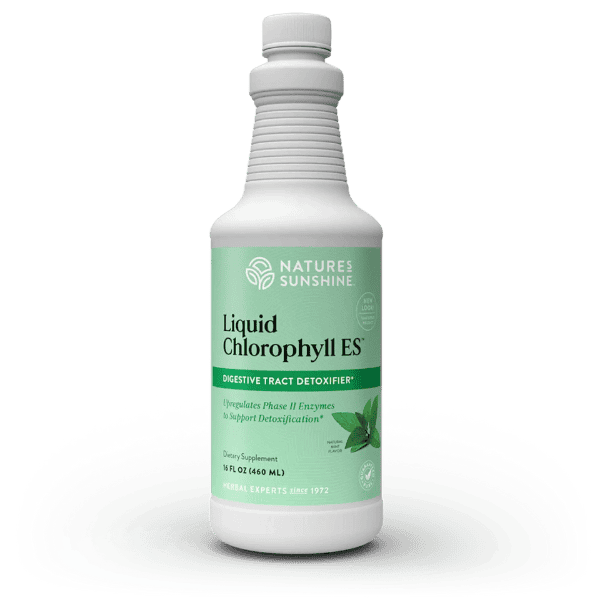
Nature's Sunshine Liquid Chlorophyll ES is a liquid formula designed to help protect and strengthen the body on a molecular and cellular level. This product comes as a two-pack of 16 oz bottles, giving you a generous supply of a daily green elixir that has roots in decades of traditional use.
Chlorophyll — the pigment responsible for nourishing plants through sunlight — has been valued for its potential to support circulatory, intestinal, digestive, and immune functions. Nature's Sunshine Liquid Chlorophyll ES delivers a concentrated, water-soluble form of this green compound along with spearmint oil, working together as a natural deodorizer while promoting a sense of well-being and enhanced energy levels.
If you're exploring a whole-body cleanse, looking for traditional support for body odor or bad breath, or simply want a refreshing daily green drink, this formula is worth a closer look. Our naturopath is available for a free consultation if you'd like personalized guidance on how it might fit into your wellness routine.
How Nature's Sunshine Liquid Chlorophyll ES Supports Your Body
The formula centers on sodium copper chlorophyllin — a water-soluble derivative of Chlorophyll created by replacing the magnesium atom in natural Chlorophyll with copper and removing the fat-soluble phytol tail. This modification makes it easy to mix into water while maintaining the bioactive porphyrin ring structure that gives Chlorophyll its functional properties.
Nature's Sunshine Liquid Chlorophyll ES is highlighted for several key functions:
- Supports natural cleansing of the blood — Chlorophyll derivatives have a documented ability to bind certain lipophilic compounds in the gastrointestinal tract, which may support the body's natural detoxification processes.
- Nourishes the circulatory, intestinal, digestive, and immune systems — The porphyrin ring structure of Chlorophyll allows it to function as a hydrogen donor, helping to support antioxidant defense by scavenging free radicals and chelating reactive ions.
- Protects the body on a cellular and molecular level — Research suggests Chlorophyll derivatives exhibit antioxidant activity that may help prevent oxidative DNA damage and lipid peroxidation by decreasing reactive oxygen species.
- Assists in maintaining pH levels
- Acts as a natural deodorizer — Chlorophyll has been marketed as an internal deodorant since the 1950s, and the addition of spearmint oil — one of the most universally used traditional breath-freshening herbs — complements this deodorizing action.
Key Ingredients
- ✓ Free shipping over $75
- ✓ 90-day easy returns
- ✓ Ships within hours
Who Is Nature's Sunshine Liquid Chlorophyll ES For?
This formula is designed around three primary concerns: whole-body cleansing, body odor, and bad breath (halitosis). It may appeal to several groups of people:
- Those interested in a daily internal cleanse — Chlorophyll has been traditionally used as an internal cleanser and detoxifier for decades, and the aflatoxin research provides a scientific basis for its ability to bind certain toxins in the gastrointestinal tract and reduce their absorption.
- Anyone seeking a natural deodorizer — With both sodium copper chlorophyllin and spearmint oil, this formula combines two traditional approaches to freshening from within. Chlorophyllin has a decades-long history of use as an internal deodorant, with clinical evidence for reducing body and fecal odor in specific medical populations.
- People who want a simple, refreshing green drink — Mixed into a glass of cold water, Nature's Sunshine Liquid Chlorophyll ES provides a minty, easy-to-drink daily addition to your routine.
If you're unsure whether this product fits your specific health needs, our naturopath offers free consultations to help you make an informed decision.
How to Take Nature's Sunshine Liquid Chlorophyll ES
Take 1 tablespoon (15 mL) in an 8 oz. glass of cold water daily. Refrigerate after opening.
The serving is simple and straightforward — no complicated protocols or timing requirements. Many people enjoy the mild, minty taste as a refreshing start to their morning or a midday pick-me-up.
A few things to keep in mind: When taken orally, supplemental sodium copper chlorophyllin may cause green discoloration of urine or feces, or yellow or black discoloration of the tongue. These are harmless cosmetic effects, not signs of a problem. There have also been occasional reports of diarrhea. Oral chlorophyllin may result in false positive results on guaiac card tests for occult blood — let your healthcare provider know you're taking it if you're scheduled for this type of test.
Since the safety of Chlorophyll or chlorophyllin supplements has not been tested in pregnant or lactating women, they should be avoided during pregnancy and lactation. Individuals with rare disorders of copper metabolism, such as Wilson's disease, should limit exposure to copper additives, including supplemental sodium copper chlorophyllin, given its copper content.
Written by Greg Howlett
Frequently asked questions
What is the difference between Chlorophyll and chlorophyllin in Nature's Sunshine Liquid Chlorophyll ES?
Natural Chlorophyll is fat-soluble and doesn't dissolve cleanly in water. Nature's Sunshine Liquid Chlorophyll ES uses sodium copper chlorophyllin, a semisynthetic derivative in which the central magnesium atom is replaced by copper and the fat-soluble phytol tail is removed. This makes it water-soluble and easy to mix into a glass of water. Most liquid Chlorophyll supplements on the market use this same chlorophyllin form rather than natural Chlorophyll.
Does Nature's Sunshine Liquid Chlorophyll ES really help with body odor and bad breath?
Chlorophyll has been marketed as an internal deodorant since the 1950s. A 1980 study found chlorophyllin helpful in controlling body and fecal odors in 62 geriatric nursing home patients, and a controlled study in patients with trimethylaminuria showed that SCC significantly decreased urinary trimethylamine. However, evidence for reducing general body odor in healthy individuals is weak. For bad breath specifically, modern clinical reviews find no convincing controlled evidence that oral chlorophyllin produces meaningful reductions in the volatile sulfur compounds that cause halitosis, though it remains a widely used traditional remedy. The spearmint oil in this formula also contributes as one of the most universally used traditional breath-freshening herbs.
Why does my urine or stool turn green when I take liquid Chlorophyll?
This is a normal and harmless effect of taking sodium copper chlorophyllin orally. You may also notice yellow or black discoloration of the tongue. These are cosmetic effects, not signs of a health concern. It's worth noting that oral chlorophyllin may result in false positive results on guaiac card tests for occult blood, so inform your healthcare provider if you're scheduled for this type of screening.
Is Nature's Sunshine Liquid Chlorophyll ES safe for daily use?
Sodium copper chlorophyllin has been used orally for more than 50 years without any serious side effects reported. Natural chlorophylls are not known to be toxic. Occasional side effects may include green discoloration of urine or feces and rare reports of diarrhea. However, since safety has not been tested in pregnant or lactating women, it should be avoided during pregnancy and lactation. Individuals with Wilson's disease or other copper metabolism disorders should also avoid it due to its copper content. If you have questions about your specific situation, our naturopath is happy to discuss it during a free consultation.
Can I take Nature's Sunshine Liquid Chlorophyll ES with medications?
A case of delayed methotrexate clearance was reported following administration of a complementary medication containing Chlorophyll, suggesting a potential interaction with at least one chemotherapy agent. Additionally, carefully controlled studies have not been undertaken to determine whether chlorophyllin might limit the uptake of required nutrients or co-administered medications through its molecular binding mechanisms. If you take prescription medications, it's wise to consult with your healthcare provider before adding liquid Chlorophyll to your routine.
How much chlorophyllin is in each serving of Nature's Sunshine Liquid Chlorophyll ES?
Each 15 mL (1 tablespoon) serving of Nature's Sunshine Liquid Chlorophyll ES provides 120 mg of sodium copper chlorophyllin and 120 mg of spearmint aerial parts oil. The product comes as two 16 oz bottles.
Talk to Dr. Shannyn Fowl
Not sure if this is right for you? Book a free, no-pressure consultation for personalized guidance on your health goals.
Book your free consult →About Caring Sunshine
A family-run reseller of premium supplements — free shipping, a 90-day guarantee, and real people who know the products.
Learn more about us →