
CoQ10 100mg Ubiquinol | Heart & Energy Support
Discover how CoQ10 100mg ubiquinol supports heart health, cellular energy, and antioxidant defense. Learn about ingredients, usage, and benefits.
CoQ10 100mg Ubiquinol: A Vital Nutrient for Heart and Cellular Health
Coenzyme Q10 — also known as CoQ10, ubiquinone, or ubiquinol in its reduced form — is a fat-soluble, vitamin-like molecule naturally present in every cell membrane in the body. First isolated from beef heart mitochondria in 1957, CoQ10 is essential for creating adenosine triphosphate (ATP), the energy currency your cells depend on. It also serves as one of the body's most significant lipid antioxidants, helping to prevent the generation of free radicals and protecting proteins, lipids, and DNA from oxidative damage.
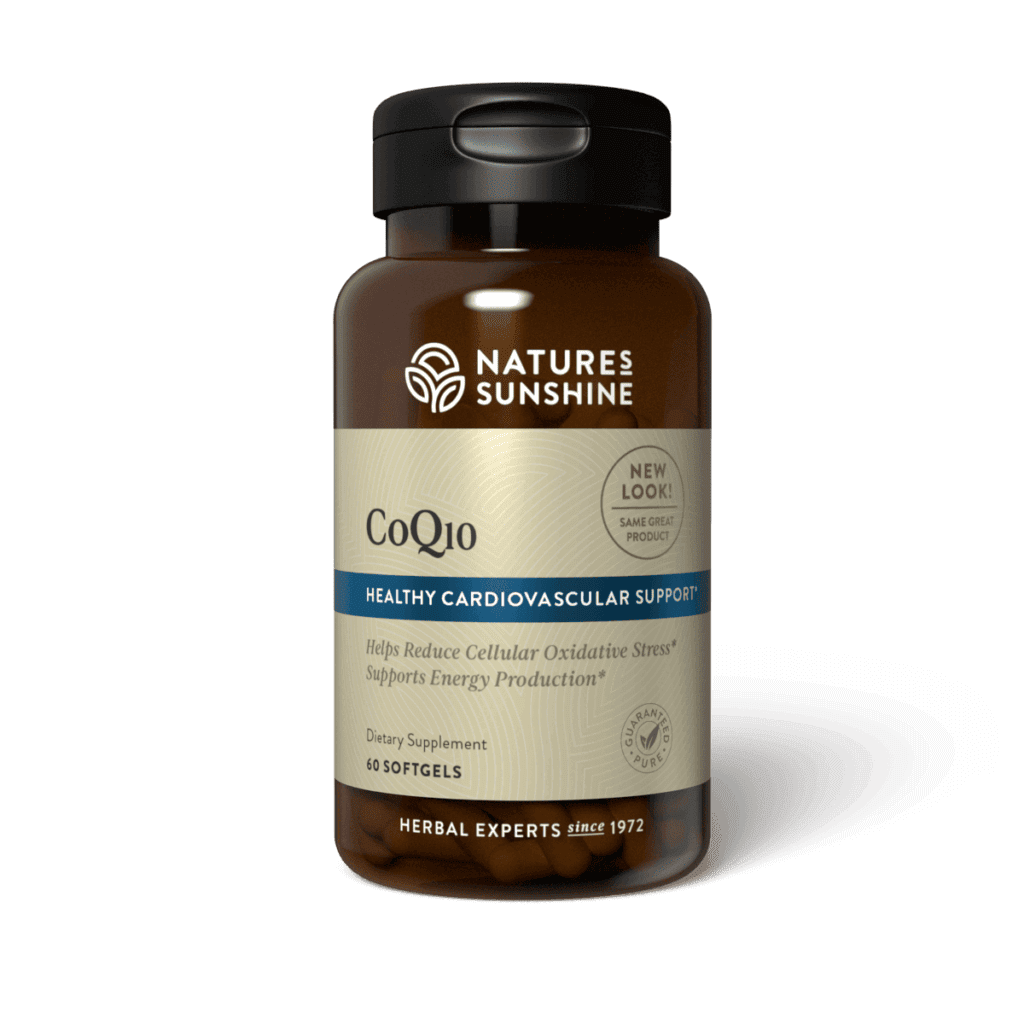
Nature's Sunshine CoQ10 provides 100 mg of CoQ10 per softgel to support cardiovascular function, enhance energy production, and help maintain blood pressure levels that are already within a normal range. CoQ10 is found naturally in organ meats, sardines, mackerel, peanuts, and other foods, but dietary intake averages only about 5 mg per day — far less than the amounts studied in clinical research.
The body continuously cycles CoQ10 between its oxidized form (ubiquinone) and its reduced form (ubiquinol). Approximately 95% of circulating CoQ10 in healthy adults is already in the ubiquinol form, regardless of which form is supplemented. This means that whether you take ubiquinone or ubiquinol, your body actively converts between the two states as needed.
Why CoQ10 Levels Decline — and Why That Matters
Your body produces CoQ10 naturally, with optimal production occurring around age 25. After that, levels steadily decline. By age 40, heart tissue CoQ10 may have dropped by more than 30%, and by age 80, that decline can exceed 50%. This age-related decrease may contribute to reduced cellular energy production, diminished antioxidant defense, and increased susceptibility to cardiovascular concerns.
CoQ10 levels are also reduced by certain prescribed medications — particularly statins, which inhibit the same metabolic pathway the body uses to synthesize CoQ10. Beta-blockers and certain oral hypoglycemic agents may similarly reduce endogenous CoQ10 levels. Given that CoQ10 is the central rate-limiting factor for the mitochondrial respiratory chain, maintaining adequate levels is important for sustaining energy and protecting the heart, kidneys, liver, and other metabolically active organs.
If you take a statin or are simply curious about whether CoQ10 supplementation might be right for you, our naturopath is available for a free consultation to help you understand your individual needs.
Key Ingredients
- ✓ Free shipping over $75
- ✓ 90-day easy returns
- ✓ Ships within hours
Who May Benefit from CoQ10 100mg Ubiquinol Supplementation
This formula is designed for anyone looking to support cardiovascular function, promote healthy cellular energy production, and strengthen antioxidant defenses. Because CoQ10 levels naturally decline with age — dropping by more than 30% by age 40 — adults in their 40s and beyond may find supplementation especially relevant.
Individuals taking statin medications may also want to consider CoQ10 supplementation, since statins inhibit the same metabolic pathway the body uses to produce CoQ10. Research on CoQ10 for statin-associated muscle symptoms is mixed: some meta-analyses suggest a statistically significant reduction in subjective pain scores, while others do not. If you're on a statin and experiencing muscle discomfort, it's worth discussing CoQ10 with a healthcare professional.
This product may also appeal to those interested in supporting healthy blood pressure levels already within normal range, maintaining healthy cardiac, kidney, liver, and pancreas function, and promoting overall energy and vitality. If you're unsure whether CoQ10 100mg ubiquinol is right for your situation, we offer free naturopathic consultations to help guide your decision.
Directions for Use
Take 1 softgel with a meal, twice daily.
CoQ10 is a fat-soluble molecule, and absorption is improved in the presence of dietary fats — the extra virgin Olive oil base in this softgel already supports bioavailability. Taking it with a meal that includes some healthy fats may further enhance absorption. Peak plasma concentrations of CoQ10 typically occur within 5 to 10 hours following oral administration.
Each bottle contains 60 softgels, providing a full 30-day supply at the recommended serving.
Written by Greg Howlett
Frequently asked questions
What is the difference between ubiquinol and ubiquinone?
Ubiquinol is the reduced (active antioxidant) form of CoQ10, and ubiquinone is the oxidized form. Structurally, the only difference is two hydroxyl groups on the quinone ring head — ubiquinol carries them, ubiquinone does not. The body continuously cycles between the two states: ubiquinol donates electrons during its antioxidant function and becomes ubiquinone, then accepts electrons to return to ubiquinol. Approximately 95% of circulating CoQ10 in healthy adults is already in the ubiquinol form, regardless of which form is supplemented.
Why do CoQ10 levels decline with age?
Optimal CoQ10 production occurs around age 25, after which production steadily decreases. By age 40, heart tissue CoQ10 levels may drop by more than 30%, and by age 80, the decline can exceed 50%. This reduction may contribute to diminished cellular energy production and reduced antioxidant capacity. Certain medications — particularly statins, beta-blockers, and some oral hypoglycemic agents — can further reduce CoQ10 levels.
Can I take CoQ10 100mg ubiquinol if I'm on a statin?
Statins inhibit HMG-CoA reductase, the same enzyme pathway the body uses to synthesize CoQ10, which can cause a decrease in serum CoQ10 levels. Many people supplement with CoQ10 alongside statin therapy for this reason. Research on CoQ10 for statin-associated muscle symptoms is mixed — some meta-analyses show reduced pain scores while others do not find significant benefit. It is always wise to discuss any new supplement with your healthcare provider, and our naturopath is available for a free consultation if you'd like to talk it through.
Does CoQ10 interact with any medications?
CoQ10 is chemically similar to vitamin K and may theoretically reduce the effectiveness of warfarin (an anticoagulant). Patients on warfarin should have their dosage monitored more closely if supplementing with CoQ10. Because CoQ10 may have a mild blood pressure-lowering effect, it could also have additive effects with antihypertensive medications. Always consult your healthcare provider before starting CoQ10 if you take prescription medications.
What foods naturally contain CoQ10?
CoQ10 is present in small amounts in a wide variety of foods, with particularly high levels in organ meats such as heart, liver, and kidney, as well as beef, sardines, mackerel, soy oil, and peanuts. Plant sources include avocado, broccoli, spinach, pistachios, and dates, though they contain less CoQ10 than animal sources. CoQ10 is heat-sensitive and can be reduced by cooking. Total dietary intake is estimated at about 5 mg per day — substantially less than the 100 mg per softgel in this formula.
Is CoQ10 safe for long-term use?
CoQ10 is widely regarded as very well tolerated with minimal adverse effects. Toxicity is considered unlikely up to a daily intake of 1,200 mg/day, though typical supplementation dosages are 100 to 300 mg/day. In one study, CoQ10 at 2,400 mg/day for 5 years was reported safe and well tolerated. The most commonly reported side effects, when they occur, are mild gastrointestinal symptoms including nausea, stomach upset, and loss of appetite. There is insufficient clinical research to establish safety during pregnancy.
Talk to Dr. Shannyn Fowl
Not sure if this is right for you? Book a free, no-pressure consultation for personalized guidance on your health goals.
Book your free consult →About Caring Sunshine
A family-run reseller of premium supplements — free shipping, a 90-day guarantee, and real people who know the products.
Learn more about us →