
Cholecalciferol Vitamin D3 – Benefits & Guide
Learn how cholecalciferol Vitamin D3 supports bone density, immune health, and circulation. Explore the science, key ingredients, and usage tips in our guide.
Understanding Cholecalciferol Vitamin D3
Cholecalciferol Vitamin D3 is the form of vitamin D your body naturally produces when UVB sunlight strikes the skin, converting a compound called 7-dehydrocholesterol into previtamin D3. Chemically classified as a fat-soluble secosteroid, it serves as a prohormone — biologically inert until sequential hydroxylation in the liver and kidneys transforms it into its active metabolite, calcitriol.
Although Vitamin D3 is sometimes called the "sunshine vitamin," many people struggle to produce enough on their own. Season, time of day, cloud cover, skin melanin content, sunscreen use, and geographic latitude all influence how much UVB radiation reaches the skin. During cloudy months or winter, supplementation may be necessary to maintain adequate levels.
Few foods naturally contain meaningful amounts of vitamin D. Fatty fish such as trout, salmon, tuna, and mackerel are among the best dietary sources, while beef liver, egg yolks, and cheese provide smaller amounts. For most individuals, these dietary sources are typically insufficient to maintain optimal serum 25-hydroxyvitamin D concentrations — the clinical marker used to assess vitamin D status.
Research suggests that Vitamin D3 could be more than three times as effective as vitamin D2 (ergocalciferol, the plant-derived form) in raising serum 25(OH)D concentrations and maintaining those levels over time, with its metabolites demonstrating superior affinity for vitamin D-binding proteins in plasma.
How Cholecalciferol Vitamin D3 Supports Your Body
Once ingested or synthesized in the skin, cholecalciferol Vitamin D3 travels to the liver, where the enzyme 25-hydroxylase converts it into 25-hydroxyvitamin D — the major circulating form and the marker physicians measure when checking vitamin D status. A second hydroxylation in the kidneys produces calcitriol, the physiologically active form that exerts its effects through vitamin D receptor (VDR)-mediated genomic and non-genomic pathways.
Bone Density and Structural Health
Vitamin D3 plays a crucial role in improving Calcium absorption, modulating bone remodeling, and supporting muscle function. It helps regulate normal blood levels of Calcium and phosphorus, assists in strengthening bones, and — along with other vitamins, minerals, and hormones — encourages bone mineralization. Research consistently shows that Vitamin D3 combined with Calcium supports bone health, and it is endorsed by major health organizations as the preferred supplemental form for bone density support.
Immune System Support
Studies suggest that Vitamin D3 has several established roles in immunomodulation. It induces the expression of antimicrobial peptides, including cathelicidin and β-defensins, with broad-spectrum activity against bacteria, viruses, and fungi. These peptides are important for maintaining the integrity of the skin, respiratory tract, and gut mucosa. Upon conversion to calcitriol, Vitamin D3 adjusts T and B cell function and favors the differentiation of regulatory T cells (Tregs) critical for maintaining immune tolerance.
A 2017 meta-analysis of 25 randomized controlled trials revealed a protective effect of vitamin D supplementation for the prevention of acute respiratory infections. Clinical trials have shown that individuals with adequate Vitamin D3 levels have a lower incidence of respiratory infections.
Circulatory Health
Observational studies and meta-analyses have consistently reported associations between low serum 25(OH)D concentrations and markers of cardiovascular concern. Research suggests that Vitamin D3 may support arterial health by modulating vascular inflammation and endothelial function. However, large-scale randomized controlled trials in generally healthy populations have not confirmed that supplementation alone reduces major cardiovascular events, so the evidence in this area remains an active area of investigation.
Key Ingredients
- ✓ Free shipping over $75
- ✓ 90-day easy returns
- ✓ Ships within hours
Who May Benefit from Cholecalciferol Vitamin D3
Because Vitamin D3 is synthesized primarily through sun exposure, anyone with limited time outdoors may benefit from supplementation. Clouds, smog, older age, and having darker skin all reduce the amount of vitamin D the skin produces. According to data from the National Health and Nutrition Examination Survey, most people in the United States consume less than the recommended amounts of vitamin D.
This product may be particularly relevant for individuals focused on supporting their structural system and bone density, those looking to promote immune health — especially during seasonal transitions — and anyone interested in maintaining circulatory wellness. Research suggests that high-risk populations, including individuals with limited sun exposure, older adults, and people with malabsorption disorders, require routine monitoring to ensure optimal vitamin D status.
If you're unsure whether cholecalciferol Vitamin D3 supplementation is right for you, our naturopath is available for a free consultation to help you understand your individual needs.
How to Take Cholecalciferol Vitamin D3
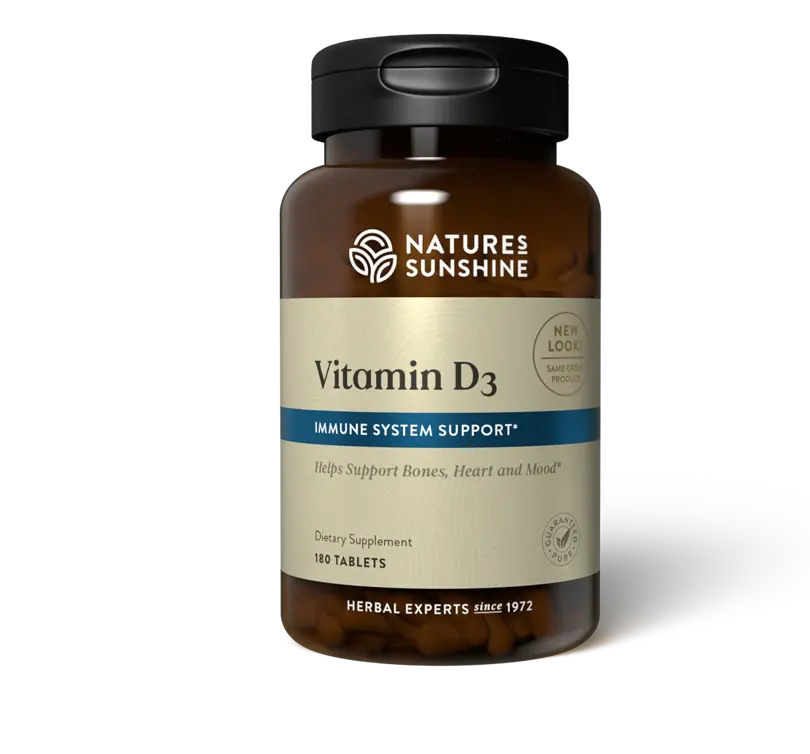
Take 2 tablets daily with a meal. Each serving of 2 tablets provides 100 mcg of Vitamin D3 (cholecalciferol). Vitamin D is fat-soluble, and research confirms that the concurrent presence of fat in the gut enhances vitamin D absorption — making mealtime the ideal moment for your daily serving.
This product is non-GMO and comes in a bottle of 180 tablets, providing a 90-day supply at the suggested serving size.
Written by Greg Howlett
Frequently asked questions
What is the difference between cholecalciferol Vitamin D3 and vitamin D2?
Vitamin D3 (cholecalciferol) is the form synthesized in human skin from sunlight and found in animal-origin dietary sources, while vitamin D2 (ergocalciferol) is derived from plants and commonly used in food fortification. The two differ only in their side-chain structure. However, research suggests Vitamin D3 could be more than three times as effective as vitamin D2 in raising serum 25(OH)D concentrations and maintaining those levels for a longer time, with its metabolites showing superior affinity for vitamin D-binding proteins in plasma.
Why is cholecalciferol Vitamin D3 important for bone health?
Vitamin D3 plays a crucial role in improving Calcium absorption, modulating bone remodeling, and supporting muscle function. It helps regulate normal blood levels of Calcium and phosphorus and encourages bone mineralization. Research consistently shows that Vitamin D3 — especially when combined with Calcium — supports bone density and is endorsed by major health organizations as the preferred supplemental form for skeletal health.
How does Vitamin D3 support the immune system?
Studies suggest that Vitamin D3 induces the expression of antimicrobial peptides, including cathelicidin and β-defensins, which have broad-spectrum activity against bacteria, viruses, and fungi. It also modulates macrophage and monocyte function and adjusts T and B cell activity, favoring regulatory T cells critical for immune tolerance. A 2017 meta-analysis of 25 RCTs found a protective effect of vitamin D supplementation against acute respiratory infections.
Who is at risk for vitamin D deficiency?
High-risk populations include individuals with limited sun exposure, older adults, people with darker skin, and those with malabsorption disorders. Factors such as season, time of day, cloud cover, smog, and sunscreen use all affect how much UVB radiation reaches the skin for vitamin D synthesis. According to NHANES data, most people in the United States consume less than the recommended amounts of vitamin D.
Can you get too much Vitamin D3?
Vitamin D toxicity is exceedingly rare but can occur from consuming excessive amounts from dietary supplements. Very high blood levels (greater than 150 ng/mL) may cause nausea, vomiting, muscle weakness, confusion, and kidney stones. You cannot get too much vitamin D from sunshine because the skin limits the amount it produces. The Institute of Medicine recommends a tolerable upper intake level of 4,000 IU/day (100 mcg/day) for adults and children 9 years and older.
Should I take cholecalciferol Vitamin D3 with food?
Yes. Vitamin D3 is fat-soluble, and research confirms that the concurrent presence of fat in the gut enhances absorption. The suggested use for this product is to take 2 tablets daily with a meal to support optimal nutrient uptake.
Talk to Dr. Shannyn Fowl
Not sure if this is right for you? Book a free, no-pressure consultation for personalized guidance on your health goals.
Book your free consult →About Caring Sunshine
A family-run reseller of premium supplements — free shipping, a 90-day guarantee, and real people who know the products.
Learn more about us →