
Buffered Vitamin C: A Deep-Dive Guide | Caring Sunshine
Learn what buffered Vitamin C is, how time-release delivery works, key bioflavonoid ingredients, and who benefits most. Science-backed guide from Caring Sunshine.
Understanding Buffered Vitamin C and Time-Release Delivery
Buffered Vitamin C refers to a form of Vitamin C (ascorbic acid) that has been combined with complementary compounds — such as bioflavonoids and plant-based extracts — and delivered through a specially designed coating to slow absorption. Rather than flooding the body with a single large dose, a time-release formula allows the vitamin to reach the intestines gradually, supporting steady availability throughout the day.
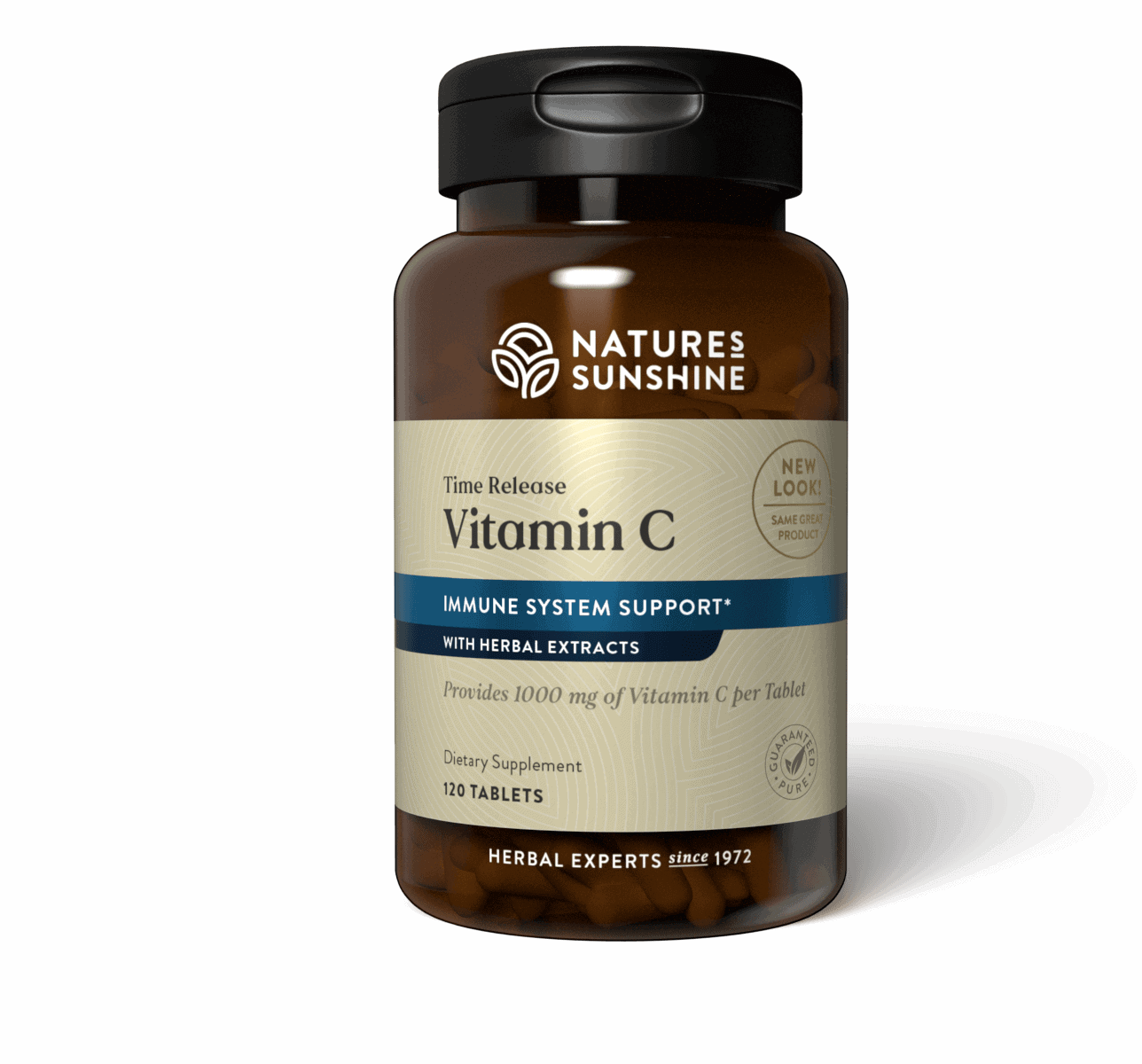
Nature's Sunshine Vitamin C Time Release exemplifies this approach. Each tablet carries a special coating that slows nutrient absorption until the contents reach the intestines. The Vitamin C in this formula is blended with a base of Rose hips extract, acerola extract, Rutin, Lemon bioflavonoids, and Hesperidin complex — creating a completely natural product with no sugar, starch, artificial colorings, or flavorings.
Because the body cannot synthesize Vitamin C due to mutations in the L-gulonolactone oxidase (GLO) gene, we depend entirely on dietary and supplemental sources. Vitamin C is water-soluble and cannot be stored long-term, so a time-release approach may help maintain more consistent levels compared to a single standard dose.
How Buffered Vitamin C Supports Your Body
This buffered Vitamin C formula is designed around three core areas: immune system support, cold and flu season resilience, and antioxidant defense.
Immune System
Vitamin C contributes to immune defense by supporting various cellular functions of both the innate and adaptive immune system. Research shows it helps maintain epithelial barrier function against pathogens, enhances the differentiation and proliferation of B cells and T cells, enhances phagocytosis, normalizes cytokine production, and decreases histamine levels. Plasma concentrations of Vitamin C decline rapidly during viral infections, underscoring the body's increased demand during immune challenges.
Cold & Flu
A Cochrane review of 29 trials involving more than 11,000 participants found that regular Vitamin C supplementation does not prevent colds in the general population but modestly reduces their duration — by about 8% in adults and 14% in children — and may reduce severity. Benefits appear more pronounced in people under severe physical stress, such as marathon runners and military personnel.
Antioxidant Defense
Vitamin C functions as a potent water-soluble antioxidant, directly scavenging reactive oxygen species in plasma and aqueous cellular compartments. It also regenerates the antioxidant form of vitamin E at membrane interfaces, providing a layered defense against oxidative stress.
Collagen & Tissue Nourishment
The body needs Vitamin C to make collagen — the most abundant protein in the human body — which supports skin integrity, bone strength, cartilage health, tendon function, and wound repair. Without adequate Vitamin C, the enzymes that hydroxylate collagen precursors cannot function properly, leading to structurally defective collagen.
Key ingredients
- ✓ Free shipping over $75
- ✓ 90-day easy returns
- ✓ Ships within hours
Who May Benefit from Buffered Vitamin C
This buffered Vitamin C formula is well suited for adults looking for a gentle, time-release approach to daily Vitamin C support. Because the special coating slows absorption until the nutrients reach the intestines, it may be a more comfortable option for those who find standard ascorbic acid supplements harsh on the stomach.
People who may find this formula particularly useful include:
- Anyone focused on immune health — Vitamin C supports various cellular functions of both the innate and adaptive immune system, and plasma concentrations drop rapidly during infection.
- Adults during cold and flu season — studies suggest regular Vitamin C supplementation modestly reduces the duration and severity of colds.
- Active individuals under physical stress — research shows benefits are more pronounced in populations under heavy physical or cold stress.
- Those seeking antioxidant protection — the combination of Vitamin C, bioflavonoids, Rutin, and Rose hips provides a broad spectrum of antioxidant compounds.
- People who prefer plant-based, clean-label supplements — this product is vegan, non-GMO, and contains no sugar, starch, artificial colorings, or flavorings.
If you're uncertain whether buffered Vitamin C is right for your individual needs, our naturopath is available for a free consultation to help you make the best choice.
Directions for Use
Take one tablet daily with a meal.
Each bottle provides 120 tablets. The time-release coating is designed to slow the absorption of nutrients until they reach the intestines, supporting gradual delivery of Vitamin C throughout the day.
Written by Greg Howlett
Frequently asked questions
What makes buffered Vitamin C different from regular Vitamin C?
Buffered Vitamin C combines ascorbic acid with complementary compounds — in this formula, Rose hips extract, acerola extract, Rutin, Lemon bioflavonoids, and Hesperidin complex. This particular product also features a time-release coating that slows nutrient absorption until the contents reach the intestines, rather than releasing everything at once in the stomach.
Why is Vitamin C considered essential?
The human body cannot synthesize Vitamin C due to mutations in the L-gulonolactone oxidase (GLO) gene. Since it is water-soluble and cannot be stored long-term, it must be obtained regularly through diet or supplementation. Vitamin C is a cofactor for many enzymes involved in collagen biosynthesis, immune function, iron absorption, carnitine synthesis, and antioxidant defense.
Does Vitamin C prevent colds?
Research, including a Cochrane review of 29 trials with over 11,000 participants, suggests that regular Vitamin C supplementation does not prevent colds in the general population. However, it may modestly reduce the duration of colds — by about 8% in adults and 14% in children — and may reduce severity. People under severe physical stress, such as marathon runners, may see more pronounced preventive benefits.
Why does this formula include bioflavonoids like Rutin and Hesperidin?
Bioflavonoids such as Rutin and Hesperidin are plant-based flavonoids with their own documented antioxidant and anti-inflammatory properties. Research suggests Rutin scavenges free radicals and supports immune modulation, while Hesperidin enhances endogenous antioxidant enzyme activity and may support respiratory comfort. Together with Rose hips, acerola extract, and Lemon bioflavonoids, they complement the action of Vitamin C.
Is this product suitable for vegans?
Yes. Nature's Sunshine Vitamin C Time Release is vegan and non-GMO, and contains no sugar, starch, artificial colorings, or flavorings.
Can I take too much Vitamin C?
Vitamin C is water-soluble, and the body excretes what it doesn't need. However, the Institute of Medicine has set a Tolerable Upper Intake Level (UL) for adults at 2,000 mg per day. Amounts above that level may cause gastrointestinal upset and diarrhea. If you have questions about the right amount for your situation, our naturopath offers free consultations.
Talk to Dr. Shannyn Fowl
Not sure if this is right for you? Book a free, no-pressure consultation for personalized guidance on your health goals.
Book your free consult →About Caring Sunshine
A family-run reseller of premium supplements — free shipping, a 90-day guarantee, and real people who know the products.
Learn more about us →