
Best Seasonal Allergy Medicine | Herbal Respiratory Guide
Discover the best seasonal allergy medicine with Nature's Sunshine Seasonal Allergy. Learn how five traditional herbs support respiratory comfort during seasonal changes.
Finding the Best Seasonal Allergy Medicine
Airborne particles are everywhere. When they enter the respiratory system through the nose or mouth, the body activates its natural cleansing mechanisms — and the immune system shifts into active duty. For many people, seasonal changes make this process even more demanding, leaving them searching for the best seasonal allergy medicine that works with their body rather than against it.
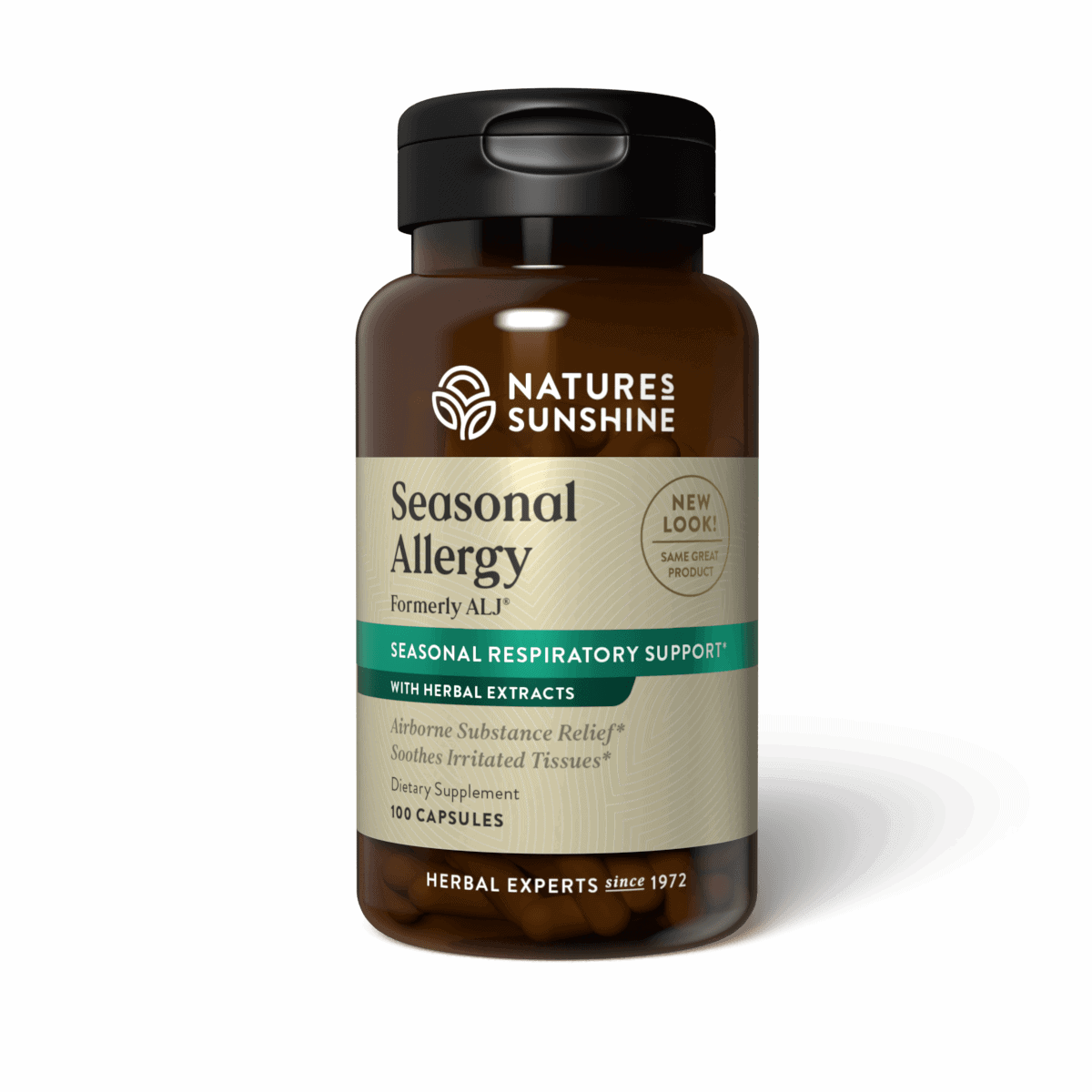
Nature's Sunshine Seasonal Allergy (formerly ALJ) is an herbal formula designed to assist the body in cleansing potentially harmful airborne particles from the respiratory system while providing immune system support. Rather than relying on a single ingredient, it combines five time-tested herbs — Boneset, Fennel, Fenugreek, Horseradish, and Mullein — each with a documented tradition of respiratory use. Together, these herbs work to soothe respiratory tissue, support the body's natural elimination functions, and help the respiratory system stand up to the challenge of inhaled irritants.
This product comes in a convenient 100-count Vegicap format (also available as VegiTabs and in liquid form), making it easy to integrate into a daily wellness routine during the seasons when you need it most.
Supporting Your Respiratory System During Seasonal Changes
What makes this formula a standout choice for the best seasonal allergy medicine is its multi-pronged approach to respiratory comfort. The blend of herbs works together in several complementary ways:
- Soothing irritated tissue: Fenugreek and Mullein both contain mucilage — a gel-like substance that coats and soothes irritated mucous membranes in the airways. This demulcent action helps calm the discomfort that comes with breathing in seasonal irritants.
- Supporting natural cleansing: Horseradish and Fennel promote healthy mucus flow and respiratory drainage, assisting the body in its natural process of clearing airborne particles from the nasal passages and lungs.
- Nourishing the lungs: Boneset and Mullein have centuries of traditional use as respiratory tonics, historically valued for their ability to support lung function and comfort during times of seasonal stress.
The result is a formula that assists the respiratory system in its natural cleansing processes while helping the body adapt as seasons change — without the drowsiness or dry-mouth feeling that many people want to avoid.
Key ingredients
- ✓ Free shipping over $75
- ✓ 90-day easy returns
- ✓ Ships within hours
Who Should Consider Seasonal Allergy
If you're looking for the best seasonal allergy medicine rooted in herbal tradition, this formula may be a good fit for:
- Adults who experience respiratory discomfort during seasonal transitions
- Anyone looking for herbal respiratory support that works with the body's natural cleansing processes
- People who want to support healthy lung function and clear breathing during times of elevated airborne irritants
- Those seeking a multi-herb approach that combines soothing, expectorant, and immune-supportive properties
If you're unsure whether this formula is right for your individual needs, our naturopath offers free consultations and can help you determine the best approach for your seasonal comfort.
How to Take Seasonal Allergy
Take 2–4 vegicaps with a meal three times daily. Each bottle contains 100 Vegicaps. The serving size is 2–4 vegicaps, allowing you to adjust your intake based on your personal needs and the guidance of your healthcare provider.
For personalized guidance on how to incorporate Seasonal Allergy into your wellness routine, you're welcome to schedule a free consultation with our naturopath.
Written by Greg Howlett
Frequently asked questions
What herbs are in Nature's Sunshine Seasonal Allergy?
Seasonal Allergy (Formerly ALJ) contains five herbs: Boneset aerial parts, Fennel seeds, Fenugreek seeds, Horseradish root, and Mullein leaves extract — each at 1,760 mg per serving. Fenugreek and Mullein both contain mucilage, which soothes respiratory tissue, while the other herbs assist in nourishing the lungs and supporting the respiratory system's natural cleansing processes.
How does Seasonal Allergy help with seasonal allergies?
This formula assists the body in cleansing potentially harmful airborne particles from the respiratory system and provides immune system support. The blend of herbs works together to soothe respiratory tissue, promote healthy mucus flow, and support the body's natural elimination functions during seasonal changes. It is not a pharmaceutical antihistamine — it supports the respiratory system through traditional herbal mechanisms.
Is Seasonal Allergy the same as ALJ?
Yes. Seasonal Allergy is the updated name for the product formerly known as ALJ by Nature's Sunshine. The herbal formula remains the same. It is also available as VegiTabs and in liquid form.
Can I talk to someone about whether this product is right for me?
Absolutely. We offer free naturopathic consultations with our naturopath, who can review your individual health needs and help you determine whether Seasonal Allergy is a good fit — no purchase or membership required.
How much Mullein and Fenugreek are in Seasonal Allergy?
Each serving contains 1,760 mg of Mullein leaves extract and 1,760 mg of Fenugreek seeds. Both are rich in mucilage, a gel-like substance that helps soothe irritated mucous membranes in the respiratory tract. In fact, Mullein has been used for respiratory support since it was first recommended by Dioscorides for pulmonary conditions nearly 2,000 years ago.
What does Horseradish do for seasonal allergies?
Horseradish root contains allyl isothiocyanate (AITC), which stimulates mucus flow and promotes respiratory drainage — helping clear nasal and sinus passages. It has a long herbal tradition for seasonal respiratory complaints, including sinus congestion and hay fever. The German Commission E has recognized Horseradish for supportive treatment of respiratory tract conditions.
Talk to Dr. Shannyn Fowl
Not sure if this is right for you? Book a free, no-pressure consultation for personalized guidance on your health goals.
Book your free consult →About Caring Sunshine
A family-run reseller of premium supplements — free shipping, a 90-day guarantee, and real people who know the products.
Learn more about us →