
Best Allergy Medicine for Seasonal Allergies
Discover the best allergy medicine for seasonal allergies. Learn how Nature's Sunshine Seasonal Allergy supports respiratory comfort during seasonal changes.
Finding the Best Allergy Medicine for Seasonal Allergies
When the seasons shift, airborne particles flood the environment. Every breath draws potential irritants into the nose and mouth, triggering the body's cleansing mechanisms and putting the immune system on active duty. For many people, these natural responses can become overwhelming, leaving them searching for the best allergy medicine for seasonal allergies that works with the body rather than simply masking symptoms.
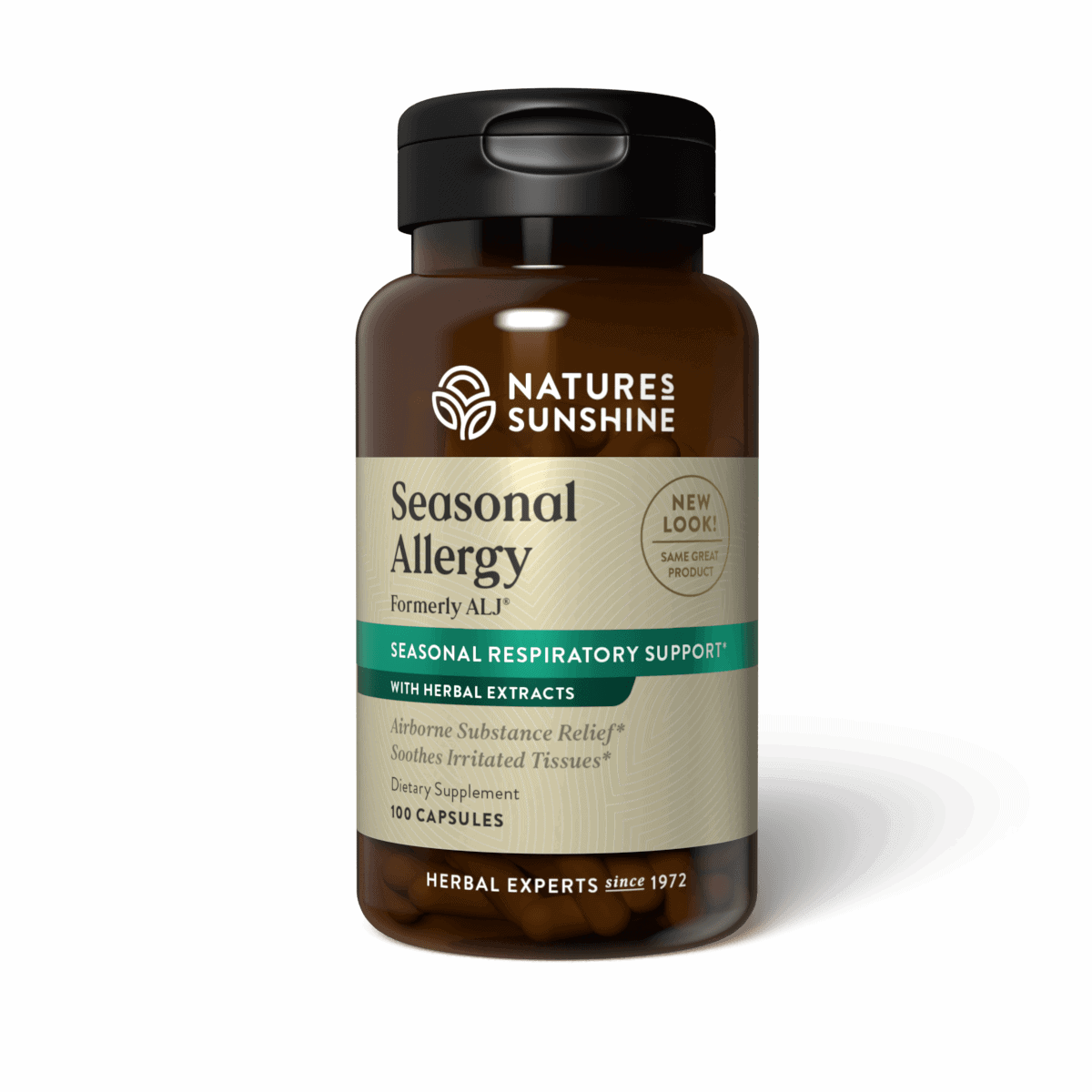
Nature's Sunshine Seasonal Allergy (formerly ALJ) is an herbal supplement designed to assist the body in cleansing potentially harmful airborne particles from the respiratory system while providing immune system support. Rather than a single isolated compound, this formula brings together five traditional herbs — Boneset, Fennel, Fenugreek, Horseradish, and Mullein — each chosen for its historical role in respiratory wellness.
The blend works to soothe respiratory tissue, assist the respiratory system in its natural cleansing processes, and support the body during seasonal changes. If you're unsure whether an herbal approach is right for you, our naturopath is available for a free consultation to help you find the best fit for your needs.
Herbal Support for Your Respiratory System
A healthy respiratory system can stand up to the challenge of inhaled irritants on its own. But during peak seasonal transitions, even a well-functioning system can benefit from additional herbal support. The herbs in Seasonal Allergy complement each other in several important ways.
Two of the five herbs — Fenugreek and Mullein — contain mucilage, a gel-like substance that soothes irritated respiratory tissue on contact. This demulcent action helps calm inflamed mucous membranes, providing physical comfort when airborne particles trigger the body's defenses.
The remaining herbs assist in nourishing the lungs and promoting the respiratory system's own cleansing processes, helping the body manage mucus, maintain clear airways, and adapt as seasons change. This multi-herb approach reflects a long tradition in herbal medicine of combining complementary botanicals for broader respiratory support.
Key Ingredients
- ✓ Free shipping over $75
- ✓ 90-day easy returns
- ✓ Ships within hours
Who Should Consider Seasonal Allergy?
Seasonal Allergy is formulated for adults who want herbal respiratory support during seasonal transitions. Whether you typically struggle when spring pollen counts rise or notice congestion as summer turns to fall, this blend may help your body manage the seasonal challenges that affect the respiratory system.
It may be a good fit for those who prefer a traditional herbal approach to respiratory comfort — one rooted in centuries of use across Native American, Ayurvedic, European, and Middle Eastern healing traditions. The formula supports the body's own cleansing mechanisms rather than simply suppressing symptoms.
If you have questions about whether Seasonal Allergy is appropriate alongside any medications you may be taking, our naturopath offers free consultations and can help you make an informed decision.
How to Take Seasonal Allergy
Take 2–4 vegicaps with a meal three times daily. Each bottle contains 100 vegicaps. This product is also available as VegiTabs and in liquid form for those who prefer alternative delivery methods.
As with any herbal supplement, consistency matters. Many people find it helpful to begin taking Seasonal Allergy before their most challenging season arrives, supporting the respiratory system proactively rather than reactively.
Written by Greg Howlett
Frequently asked questions
What makes Seasonal Allergy a good choice for seasonal allergies?
Seasonal Allergy combines five traditional herbs — Boneset, Fennel, Fenugreek, Horseradish, and Mullein — that have been used for centuries across multiple cultures to support respiratory health. The blend soothes respiratory tissue (through the mucilage in Fenugreek and Mullein), assists the respiratory system's natural cleansing processes, and supports the body during seasonal changes. Horseradish root contains allyl isothiocyanate, which stimulates mucociliary secretion and is covered in US patents for nasal and sinus dysfunction including allergic rhinitis.
How does this herbal formula support the respiratory system during allergy season?
The herbs work together in complementary ways. Fenugreek and Mullein contain mucilage that soothes irritated respiratory tissue. Horseradish and Fennel support the clearance of mucus — Horseradish through its pungent isothiocyanates that stimulate nasal secretion, and Fennel through research-supported enhancement of respiratory ciliary motility. Boneset is traditionally used as an expectorant and anti-inflammatory for the respiratory mucosa. Together, they assist the body in cleansing airborne particles from the respiratory system.
How many vegicaps should I take, and how often?
The directions are to take 2–4 vegicaps with a meal three times daily. Each bottle contains 100 vegicaps. The product is also available in VegiTab and liquid forms.
Is Seasonal Allergy the same as ALJ?
Yes. Seasonal Allergy was formerly called ALJ by Nature's Sunshine. The formula is the same herbal blend — Boneset aerial parts, Fennel seeds, Fenugreek seeds, Horseradish root, and Mullein leaves extract — designed to support the respiratory system and assist the body during seasonal changes.
Can I talk to someone before trying this product?
Absolutely. We offer free naturopathic consultations with our naturopath, who can help you determine whether Seasonal Allergy is a good fit for your individual needs — no purchase or membership required.
What is the evidence behind the ingredients in this formula?
The five herbs in Seasonal Allergy have extensive traditional use spanning centuries and multiple cultures — from Native American use of Boneset and Mullein to Ayurvedic use of Fenugreek and Fennel. Horseradish has the most robust clinical data through studies of a licensed European combination product (Angocin) that demonstrated respiratory symptom relief comparable to antibiotics in a cohort of 1,649 adults. Fennel's expectorant properties are recognized by Commission E and ESCOP. Mullein's anti-inflammatory phytochemicals have been confirmed in laboratory reviews. While large-scale clinical trials on the individual herbs for allergic rhinitis are limited, the traditional and preclinical evidence supporting respiratory use is substantial.
Talk to Dr. Shannyn Fowl
Not sure if this is right for you? Book a free, no-pressure consultation for personalized guidance on your health goals.
Book your free consult →About Caring Sunshine
A family-run reseller of premium supplements — free shipping, a 90-day guarantee, and real people who know the products.
Learn more about us →