
Liquid Chlorophyll: ¿qué hace por ti? Guía
Descubre qué hace Liquid Chlorophyll por ti: apoya la sangre, la limpieza natural y la respuesta inmunitaria. Conoce la ciencia detrás.
¿Qué hace Liquid Chlorophyll por ti?
La clorofila es el pigmento verde que se encuentra en las plantas y que hace posible la fotosíntesis: es, literalmente, la forma en que las plantas convierten la luz solar en energía. Pero los beneficios de la clorofila van más allá del reino vegetal. Cuando se aprovecha en forma de suplemento líquido, este compuesto notable puede ofrecer un apoyo significativo para tu sangre, tu sistema inmunitario y los procesos naturales de limpieza de tu cuerpo.
Si te has preguntado qué hace Liquid Chlorophyll por ti, aquí tienes la respuesta breve: apoya los procesos naturales de limpieza de la sangre, favorece una respuesta inmunitaria adecuada, fortalece el cuerpo a nivel celular y molecular, y actúa como desodorante natural. Nature's Sunshine recoge estos beneficios en su fórmula Liquid Chlorophyll: un frasco de 32 onzas que utiliza clorofilina de cobre y sodio, un derivado soluble en agua diseñado específicamente para una suplementación eficaz.
La mayoría de los productos de «agua de clorofila» y de suplementos líquidos que hay en el mercado son, en realidad, clorofilina: un derivado semisintético de sal de cobre y sodio de la clorofila. La clorofila natural es liposoluble y no se disuelve bien en agua. La clorofilina se desarrolló para ser soluble en agua, lo que la hace práctica para el uso líquido diario, conservando la estructura de anillo de porfirina beneficiosa que sustenta la bioactividad de la clorofila.
La ciencia detrás de Liquid Chlorophyll
Para comprender qué hace Liquid Chlorophyll por ti, primero hay que conocer su química particular. La clorofilina de cobre y sodio contiene dos compuestos relacionados que contienen cobre —la clorina e6 de cobre trisódica y la clorina e4 de cobre disódica—, ambos construidos sobre estructuras de anillo de porfirina con un átomo de cobre central. Esta estructura de anillo es lo que le da a la clorofilina su actividad biológica.
Apoyo para la sangre y la limpieza
La similitud estructural entre la clorofila y la hemoglobina es sorprendente: ambas son estructuras de anillo tetrapirrólico, con magnesio en el centro de la clorofila y hierro en el centro del hemo. Esta semejanza ha sustentado históricamente el uso tradicional de preparados ricos en clorofila para apoyar la salud de la sangre. La clorofilina de hierro y sodio (un derivado relacionado) se ha estudiado en entornos clínicos para la anemia por deficiencia de hierro y la anemia renal, y un ensayo clínico aleatorizado, controlado y multicéntrico de fase IV, realizado en 31 hospitales, observó aumentos significativos de la hemoglobina. Sin embargo, la clorofila vegetal estándar, que contiene magnesio en lugar de hierro, carece de evidencia clínica sólida en humanos de que eleve directamente la hemoglobina o el recuento de glóbulos rojos.
La clorofila y sus derivados tienen una capacidad documentada para unirse a ciertos carcinógenos y reducir su biodisponibilidad sistémica, apoyar los sistemas enzimáticos de desintoxicación hepática y reducir la absorción de toxinas de origen intestinal. La investigación sugiere que la clorofila y la clorofilina pueden formar complejos moleculares estrechos con sustancias químicas conocidas o sospechosas de causar cáncer, incluidos los hidrocarburos poliaromáticos presentes en el humo del tabaco y la aflatoxina B1. Esta unión puede interferir con la absorción gastrointestinal, reduciendo la cantidad que llega a los tejidos susceptibles.
Actividad antioxidante y protectora
La naturaleza química del anillo de porfirina permite que las clorofilas actúen como donadoras de hidrógeno, lo que ayuda a detener los procesos de oxidación en cadena. Los estudios sugieren que las clorofilas presentan una actividad antioxidante significativa mediante la quelación de iones reactivos y la neutralización de radicales libres, lo que puede ayudar a prevenir el daño oxidativo del ADN y la peroxidación lipídica.
Respuesta inmunitaria
Tradicionalmente, se le han atribuido a la clorofilina propiedades de apoyo inmunitario. La evidencia preclínica ha mostrado efectos inmunoestimulantes, un posible aumento de la producción de glóbulos blancos y una modulación antiinflamatoria. Los marcos tradicionales y naturopáticos consideran la clorofila un tónico inmunitario, aunque todavía no se dispone de evidencia clínica directa en humanos sobre resultados inmunitarios específicos, como la resistencia a infecciones o el recuento de células inmunitarias.
Ingredientes clave
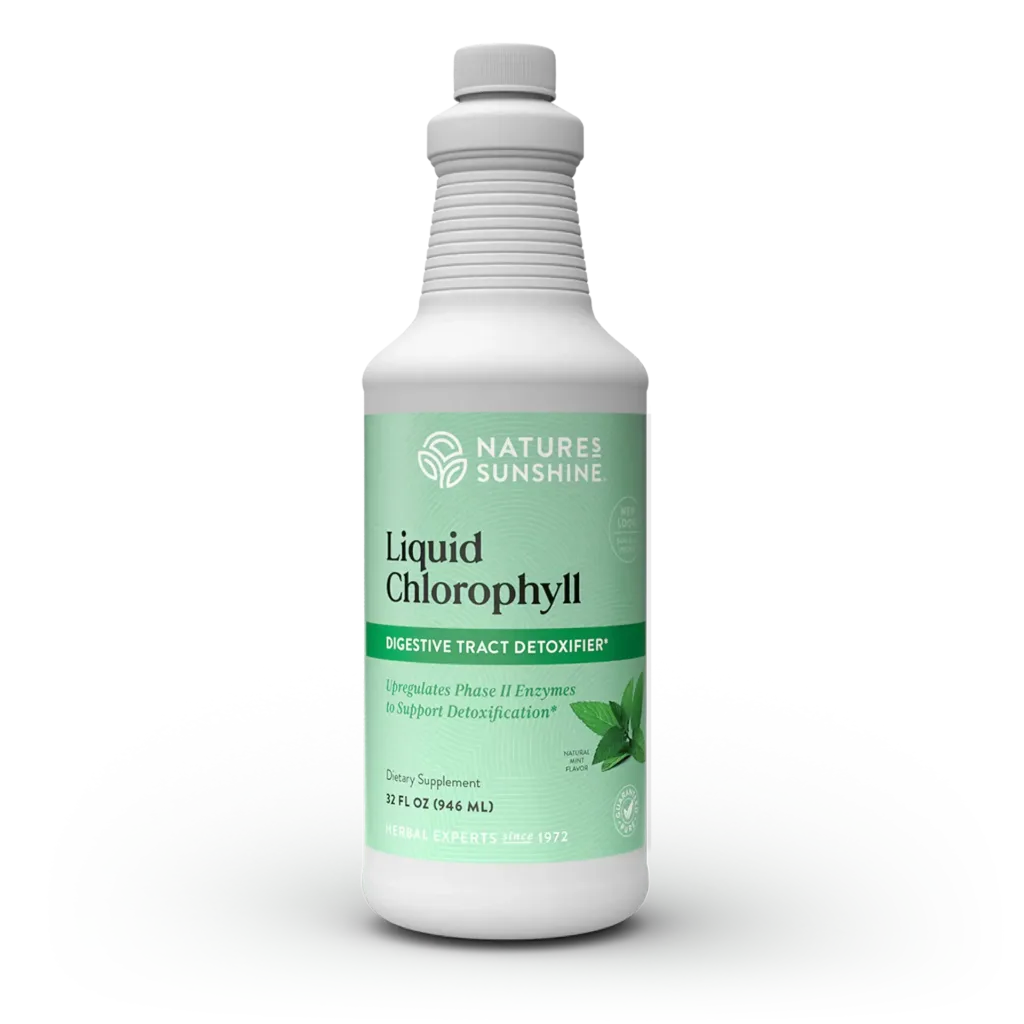
- ✓ Envío gratis en pedidos superiores a $75
- ✓ Devoluciones fáciles en 90 días
- ✓ Envíos en pocas horas
¿Quién puede beneficiarse de Liquid Chlorophyll?
Al explorar qué hace Liquid Chlorophyll por ti, ayuda pensar en para quién está pensado este suplemento. Según sus usos tradicionales y la evidencia disponible, Liquid Chlorophyll puede resultar atractivo para varios grupos.
Quienes buscan apoyo para la limpieza natural. La clorofila se ha usado como limpiador y desintoxicante interno tradicional durante décadas. Su capacidad documentada para unirse a ciertas toxinas y carcinógenos en el tracto gastrointestinal —respaldada por investigación clínica sobre la reducción de aflatoxinas— ofrece una base científica para su uso tradicional en rutinas de limpieza de todo el cuerpo.
Personas enfocadas en la salud de la sangre. La conexión tradicional entre la clorofila y la salud de la sangre se basa en la similitud estructural entre la clorofila y la hemoglobina. Quienes estén interesados en apoyar los procesos naturales de la sangre de su cuerpo pueden encontrar en Liquid Chlorophyll una adición útil a su rutina.
Cualquier persona que busque apoyo inmunitario. La clorofilina se ha usado históricamente como tónico inmunitario, y la investigación preclínica sugiere propiedades inmunoestimulantes y antiinflamatorias.
Personas preocupadas por la frescura corporal. La clorofilina se comercializa como desodorante interno desde la década de 1950 y se ha utilizado durante más de 50 años sin efectos secundarios graves. La investigación en poblaciones específicas —incluidos pacientes de residencias para adultos mayores y personas con trimetilaminuria— ha mostrado cierto beneficio para el control de olores.
Si tienes dudas sobre si Liquid Chlorophyll es la opción adecuada para tus objetivos de salud, nuestro naturópata te ofrece una consulta gratuita para ayudarte a decidir.
Cómo tomar Liquid Chlorophyll
Toma 2 cucharadas (30 mL) al día en un vaso de 8 oz líq. de agua fría. Refrigera después de abrirlo.
Este sencillo ritual diario facilita incorporarlo a tu rutina matutina o vespertina. A muchas personas les agrada el sabor suave y refrescado con hierbabuena de su agua verde, como parte de una práctica de bienestar más amplia.
Lo que debes saber
Cuando se toma por vía oral, la clorofilina puede causar una coloración verdosa de la orina o las heces, o una coloración amarilla o negra de la lengua: se trata de efectos cosméticos inofensivos, no de señales de un problema. También se ha descrito ocasionalmente diarrea leve. La clorofilina oral puede producir resultados falsos positivos en las pruebas de guayaco para sangre oculta, así que informa a tu profesional de la salud si la estás tomando antes de someterte a este tipo de pruebas.
Dado que no se ha evaluado la seguridad de los suplementos de clorofila o clorofilina durante el embarazo o la lactancia, se deben evitar en esos periodos. Las personas con enfermedad de Wilson u otros trastornos raros del metabolismo del cobre deben limitar la exposición a aditivos de cobre, incluida la clorofilina de cobre y sodio en suplementos. No se conoce toxicidad en las clorofilas naturales, y no se han atribuido efectos tóxicos a la clorofilina a pesar de más de 50 años de uso clínico en humanos.
Escrito por Greg Howlett
Preguntas frecuentes
¿Qué hace Liquid Chlorophyll por tu sangre?
Liquid Chlorophyll se ha usado tradicionalmente para apoyar la salud de la sangre, una práctica basada en la similitud estructural de la clorofila con la hemoglobina: ambas comparten una estructura de anillo tetrapirrólico. La clorofilina de hierro y sodio (un derivado relacionado que contiene hierro) cuenta con evidencia clínica documentada que respalda aumentos de la hemoglobina en casos de anemia por deficiencia de hierro, incluido un ensayo clínico aleatorizado, multicéntrico, de fase IV. Sin embargo, la clorofila vegetal estándar (que contiene magnesio en lugar de hierro) carece de evidencia clínica sólida en humanos de que eleve directamente la hemoglobina o el recuento de glóbulos rojos. La fórmula de Nature's Sunshine apoya los procesos naturales de limpieza de la sangre.
¿Liquid Chlorophyll es realmente clorofila?
La mayoría de los suplementos de clorofila líquida —incluido este— contienen clorofilina (en concreto, clorofilina de cobre y sodio), no clorofila natural directamente de las plantas. La clorofila natural es liposoluble y no se disuelve en agua. La clorofilina es un derivado semisintético en el que el átomo central de magnesio se sustituye por cobre y se elimina la cola de fitol, lo que la hace soluble en agua y práctica para la suplementación líquida. Conserva la estructura de anillo de porfirina que sustenta las propiedades beneficiosas de la clorofila.
¿Puede Liquid Chlorophyll ayudar con el olor corporal?
La clorofilina se comercializa como desodorante interno desde la década de 1950 y se ha utilizado para este fin durante más de 50 años sin efectos secundarios graves. Un estudio de 1980 observó que la administración de clorofilina ayudaba a controlar los olores corporales y fecales en 62 pacientes geriátricos de residencias para adultos mayores, y otro estudio observó que la clorofilina oral disminuyó significativamente la trimetilamina urinaria en pacientes con trimetilaminuria. Sin embargo, hay poca evidencia moderna de este beneficio en personas sanas: buena parte de la investigación que lo respalda proviene de estudios antiguos en poblaciones específicas.
¿Liquid Chlorophyll apoya la desintoxicación?
La investigación sugiere que la clorofilina puede formar complejos moleculares estrechos con ciertos carcinógenos potenciales —incluidos los hidrocarburos poliaromáticos del humo del tabaco y la aflatoxina B1—, lo que puede interferir con su absorción en el tracto gastrointestinal. Un ensayo clínico de referencia observó que la suplementación con clorofilina produjo una reducción de un 55% en los biomarcadores urinarios de aductos de aflatoxina-ADN. También se ha documentado que modula enzimas metabolizadoras de xenobióticos, incluida la inhibición del citocromo P450 y la inducción de enzimas de fase 2. La clorofila se ha usado tradicionalmente como limpiador interno durante décadas, aunque el concepto más amplio de «limpieza de todo el cuerpo» se basa más en la práctica tradicional y naturopática que en evidencia clínica controlada.
¿Liquid Chlorophyll tiene efectos secundarios?
Liquid Chlorophyll generalmente se tolera bien. No se conoce toxicidad en las clorofilas naturales, y no se han atribuido efectos tóxicos a la clorofilina a pesar de más de 50 años de uso en humanos. Los efectos inofensivos más frecuentes incluyen la coloración verdosa de la orina o las heces, o la coloración amarilla o negra de la lengua. Se ha descrito ocasionalmente diarrea. Puede causar resultados falsos positivos en las pruebas de guayaco para sangre oculta. Debe evitarse durante el embarazo y la lactancia, ya que no se ha evaluado su seguridad en esas poblaciones. Las personas con enfermedad de Wilson o trastornos del metabolismo del cobre deben evitarlo debido a su contenido de cobre.
¿Liquid Chlorophyll apoya el sistema inmunitario?
A la clorofilina se le han atribuido tradicionalmente propiedades de apoyo inmunitario. La evidencia preclínica sugiere efectos inmunoestimulantes, un posible aumento de la producción de glóbulos blancos y una modulación antiinflamatoria. Los marcos tradicionales y naturopáticos consideran la clorofila un tónico inmunitario. Además, la hierbabuena —incluida en esta fórmula— contiene ácido rosmarínico y flavonoides que, según sugieren estudios preclínicos, podrían modular la función inmunitaria mediante mecanismos antioxidantes, antiinflamatorios y antibacterianos. Sin embargo, sigue sin haber evidencia clínica directa en humanos sobre resultados inmunitarios específicos, como la resistencia a infecciones, para ninguno de los dos ingredientes.
Talk to Dr. Shannyn Fowl
Not sure if this is right for you? Book a free, no-pressure consultation for personalized guidance on your health goals.
Book your free consult →About Caring Sunshine
A family-run reseller of premium supplements — free shipping, a 90-day guarantee, and real people who know the products.
Learn more about us →