
Vitamin D3 K2 Benefits | Bone, Immune & Circulatory
Explore Vitamin D3 K2 benefits for bone density, immune support, and circulatory health. Learn how Vitamin D3 and Calcium work together in this detailed guide.
Vitamin D3 K2 Benefits: Why This Sunshine Vitamin Matters
Vitamin D3 — often called the "sunshine vitamin" — is produced when UVB rays from the sun hit your skin and convert cutaneous 7-dehydrocholesterol into previtamin D3. But during cloudy months, winter seasons, or for those who spend most of their day indoors, getting enough Vitamin D3 from sunlight alone can be a real challenge. That's where thoughtful supplementation comes in.
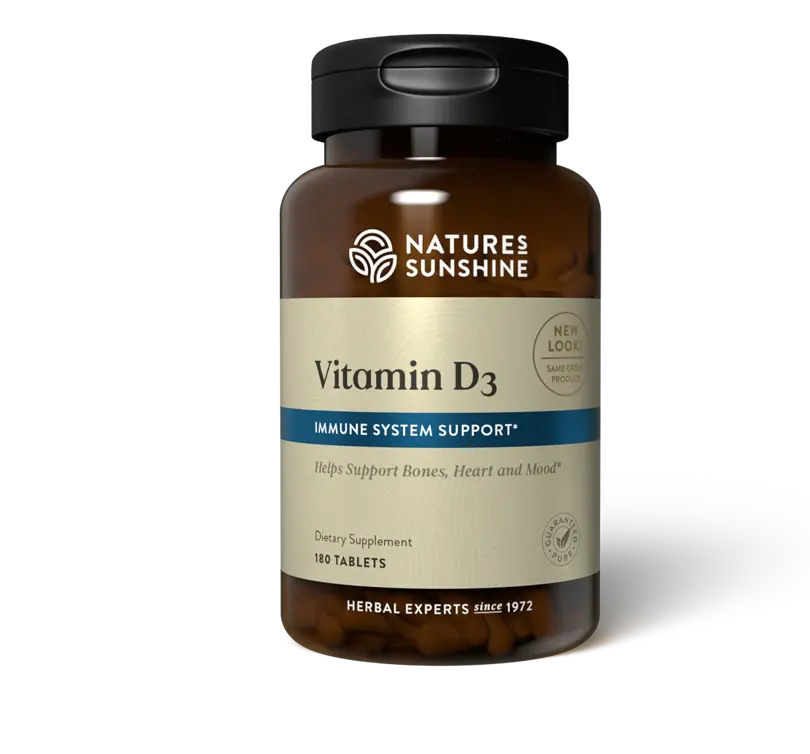
Nature's Sunshine Vitamin D3 is designed to support circulatory, immune, and structural health — the core Vitamin D3 K2 benefits that researchers and health professionals focus on most. Vitamin D3 (cholecalciferol) is the more bioactive of the two forms of vitamin D, and research suggests it could be more than three times as effective as vitamin D2 (ergocalciferol) in raising and maintaining serum 25(OH)D concentrations.
As a fat-soluble secosteroid, Vitamin D3 is biologically inert when first ingested. It requires two sequential hydroxylation steps — first in the liver to form 25-hydroxyvitamin D, and then in the kidneys to form calcitriol, the physiologically active metabolite. Calcitriol then exerts its effects through vitamin D receptor (VDR)-mediated genomic and non-genomic pathways found in virtually every organ system.
If you have questions about whether a Vitamin D3 supplement is right for your situation, our naturopath is available for a free consultation — no appointment pressure, just honest guidance.
How Vitamin D3 and Calcium Support Your Body Together
One of the most important Vitamin D3 K2 benefits is the way Vitamin D3 facilitates Calcium absorption and utilization. Vitamin D3 helps regulate normal blood levels of Calcium and phosphorus, assists in strengthening bones, and — along with other vitamins, minerals, and hormones — encourages bone mineralization.
This formula pairs Vitamin D3 with dicalcium phosphate, a supplemental Calcium source. More than 99% of the Calcium in the body is stored in bone as hydroxyapatite, providing both skeletal strength and a reservoir for Calcium to be released into the serum when needed. Without adequate vitamin D, Calcium absorption from both dietary sources and supplements is significantly diminished, which is why these two nutrients are frequently studied and recommended together.
Beyond bones, Calcium plays essential roles in muscle contraction, neurotransmission, and hormone secretion. It functions as a universal second messenger in cells, contributing to everything from cardiac muscle synchronization to nerve signal transmission. Vitamin D3, meanwhile, influences the immune system, musculoskeletal function, and cardiovascular pathways — creating a broad foundation of support when the two nutrients work in concert.
Key Ingredients
- ✓ Envío gratis en pedidos superiores a $75
- ✓ Devoluciones fáciles en 90 días
- ✓ Envíos en pocas horas
Who May Benefit from Vitamin D3 K2 Supplementation
The Vitamin D3 K2 benefits in this formula are especially relevant for people who may struggle to maintain adequate vitamin D levels through sunlight and diet alone. Season, time of day, cloud cover, smog, skin melanin content, and sunscreen all affect UV radiation exposure and vitamin D synthesis — making deficiency a common concern across many demographics.
According to data from the National Health and Nutrition Examination Survey, most people in the United States consume less than the recommended amounts of vitamin D. High-risk populations include individuals with limited sun exposure, older adults, and people with malabsorption disorders.
This formula may be particularly appropriate for:
- Adults concerned about bone density — Vitamin D3 combined with Calcium supports bone mineralization, and research suggests this combination is especially beneficial for those with confirmed vitamin D insufficiency.
- Those seeking immune support — Clinical trials have shown that individuals with adequate Vitamin D3 levels have a lower incidence of respiratory infections, and the landmark 2017 BMJ meta-analysis of 25 RCTs found Vitamin D3 supplementation significantly reduced acute respiratory infection incidence.
- People with limited sun exposure — Whether due to geography, lifestyle, or seasonal changes, supplementation may help maintain healthy vitamin D status when UVB exposure is insufficient.
- Older adults — VDRs in muscle tissue implicate Vitamin D3 in muscle strength and coordination, and Calcium needs increase after age 50 for women and after age 70 for all adults.
Not sure whether this formula fits your health goals? Our naturopath offers free consultations and can help you think through your options.
How to Take Nature's Sunshine Vitamin D3
Take 2 tablets daily with a meal. The concurrent presence of fat in the gut enhances vitamin D absorption, so taking this supplement alongside a meal that contains some dietary fat is a practical approach.
Each bottle contains 180 tablets. This product is non-GMO.
Both forms of vitamin D are well absorbed in the small intestine through passive diffusion and intestinal membrane carrier proteins. Research notes that some vitamin D is absorbed even without dietary fat, but absorption is generally enhanced when fat is present.
Escrito por Greg Howlett
Preguntas frecuentes
What are the main Vitamin D3 K2 benefits for bone health?
Vitamin D3 helps regulate normal blood levels of Calcium and phosphorus, assists in strengthening bones, and encourages bone mineralization. It promotes Calcium absorption, which is essential for bone health. Research suggests that Vitamin D3 combined with Calcium is especially supportive for bone mineral density, particularly in older adults and those with confirmed vitamin D deficiency. The dicalcium phosphate in this formula provides supplemental Calcium to complement Vitamin D3's absorption-enhancing role.
Why is Vitamin D3 preferred over vitamin D2?
Vitamin D3 (cholecalciferol) is the form naturally produced in human skin from sunlight. Research suggests it could be more than three times as effective as vitamin D2 (ergocalciferol) in raising serum 25(OH)D concentrations and maintaining those levels for a longer time. Its metabolites also have superior affinity for vitamin D-binding proteins in plasma. This is why Vitamin D3 is generally the preferred supplemental form.
Does Vitamin D3 support immune health?
Yes, research supports Vitamin D3's role in immune function. It induces antimicrobial peptides including cathelicidin and β-defensins, which have broad-spectrum activity against bacteria, viruses, and fungi. Vitamin D3 also modulates macrophage and T-cell function and favors the differentiation of regulatory T cells. A 2017 meta-analysis of 25 RCTs found that vitamin D supplementation had a protective effect against acute respiratory infections, with the greatest benefit in deficient individuals.
Who is at risk for vitamin D deficiency?
According to the National Health and Nutrition Examination Survey, most people in the United States consume less than the recommended amounts of vitamin D. High-risk populations include individuals with limited sun exposure, older adults, and people with malabsorption disorders. Factors like clouds, smog, having darker skin, living at higher latitudes, and using sunscreen all reduce the amount of vitamin D your skin produces from sunlight.
Can you get too much vitamin D from supplements?
While vitamin D is among the least toxic fat-soluble vitamins and toxicity is exceedingly rare, very high blood levels (greater than 150 ng/mL) can cause adverse effects including nausea, muscle weakness, and kidney problems. High levels are almost always caused by excessive supplemental intake — you cannot get too much from sunshine because your skin limits the amount it makes. The Institute of Medicine recommends an upper intake limit of 4,000 IU/day (100 mcg/day) for adults aged 9 and older.
Should Vitamin D3 be taken with food?
Yes, taking Vitamin D3 with a meal is recommended. Vitamin D is fat-soluble, and the concurrent presence of fat in the gut enhances absorption. Both forms of vitamin D are well absorbed in the small intestine through passive diffusion and intestinal membrane carrier proteins, but absorption is generally improved when dietary fat is present.
Talk to Dr. Shannyn Fowl
Not sure if this is right for you? Book a free, no-pressure consultation for personalized guidance on your health goals.
Book your free consult →About Caring Sunshine
A family-run reseller of premium supplements — free shipping, a 90-day guarantee, and real people who know the products.
Learn more about us →