
Cúrcuma y curcumina: noticias de estudios recientes
Descubre las últimas noticias sobre estudios de cúrcuma y curcumina: salud articular, inflamación y defensa antioxidante, respaldadas por la ciencia.
Noticias sobre estudios de cúrcuma y curcumina: qué muestra la ciencia
Las noticias sobre estudios de cúrcuma y curcumina no han dejado de aumentar, a medida que los investigadores publican nuevas revisiones sistemáticas, metaanálisis y ensayos controlados aleatorizados (ECA) que exploran las aplicaciones modernas de este antiguo producto botánico. La curcumina —el principal polifenol bioactivo del rizoma de Curcuma longa— se ha usado durante casi 6,000 años en la medicina ayurvédica y la medicina tradicional china. Hoy en día, es uno de los compuestos naturales más estudiados del mundo, con cientos de ensayos clínicos que examinan su papel en la inflamación crónica, la salud articular, la función metabólica y la defensa antioxidante.
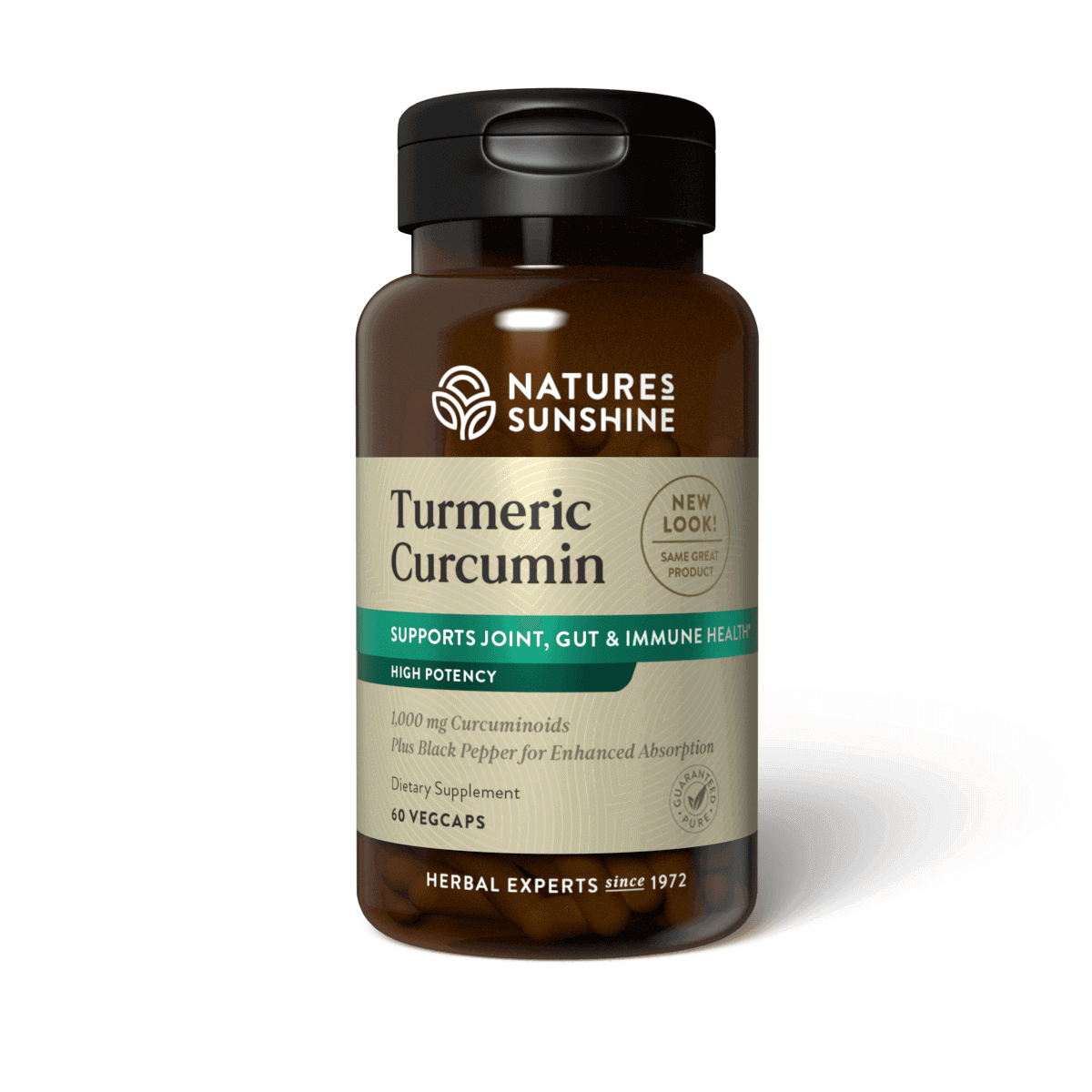
Turmeric Curcumin de Nature's Sunshine aporta 1,100 mg de extracto de cúrcuma con 1,000 mg de curcuminoides por porción —equivalente a 32,000 mg de cúrcuma en raíz entera— e incluye extracto de pimienta negra para apoyar la absorción. La fórmula ha sido estudiada clínicamente y está diseñada para ofrecer una potencia superior en comparación con los productos de cúrcuma estándar, que aportan niveles altos de raíz de cúrcuma pero niveles bajos del extracto rico en antioxidantes.
A continuación, desglosamos las áreas más importantes de las noticias sobre estudios de cúrcuma y curcumina, basadas directamente en investigaciones publicadas, para que puedas entender qué están aprendiendo los científicos y qué preguntas quedan por resolver.
Salud articular: la aplicación más estudiada en las noticias sobre cúrcuma y curcumina
La osteoartritis (OA) —en particular, la OA de rodilla— es la indicación más investigada para la curcumina en ensayos clínicos en humanos, y genera constantemente algunas de las noticias más destacadas sobre estudios de cúrcuma y curcumina. Múltiples metaanálisis respaldan un beneficio estadísticamente significativo para el dolor y la función física.
Una revisión sistemática y metaanálisis en red de 2025 que incluyó 17 estudios observó que todas las preparaciones de cúrcuma redujeron de forma significativa las puntuaciones de dolor WOMAC en comparación con el placebo. Las preparaciones de curcuminoides con biodisponibilidad mejorada mostraron una reducción de un 30% en el dolor WOMAC, alcanzando el umbral de diferencia mínima clínicamente importante. Cuando se combinó con un comparador activo, la formulación produjo una reducción de un 70% en el dolor medido con la escala visual analógica (EVA), en comparación con el comparador solo.
Una revisión sistemática de 2022 publicada en Frontiers in Immunology examinó 29 ECA con 2,396 participantes en cinco tipos de artritis: OA, artritis reumatoide, espondilitis anquilosante, artritis idiopática juvenil y gota/hiperuricemia. Las dosis de curcumina en estos ensayos oscilaron entre 120 mg y 1,500 mg durante un periodo de 4 a 36 semanas. Un metaanálisis independiente confirmó que el extracto de curcumina/cúrcuma tuvo una eficacia terapéutica similar a la de los antiinflamatorios no esteroideos (AINE), con base en 16 ECA y 1,810 adultos.
Una revisión crítica de 2025 señaló que, si bien los curcuminoides mostraron posibles ventajas en eficacia y seguridad para el manejo de la OA de rodilla, las revisiones sistemáticas en las que se basaban tenían una calidad metodológica extremadamente baja, con vacíos de información importantes y un alto riesgo de sesgo. De los 48 resultados evaluados, la calidad de la evidencia fue, en su mayoría, baja a extremadamente baja. Esto significa que los resultados son prometedores, pero deben interpretarse con cautela: se necesitan ensayos más rigurosos y de mayor tamaño para confirmar los hallazgos.
Si tienes preguntas sobre cómo Turmeric Curcumin puede encajar en tu rutina de bienestar articular, nuestro naturópata te ofrece una consulta gratuita.
Inflamación crónica, marcadores metabólicos e investigación emergente
Más allá de las articulaciones, las noticias sobre estudios de cúrcuma y curcumina abarcan cada vez más la inflamación sistémica y la salud metabólica. El mecanismo central de la curcumina consiste en inhibir la vía de señalización de NF-κB y suprimir citocinas proinflamatorias como el TNF-α, la IL-1β y la IL-6. También suprime las enzimas COX-2 y LOX, responsables de producir mediadores inflamatorios como las prostaglandinas y los leucotrienos.
Una revisión sistemática y metaanálisis de 2025 que evaluó la Curcuma longa en el síndrome metabólico observó reducciones significativas en la glucemia en ayunas, la HbA1c, los triglicéridos y el colesterol LDL, junto con aumentos en el colesterol HDL y la capacidad antioxidante total. La revisión también mostró que la curcumina atenuó la inflamación sistémica, reduciendo la proteína C reactiva (PCR), el TNF-α y la IL-6. Sin embargo, la heterogeneidad entre los ensayos fue de moderada a alta, lo que refleja diferencias en las formulaciones, las dosis y la duración de los estudios.
Una revisión de 2024 de 54 metaanálisis publicada en Nutrients, que abarcó la inflamación, el estado antioxidante, el control de la glucosa, los lípidos, la presión arterial y otros aspectos, observó que los niveles de PCR se redujeron en siete de diez metaanálisis examinados, y los niveles de IL-6 disminuyeron de forma significativa en cinco de ocho metaanálisis.
Salud intestinal y enfermedad inflamatoria intestinal
Un metaanálisis de 2025 de 13 ECA controlados con placebo sobre la curcumina en la enfermedad inflamatoria intestinal (EII) mostró una eficacia significativa para lograr la remisión clínica y la respuesta en pacientes con colitis ulcerosa. La evidencia sobre la enfermedad de Crohn es más limitada: un ECA observó que la curcumina oral no fue más eficaz que el placebo para prevenir la recurrencia después de una cirugía.
Investigación sobre cognición y estado de ánimo
Estudios preliminares sugieren que la curcumina podría apoyar la salud cognitiva al restaurar los niveles del factor neurotrófico derivado del cerebro (BDNF), regular la neurotransmisión monoaminérgica y mitigar la neuroinflamación. En un estudio, tomar 1,500 mg al día de una formulación de curcumina a base de aceite de cúrcuma durante 12 meses estabilizó la función cognitiva en adultos mayores en comparación con el placebo. Sin embargo, la evidencia clínica sigue en una etapa temprana, ya que la mayoría de los ensayos son pequeños y de corta duración.
La investigación sobre la curcumina y los síntomas depresivos ha mostrado, en general, mejoras modestas pero estadísticamente significativas en las puntuaciones de los síntomas, aunque los resultados se consideran preliminares y el tamaño del efecto varía considerablemente entre los estudios.
Una advertencia clave sobre la investigación
Un tema recurrente en las noticias sobre estudios de cúrcuma y curcumina es el reto de la biodisponibilidad. La curcumina tiene baja solubilidad en agua, una permeabilidad intestinal deficiente y un metabolismo rápido, lo que limita la cantidad que llega a la circulación sistémica tras su administración oral. Por eso son importantes las formulaciones que incluyen piperina (de la pimienta negra) u otras tecnologías de administración. En un estudio ampliamente citado, la administración conjunta con piperina aumentó la biodisponibilidad de la curcumina en un 2,000% en humanos. Nature's Sunshine aborda esto incluyendo extracto de pimienta negra en su fórmula Turmeric Curcumin.
Ingredientes clave
- ✓ Envío gratis en pedidos superiores a $75
- ✓ Devoluciones fáciles en 90 días
- ✓ Envíos en pocas horas
Quién debería prestar atención a las noticias sobre cúrcuma y curcumina
Con base en el conjunto de investigaciones publicadas, Turmeric Curcumin podría ser especialmente relevante para:
- Adultos con rigidez o molestias articulares: especialmente quienes enfrentan problemas articulares relacionados con la edad. La evidencia clínica más sólida se refiere a la OA de rodilla, donde múltiples metaanálisis muestran mejoras significativas en el dolor, la rigidez y la función física.
- Personas que buscan apoyo antioxidante: la investigación sugiere que la curcumina podría aumentar la capacidad antioxidante total, la superóxido dismutasa, la catalasa y el glutatión, además de reducir los marcadores de peroxidación lipídica.
- Quienes buscan apoyar una respuesta inflamatoria saludable: la curcumina actúa sobre vías inflamatorias clave y se ha estudiado en el síndrome metabólico, la EII y otras afecciones inflamatorias sistémicas.
- Cualquier persona interesada en el bienestar metabólico: los metaanálisis sugieren posibles beneficios para la regulación glucémica, el metabolismo lipídico y los biomarcadores inflamatorios en personas con problemas metabólicos.
Turmeric Curcumin de Nature's Sunshine es sin OGM, viene en cápsulas vegetales y no requiere membresía ni suscripción automática para comprarlo. Si tienes dudas sobre si esta fórmula es adecuada para tus necesidades, nuestro naturópata te ofrece consultas gratuitas para ayudarte a tomar una decisión informada.
Cómo tomar Turmeric Curcumin
Toma 2 cápsulas vegetales al día. Cada porción aporta 1,100 mg de extracto de cúrcuma con 1,000 mg de curcuminoides, además de extracto de pimienta negra para mejorar la absorción. El frasco contiene 60 cápsulas: un suministro para 30 días según la porción recomendada.
Como con cualquier suplemento, es recomendable hablar sobre Turmeric Curcumin con tu profesional de la salud, en especial si tomas medicamentos. La investigación señala que la piperina (de la pimienta negra) podría afectar el metabolismo de ciertos medicamentos administrados junto con ella, al inhibir el CYP3A4 y la glicoproteína P. Nuestro naturópata también puede responder con gusto tus preguntas sobre cómo esta fórmula podría integrarse con tu rutina de bienestar actual.
Escrito por Greg Howlett
Preguntas frecuentes
¿Qué dicen las últimas noticias sobre estudios de cúrcuma y curcumina acerca de la salud articular?
La investigación más reciente es alentadora. Una revisión sistemática y metaanálisis en red de 2025 con 17 estudios observó que todas las preparaciones de cúrcuma redujeron de forma significativa el dolor por OA de rodilla en comparación con el placebo. Las preparaciones con biodisponibilidad mejorada alcanzaron el umbral de diferencia mínima clínicamente importante, con una reducción del dolor de un 30%. Un metaanálisis independiente de 16 ECA observó que la eficacia de la curcumina era similar a la de los AINE. Sin embargo, la calidad de la evidencia en los estudios se califica de forma constante como baja a muy baja, debido al tamaño pequeño de las muestras, la heterogeneidad metodológica y la participación de la industria, lo que significa que todavía se necesitan ensayos más grandes y de mayor calidad.
¿Por qué esta fórmula incluye extracto de pimienta negra?
La curcumina tiene una biodisponibilidad oral inherentemente baja, debido a su baja solubilidad en agua, su permeabilidad intestinal deficiente y su metabolismo rápido. La piperina, el alcaloide activo de la pimienta negra, inhibe las enzimas (CYP3A4, UGT) que metabolizan y eliminan rápidamente la curcumina del organismo. En un estudio en humanos ampliamente citado, la administración conjunta con piperina aumentó la biodisponibilidad de la curcumina en un 2,000% a los 45 minutos de la toma oral.
¿Turmeric Curcumin apoya la defensa antioxidante?
La investigación sugiere que sí. Múltiples ECA y metaanálisis en humanos muestran que la suplementación con curcumina podría aumentar la capacidad antioxidante total, la superóxido dismutasa, la catalasa y los niveles de glutatión, además de reducir el malondialdehído, un marcador de la peroxidación lipídica. El mecanismo principal consiste en la activación de la vía Keap1-Nrf2/ARE, que aumenta la expresión de las enzimas citoprotectoras endógenas del organismo.
¿Es seguro Turmeric Curcumin?
La curcumina generalmente se tolera bien y la FDA la reconoce como GRAS (generalmente reconocida como segura). Los ensayos clínicos indican que es segura en dosis de hasta 6 gramos al día durante un periodo de 4 a 7 semanas. Los efectos secundarios descritos con mayor frecuencia son alteraciones gastrointestinales leves, como náuseas o diarrea, que suelen resolverse al reducir la dosis. Existe un riesgo poco frecuente de daño hepático, que podría ser mayor con las formulaciones de absorción mejorada o con dosis más altas; las personas con afecciones hepáticas existentes deben consultar a su profesional de la salud. Además, la piperina podría afectar el metabolismo de ciertos medicamentos, por lo que es importante hablar con tu médico sobre su uso si tomas medicamentos con receta.
¿Qué hace diferente a Turmeric Curcumin de Nature's Sunshine de otros productos de cúrcuma?
Mientras que muchos productos aportan niveles altos de polvo básico de raíz de cúrcuma con niveles bajos del extracto activo de cúrcuma, Nature's Sunshine incluye tanto raíz de cúrcuma como niveles más altos del extracto de cúrcuma rico en antioxidantes, aportando 1,000 mg de curcuminoides por porción, equivalente a 32,000 mg de cúrcuma en raíz entera. La fórmula ha sido estudiada clínicamente, está potenciada con extracto de pimienta negra para mejorar la biodisponibilidad, es sin OGM y viene en cápsulas vegetales.
¿Puedo hablar con alguien sobre si Turmeric Curcumin es adecuado para mí?
Por supuesto. Ofrecemos consultas naturopáticas gratuitas, sin necesidad de compra ni membresía. Nuestro naturópata puede ayudarte a entender cómo esta fórmula podría encajar en tus objetivos de bienestar y comentar contigo cualquier consideración según tu situación de salud particular.
Talk to Dr. Shannyn Fowl
Not sure if this is right for you? Book a free, no-pressure consultation for personalized guidance on your health goals.
Book your free consult →About Caring Sunshine
A family-run reseller of premium supplements — free shipping, a 90-day guarantee, and real people who know the products.
Learn more about us →