
Seguridad de Turmeric Curcumin y jengibre: guía
Descubre la seguridad de Turmeric Curcumin y jengibre: ingredientes, biodisponibilidad, interacciones y beneficios respaldados por evidencia.
Por qué la seguridad de Turmeric Curcumin y jengibre no es natural merece tu atención
La cúrcuma se ha utilizado durante casi 6,000 años en la medicina ayurvédica y la medicina tradicional asiática, y su principal compuesto bioactivo —la curcumina— se ha convertido en uno de los ingredientes botánicos más investigados en la ciencia moderna de la nutrición. Pero con la creciente popularidad surge una pregunta importante: ¿por qué la seguridad de Turmeric Curcumin y jengibre no es natural? En otras palabras, ¿qué deberías saber en realidad sobre la seguridad, la biodisponibilidad y la efectividad en el mundo real de estos ingredientes antes de incorporarlos a tu rutina diaria?
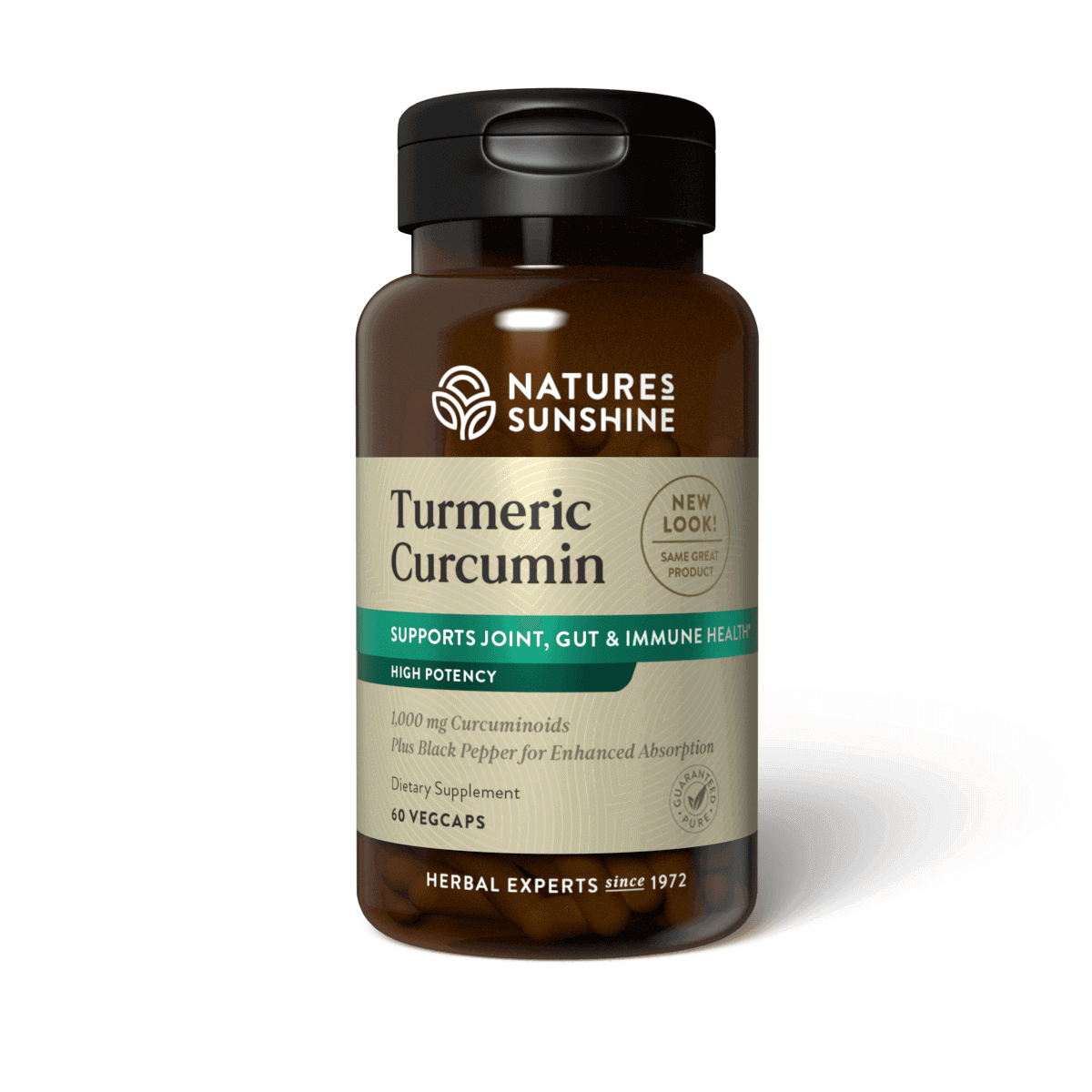
El Turmeric Curcumin (Formerly CurcuminBP) de Nature's Sunshine se desarrolló para abordar estas preocupaciones específicas. Esta fórmula aporta 1,100 mg de extracto de cúrcuma junto con 1,000 mg de curcuminoides, con extracto de pimienta negra añadido específicamente para apoyar la absorción. Una porción equivale a 32,000 mg de cúrcuma de raíz entera, y la fórmula ha sido estudiada clínicamente por su absorción y efectividad superiores.
Comprender la seguridad de Turmeric Curcumin y jengibre implica reconocer tanto los beneficios como las limitaciones respaldados por la investigación científica. A continuación, repasamos la evidencia: lo que sugieren los estudios, dónde se recomienda precaución y para quién esta fórmula podría ser más adecuada.
Biodisponibilidad, pimienta negra y el reto de la absorción
El mayor desafío con la curcumina es su baja biodisponibilidad oral. Numerosos factores —entre ellos la baja solubilidad en agua, la escasa permeabilidad intestinal, la inestabilidad a pH alcalino y el metabolismo rápido— contribuyen a la dificultad de lograr niveles significativos de curcumina en el torrente sanguíneo tras su administración oral. Un estudio observó que la absorción de curcumina fue de solo alrededor de un 1% en ratas.
Precisamente por eso, el Turmeric Curcumin de Nature's Sunshine incluye extracto de pimienta negra. La piperina, el alcaloide activo de la pimienta negra, es la estrategia más utilizada para mejorar la absorción de la curcumina. La investigación ha mostrado que, en humanos, la biodisponibilidad de la curcumina aumentó en un 2,000% a los 45 minutos después de administrar curcumina por vía oral junto con piperina. La piperina logra esto al inhibir la glucuronidación —un proceso metabólico que marca rápidamente la curcumina para su eliminación— y al inhibir el CYP3A4 y la P-glicoproteína, enzimas y transportadores implicados en el metabolismo de fármacos.
Aunque esta mejora en la biodisponibilidad está bien documentada, también implica consideraciones de seguridad importantes. La inhibición del CYP3A4 y la P-glicoproteína por parte de la piperina puede alterar la forma en que tu cuerpo procesa otros medicamentos. Estudios clínicos sugieren que la piperina (por lo general a 20 mg/día) puede aumentar moderadamente las concentraciones plasmáticas de fármacos como la carbamazepina, el midazolam, el diclofenaco, la fenitoína, la fexofenadina y posiblemente la warfarina y la digoxina. Si tomas medicamentos con receta, hablar sobre la seguridad de Turmeric Curcumin y jengibre con un profesional de la salud —o aprovechar nuestra consulta gratuita de naturopatía— es un paso prudente.
Qué dice la investigación sobre la seguridad de Turmeric Curcumin
Varios ensayos en humanos no han mostrado efectos tóxicos, y se ha descrito que la curcumina es segura a una dosis de 6 g/día por vía oral durante 4–7 semanas. La FDA ha aprobado la curcumina para su uso como ingrediente en diversas categorías de alimentos, considerándola generalmente segura (GRAS). No se han descrito efectos adversos graves ni siquiera con dosis altas de curcumina en ensayos clínicos.
Dicho esto, las alteraciones gastrointestinales —como náuseas, diarrea y malestar estomacal— son los efectos secundarios descritos con mayor frecuencia, en particular con dosis más altas. Estos han sido poco frecuentes y, por lo general, se resolvieron al reducir la dosis o al interrumpir el uso.
La salud hepática es una preocupación emergente. La evidencia disponible muestra que existe un riesgo poco frecuente de daño hepático al tomar cúrcuma o curcumina en formas de dosificación medicinal. Este riesgo puede ser mayor en productos con absorción o biodisponibilidad mejoradas, o con dosis más altas. Las personas con problemas hepáticos actuales o previos pueden tener más probabilidades de presentar este evento adverso poco frecuente. El papel de la piperina en el riesgo de hepatotoxicidad es una preocupación clínica clave: al aumentar drásticamente la absorción de la curcumina, las fórmulas que contienen piperina también podrían elevar el riesgo de hepatotoxicidad, según se ha descrito en varios informes de casos recientes relacionados con combinaciones de cúrcuma y piperina.
Clínicamente, el daño hepático inducido por fármacos (DILI) por la combinación de cúrcuma y piperina a menudo se parece a la hepatitis viral aguda, con síntomas como aminotransferasas elevadas, hiperbilirrubinemia, fatiga y prurito. El periodo de latencia suele variar de uno a cuatro meses. Además, algunas investigaciones han hallado cromato de plomo en ciertos productos comerciales de cúrcuma, lo que resalta la importancia de los estándares de calidad y pureza.
Las interacciones medicamentosas también merecen atención. La curcumina puede afectar las enzimas CYP450, y se ha demostrado que la inhibición del CYP3A4 y la P-glicoproteína por parte de la piperina eleva las concentraciones plasmáticas de los fármacos administrados junto con ella. Ten precaución si tomas cúrcuma o curcumina junto con medicamentos o suplementos que tengan efectos anticoagulantes o antiplaquetarios (que diluyen la sangre). En varios artículos se ha descrito la posible interacción con warfarina, ciclosporina, antihiperglucemiantes, anticonceptivos orales y medicamentos neurológicos. Nuestro naturópata te ofrece una consulta gratuita si deseas orientación personalizada sobre posibles interacciones.
Ingredientes clave
- ✓ Envío gratis en pedidos superiores a $75
- ✓ Devoluciones fáciles en 90 días
- ✓ Envíos en pocas horas
Quién puede beneficiarse de Turmeric Curcumin
El Turmeric Curcumin de Nature's Sunshine está diseñado para adultos que buscan apoyar una respuesta inflamatoria saludable, la comodidad articular y la defensa antioxidante. Según la investigación, esta fórmula puede ser especialmente relevante para:
- Adultos con rigidez o malestar articular ocasional: múltiples revisiones sistemáticas y metaanálisis respaldan un beneficio estadísticamente significativo de la cúrcuma/curcumina para el dolor y la función en la osteoartritis de rodilla, con cierta evidencia de una eficacia comparable a la de los AINE.
- Quienes buscan apoyo antioxidante: la investigación sugiere que la curcumina aumenta de forma medible la capacidad antioxidante total, la superóxido dismutasa, la catalasa y el glutatión, mientras reduce los marcadores de peroxidación lipídica.
- Personas interesadas en apoyar la función del sistema inmunitario y un equilibrio saludable del microbioma: se destaca que la fórmula favorece la función del sistema inmunitario y un equilibrio saludable del microbioma.
- Cualquier persona que busque una fórmula de cúrcuma sin OGM y con absorción mejorada: la inclusión de extracto de pimienta negra aborda el reto, bien documentado, de la biodisponibilidad de la curcumina.
Este producto no está destinado a personas que actualmente toman medicamentos anticoagulantes o antiplaquetarios, ni a quienes tienen afecciones hepáticas, sin consultar primero con un profesional de la salud. Si tienes dudas sobre si esta fórmula es adecuada para tu situación, nuestro naturópata te ofrece una consulta gratuita para ayudarte a tomar una decisión informada.
Cómo tomar Turmeric Curcumin
Toma 2 VegCaps al día.
Cada frasco contiene 60 cápsulas (un suministro para 30 días a la porción recomendada de 2 cápsulas al día). La fórmula aporta 1,100 mg de extracto de cúrcuma y 1,000 mg de curcuminoides por porción, junto con extracto de pimienta negra para apoyar la absorción.
Escrito por Greg Howlett
Preguntas frecuentes
¿Es seguro tomar Turmeric Curcumin todos los días?
Varios ensayos en humanos no han mostrado efectos tóxicos, y se ha descrito que la curcumina es segura a una dosis de 6 g/día por vía oral durante 4–7 semanas. La FDA considera que la curcumina es generalmente segura (GRAS). Sin embargo, las alteraciones gastrointestinales, como náuseas, diarrea y malestar estomacal, son los efectos secundarios descritos con mayor frecuencia, en particular con dosis más altas. También existe un riesgo poco frecuente de daño hepático, que puede ser mayor con fórmulas de biodisponibilidad mejorada. Si tienes afecciones hepáticas o tomas medicamentos, consulta con un profesional de la salud. Nuestro naturópata te ofrece una consulta gratuita.
¿Por qué esta fórmula incluye extracto de pimienta negra?
La curcumina tiene una biodisponibilidad oral inherentemente baja debido a su baja solubilidad en agua, su metabolismo rápido y su escasa permeabilidad intestinal. Se ha demostrado en estudios en humanos que la piperina, el alcaloide activo de la pimienta negra, aumenta la biodisponibilidad de la curcumina en un 2,000% al inhibir las enzimas (UGT, CYP3A4) y los transportadores (P-glicoproteína) que eliminan rápidamente la curcumina del cuerpo. La pimienta negra también puede ayudar con algunas molestias digestivas ocasionales y presenta propiedades antioxidantes.
¿Puede Turmeric Curcumin interactuar con medicamentos?
Sí. La curcumina puede afectar las enzimas CYP450, y se sabe que la piperina (del extracto de pimienta negra) inhibe el CYP3A4, el CYP2C9 y la P-glicoproteína. Estudios clínicos han mostrado que la piperina puede aumentar las concentraciones plasmáticas de fármacos como la carbamazepina, el diclofenaco, la fenitoína, la fexofenadina y posiblemente la warfarina y la digoxina. Ten precaución al tomar cúrcuma o curcumina junto con medicamentos anticoagulantes, antiplaquetarios u otros medicamentos con receta. Habla siempre con tu profesional de la salud antes de combinar suplementos con medicamentos.
¿Qué dice la investigación sobre la cúrcuma para la salud articular?
Múltiples metaanálisis y revisiones sistemáticas respaldan un beneficio estadísticamente significativo de la cúrcuma y la curcumina para el dolor y la función en la osteoartritis de rodilla. Un metaanálisis de 2022 de 29 ECA, con 2,396 participantes de cinco tipos de artritis, confirmó la eficacia. Algunos ensayos han hallado que la curcumina es comparable a los AINE para el alivio del dolor. Sin embargo, la calidad de la evidencia se califica de manera constante como baja a muy baja debido al tamaño reducido de las muestras, la heterogeneidad metodológica y la frecuente participación de la industria. Un metaanálisis en red de 2025 ubicó a la curcumina entre los suplementos más efectivos para los resultados de función articular.
¿Cuál es la diferencia entre la cúrcuma y la curcumina?
La cúrcuma es el rizoma seco entero de Curcuma longa L.: la especia de color amarillo dorado utilizada desde hace miles de años. Los curcuminoides son los compuestos polifenólicos activos presentes en la cúrcuma, y la curcumina (diferuloilmetano) es el curcuminoide predominante, y representa aproximadamente un 75–80% del contenido de curcuminoides. La cúrcuma entera suele contener solo alrededor de un 2–5% de curcuminoides en peso, por lo que se utilizan extractos estandarizados para aportar concentraciones más altas. El Turmeric Curcumin de Nature's Sunshine aporta tanto raíz de cúrcuma como niveles más altos del extracto de cúrcuma, rico en antioxidantes: una porción equivale a 32,000 mg de cúrcuma de raíz entera.
¿Deberían las personas con afecciones hepáticas evitar los suplementos de cúrcuma?
La evidencia disponible muestra un riesgo poco frecuente de daño hepático al tomar cúrcuma o curcumina en formas de dosificación medicinal, y este riesgo puede ser mayor en productos con absorción o biodisponibilidad mejoradas, o con dosis más altas. Las personas con problemas hepáticos actuales o previos pueden tener más probabilidades de presentar este evento adverso poco frecuente. Ni la cúrcuma ni la curcumina parecen empeorar las afecciones hepáticas preexistentes en entornos de ensayos terapéuticos, pero se han publicado informes de casos aislados de daño hepático durante el uso de suplementos. Si tienes alguna preocupación relacionada con el hígado, habla con un profesional de la salud antes de comenzar a tomar cualquier suplemento de cúrcuma.
Talk to Dr. Shannyn Fowl
Not sure if this is right for you? Book a free, no-pressure consultation for personalized guidance on your health goals.
Book your free consult →About Caring Sunshine
A family-run reseller of premium supplements — free shipping, a 90-day guarantee, and real people who know the products.
Learn more about us →