
Turmeric Curcumin de Now Foods: reseñas y guía de cúrcuma
Guía completa de Turmeric Curcumin de Now Foods: cúrcuma, evidencia clínica para articulaciones, inflamación y defensa antioxidante.
Reseñas de Turmeric Curcumin de Now Foods: qué es esta fórmula y por qué es importante
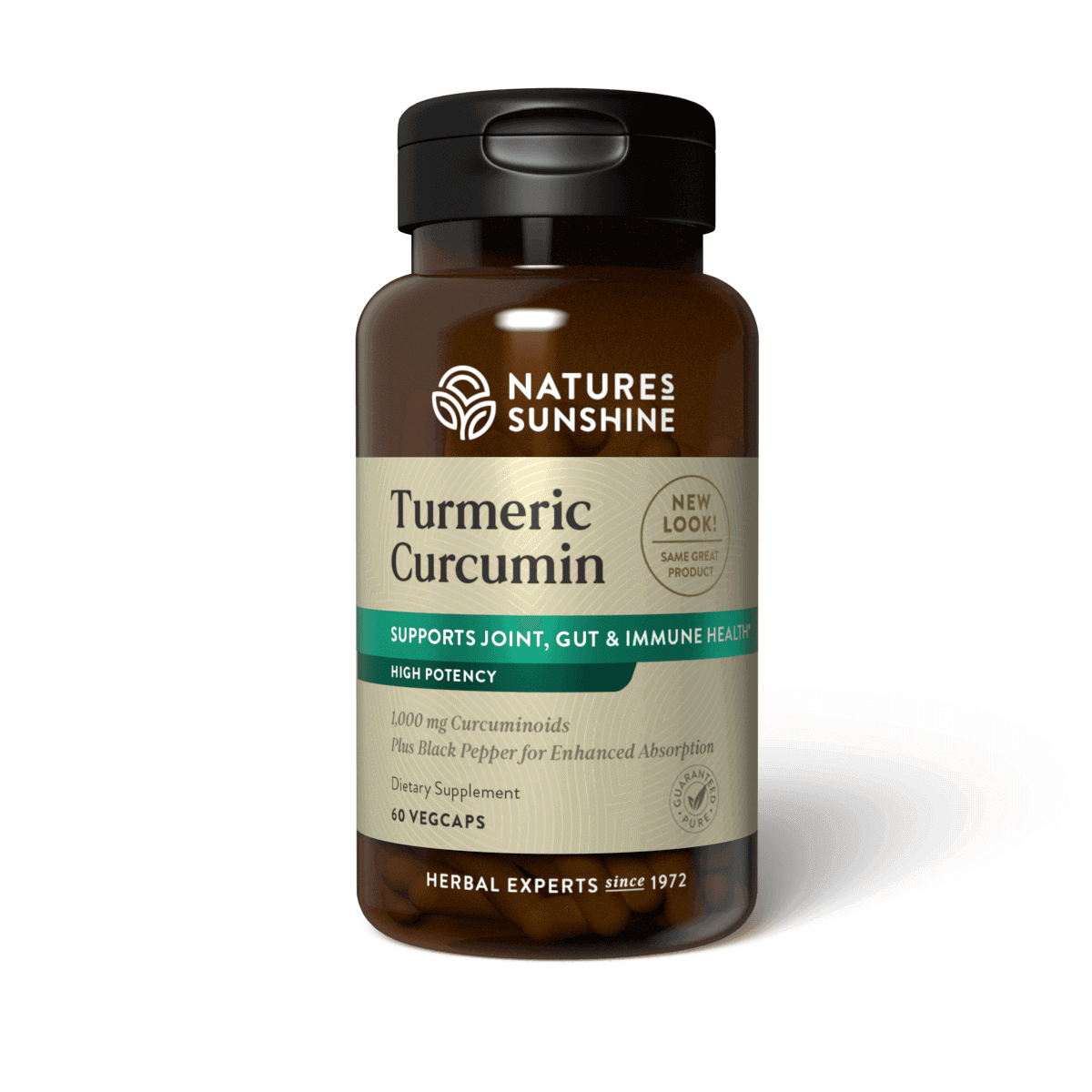
Si has estado buscando reseñas de Now Foods sobre cúrcuma y curcumina, es probable que estés explorando cómo los suplementos a base de cúrcuma pueden apoyar tus articulaciones, favorecer una respuesta inflamatoria saludable y fortalecer las defensas antioxidantes de tu cuerpo. El producto que ofrecemos —Turmeric Curcumin (antes CurcuminBP) de Nature's Sunshine— es una opción cuidadosamente formulada que aporta tanto raíz de cúrcuma como un extracto concentrado de cúrcuma rico en curcuminoides.
Los curcuminoides son los principales polifenoles activos que se obtienen de los rizomas de la cúrcuma (Curcuma longa L.), la especia amarilla del curry que se ha usado de forma segura durante siglos en la medicina ayurvédica de la India. Lo que distingue a esta fórmula es su énfasis en aportar niveles más altos de extracto de cúrcuma rico en antioxidantes junto con cúrcuma de raíz entera. Una porción equivale a 32,000 mg de cúrcuma de raíz entera, y la fórmula ha sido estudiada clínicamente por su absorción y eficacia superiores.
Para potenciar aún más la fórmula, Nature's Sunshine incluye extracto de pimienta negra de la especie Piper nigrum. La investigación sugiere que la piperina —el alcaloide principal de la pimienta negra— puede aumentar la absorción de la curcumina hasta en un 2,000% en humanos, lo que aborda el problema de biodisponibilidad bien documentado de la curcumina. El extracto de pimienta negra también puede ayudar con las molestias digestivas ocasionales y aporta sus propias propiedades antioxidantes.
Este producto viene en un frasco de 60 cápsulas sin OGM, y cada porción de dos cápsulas aporta 1,100 mg de extracto de cúrcuma y 1,000 mg de curcuminoides.
Cómo funcionan la cúrcuma y la curcumina: los mecanismos detrás de sus beneficios
Para entender por qué la cúrcuma y la curcumina han atraído tanta atención, es necesario analizar los mecanismos que los investigadores han identificado. La curcumina ejerce sus efectos antiinflamatorios principales sobre todo al inhibir la activación de la vía de señalización de NF-κB, un regulador maestro de las respuestas inflamatorias. También modula las vías de MAPK, JAK/STAT y el inflamasoma NLRP3: todas estas desempeñan un papel fundamental en cómo el cuerpo maneja la inflamación.
En un nivel más específico, la curcumina inhibe la actividad de las enzimas COX-2 y LOX, responsables de producir mediadores inflamatorios como las prostaglandinas y los leucotrienos. También reduce la producción de citocinas inflamatorias como el TNF-α y la IL-1β. Mediante estas acciones, la curcumina puede ayudar a frenar la cascada inflamatoria que contribuye a las molestias articulares y a las afecciones inflamatorias crónicas.
Como antioxidante, la curcumina activa la vía transcripcional Keap1-Nrf2/ARE, lo que aumenta la expresión de las propias enzimas citoprotectoras del cuerpo. Múltiples ensayos controlados aleatorizados (ECA) en humanos y metaanálisis han mostrado que la suplementación con curcumina puede aumentar de forma medible la capacidad antioxidante total (CAT), la superóxido dismutasa (SOD), la catalasa y el glutatión, mientras reduce el malondialdehído (MDA), un marcador de la peroxidación lipídica.
Cabe señalar una advertencia importante: la curcumina tiene una biodisponibilidad oral inherentemente baja debido a su baja solubilidad en agua, su escasa permeabilidad intestinal y su metabolismo rápido. Por eso es importante que esta fórmula incluya extracto de pimienta negra: la piperina inhibe la glucuronidación (un proceso metabólico de fase II que marca la curcumina para su rápida excreción) e inhibe el eflujo de la glicoproteína P, lo que ayuda a que llegue más curcumina a tu torrente sanguíneo. Un ensayo de referencia sobre la farmacocinética en humanos observó que la biodisponibilidad de la curcumina aumentó en un 2,000% cuando se administró junto con piperina.
Ingredientes clave
- ✓ Envío gratis en pedidos superiores a $75
- ✓ Devoluciones fáciles en 90 días
- ✓ Envíos en pocas horas
Quién puede beneficiarse de la cúrcuma y la curcumina
Según la investigación clínica sobre la cúrcuma y la curcumina, esta fórmula puede ser especialmente adecuada para varios grupos de personas.
- Adultos con molestias articulares: la investigación respalda con más fuerza el uso de la curcumina para la osteoartritis de rodilla, y múltiples metaanálisis muestran mejoras significativas en el dolor y la función física. Una revisión sistemática de 2022 sobre cinco tipos de artritis —incluidas la artritis reumatoide, la espondilitis anquilosante y la gota— confirmó la amplia aplicabilidad de la curcumina a las afecciones articulares.
- Personas que buscan una respuesta inflamatoria saludable: los estudios sugieren que la curcumina puede ayudar a modular marcadores inflamatorios sistémicos como la PCR, la IL-6 y el TNF-α, asociados con afecciones inflamatorias crónicas, el síndrome metabólico y problemas cardiovasculares.
- Quienes desean apoyo antioxidante: los ensayos clínicos muestran la capacidad de la curcumina para potenciar las defensas antioxidantes endógenas del cuerpo mientras reduce los marcadores del estrés oxidativo.
- Personas interesadas en el bienestar metabólico: los metaanálisis sugieren que la suplementación con curcumina puede apoyar niveles saludables de glucosa en ayunas, perfiles lipídicos y marcadores inflamatorios en personas con síndrome metabólico o diabetes tipo 2.
- Personas que buscan apoyo digestivo e intestinal: la investigación preliminar sugiere que la curcumina puede apoyar un equilibrio saludable del microbioma y ha mostrado potencial como terapia complementaria en la colitis ulcerosa.
Si tienes dudas sobre si un suplemento de cúrcuma y curcumina es adecuado para tu situación particular, nuestro naturópata te ofrece una consulta gratuita para ayudarte a evaluar tus opciones.
Cómo tomar Turmeric Curcumin
El modo de uso de este producto es sencillo: toma 2 cápsulas vegetales al día.
Cada porción de dos cápsulas aporta 1,100 mg de extracto de cúrcuma y 1,000 mg de curcuminoides, junto con extracto de pimienta negra para apoyar la absorción. Esta fórmula no contiene OGM y viene en cápsulas vegetarianas.
Cabe señalar que la curcumina es un compuesto liposoluble, y la inclusión de extracto de pimienta negra en esta fórmula está diseñada específicamente para abordar los problemas de biodisponibilidad bien documentados de la curcumina. La investigación ha mostrado que la piperina puede aumentar de forma significativa la absorción de la curcumina en humanos.
Si tomas medicamentos —en particular anticoagulantes, antiagregantes plaquetarios o fármacos metabolizados por las enzimas CYP3A4— debes saber que tanto la curcumina como la piperina pueden interactuar con ciertos medicamentos. Nuestro naturópata puede comentar cualquier duda contigo durante una consulta gratuita. También existe un riesgo poco frecuente de problemas hepáticos asociados con los suplementos de cúrcuma, en particular los de absorción potenciada; las personas con afecciones hepáticas existentes deben consultar a un profesional de la salud antes de comenzar la suplementación.
Qué dice la investigación: una mirada honesta
Al leer reseñas de Now Foods sobre la cúrcuma y la curcumina o evaluar cualquier suplemento de cúrcuma, es útil entender en qué puntos la evidencia clínica es más sólida y en cuáles aún quedan preguntas.
La salud articular y la osteoartritis representan el área más investigada. Un metaanálisis en red de 2025 con 17 estudios observó que todas las preparaciones de cúrcuma redujeron de forma significativa las puntuaciones de dolor WOMAC, y las preparaciones con absorción potenciada alcanzaron el umbral de diferencia mínima clínicamente importante: una reducción del dolor de un 30% en comparación con el placebo. Un metaanálisis independiente verificó que el extracto de curcumina/cúrcuma tuvo una eficacia de tratamiento similar a la de los AINE, con base en 16 ECA que incluyeron a 1,810 adultos. Sin embargo, la calidad de la evidencia se califica de manera constante como baja o muy baja debido al tamaño reducido de las muestras, el alto riesgo de sesgo y la heterogeneidad entre las formulaciones.
La evidencia sobre la salud metabólica también es alentadora. Una revisión sistemática de 2025 observó que la suplementación con curcumina redujo de forma significativa la glucosa en ayunas, la HbA1c, los triglicéridos y el colesterol LDL, mientras aumentó el colesterol HDL y la capacidad antioxidante total en personas con diabetes tipo 2 y síndrome metabólico. La heterogeneidad fue de moderada a alta.
La investigación sobre la función cognitiva y el estado de ánimo se encuentra en etapas más tempranas. Los ensayos preliminares en humanos sugieren posibles beneficios —un estudio observó que 1,500 mg/día de una fórmula de curcumina estabilizó la función cognitiva durante 12 meses—, pero la mayoría de los ensayos siguen siendo pequeños y de corta duración.
El principal reto en toda esta investigación es la baja biodisponibilidad oral de la curcumina. Incluso las fórmulas potenciadas pueden no alcanzar las concentraciones sanguíneas que se han mostrado eficaces en los estudios de laboratorio. Esto no significa que los suplementos de cúrcuma sean inefectivos —múltiples metaanálisis muestran beneficios clínicos importantes—, pero es importante tener expectativas realistas basadas en la evidencia actual.
Escrito por Greg Howlett
Preguntas frecuentes
¿Cuáles son los principales beneficios respaldados por la investigación para la cúrcuma y la curcumina?
La evidencia clínica más sólida respalda el uso de la cúrcuma y la curcumina para la salud articular —en particular la osteoartritis de rodilla—, donde múltiples metaanálisis muestran mejoras significativas en el dolor, la rigidez y la función física. La investigación también sugiere que pueden favorecer una respuesta inflamatoria saludable al reducir biomarcadores como la PCR, la IL-6 y el TNF-α, apoyar la defensa antioxidante al aumentar las enzimas antioxidantes endógenas, y ayudar a apoyar marcadores de la salud metabólica, como la glucosa en ayunas y los niveles lipídicos. Los estudios también sugieren posibles beneficios para la salud intestinal, la piel, la salud cerebral y la función inmunitaria, aunque la evidencia en algunas de estas áreas es más preliminar.
¿Por qué esta fórmula incluye extracto de pimienta negra?
La curcumina tiene una biodisponibilidad oral deficiente y bien documentada: es prácticamente insoluble en agua, se metaboliza con rapidez y se elimina rápido. El extracto de pimienta negra contiene piperina, que inhibe las enzimas (en particular la UDP-glucuronosiltransferasa y el CYP3A4) responsables de descomponer y excretar la curcumina. Un ensayo de referencia sobre la farmacocinética en humanos mostró que la administración conjunta de piperina con curcumina aumentó la concentración sanguínea de la curcumina en un 2,000%. Esto convierte al extracto de pimienta negra en un componente fundamental de la estrategia de absorción de la fórmula.
¿Cuánta curcumina aporta cada porción?
Cada porción de dos cápsulas aporta 1,100 mg de extracto de cúrcuma y 1,000 mg de curcuminoides. Según la información del producto, una porción equivale a 32,000 mg de cúrcuma de raíz entera, lo que refleja la naturaleza concentrada del extracto estandarizado.
¿Existen problemas de seguridad con los suplementos de cúrcuma y curcumina?
Se ha descrito que la curcumina es segura en dosis de hasta 6 g/día durante 4 a 7 semanas en ensayos clínicos, y la FDA la reconoce como GRAS. Los efectos secundarios más comunes son trastornos digestivos como náuseas, diarrea y malestar estomacal, en particular con dosis más altas. Sin embargo, existe un riesgo poco frecuente de daño hepático asociado con los suplementos de cúrcuma, que puede ser mayor en los productos con absorción potenciada. Además, tanto la curcumina como la piperina pueden interactuar con ciertos medicamentos: la curcumina puede afectar a los anticoagulantes, y la piperina inhibe el CYP3A4 y la glicoproteína P, lo que puede alterar los niveles sanguíneos de fármacos administrados junto con ellas, como la carbamazepina y la warfarina. Las personas con afecciones hepáticas existentes o que toman medicamentos con receta deben consultar a un profesional de la salud antes de usarlos.
¿Este producto no contiene OGM?
Sí, Turmeric Curcumin de Nature's Sunshine no contiene OGM.
¿Puedo hablar con alguien sobre si Turmeric Curcumin es adecuado para mí?
Por supuesto. Ofrecemos consultas naturopáticas gratuitas con nuestro naturópata, quien puede ayudarte a evaluar si este suplemento se ajusta a tus objetivos de salud individuales y comentar cualquier posible interacción con los medicamentos que estés tomando. Sin costos de consulta ni compromiso.
Talk to Dr. Shannyn Fowl
Not sure if this is right for you? Book a free, no-pressure consultation for personalized guidance on your health goals.
Book your free consult →About Caring Sunshine
A family-run reseller of premium supplements — free shipping, a 90-day guarantee, and real people who know the products.
Learn more about us →