
Turmeric Curcumin Phytosome de NOW Foods: guía detallada
Guía sobre Turmeric Curcumin Phytosome de NOW Foods: ingredientes clave, beneficios para articulaciones e inflamación, y cómo tomarlo.
¿Qué es Turmeric Curcumin Phytosome de NOW Foods y por qué es importante?
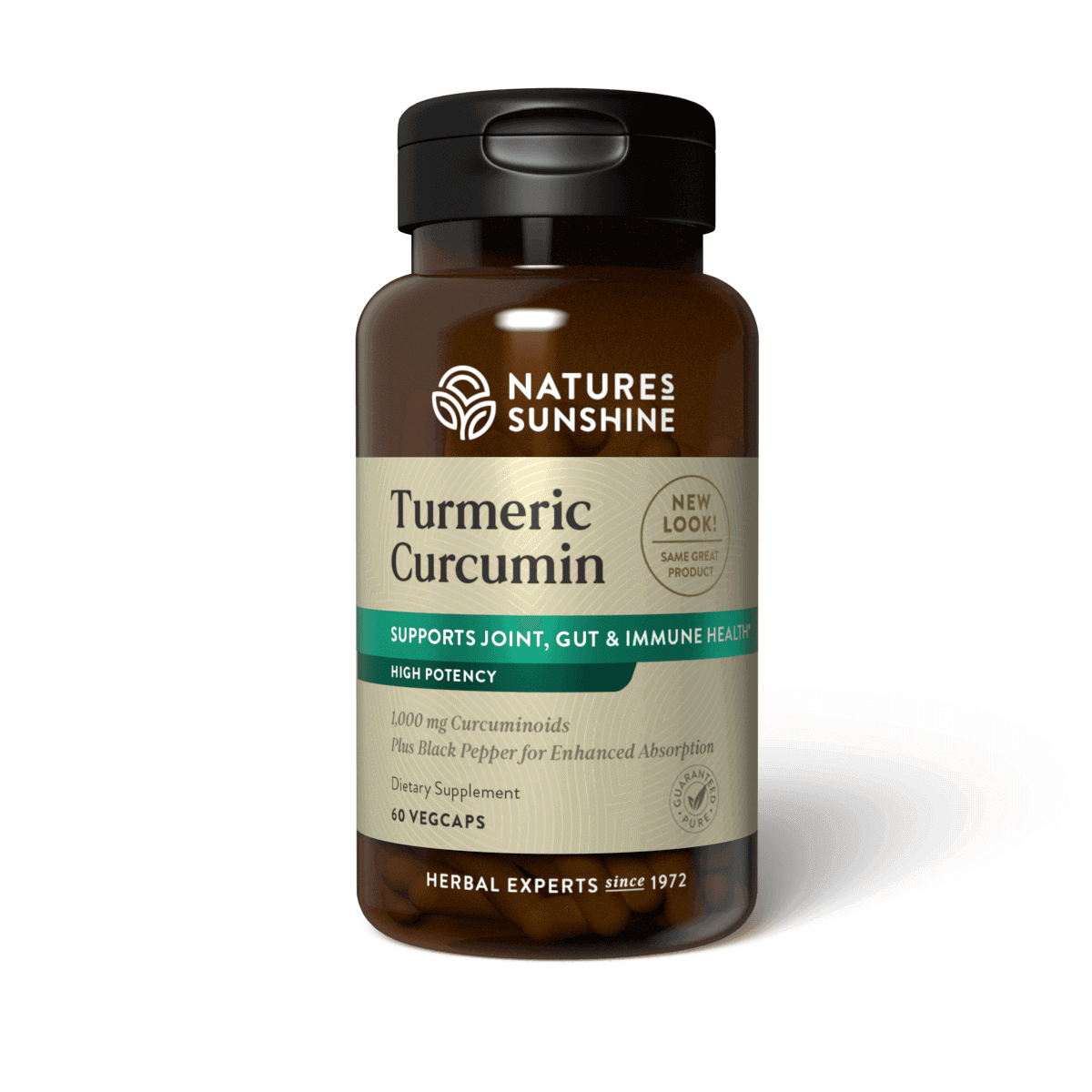
Si buscas un apoyo específico para las articulaciones, una respuesta inflamatoria saludable y la defensa antioxidante, un suplemento de cúrcuma y curcumina bien formulado puede ser una adición significativa a tu rutina diaria. Turmeric Curcumin (Formerly CurcuminBP) de Nature's Sunshine aprovecha el extracto de cúrcuma para promover una respuesta inflamatoria saludable, lo que a su vez apoya la salud de las articulaciones, la piel, el cerebro y el intestino, así como la función del sistema inmunitario.
Una porción de esta fórmula equivale a 32,000 mg de cúrcuma de raíz entera. En lugar de simplemente aportar grandes cantidades de raíz de cúrcuma con una mínima cantidad de extracto, este producto proporciona tanto raíz de cúrcuma como niveles más altos de extracto de cúrcuma rico en antioxidantes: aporta 1,000 mg de curcuminoides por porción. También está enriquecido con extracto de pimienta negra para mejorar la absorción.
La curcumina, el principal compuesto activo de la cúrcuma, se ha usado de forma segura durante siglos en la medicina ayurvédica india. La investigación sugiere que apoya una respuesta inflamatoria saludable mediante múltiples vías moleculares, incluidas las de NF-κB, COX-2 y la señalización JAK/STAT. Sin embargo, un desafío central con la curcumina es su biodisponibilidad oral inherentemente baja: se absorbe mal, se metaboliza rápidamente y se elimina con rapidez. Por eso es tan importante la inclusión de extracto de pimienta negra en esta fórmula: los estudios sugieren que la piperina de la pimienta negra puede mejorar significativamente la absorción de la curcumina.
Si tienes dudas sobre si un suplemento de Turmeric Curcumin Phytosome de NOW Foods es adecuado para tus objetivos de bienestar, nuestro naturópata te ofrece una consulta gratuita para ayudarte a decidir.
Ingredientes clave
- ✓ Envío gratis en pedidos superiores a $75
- ✓ Devoluciones fáciles en 90 días
- ✓ Envíos en pocas horas
¿Para quién es Turmeric Curcumin Phytosome de NOW Foods?
Esta fórmula está diseñada para adultos que buscan un apoyo natural en varias áreas clave. Si experimentas rigidez o molestias articulares ocasionales, la investigación sugiere que los curcuminoides podrían ayudar a promover la comodidad articular y la función física. Múltiples revisiones sistemáticas han observado beneficios en varios tipos de artritis, incluidas la osteoartritis y la artritis reumatoide.
Si tu objetivo es apoyar una respuesta inflamatoria saludable, este suplemento aporta 1,000 mg de curcuminoides por porción: los principales compuestos estudiados por su capacidad de modular las vías inflamatorias de NF-κB y COX-2. La investigación sugiere que la curcumina podría ayudar a reducir biomarcadores inflamatorios como la PCR, la IL-6 y el TNF-α.
Quienes estén interesados en la defensa antioxidante también podrían beneficiarse: los estudios clínicos sugieren que la curcumina aumenta la capacidad antioxidante total y apoya las enzimas antioxidantes endógenas, mientras reduce los marcadores del estrés oxidativo.
Este producto también es no transgénico y viene en VegCaps, lo que lo convierte en una opción adecuada para quienes prefieren formatos de cápsulas a base de plantas. Si tienes dudas sobre si esta fórmula se alinea con tus objetivos de salud, nuestro naturópata te ofrece consultas gratuitas: no se requiere membresía ni cuotas por cita.
Cómo tomar Turmeric Curcumin Phytosome de NOW Foods
Toma 2 VegCaps al día. Cada porción (2 cápsulas) aporta 1,100 mg de extracto de cúrcuma, que proporciona 1,000 mg de curcuminoides, junto con extracto de pimienta negra para apoyar la absorción.
La inclusión de extracto de pimienta negra es particularmente importante porque la curcumina tiene una biodisponibilidad oral inherentemente baja. Los estudios han mostrado que la piperina de la pimienta negra puede aumentar drásticamente la absorción de la curcumina, lo que ayuda a tu cuerpo a aprovechar mejor cada porción.
Como con cualquier suplemento, es recomendable hablar con un profesional de la salud antes de empezar a tomarlo; especialmente si estás tomando medicamentos con receta. La inhibición de ciertas enzimas metabólicas (CYP3A4, glucoproteína P) por parte de la piperina puede alterar la forma en que se procesan algunos medicamentos. Si deseas orientación personalizada, nuestro naturópata puede ayudarte mediante una consulta gratuita.
Qué dice la investigación sobre la cúrcuma y la curcumina
El conjunto de evidencia clínica sobre la cúrcuma y la curcumina sigue creciendo, en particular en cuanto a la salud articular y la respuesta inflamatoria. Una revisión sistemática y metaanálisis en red de 2025 de 17 estudios observó que todas las preparaciones de cúrcuma redujeron significativamente las puntuaciones de dolor según la escala WOMAC en la osteoartritis de rodilla, y las fórmulas con biodisponibilidad mejorada presentaron una reducción del dolor WOMAC de un 30% frente al placebo: alcanzaron el umbral de la diferencia mínima clínicamente importante.
Una revisión sistemática de 2022 publicada en Frontiers in Immunology examinó 29 ECA con 2,396 participantes en cinco tipos de artritis y confirmó que la curcumina tenía una eficacia terapéutica similar a la de los AINE, según los hallazgos de 16 ECA y 1,810 adultos. Sin embargo, la calidad de la evidencia se califica de manera constante como baja a muy baja debido a los tamaños de muestra pequeños, el alto riesgo de sesgo y la heterogeneidad entre las fórmulas y las dosis.
En cuanto a la defensa antioxidante, múltiples ECA en humanos y metaanálisis muestran que la curcumina aumenta de forma medible la capacidad antioxidante total (TAC), la SOD, la catalasa y el glutatión, mientras reduce el malondialdehído (MDA). El mecanismo principal implica la activación de la vía transcripcional Keap1-Nrf2/ARE.
La investigación sobre la salud metabólica también es prometedora. Un metaanálisis de 2025 observó que la suplementación con curcumina redujo significativamente la glucemia en ayunas, la HbA1c, los triglicéridos y el colesterol LDL, mientras aumentó el colesterol HDL y la capacidad antioxidante total en personas con síndrome metabólico y diabetes tipo 2. Sin embargo, la heterogeneidad entre estos estudios fue de moderada a alta.
Vale la pena señalar que la aplicación clínica de la curcumina enfrenta un obstáculo importante: su baja biodisponibilidad oral. Numerosos factores —la baja solubilidad en agua, la escasa permeabilidad intestinal, la inestabilidad a pH alcalino y el metabolismo rápido— contribuyen a esto. Precisamente por eso es importante el extracto de pimienta negra en esta fórmula: se ha demostrado que la piperina que contiene aumenta la biodisponibilidad de la curcumina hasta en un 2,000%, en estudios con humanos.
Escrito por Greg Howlett
Preguntas frecuentes
¿Qué hace que esta fórmula de cúrcuma y curcumina sea diferente de los suplementos de cúrcuma estándar?
Esta fórmula aporta tanto raíz de cúrcuma como niveles más altos de extracto de cúrcuma rico en antioxidantes, y proporciona 1,000 mg de curcuminoides por porción: equivalente a 32,000 mg de cúrcuma de raíz entera. También incluye extracto de pimienta negra, que, según los estudios, puede aumentar la absorción de la curcumina hasta en un 2,000%. Muchos suplementos de cúrcuma estándar aportan grandes cantidades de raíz de cúrcuma con relativamente poco extracto concentrado.
¿Por qué se incluye extracto de pimienta negra en un suplemento de cúrcuma y curcumina?
La curcumina tiene una biodisponibilidad oral inherentemente baja debido a su escasa solubilidad en agua, su baja permeabilidad intestinal y su metabolismo rápido. El extracto de pimienta negra contiene piperina, que inhibe las enzimas (UGT y CYP3A4) responsables de degradar y eliminar la curcumina. En estudios con humanos, la coadministración de piperina con curcumina aumentó las concentraciones sanguíneas de curcumina en un 2,000% en 45 minutos. El extracto de pimienta negra también podría aportar propiedades antioxidantes y antiinflamatorias propias.
¿Qué dice la investigación sobre la cúrcuma y la curcumina para la salud articular?
Múltiples revisiones sistemáticas y metaanálisis de ensayos controlados aleatorizados respaldan los beneficios de la curcumina para la comodidad y la función articular. Un metaanálisis de 2022 de 29 ECA en cinco tipos de artritis confirmó su eficacia, y algunos estudios observaron efectos comparables a los de los AINE. Un metaanálisis en red de 2025 observó que todas las preparaciones de cúrcuma redujeron significativamente las puntuaciones de dolor en la osteoartritis de rodilla. Sin embargo, la calidad general de la evidencia se califica de baja a muy baja debido a las limitaciones de los estudios.
¿Es este producto no transgénico?
Sí, esta fórmula de cúrcuma y curcumina es no transgénica. Viene en VegCaps, lo que la convierte en una opción de cápsulas a base de plantas.
¿Debo tener en cuenta alguna consideración de seguridad con la cúrcuma y la curcumina?
La curcumina generalmente se tolera bien y la FDA la reconoce como GRAS (generalmente reconocido como seguro). Se han descrito efectos secundarios gastrointestinales, como náuseas o malestar estomacal, con dosis más altas, pero son poco frecuentes y generalmente leves. Debido a que esta fórmula contiene extracto de pimienta negra (piperina), que puede inhibir la CYP3A4 y la glucoproteína P, podría alterar el metabolismo de ciertos medicamentos. Cualquier persona que tome medicamentos con receta debe consultar a un profesional de la salud. Nuestro naturópata te ofrece una consulta gratuita si deseas orientación personalizada.
¿Desde hace cuánto tiempo se usa la cúrcuma de forma tradicional?
La cúrcuma se ha utilizado durante casi 6,000 años y ocupa un lugar destacado en la medicina ayurvédica, la medicina tradicional china y la medicina siddha. Históricamente, se ha usado para trastornos digestivos, afecciones inflamatorias, enfermedades de la piel y la curación de heridas. Se difundió desde la India hacia China alrededor del año 700 d. C., hacia África Oriental hacia el año 800 d. C., y hacia Europa a través de comerciantes árabes en el siglo XIII.
Talk to Dr. Shannyn Fowl
Not sure if this is right for you? Book a free, no-pressure consultation for personalized guidance on your health goals.
Book your free consult →About Caring Sunshine
A family-run reseller of premium supplements — free shipping, a 90-day guarantee, and real people who know the products.
Learn more about us →