
Liquid Chlorophyll de NOW Foods: opiniones y guía a fondo
Descubre nuestra guía sobre Liquid Chlorophyll de NOW Foods: cómo la clorofilina apoya la salud sanguínea, la inmunidad y la limpieza corporal.
Liquid Chlorophyll de NOW Foods: qué es este suplemento y por qué importa
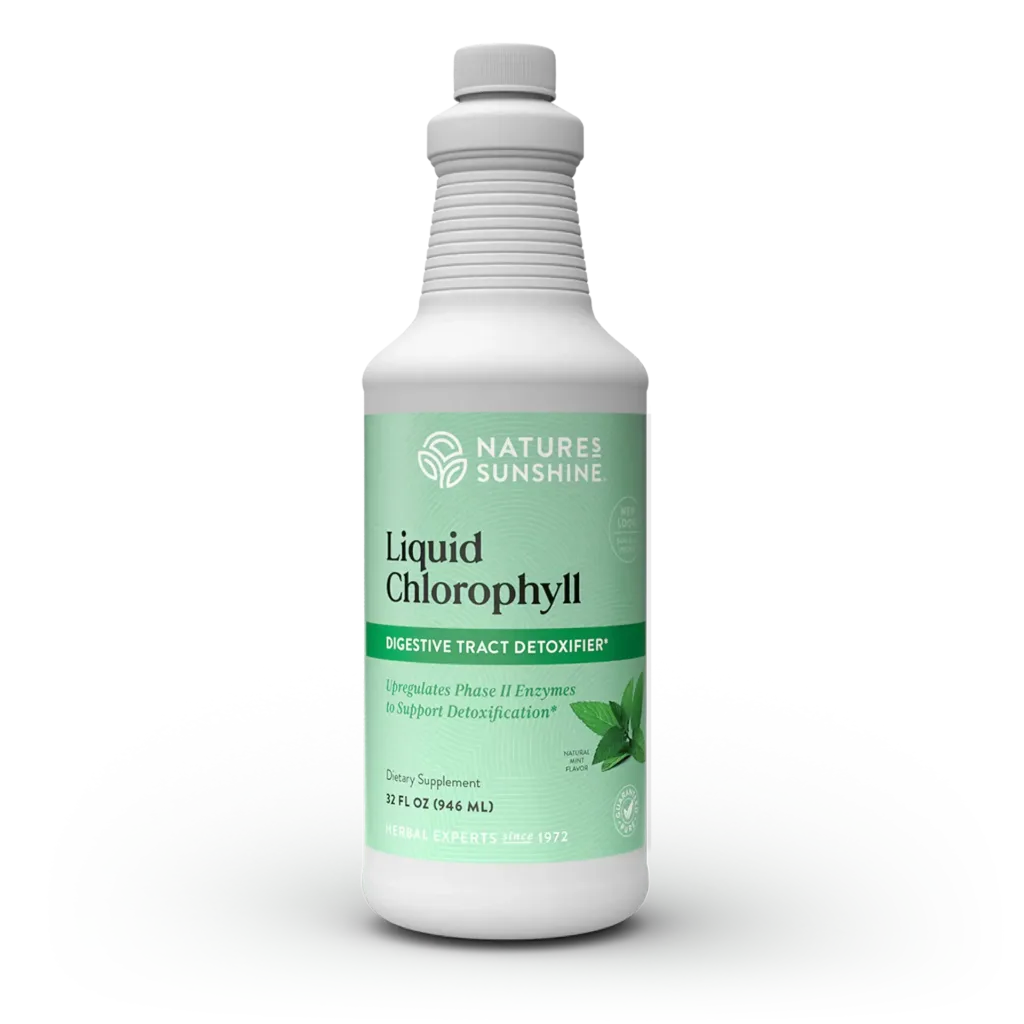
Si has estado buscando opiniones sobre Liquid Chlorophyll de NOW Foods, probablemente tengas curiosidad por una de las formas más populares de incorporar los beneficios de la nutrición de plantas verdes a tu rutina diaria. El Liquid Chlorophyll de Nature's Sunshine es una fórmula de 32 oz elaborada a partir de clorofilina de cobre y sodio: un derivado hidrosoluble de la clorofila diseñado para apoyar los procesos naturales de limpieza de la sangre, favorecer una respuesta inmunitaria saludable, fortalecer el cuerpo a nivel celular y molecular, y actuar como desodorante natural.
La clorofila es el pigmento verde que se encuentra en las plantas y que hace posible la fotosíntesis, convirtiendo la luz solar en energía. En forma de suplemento, se ha usado durante décadas en la práctica tradicional y naturopática para apoyar la limpieza interna, la salud sanguínea y la vitalidad general. La mayoría de los productos comerciales de clorofila líquida —incluido este— en realidad contienen clorofilina, un derivado semisintético de sal de cobre y sodio que es hidrosoluble, a diferencia de la clorofila natural, que es liposoluble.
Esta guía se basa en la bibliografía científica publicada y en la historia de uso tradicional para que puedas tomar una decisión bien informada. Si deseas asesoría personalizada, nuestro naturópata te ofrece una consulta gratuita: solo contáctanos.
Qué debes saber sobre la clorofilina de cobre y sodio y cómo apoya tu cuerpo
La clorofilina de cobre y sodio (CCS) se crea al sustituir el átomo de magnesio del centro de la clorofila natural por cobre, y al eliminar la cola de fitol liposoluble. El resultado es un compuesto hidrosoluble que se disuelve limpiamente en un vaso de agua: exactamente la forma en que este producto está diseñado para tomarse.
La naturaleza química del anillo de porfirina de la clorofilina le permite actuar como donante de hidrógeno, lo que ayuda a interrumpir los procesos de oxidación en cadena. La investigación sugiere que la clorofilina presenta una actividad antioxidante significativa mediante la quelación de iones reactivos y la neutralización de radicales libres, lo que puede ayudar a prevenir el daño al ADN y la peroxidación lipídica.
También se ha descrito que la clorofilina forma complejos moleculares estrechos con ciertas sustancias químicas conocidas o sospechosas de causar cáncer: entre ellas, hidrocarburos poliaromáticos presentes en el humo de tabaco, algunas aminas heterocíclicas presentes en la carne cocida, y la aflatoxina B1. Esta unión puede interferir con la absorción gastrointestinal, reduciendo la cantidad que llega a los tejidos susceptibles. Además, se ha descrito que la clorofilina induce genes citoprotectores de fase 2 en sistemas de mamíferos, una vía de desintoxicación complementaria.
Estos mecanismos son la base de los beneficios destacados del producto: apoyar los procesos naturales de limpieza de la sangre, favorecer una respuesta inmunitaria adecuada y fortalecer el cuerpo a nivel celular y molecular.
Ingredientes clave
- ✓ Envío gratis en pedidos superiores a $75
- ✓ Devoluciones fáciles en 90 días
- ✓ Envíos en pocas horas
¿Para quién es Liquid Chlorophyll?
Esta fórmula puede resultar atractiva para una amplia variedad de personas. Si buscas un suplemento que tradicionalmente se ha usado para apoyar los procesos naturales de limpieza interna de tu cuerpo, la salud sanguínea y la función inmunitaria, Liquid Chlorophyll es una incorporación diaria sencilla.
Las personas atraídas por la nutrición a base de vegetales verdes —verduras de hoja, pasto de trigo, espirulina— a menudo encuentran en Liquid Chlorophyll un complemento conveniente. Las clorofilas son abundantes en verduras frescas de hoja como la espinaca, el kale, la lechuga y la albahaca, y esta fórmula ofrece una forma concentrada de incorporar la clorofilina a tu rutina.
Quienes estén interesados en el apoyo desodorante natural también pueden encontrar útil este producto. La clorofilina se ha usado como desodorante interno durante más de 50 años, y la investigación clínica más antigua documenta beneficios en el manejo de los olores corporales y fecales en poblaciones específicas.
Si tienes dudas sobre si este suplemento se ajusta a tus necesidades, nuestro naturópata ofrece consultas gratuitas y con gusto te ayuda a pensarlo.
Nota: Dado que la seguridad de los suplementos de clorofila o clorofilina no se ha evaluado en mujeres embarazadas o en periodo de lactancia, deben evitarse durante el embarazo y la lactancia. Las personas con trastornos raros del metabolismo del cobre, como la enfermedad de Wilson, deben limitar la exposición a aditivos de cobre, incluida la clorofilina de cobre y sodio en forma de suplemento.
Cómo tomar Liquid Chlorophyll
Toma 2 cucharadas (30 mL) al día en un vaso de 8 oz líq. de agua fría. Refrigera después de abrir.
Vale la pena saber que, cuando se toma por vía oral, la clorofilina en forma de suplemento puede causar una coloración verde en la orina o las heces, o una coloración amarilla o negra en la lengua. También se han descrito casos ocasionales de diarrea. En general, se consideran inofensivos y están bien documentados en la bibliografía. La clorofilina oral también puede producir resultados falsos positivos en las pruebas de guayaco para detectar sangre oculta: algo que debes tener en cuenta si tienes análisis de laboratorio próximamente.
No se conoce que las clorofilas naturales sean tóxicas, y no se le han atribuido efectos tóxicos a la clorofilina a pesar de más de 50 años de uso clínico en humanos.
Escrito por Greg Howlett
Preguntas frecuentes
¿Liquid Chlorophyll es realmente clorofila?
La mayoría de los productos comerciales de clorofila líquida —incluido este— contienen clorofilina de cobre y sodio, un derivado semisintético hidrosoluble de la clorofila. La clorofila natural es liposoluble y no se disuelve limpiamente en agua, por lo que la clorofilina se desarrolló como una alternativa hidrosoluble. En la clorofilina, el átomo central de magnesio de la clorofila natural se sustituye por cobre, y se elimina la cola de fitol.
¿Qué hace la clorofilina por la salud sanguínea?
La similitud estructural entre la clorofila y la hemoglobina —ambas son estructuras de anillo tetrapirrólico— se ha citado tradicionalmente como la base de su uso para apoyar la sangre. La investigación clínica ha documentado aumentos de hemoglobina con la clorofilina de hierro y sodio (una forma distinta que contiene hierro en lugar de cobre o magnesio) en la anemia por deficiencia de hierro. Sin embargo, la clorofila vegetal estándar, que contiene magnesio, carece de evidencia clínica sólida en humanos que respalde un aumento directo de la hemoglobina o del recuento de glóbulos rojos. El producto destaca su apoyo a los procesos naturales de limpieza de la sangre.
¿Liquid Chlorophyll puede ayudar con el olor corporal?
La clorofilina se ha usado como desodorante interno desde la década de 1950. Un estudio de 1980 observó que era "útil para controlar los olores corporales y fecales" en 62 pacientes geriátricos de una residencia de adultos mayores, y un estudio en pacientes japoneses con trimetilaminuria observó que la CCS oral disminuyó significativamente la trimetilamina urinaria. Sin embargo, la evidencia en personas sanas es en gran parte anecdótica o proviene de estudios pequeños y antiguos.
¿Liquid Chlorophyll tiene algún efecto secundario?
La clorofilina se ha usado durante más de 50 años sin que se hayan descrito efectos secundarios graves. Los efectos comunes incluyen una coloración verde en la orina o las heces, una coloración amarilla o negra en la lengua, y diarrea ocasional. También puede causar resultados falsos positivos en las pruebas de guayaco para detectar sangre oculta. Debe evitarse durante el embarazo y la lactancia, ya que no se ha establecido su seguridad, y las personas con la enfermedad de Wilson deben evitarla por su contenido de cobre.
¿Cómo apoya la clorofilina la desintoxicación?
La investigación sugiere que la clorofilina puede formar complejos moleculares estrechos con ciertas sustancias químicas conocidas o sospechosas de causar cáncer, entre ellas los hidrocarburos poliaromáticos del humo de tabaco, las aminas heterocíclicas de la carne cocida y la aflatoxina B1. Esta unión puede interferir con la absorción gastrointestinal, reduciendo la cantidad que llega a los tejidos susceptibles. También se ha descrito que la clorofilina induce genes citoprotectores de fase 2 e inhibe las enzimas del citocromo P450, ambas vías de desintoxicación complementarias. El concepto más amplio de "limpieza de todo el cuerpo" tiene sus raíces en el uso tradicional y la práctica naturopática.
¿La clorofilina interactúa con medicamentos?
Se describió un caso de depuración retardada de metotrexato tras la administración de un medicamento complementario que contenía clorofila, lo que sugiere una posible interacción farmacocinética con al menos un agente quimioterapéutico. No se han realizado estudios cuidadosamente controlados para determinar si la capacidad de la clorofilina para formar complejos podría limitar la absorción de medicamentos administrados conjuntamente. Si tomas medicamentos con receta, te recomendamos comentar la suplementación con clorofilina con un profesional de la salud calificado: nuestro naturópata también te ofrece una consulta gratuita para hablar de tu situación.
Talk to Dr. Shannyn Fowl
Not sure if this is right for you? Book a free, no-pressure consultation for personalized guidance on your health goals.
Book your free consult →About Caring Sunshine
A family-run reseller of premium supplements — free shipping, a 90-day guarantee, and real people who know the products.
Learn more about us →