
Nordic Magnesium Complex: magnesio para corazón y huesos
Descubre cómo Nordic Magnesium Complex, con citrato y malato de magnesio, apoya el corazón, los nervios y la densidad ósea.
¿Qué es Nordic Magnesium Complex y por qué es importante?
El magnesio es el cuarto catión más abundante en el cuerpo humano y un cofactor fundamental en más de 300 sistemas enzimáticos que regulan desde el metabolismo energético y la función neuromuscular hasta la salud cardiovascular y la integridad ósea. A pesar de estas funciones esenciales, se calcula que entre un 56 y un 68% de los estadounidenses no obtiene suficiente magnesio en su dieta diaria para alcanzar la ingesta diaria recomendada.
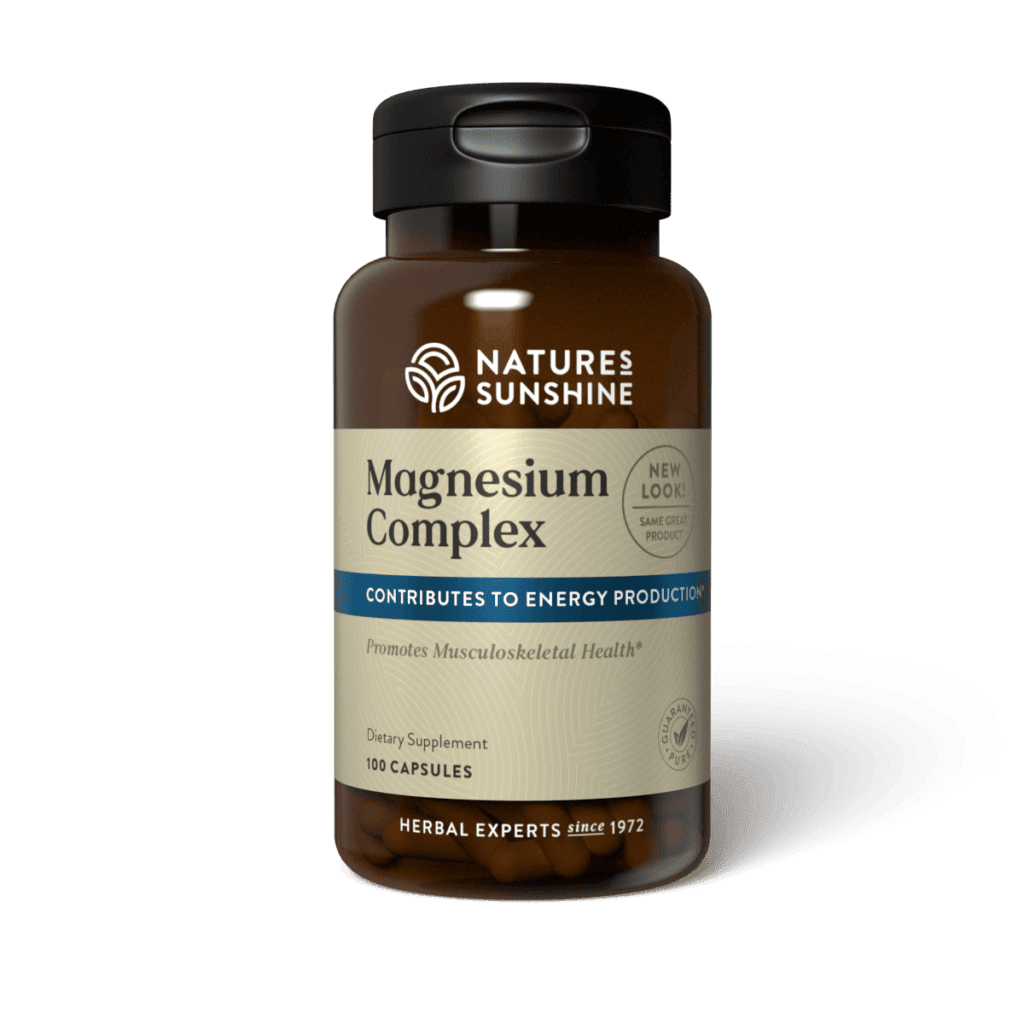
Un Nordic Magnesium Complex bien diseñado aborda esta brecha combinando dos formas orgánicas del mineral de alta biodisponibilidad —citrato de magnesio y malato de magnesio— en una sola cápsula. El Magnesium Complex de Nature's Sunshine aporta 184 mg de magnesio por porción de dos cápsulas, mediante estas formas de sal orgánicas, que son generalmente más solubles y de mejor absorción que las alternativas inorgánicas como el óxido de magnesio. La investigación confirma que, por ejemplo, el citrato de magnesio presenta una alta solubilidad incluso en agua (55%) y es considerablemente más soluble que el óxido de magnesio en todos los estados de secreción ácida.
Este Nordic Magnesium Complex de doble forma está formulado para apoyar el sistema cardiovascular, ayudar a las funciones cerebral, renal y cardíaca, y aportar magnesio en un formato muy soluble que tu cuerpo realmente puede aprovechar. Si tienes dudas sobre si la suplementación con magnesio es adecuada para ti, nuestro naturópata te ofrece una consulta gratuita para ayudarte a explorar tus opciones.
Dos formas de magnesio que trabajan juntas
No todos los suplementos de magnesio son iguales. Las formas orgánicas —donde el magnesio está quelado a moléculas orgánicas como el ácido cítrico o el ácido málico— son generalmente más solubles y tienen mayor biodisponibilidad que las formas inorgánicas. Este Nordic Magnesium Complex combina dos de estas formas orgánicas para apoyar la reposición mineral de amplio espectro.
Apoyo cardiovascular
El magnesio desempeña un papel bien documentado en la salud cardiovascular. La investigación sugiere que niveles más altos de magnesio en la dieta y en circulación se asocian de manera inversa con el riesgo de enfermedad coronaria, accidente cerebrovascular y enfermedad cardiovascular total. El magnesio regula los canales iónicos cardíacos, la conducción miocárdica y la contracción, y los estudios sugieren que la suplementación puede producir reducciones modestas pero significativas de la presión arterial, en particular en personas con deficiencia de magnesio o hipertensión. Un ensayo controlado aleatorizado (ECA) de 24 semanas observó que 350 mg/día de citrato de magnesio redujo de manera significativa la rigidez arterial, medida mediante la velocidad de la onda de pulso.
Apoyo al sistema nervioso
El magnesio es fundamental para la función del sistema nervioso, pues actúa como un antagonista natural de los receptores NMDA que modula la transmisión sináptica y la excitabilidad neuronal. Este antagonismo de los canales de calcio dependientes de voltaje y el bloqueo de los receptores NMDA pueden ayudar a atenuar la depresión cortical propagada y la activación trigeminovascular: mecanismos centrales de las migrañas. La deficiencia se asocia clínicamente con hiperexcitabilidad neuromuscular, temblores y síntomas neurológicos que van desde migrañas hasta cambios de ánimo.
Apoyo a la densidad ósea
El magnesio participa en la formación ósea e influye en la actividad de los osteoblastos (células formadoras de hueso) y los osteoclastos (células que resorben hueso). También afecta las concentraciones de la hormona paratiroidea y de la forma activa de la vitamina D: dos reguladores principales de la homeostasis ósea. Los datos observacionales de grandes estudios de cohorte han mostrado que una mayor ingesta de magnesio se asocia con una densidad ósea entre un 2 y un 3% mayor en mujeres, y los ensayos clínicos sugieren que la suplementación puede ayudar a atenuar la pérdida ósea.
Ingredientes clave
- ✓ Envío gratis en pedidos superiores a $75
- ✓ Devoluciones fáciles en 90 días
- ✓ Envíos en pocas horas
¿Quién debería considerar un Nordic Magnesium Complex?
Dado que se calcula que entre un 56 y un 68% de los estadounidenses no alcanza la ingesta diaria recomendada de magnesio, una amplia variedad de personas puede beneficiarse de un Nordic Magnesium Complex. Ciertas poblaciones presentan un riesgo elevado de deficiencia: los adultos mayores (cuya absorción y retención de magnesio tiende a disminuir con la edad), las personas con trastornos gastrointestinales, quienes tienen diabetes tipo 2, las personas con dependencia del alcohol, y cualquiera que tome medicamentos a largo plazo, como diuréticos o inhibidores de la bomba de protones, que agotan las reservas de magnesio.
Los hombres mayores de 70 años y las adolescentes se encuentran entre los grupos con mayor probabilidad de tener una ingesta baja de magnesio. Los primeros signos de deficiencia pueden incluir fatiga, debilidad, pérdida de apetito, calambres musculares y náuseas. A medida que la deficiencia empeora, pueden aparecer síntomas más graves, como entumecimiento, hormigueo, ritmos cardíacos anormales y cambios de personalidad.
Esta fórmula puede ser especialmente relevante para los adultos enfocados en el bienestar cardiovascular, quienes buscan apoyar la densidad ósea a medida que envejecen, o cualquier persona que desee promover una función saludable del sistema nervioso. Si tomas medicamentos o tienes inquietudes de salud específicas, nuestro naturópata puede ayudarte a determinar si este Nordic Magnesium Complex se ajusta a tu plan de bienestar individual: esa consulta siempre es gratuita.
Cómo tomar Magnesium Complex
Toma 2 cápsulas dos veces al día con una comida. Cada porción de dos cápsulas aporta 184 mg de magnesio, provenientes tanto del citrato de magnesio como del malato de magnesio. El frasco contiene 100 cápsulas.
Tomar magnesio con alimentos puede ayudar a optimizar la absorción y reducir la probabilidad de malestar digestivo, el cual se asocia ocasionalmente con la suplementación de magnesio, en particular con dosis más altas. Los efectos secundarios más comunes del magnesio suplementario son problemas estomacales, como heces blandas, náuseas o cólicos, aunque estos tienden a ser más frecuentes con formas inorgánicas como el óxido de magnesio que con las formas orgánicas de citrato y malato utilizadas aquí.
Interacciones importantes que debes tener en cuenta: El magnesio puede disminuir la absorción de los bisfosfonatos (sepáralos por al menos 2 horas), y puede formar complejos insolubles con los antibióticos de tetraciclina y quinolona (toma el antibiótico al menos 2 horas antes o de 4 a 6 horas después del magnesio). Ciertos diuréticos e inhibidores de la bomba de protones pueden agotar el magnesio. El magnesio también puede reducir la absorción de la gabapentina. Si tomas medicamentos con receta, te recomendamos hablar con un profesional de la salud o programar una consulta gratuita con nuestro naturópata antes de comenzar la suplementación.
Escrito por Greg Howlett
Preguntas frecuentes
¿Qué formas de magnesio contiene este Nordic Magnesium Complex?
Esta fórmula contiene dos formas orgánicas: citrato de magnesio y malato de magnesio. Las formas orgánicas de magnesio son generalmente más solubles y tienen mayor biodisponibilidad que las alternativas inorgánicas. En particular, se ha demostrado que el citrato de magnesio presenta una solubilidad del 55% en agua: considerablemente más soluble que el óxido de magnesio en todos los estados de secreción ácida.
¿Cuánto magnesio aporta cada porción?
Dos cápsulas aportan 184 mg de magnesio, provenientes tanto del citrato de magnesio como del malato de magnesio. El uso recomendado es 2 cápsulas dos veces al día con una comida.
¿Por qué es importante el magnesio para la salud del corazón?
El magnesio regula los canales iónicos cardíacos, la conducción miocárdica y la contracción. La investigación sugiere que niveles más altos de magnesio se asocian de manera inversa con el riesgo de enfermedad coronaria, accidente cerebrovascular y enfermedad cardiovascular total. Múltiples metaanálisis y ensayos controlados aleatorizados (ECA) indican que la suplementación con magnesio puede producir reducciones modestas pero significativas de la presión arterial, en particular en personas con deficiencia de magnesio o hipertensión. La deficiencia de magnesio también se relaciona con arritmias cardíacas, incluida la fibrilación auricular.
¿Cómo apoya el magnesio la densidad ósea?
El magnesio es el segundo mineral más abundante en los huesos y es esencial para la activación de la vitamina D y el metabolismo del calcio. Influye en la actividad de los osteoblastos (células formadoras de hueso) y los osteoclastos (células que resorben hueso), y afecta las concentraciones de la hormona paratiroidea. Los datos observacionales de grandes estudios de cohorte han mostrado que una mayor ingesta de magnesio se asocia con una densidad ósea entre un 2 y un 3% mayor en mujeres, y los ensayos clínicos sugieren que la suplementación puede ayudar a atenuar la pérdida ósea. Sin embargo, se necesita más investigación a largo plazo.
¿Hay interacciones con medicamentos que debas tener en cuenta?
Sí. El magnesio puede disminuir la absorción de los bisfosfonatos orales (sepáralos por al menos 2 horas) y puede formar complejos insolubles con los antibióticos de tetraciclina y quinolona (toma el antibiótico al menos 2 horas antes o de 4 a 6 horas después del magnesio). Los diuréticos de asa y tiazídicos pueden agotar el magnesio al aumentar su excreción urinaria, y el uso prolongado de inhibidores de la bomba de protones (IBP) puede causar niveles bajos de magnesio. El magnesio también puede reducir la absorción de la gabapentina en alrededor de un 20%. Consulta a un profesional de la salud si tomas alguno de estos medicamentos.
¿Qué tan común es la deficiencia de magnesio?
Bastante común. Se calcula que entre un 56 y un 68% de los estadounidenses no obtiene suficiente magnesio en su dieta diaria para cumplir con la ingesta diaria recomendada. Los primeros síntomas de deficiencia incluyen fatiga, debilidad, calambres musculares y pérdida de apetito. Los adultos mayores, las personas con diabetes tipo 2, quienes tienen trastornos gastrointestinales y aquellos que toman ciertos medicamentos a largo plazo presentan un riesgo elevado. Si tienes dudas sobre tu nivel de magnesio, nuestro naturópata ofrece consultas gratuitas para ayudarte a evaluar tus necesidades.
Talk to Dr. Shannyn Fowl
Not sure if this is right for you? Book a free, no-pressure consultation for personalized guidance on your health goals.
Book your free consult →About Caring Sunshine
A family-run reseller of premium supplements — free shipping, a 90-day guarantee, and real people who know the products.
Learn more about us →