
Magnesium Complex de Nature's Way | Corazón, cerebro y hueso
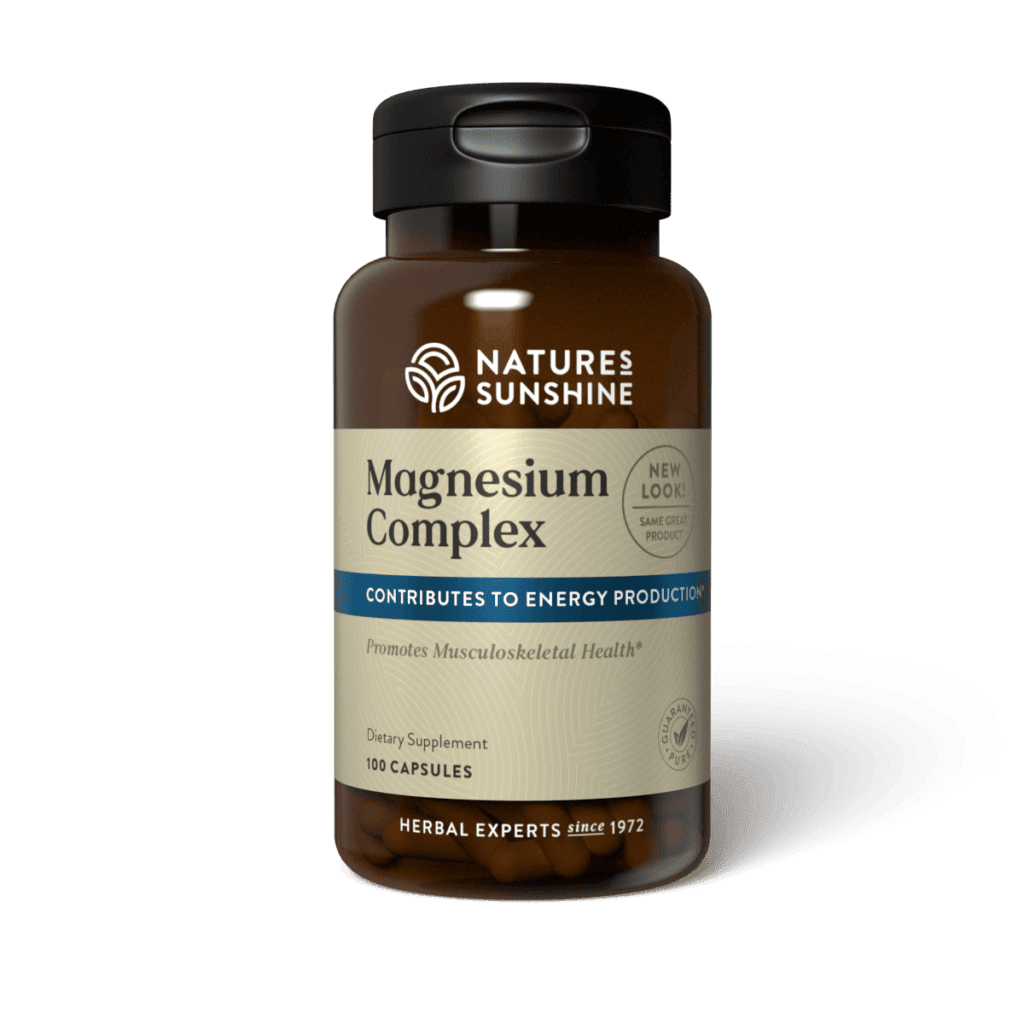
Magnesium Complex de Nature's Way combina citrato y malato de magnesio en una fórmula soluble que apoya el corazón, el sistema nervioso y los huesos.
Magnesium Complex de Nature's Way: apoyo de doble forma para el corazón, el cerebro y los huesos
El magnesio es el cuarto mineral más abundante en el cuerpo humano; sin embargo, se estima que entre un 56 y un 68% de los estadounidenses no obtienen suficiente cada día para cumplir con la ingesta diaria recomendada. Esta brecha importa porque el magnesio actúa como cofactor en más de 300 sistemas enzimáticos: regula todo, desde la producción de energía y la presión arterial hasta la señalización nerviosa y la formación de hueso.
Magnesium Complex de Nature's Way aborda esta carencia generalizada combinando dos formas orgánicas de magnesio —citrato de magnesio y malato de magnesio— en una sola cápsula muy soluble. Dos cápsulas aportan 184 mg de magnesio elemental en formas elegidas específicamente por su mayor biodisponibilidad en comparación con alternativas inorgánicas comunes como el óxido de magnesio. La fórmula está diseñada para apoyar el sistema cardiovascular, la función cerebral y renal, y la densidad ósea.
Si tienes dudas sobre si un suplemento de magnesio se ajusta a tus objetivos de bienestar, nuestro naturópata te ofrece una consulta gratuita: sin presión de agendar cita, solo orientación honesta.
Citrato y malato: por qué importa la forma del magnesio
No todos los suplementos de magnesio son iguales. Los suplementos de magnesio se clasifican en general en compuestos orgánicos e inorgánicos, y la investigación muestra diferencias importantes en qué tan bien los absorbe el cuerpo. Las formas orgánicas —como el citrato y el malato— implican magnesio quelado a ácidos orgánicos, lo que por lo general resulta en una mayor solubilidad y biodisponibilidad.
Se ha mostrado que el citrato de magnesio presenta una alta solubilidad incluso en agua (un 55%) y fue considerablemente más soluble que el óxido de magnesio en todos los estados de secreción ácida. El óxido de magnesio, en cambio, resultó ser prácticamente insoluble en agua y alcanzó solo un 43% de solubilidad incluso en condiciones de máxima acidez. Debido a que Magnesium Complex de Nature's Way combina citrato con malato —ambas formas orgánicas—, la fórmula está diseñada para ser muy soluble y absorberse de manera eficiente.
Esto es importante para la suplementación diaria. Una mejor solubilidad significa que más del magnesio que tomas llega realmente a los tejidos que lo necesitan: tu corazón, tus nervios, tus huesos y tus riñones.
Ingredientes clave
- ✓ Envío gratis en pedidos superiores a $75
- ✓ Devoluciones fáciles en 90 días
- ✓ Envíos en pocas horas
Quién puede beneficiarse de Magnesium Complex de Nature's Way
Debido a que el magnesio desempeña un papel de tan amplio alcance en el cuerpo, una gran variedad de personas puede encontrar útil esta fórmula. Los adultos que desean apoyar su sistema cardiovascular pueden valorar que la investigación asocia de manera constante un magnesio adecuado con marcadores de salud cardíaca, como una presión arterial normal y una función arterial saludable.
Las personas centradas en la densidad ósea —incluidas las mujeres posmenopáusicas— también pueden beneficiarse. Los estudios sugieren que el magnesio participa en la formación de hueso, influye en la actividad de los osteoblastos y los osteoclastos, y es necesario para la activación de la vitamina D, todo lo cual es fundamental para la salud esquelética.
Los adultos mayores merecen especial atención. Con la edad, la absorción y la retención de magnesio pueden disminuir, y factores como el mayor uso de medicamentos (ciertos diuréticos e inhibidores de la bomba de protones pueden agotar el magnesio) pueden agravar esta carencia. Los hombres mayores de 70 años y las adolescentes se identifican como los grupos con mayor probabilidad de tener una ingesta baja.
Las personas con trastornos gastrointestinales, quienes tienen diabetes tipo 2 y quienes toman a largo plazo medicamentos que afectan el estado del magnesio también tienen más probabilidades de presentar niveles inadecuados. Si tienes dudas sobre si el magnesio suplementario es adecuado para tu situación, nuestro naturópata puede ayudarte a analizarlo durante una consulta gratuita.
Modo de uso
Toma 2 cápsulas dos veces al día con una comida.
Cada frasco contiene 100 cápsulas. Debido a que el magnesio puede interactuar con ciertos medicamentos —incluidos los bisfosfonatos, los antibióticos de tetraciclina y quinolona, los diuréticos, los inhibidores de la bomba de protones y la gabapentina—, es importante separar la toma de estos medicamentos. Los bisfosfonatos deben tomarse con al menos 2 horas de diferencia respecto del magnesio, y los antibióticos deben tomarse al menos 2 horas antes o entre 4 y 6 horas después de la suplementación con magnesio.
Como con cualquier suplemento, consulta a tu profesional de la salud antes de empezar si estás en embarazo o en periodo de lactancia, tomas medicamentos con receta o manejas alguna afección de salud.
Escrito por Greg Howlett
Preguntas frecuentes
¿Qué formas de magnesio contiene Magnesium Complex de Nature's Way?
Magnesium Complex de Nature's Way contiene dos formas orgánicas: citrato de magnesio y malato de magnesio. Ambas son sales orgánicas que, en general, son más solubles y tienen mayor biodisponibilidad que las formas inorgánicas como el óxido de magnesio. Se ha mostrado, por ejemplo, que el citrato de magnesio presenta una alta solubilidad incluso en agua (un 55%), en comparación con el óxido de magnesio, que fue prácticamente insoluble en agua.
¿Cuánto magnesio aporta cada porción?
Dos cápsulas (una porción) aportan 184 mg de magnesio elemental. Las indicaciones de la etiqueta recomiendan tomar 2 cápsulas dos veces al día con una comida.
¿Qué sistemas del cuerpo apoya esta fórmula de magnesio?
La fórmula está diseñada para apoyar el sistema cardiovascular, la función cerebral y renal, la salud del sistema nervioso y la densidad ósea. El magnesio es cofactor en más de 300 sistemas enzimáticos y desempeña funciones documentadas en el ritmo cardíaco, la regulación de la presión arterial, la formación de hueso, la excitabilidad neuronal y la producción de energía.
¿Pueden los suplementos de magnesio interactuar con medicamentos?
Sí. El magnesio puede interactuar con varias clases de medicamentos. Puede disminuir la absorción de los bisfosfonatos orales (sepáralos por al menos 2 horas), formar complejos insolubles con los antibióticos de tetraciclina y quinolona (toma el antibiótico al menos 2 horas antes o entre 4 y 6 horas después del magnesio) y reducir la absorción de la gabapentina en alrededor de un 20%. Además, los diuréticos de asa y tiazídicos, así como el uso prolongado de inhibidores de la bomba de protones, pueden agotar el magnesio. Habla con tu profesional de la salud si tomas alguno de estos medicamentos.
¿Por qué es tan común la deficiencia de magnesio?
La investigación estima que entre un 56 y un 68% de los estadounidenses no obtienen suficiente magnesio cada día para cumplir con la ingesta diaria recomendada. Entre los factores que contribuyen se incluyen una ingesta dietética inadecuada, enfermedades crónicas, el envejecimiento (que reduce la absorción y la retención de magnesio) y el uso de medicamentos que agotan el magnesio. Los hombres mayores de 70 años y las adolescentes están entre los grupos con mayor probabilidad de tener una ingesta baja.
¿Hay efectos secundarios por tomar suplementos de magnesio?
Los efectos secundarios más comunes son de tipo digestivo —incluidos el ablandamiento de las heces, las náuseas, los cólicos y la diarrea— y suelen presentarse con dosis más altas y con mayor frecuencia con formas inorgánicas como el óxido de magnesio. Las formas orgánicas, como el citrato y el malato, generalmente se toleran mejor. La hipermagnesemia por ingesta de suplementos es rara en personas con función renal normal, porque los riñones excretan de manera eficiente el exceso de magnesio.
Talk to Dr. Shannyn Fowl
Not sure if this is right for you? Book a free, no-pressure consultation for personalized guidance on your health goals.
Book your free consult →About Caring Sunshine
A family-run reseller of premium supplements — free shipping, a 90-day guarantee, and real people who know the products.
Learn more about us →