
Beneficios del suplemento Magnesium Complex
Descubre los beneficios de Magnesium Complex para el corazón, el cerebro y los riñones, gracias al citrato y malato de magnesio.
Beneficios del suplemento Magnesium Complex: qué es y por qué importa
El magnesio es el cuarto catión más abundante en el cuerpo humano y un cofactor fundamental en más de 300 sistemas enzimáticos que regulan el metabolismo energético, la función neuromuscular, la salud cardiovascular, la integridad ósea y el bienestar psicológico. A pesar de su importancia vital, la evidencia emergente confirma que casi dos tercios de la población del mundo occidental no alcanza la ingesta diaria recomendada de magnesio: una carencia que puede contribuir a diversas afecciones de salud.
El Magnesium Complex de Nature's Sunshine aporta este mineral esencial en dos formas orgánicas muy solubles —citrato de magnesio y malato de magnesio— para apoyar el cerebro, el corazón y los riñones. Dos cápsulas proporcionan 184 mg de magnesio. Conocer en profundidad los beneficios del suplemento Magnesium Complex puede ayudarte a decidir si esta fórmula es adecuada para tu rutina diaria.
El magnesio es necesario para la producción de energía, la fosforilación oxidativa y la glucólisis. Desempeña un papel fundamental en la síntesis de ATP, lo que lo convierte en indispensable para la generación de energía celular en prácticamente todos los tejidos. También modula la excitabilidad neuronal mediante el antagonismo de los canales de calcio dependientes de voltaje y el bloqueo de los receptores NMDA, regula el transporte de iones e influye en el metabolismo óseo al afectar la actividad de los osteoblastos y los osteoclastos.
Por qué importan las dos formas de magnesio
No todos los suplementos de magnesio son iguales. Los suplementos de magnesio se clasifican, en términos generales, en compuestos orgánicos e inorgánicos. Las formas orgánicas —como el citrato de magnesio y el malato de magnesio— consisten en magnesio quelado a moléculas orgánicas, como ácidos orgánicos. Estas formas suelen ser más solubles y tener una mayor biodisponibilidad en comparación con las formas inorgánicas, como el óxido de magnesio.
La investigación confirma que el citrato de magnesio presenta una alta solubilidad incluso en agua (55%) y es considerablemente más soluble que el óxido de magnesio en todos los estados de secreción ácida. Al combinar citrato y malato en una sola fórmula, Magnesium Complex aporta dos formas orgánicas complementarias que tu cuerpo puede absorber de manera eficiente.
Los efectos secundarios, como los problemas estomacales, son más frecuentes con las formas inorgánicas de magnesio, como el óxido de magnesio. Las formas orgánicas de este complejo están diseñadas para lograr una eficacia óptima y, a la vez, ser más suaves para el sistema digestivo. Si tienes dudas sobre qué forma de magnesio es la adecuada para ti, nuestro naturópata te ofrece una consulta gratuita.
Ingredientes clave
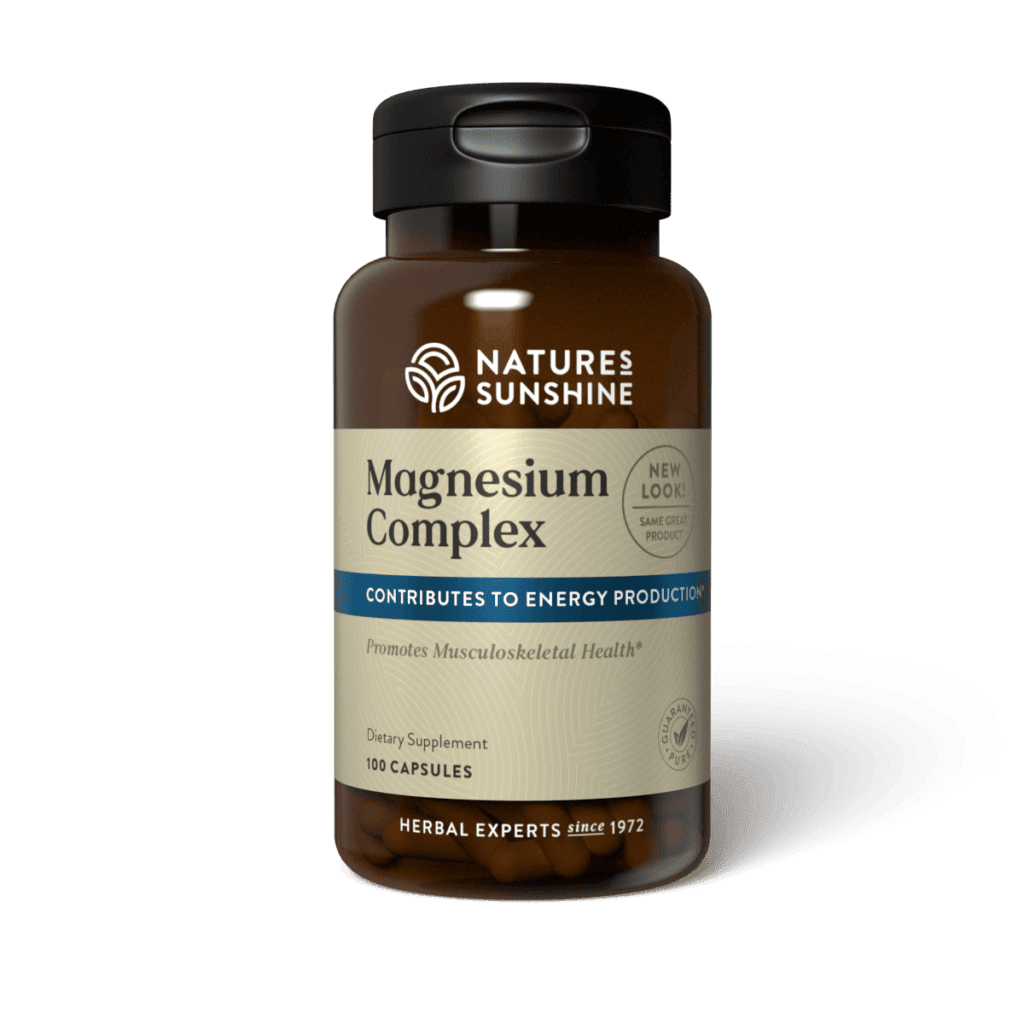
- ✓ Envío gratis en pedidos superiores a $75
- ✓ Devoluciones fáciles en 90 días
- ✓ Envíos en pocas horas
Quién puede beneficiarse de Magnesium Complex
Magnesium Complex puede ser especialmente relevante para adultos que buscan apoyar su sistema cardiovascular, la función cerebral y la salud renal. Se estima que entre un 56 y un 68% de los estadounidenses no obtienen suficiente magnesio en su alimentación diaria para alcanzar la ingesta diaria recomendada, lo que convierte a la suplementación en una opción práctica para muchas personas.
Ciertos grupos tienen más probabilidades de presentar una ingesta insuficiente de magnesio. Entre ellos se encuentran los adultos mayores (debido a una menor absorción a partir de los alimentos y a un mayor uso de medicamentos), las personas con trastornos gastrointestinales, las personas con diabetes tipo 2, las personas con dependencia del alcohol y las personas que toman ciertos medicamentos a largo plazo, como diuréticos e inhibidores de la bomba de protones. Los hombres mayores de 70 años y las adolescentes son los grupos con mayor probabilidad de tener una ingesta baja de magnesio.
A medida que envejecemos, la absorción y retención de magnesio pueden disminuir, lo que lleva a una deficiencia y a sus consecuencias para la salud. Los primeros signos de deficiencia incluyen pérdida de apetito, náuseas, fatiga y debilidad. A medida que la deficiencia se agrava, los síntomas pueden progresar a entumecimiento, hormigueo, contracciones y calambres musculares, cambios de personalidad, ritmos cardíacos anormales y espasmos coronarios.
Si tienes dudas sobre si un suplemento de magnesio se ajusta a tus necesidades individuales —especialmente si tomas medicamentos—, nuestro naturópata ofrece consultas gratuitas y puede ayudarte a evaluar el mejor enfoque.
Cómo tomar Magnesium Complex
Toma 2 cápsulas dos veces al día con una comida.
Cada porción de 2 cápsulas aporta 184 mg de magnesio provenientes de las formas citrato y malato. La ingesta diaria recomendada (IDR) de magnesio es de 400–420 mg/día para hombres adultos y de 310–320 mg/día para mujeres adultas. Durante el embarazo, los requerimientos aumentan a alrededor de 350–360 mg al día.
Cabe destacar que los suplementos de magnesio pueden interactuar con ciertos medicamentos. El magnesio puede disminuir la absorción de los bisfosfonatos (usados para la osteoporosis) y debe separarse de estos por al menos 2 horas. Los antibióticos del tipo tetraciclinas y quinolonas deben tomarse al menos 2 horas antes o entre 4 y 6 horas después del magnesio, para evitar la formación de complejos insolubles. El magnesio también puede reducir la absorción de la gabapentina en alrededor de un 20%. Los diuréticos de asa y las tiazidas pueden agotar el magnesio al aumentar su excreción urinaria, mientras que el uso prolongado de inhibidores de la bomba de protones puede provocar niveles bajos de magnesio.
Los suplementos de magnesio en dosis altas pueden ocasionalmente causar molestias digestivas, como diarrea, náuseas y calambres. La hipermagnesemia por ingesta de suplementos es poco frecuente en personas con función renal normal, ya que los riñones excretan de manera eficiente el exceso de magnesio. Consulta siempre a un profesional de la salud antes de comenzar cualquier suplemento, especialmente si tomas medicamentos con receta o tienes problemas renales.
Escrito por Greg Howlett
Preguntas frecuentes
¿Cuáles son los principales beneficios del suplemento Magnesium Complex?
Magnesium Complex está formulado para apoyar el sistema cardiovascular, la función cerebral y la salud renal. El magnesio es un cofactor en más de 300 sistemas enzimáticos del cuerpo y desempeña funciones esenciales en la producción de energía, la función nerviosa, la regulación de la presión arterial, la electrofisiología cardíaca y el equilibrio mineral urinario. La investigación sugiere que una ingesta adecuada de magnesio apoya una presión arterial saludable, un ritmo cardíaco normal y la función del sistema nervioso, y puede ayudar a inhibir la formación de cálculos renales.
¿Por qué esta fórmula usa tanto citrato de magnesio como malato de magnesio?
Tanto el citrato de magnesio como el malato de magnesio son formas orgánicas de magnesio que, por lo general, son más solubles y tienen una mayor biodisponibilidad que las formas inorgánicas, como el óxido de magnesio. La investigación muestra que el citrato de magnesio tiene una solubilidad del 55% en agua: considerablemente más que el óxido de magnesio. Al combinar dos formas orgánicas complementarias, la fórmula está diseñada para lograr una eficacia óptima y una absorción eficiente, siendo además más suave para el sistema digestivo.
¿Cuánto magnesio aporta Magnesium Complex por porción?
Dos cápsulas (una porción) aportan 184 mg de magnesio provenientes de las formas citrato y malato. El modo de uso indica tomar 2 cápsulas dos veces al día con una comida. La IDR de magnesio es de 400–420 mg/día para hombres adultos y de 310–320 mg/día para mujeres adultas, y este suplemento está diseñado para ayudar a cubrir la diferencia entre la ingesta dietética y las necesidades diarias.
¿Pueden los suplementos de magnesio interactuar con medicamentos?
Sí, el magnesio puede interactuar con varios tipos de medicamentos. Puede disminuir la absorción de los bisfosfonatos y debe separarse de estos por al menos 2 horas. Los antibióticos del tipo tetraciclinas y quinolonas deben tomarse al menos 2 horas antes o entre 4 y 6 horas después del magnesio. Los diuréticos de asa y las tiazidas pueden agotar el magnesio, y el uso prolongado de inhibidores de la bomba de protones puede provocar niveles bajos de magnesio. El magnesio también puede reducir la absorción de la gabapentina en alrededor de un 20%. Consulta a un profesional de la salud si tomas algún medicamento con receta.
¿Quién tiene mayor riesgo de deficiencia de magnesio?
Ciertos grupos tienen más probabilidades de presentar niveles inadecuados de magnesio, entre ellos los adultos mayores (debido a una menor absorción y a un mayor uso de medicamentos), las personas con trastornos gastrointestinales, las personas con diabetes tipo 2, las personas con dependencia del alcohol y las personas que toman diuréticos o inhibidores de la bomba de protones a largo plazo. Se estima que entre un 56 y un 68% de los estadounidenses no obtienen suficiente magnesio al día para alcanzar la IDR.
¿Existen efectos secundarios por tomar suplementos de magnesio?
Los efectos secundarios más comunes son problemas estomacales, como diarrea, náuseas y calambres, que suelen presentarse con dosis más altas y son más frecuentes con las formas inorgánicas, como el óxido de magnesio. Las formas orgánicas utilizadas en este complejo —citrato y malato— suelen tolerarse mejor. El exceso de magnesio por suplementos es poco frecuente en personas con función renal normal, ya que los riñones excretan de manera eficiente las cantidades sobrantes. Las personas con función renal deficiente deben consultar a un profesional de la salud antes de suplementarse.
Talk to Dr. Shannyn Fowl
Not sure if this is right for you? Book a free, no-pressure consultation for personalized guidance on your health goals.
Book your free consult →About Caring Sunshine
A family-run reseller of premium supplements — free shipping, a 90-day guarantee, and real people who know the products.
Learn more about us →