
Opiniones sobre Magnesium Complex | Nature's Sunshine
Lee nuestra reseña de lumine organics Magnesium Complex. El citrato y malato de magnesio apoyan el corazón, el cerebro, los huesos y el sistema nervioso.
Magnesium Complex de Lumine Organics: qué es esta fórmula y por qué es importante
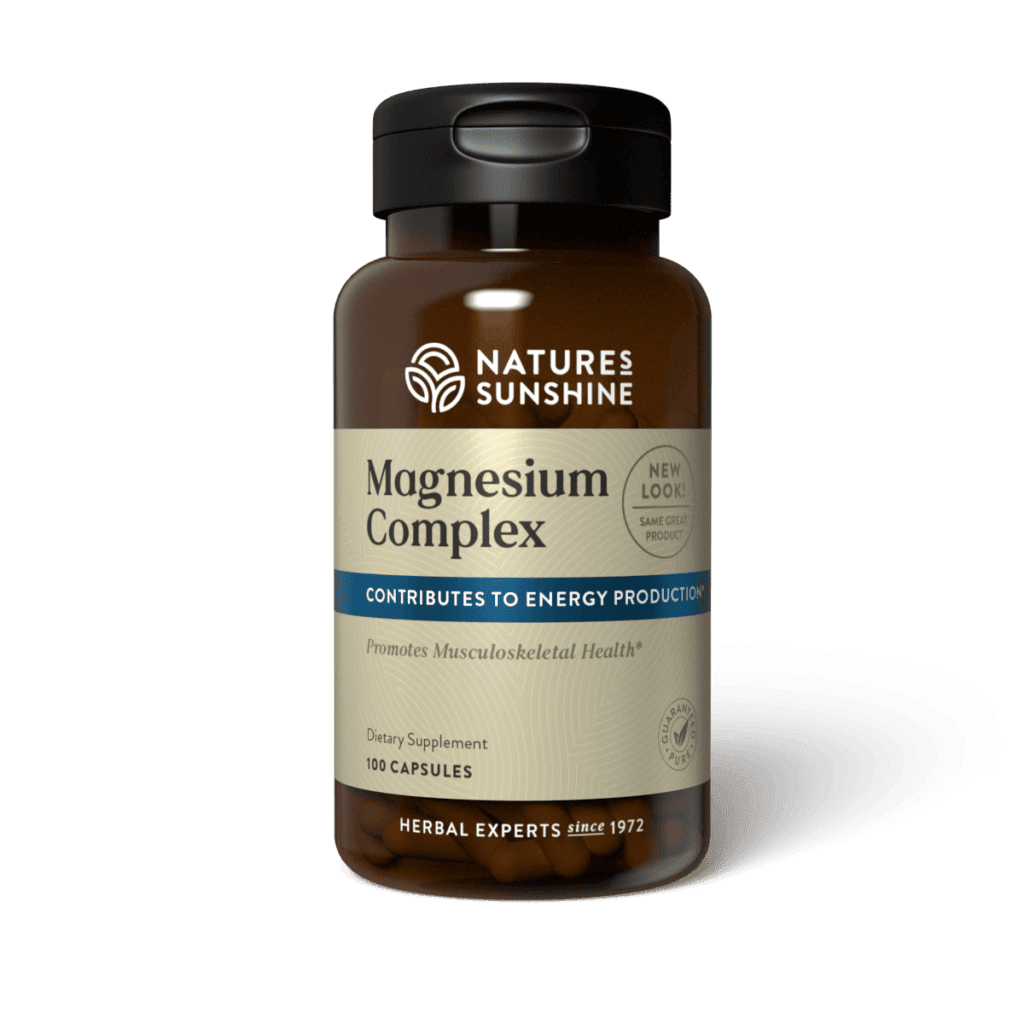
Si has estado buscando reseñas de lumine organics Magnesium Complex, probablemente te hayas encontrado con Magnesium Complex de Nature's Sunshine: un suplemento de magnesio de doble forma diseñado para apoyar el cerebro, el corazón, los riñones y los huesos. Esta fórmula combina dos formas orgánicas de magnesio —citrato de magnesio y malato de magnesio—, que aportan 184 mg de magnesio elemental en cada porción de dos cápsulas.
¿Por qué importa la forma? Las sales orgánicas de magnesio, como el citrato y el malato, suelen ser más solubles y tener mayor biodisponibilidad que las formas inorgánicas, como el óxido de magnesio. La investigación muestra que el citrato de magnesio tiene una alta solubilidad incluso en agua (55%) y es considerablemente más soluble que el óxido de magnesio en todos los estados de secreción ácida. Esa solubilidad se traduce en una absorción más eficiente en el intestino, que es justo lo que buscas al suplementar un mineral que, según se estima, entre un 56% y un 68% de los estadounidenses no obtiene en cantidades adecuadas solo con la alimentación.
El magnesio es el cuarto catión más abundante en el cuerpo humano y un cofactor en más de 300 sistemas enzimáticos. Es necesario para la producción de energía, la síntesis de proteínas, la función muscular y nerviosa, el control de la glucosa en sangre, la regulación de la presión arterial y la formación de huesos. Cuando la ingesta es insuficiente, los primeros signos pueden incluir fatiga, debilidad, calambres musculares y pérdida de apetito. Con el tiempo, la carencia puede contribuir a problemas más graves que afectan los sistemas cardiovascular, nervioso y óseo.
Nuestro naturópata te ofrece una consulta gratuita si deseas orientación personalizada sobre si esta fórmula se ajusta a tus objetivos de salud.
Magnesio de doble forma: por qué el citrato y el malato juntos
Magnesium Complex combina dos formas orgánicas complementarias. Tanto el citrato de magnesio como el malato de magnesio pertenecen a la categoría de las sales orgánicas de magnesio: magnesio quelado a moléculas de ácido orgánico. Estas formas suelen ser más solubles y tener mayor biodisponibilidad en comparación con las formas inorgánicas, como el óxido de magnesio o el sulfato de magnesio.
Una vez absorbido, el ion Mg²⁺ en sí impulsa toda la actividad biológica del magnesio. Actúa como cofactor en la síntesis de ATP —fundamental para la generación de energía celular en prácticamente todos los tejidos— y es esencial para la activación de la hidrólisis enzimática de ATP en la bomba Na,K-ATPasa, que mantiene el transporte adecuado de iones a través de las membranas celulares.
En el sistema cardiovascular, el magnesio regula los canales iónicos cardíacos, la conducción miocárdica y el tono vascular. En el sistema nervioso, actúa como un antagonista natural de los receptores NMDA, modulando la transmisión sináptica y la excitabilidad neuronal. En el hueso, influye en la actividad de los osteoblastos y los osteoclastos, además de afectar las concentraciones tanto de la hormona paratiroidea como de la forma activa de la vitamina D: dos reguladores clave de la homeostasis ósea.
La naturaleza altamente soluble de esta fórmula es uno de los atributos que con más frecuencia se destacan en las reseñas de lumine organics Magnesium Complex, y la ciencia lo respalda: la biodisponibilidad importa, y las formas orgánicas como el citrato la ofrecen.
Ingredientes clave
- ✓ Envío gratis en pedidos superiores a $75
- ✓ Devoluciones fáciles en 90 días
- ✓ Envíos en pocas horas
¿Para quién es Magnesium Complex?
Esta fórmula está diseñada para adultos que buscan apoyar el corazón, el cerebro, los riñones y los huesos con un suplemento de magnesio altamente soluble. Según la evidencia, varios grupos pueden encontrar que Magnesium Complex es especialmente relevante:
- Adultos preocupados por la salud cardiovascular. La investigación sugiere que niveles más altos de magnesio en la dieta y en circulación se asocian de forma inversa con el riesgo de enfermedad coronaria, accidente cerebrovascular y enfermedad cardiovascular total. La declaración de propiedades saludables calificada de la FDA de 2022 reconoce que una ingesta adecuada de magnesio puede reducir el riesgo de hipertensión.
- Adultos mayores. A medida que envejecemos, la absorción y la retención de magnesio disminuyen. Las personas mayores son más susceptibles a la carencia debido a una menor absorción a partir de los alimentos, un mayor uso de medicamentos (algunos diuréticos pueden agotar el magnesio) y posibles restricciones dietéticas. Los hombres mayores de 70 años y las adolescentes se encuentran entre los grupos con mayor probabilidad de tener una ingesta baja.
- Quienes se enfocan en la densidad ósea. El magnesio es esencial para la formación ósea, la activación de la vitamina D y el metabolismo del calcio. Un nivel bajo de magnesio se asocia con un mayor riesgo de osteoporosis, por lo que una ingesta adecuada es importante para la salud ósea, en particular en mujeres posmenopáusicas.
- Cualquier persona que desee apoyo para el sistema nervioso. El magnesio modula la excitabilidad neuronal y la transmisión neuromuscular. La investigación vincula un estado adecuado de magnesio con una menor frecuencia de migrañas, un mejor equilibrio de neurotransmisores y una función nerviosa normal.
- Personas que toman medicamentos que agotan el magnesio. El uso prolongado de inhibidores de la bomba de protones, diuréticos de asa o diuréticos tiazídicos puede contribuir a la pérdida de magnesio.
Si tienes dudas sobre si la suplementación con magnesio es adecuada para ti, nuestro naturópata te ofrece una consulta gratuita para ayudarte a resolver los detalles.
Cómo tomar Magnesium Complex
Toma 2 cápsulas dos veces al día con una comida. Cada frasco contiene 100 cápsulas.
Tomar magnesio con alimentos es un enfoque práctico que puede favorecer la absorción y reducir la probabilidad de los leves efectos secundarios de tipo estomacal que a veces pueden acompañar a los suplementos de magnesio. Los efectos secundarios más comunes —heces blandas, náuseas o calambres— tienden a presentarse con dosis más altas y son más frecuentes con las formas inorgánicas. Las formas orgánicas de citrato y malato presentes en este producto se eligieron específicamente por su mayor solubilidad y su perfil digestivo más suave.
Nota de seguridad importante: el magnesio puede interactuar con ciertos medicamentos. Puede disminuir la absorción de los bisfosfonatos (sepáralos por al menos 2 horas), formar complejos insolubles con los antibióticos de tetraciclina y quinolona (toma el antibiótico al menos 2 horas antes o 4–6 horas después del magnesio) y puede reducir la absorción de gabapentina en alrededor de un 20%. Si tomas algún medicamento, consulta a tu profesional de la salud antes de comenzar a suplementarte con magnesio.
Escrito por Greg Howlett
Preguntas frecuentes
¿Qué formas de magnesio contiene Magnesium Complex?
Magnesium Complex contiene dos formas orgánicas —citrato de magnesio y malato de magnesio— que suelen ser más solubles y tener mayor biodisponibilidad que las formas inorgánicas, como el óxido de magnesio. Dos cápsulas aportan 184 mg de magnesio elemental.
¿Cómo apoya el magnesio la salud del corazón?
La investigación sugiere que el magnesio desempeña un papel bien documentado en la función cardiovascular. Regula los canales iónicos cardíacos, el tono vascular y la función endotelial. Grandes metaanálisis y estudios de cohorte prospectivos asocian de manera constante niveles más altos de magnesio con un menor riesgo de enfermedad coronaria, fibrilación auricular e insuficiencia cardíaca. La FDA aprobó en 2022 una declaración de propiedades saludables calificada que indica que una ingesta adecuada de magnesio puede reducir el riesgo de hipertensión, aunque la agencia calificó la evidencia como inconsistente y no concluyente.
¿Puede el magnesio ayudar con la densidad ósea?
El magnesio es un cofactor esencial en el metabolismo mineral óseo y es necesario para la activación de la vitamina D y el metabolismo del calcio. Datos observacionales de grandes estudios de cohorte mostraron que una mayor ingesta de magnesio se asocia con una densidad ósea entre un 2% y un 3% mayor en mujeres. Un estudio de corto plazo mostró que 290 mg/día de magnesio elemental en forma de citrato redujo el recambio óseo en mujeres posmenopáusicas con osteoporosis en comparación con el placebo. Sin embargo, se necesita más investigación clínica a largo plazo para definir por completo su papel en la prevención de la osteoporosis.
¿Hay efectos secundarios o interacciones con medicamentos que debería conocer?
Los efectos secundarios más comunes de los suplementos de magnesio son de tipo estomacal, como heces blandas, náuseas y calambres, y tienden a presentarse con dosis más altas. El magnesio puede interactuar con varios medicamentos: puede disminuir la absorción de los bisfosfonatos y de los antibióticos (tetraciclinas y quinolonas), y puede reducir la absorción de gabapentina en alrededor de un 20%. Los diuréticos de asa y tiazídicos pueden aumentar la pérdida de magnesio, mientras que el uso prolongado de inhibidores de la bomba de protones puede provocar niveles bajos de magnesio. Consulta siempre a un profesional de la salud si tomas algún medicamento.
¿Cuánto magnesio necesita la mayoría de los adultos al día?
La ingesta diaria recomendada (IDR) de magnesio es de 400–420 mg/día para hombres adultos y de 310–320 mg/día para mujeres adultas. Durante el embarazo, los requerimientos aumentan a alrededor de 350–360 mg al día. Se estima que entre un 56% y un 68% de los estadounidenses no obtiene suficiente magnesio de su alimentación para alcanzar la IDR, por lo que la suplementación es algo que vale la pena comentar con un profesional de la salud.
¿Por qué Magnesium Complex usa citrato y malato en lugar de óxido?
Las formas orgánicas de magnesio, como el citrato y el malato, suelen ser más solubles y absorberse mejor que las formas inorgánicas. La investigación muestra que el citrato de magnesio tiene una solubilidad del 55% en agua, mientras que el óxido de magnesio es prácticamente insoluble en agua y solo un 43% soluble incluso en condiciones simuladas de secreción ácida máxima. La mayor solubilidad de estas formas orgánicas favorece una absorción más eficiente en el tracto digestivo.
Talk to Dr. Shannyn Fowl
Not sure if this is right for you? Book a free, no-pressure consultation for personalized guidance on your health goals.
Book your free consult →About Caring Sunshine
A family-run reseller of premium supplements — free shipping, a 90-day guarantee, and real people who know the products.
Learn more about us →