
¿La clorofila líquida te hace ir al baño? Qué saber
Descubre qué dice la investigación sobre los efectos digestivos de la clorofila líquida, las heces verdes y cómo tomarla de forma segura.
¿La clorofila líquida te hace ir al baño?
Si has comenzado a agregar Liquid Chlorophyll a tu agua y has notado algunos cambios en el baño, no eres la única persona: es una de las preguntas más buscadas sobre este popular suplemento verde. La respuesta honesta es matizada: Liquid Chlorophyll puede cambiar por completo lo que ves en el inodoro, pero que realmente te haga ir al baño con más frecuencia depende de varios factores.
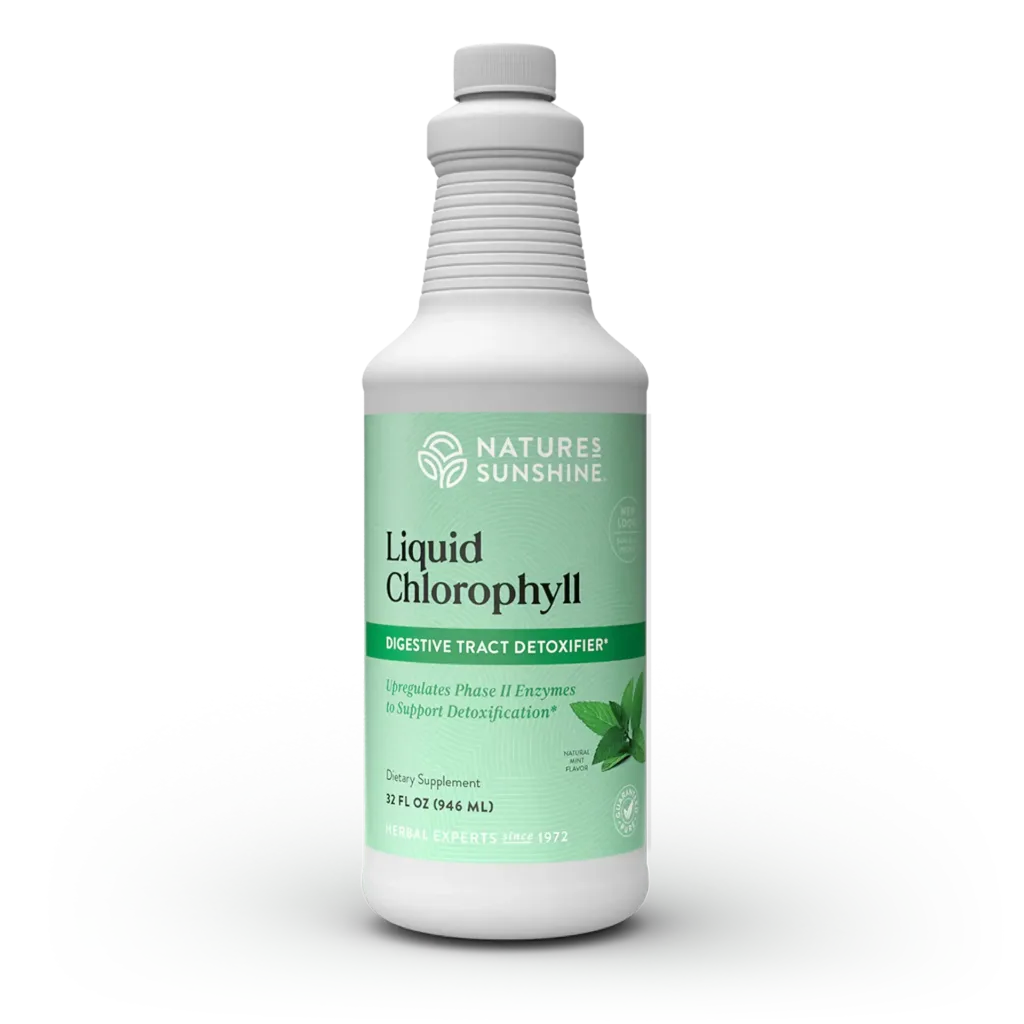
La mayoría de los productos comerciales de clorofila líquida —incluido Liquid Chlorophyll de Nature's Sunshine— contienen clorofilina de cobre y sodio, un derivado semisintético hidrosoluble de la clorofila que se encuentra naturalmente en las plantas verdes. Al tomarse por vía oral, la clorofilina de cobre y sodio puede causar una coloración verde de las heces, y también se ha descrito ocasionalmente diarrea relacionada con su uso oral. Así que, aunque no sea un "laxante" tradicional, algunas personas sí experimentan evacuaciones más líquidas o frecuentes después de comenzar a tomarla.
Si tienes dudas sobre si Liquid Chlorophyll es adecuado para tu cuerpo —o si los cambios digestivos que notas son normales—, nuestro naturópata te ofrece una consulta gratuita para hablar de tu situación particular.
Por qué la clorofila líquida puede afectar tu digestión
Para entender por qué la clorofila líquida puede influir en los hábitos intestinales, ayuda saber qué le sucede a la clorofila una vez que la ingieres. La investigación muestra que solo se absorbe realmente en el cuerpo entre un 1% y un 3% de la clorofila. El resto pasa por el tracto gastrointestinal y se excreta en las heces, principalmente como metabolitos de feofitina y pirofeofitina. Esto significa que la gran mayoría de la clorofila que consumes termina en tus heces: esto explica el intenso color verde que muchas personas notan.
Debido a que gran parte del compuesto permanece en el intestino, la clorofila y sus derivados interactúan ampliamente con el entorno gastrointestinal. La investigación preclínica ha mostrado que la clorofilina puede afectar directamente la composición de la microbiota intestinal, y un estudio en humanos con suplementación de tilacoides (membranas vegetales que contienen clorofila) observó un aumento de las bacterias del grupo Bacteroides fragilis en comparación con el placebo, sin causar esteatorrea ni otros efectos gastrointestinales adversos.
La diarrea ocasional que algunas personas experimentan con la clorofilina de cobre y sodio administrada por vía oral se ha documentado en la bibliografía de seguridad, aunque no se conoce que las clorofilas naturales sean tóxicas, y no se han atribuido efectos tóxicos a la clorofilina a pesar de más de 50 años de uso clínico en humanos.
¿Es normal tener heces verdes por la clorofila?
Sí: las heces verdes después de tomar clorofila líquida son un efecto secundario bien documentado y esperado, no una señal de que algo esté mal. Cuando se toma por vía oral, la clorofila o la clorofilina de cobre y sodio en suplementos puede causar coloración verde de la orina o las heces, o coloración amarilla o negra de la lengua. Estos cambios de color son simplemente el resultado del paso del pigmento por tu organismo.
Un dato práctico que vale la pena conocer: la clorofilina oral puede producir falsos positivos en las pruebas de guayaco para detectar sangre oculta. Si tienes programada alguna prueba de detección en heces, avísale a tu profesional de la salud que estás tomando un suplemento de clorofila para que los resultados se interpreten correctamente.
Para qué se usa tradicionalmente la clorofila líquida
Si bien los efectos digestivos reciben mucha atención, la clorofila líquida tiene un perfil tradicional más amplio. Liquid Chlorophyll de Nature's Sunshine está formulado para apoyar los procesos naturales de depuración de la sangre, favorecer una respuesta inmunitaria adecuada, fortalecer el cuerpo a nivel celular y molecular, y actuar como desodorizante natural.
La clorofila se ha usado tradicionalmente como depurador y desintoxicante interno durante décadas, con base en su capacidad documentada de unirse a ciertas sustancias químicas en el tracto gastrointestinal y apoyar los sistemas enzimáticos de desintoxicación hepática. La investigación sugiere que la clorofilina puede formar complejos moleculares estrechos con ciertas sustancias químicas conocidas o sospechosas de causar cáncer —incluidos los hidrocarburos poliaromáticos presentes en el humo de tabaco y la aflatoxina B1—, lo que podría interferir con su absorción gastrointestinal y reducir la cantidad que llega a los tejidos susceptibles.
La clorofila también se ha comercializado como desodorante interno desde la década de 1950. Un estudio publicado en 1980 observó que la administración de clorofilina era "útil para controlar los olores corporales y fecales" en 62 pacientes geriátricos de una residencia de adultos mayores. Otro estudio pequeño en pacientes japoneses con trimetilaminuria observó que la clorofilina de cobre y sodio administrada por vía oral disminuyó de forma significativa la trimetilamina urinaria. Sin embargo, la evidencia sobre los efectos desodorizantes en personas sanas es en gran parte anecdótica o proviene de estudios pequeños y antiguos.
Tradicionalmente, la similitud estructural de la clorofila con la hemoglobina —ambas son estructuras de anillo tetrapirrólico— ha llevado a la creencia de que los preparados ricos en clorofila pueden apoyar la producción de glóbulos rojos. Históricamente, los productos de clorofila se usaron en preparados medicinales para apoyar casos de anemia, aunque la evidencia en humanos mediante estudios controlados sobre la suplementación aislada de clorofila en esta área sigue siendo limitada.
Ingredientes clave
- ✓ Envío gratis en pedidos superiores a $75
- ✓ Devoluciones fáciles en 90 días
- ✓ Envíos en pocas horas
Cómo tomar Liquid Chlorophyll
Nature's Sunshine recomienda: Toma 2 cucharadas (30 mL) al día en un vaso de 8 oz líq. de agua fría. Refrigera después de abrir.
Comenzar con una cantidad menor e ir aumentando gradualmente hasta la porción completa puede ayudar a que tu sistema digestivo se adapte, especialmente si te preocupan los cambios en tus hábitos intestinales. Si experimentas molestias digestivas persistentes, nuestro naturópata puede comentar tu experiencia contigo durante una consulta gratuita.
Notas de seguridad importantes: dado que la seguridad de los suplementos de clorofila no se ha evaluado en mujeres embarazadas o en periodo de lactancia, deben evitarse durante el embarazo y la lactancia. Las personas con trastornos raros del metabolismo del cobre, como la enfermedad de Wilson, deben limitar su exposición a aditivos de cobre, incluida la clorofilina de cobre y sodio en suplementos. Se ha descrito un caso de eliminación retardada de metotrexato tras el uso de un suplemento que contiene clorofila, por lo que cualquier persona en quimioterapia o que tome otros medicamentos debe consultar primero a su profesional de la salud.
Escrito por Greg Howlett
Preguntas frecuentes
¿La clorofila líquida te hace ir al baño con más frecuencia?
Algunas personas sí experimentan cambios en la frecuencia de sus evacuaciones después de comenzar a tomar clorofila líquida. La diarrea ocasional se ha documentado como un efecto secundario de la clorofilina de cobre y sodio administrada por vía oral. Sin embargo, la clorofila no se clasifica como laxante, y la mayor parte del compuesto simplemente pasa por el tracto digestivo sin absorberse: entre un 97% y un 99% se excreta en las heces. La respuesta digestiva varía de una persona a otra.
¿Por qué la clorofila hace que mis heces se vuelvan verdes?
Las heces verdes son un efecto normal y bien documentado de tomar clorofila líquida. La clorofilina de cobre y sodio es un pigmento verde, y como solo se absorbe en el cuerpo entre un 1% y un 3%, el resto pasa por el tracto gastrointestinal y se excreta en las heces como metabolitos de feofitina y pirofeofitina. También puedes notar una coloración verde en la orina o una coloración amarilla o negra en la lengua: todo esto es esperado.
¿Es seguro tomar clorofila líquida todos los días?
No se conoce que las clorofilas naturales sean tóxicas, y no se han atribuido efectos tóxicos a la clorofilina a pesar de más de 50 años de uso clínico en humanos. Sin embargo, no se ha establecido su seguridad en mujeres embarazadas o en periodo de lactancia, y las personas con trastornos del metabolismo del cobre, como la enfermedad de Wilson, deben evitarla debido a su contenido de cobre. Si estás tomando algún medicamento, es recomendable consultarlo con un profesional de la salud, ya que se ha descrito una posible interacción con el metotrexato en al menos un caso.
¿La clorofila líquida ayuda con el olor corporal?
La clorofila se ha comercializado como desodorante interno desde la década de 1950. Un estudio de 1980 observó que la clorofilina era útil para controlar los olores corporales y fecales en 62 pacientes geriátricos de una residencia de adultos mayores, y un estudio pequeño mostró que la SCC administrada por vía oral disminuyó de forma significativa la trimetilamina urinaria en pacientes con trimetilaminuria. Sin embargo, la evidencia sobre los efectos desodorizantes en personas sanas es en gran parte anecdótica o proviene de estudios pequeños y antiguos.
¿La clorofila líquida puede interferir con pruebas de laboratorio?
Sí: la clorofilina oral puede producir falsos positivos en las pruebas de guayaco para detectar sangre oculta (una prueba habitual de detección en heces). Si tienes programada alguna prueba de este tipo, avísale a tu profesional de la salud que estás tomando un suplemento de clorofila para que pueda tener esto en cuenta.
¿Cuál es la diferencia entre la clorofila y la clorofilina?
La clorofila natural es liposoluble y no se disuelve bien en agua. La mayoría de los suplementos de clorofila líquida —incluido este— en realidad contienen clorofilina de cobre y sodio, un derivado semisintético en el que el átomo central de magnesio se reemplaza por cobre y se elimina la cola liposoluble de fitol. Esto la hace hidrosoluble y adecuada para fórmulas líquidas. La clorofilina se desarrolló específicamente para uso en suplementos y con fines terapéuticos, y se ha usado de forma segura durante más de 50 años.
Talk to Dr. Shannyn Fowl
Not sure if this is right for you? Book a free, no-pressure consultation for personalized guidance on your health goals.
Book your free consult →About Caring Sunshine
A family-run reseller of premium supplements — free shipping, a 90-day guarantee, and real people who know the products.
Learn more about us →