
Magnesium Complex de Cymbiotika: magnesio para el corazón
Descubre cómo Magnesium Complex de Cymbiotika, con citrato y malato, apoya la salud cardiovascular, el sistema nervioso y la densidad ósea.
Magnesium Complex de Cymbiotika: qué es y por qué es importante
El magnesio es el cuarto catión más abundante en el cuerpo humano y un cofactor fundamental en más de 300 sistemas enzimáticos que regulan el metabolismo energético, la función neuromuscular, la salud cardiovascular, la integridad ósea y más. A pesar de su importancia, se estima que entre un 56 y un 68% de los estadounidenses no obtienen suficiente magnesio en su dieta diaria para cumplir con la ingesta diaria recomendada.
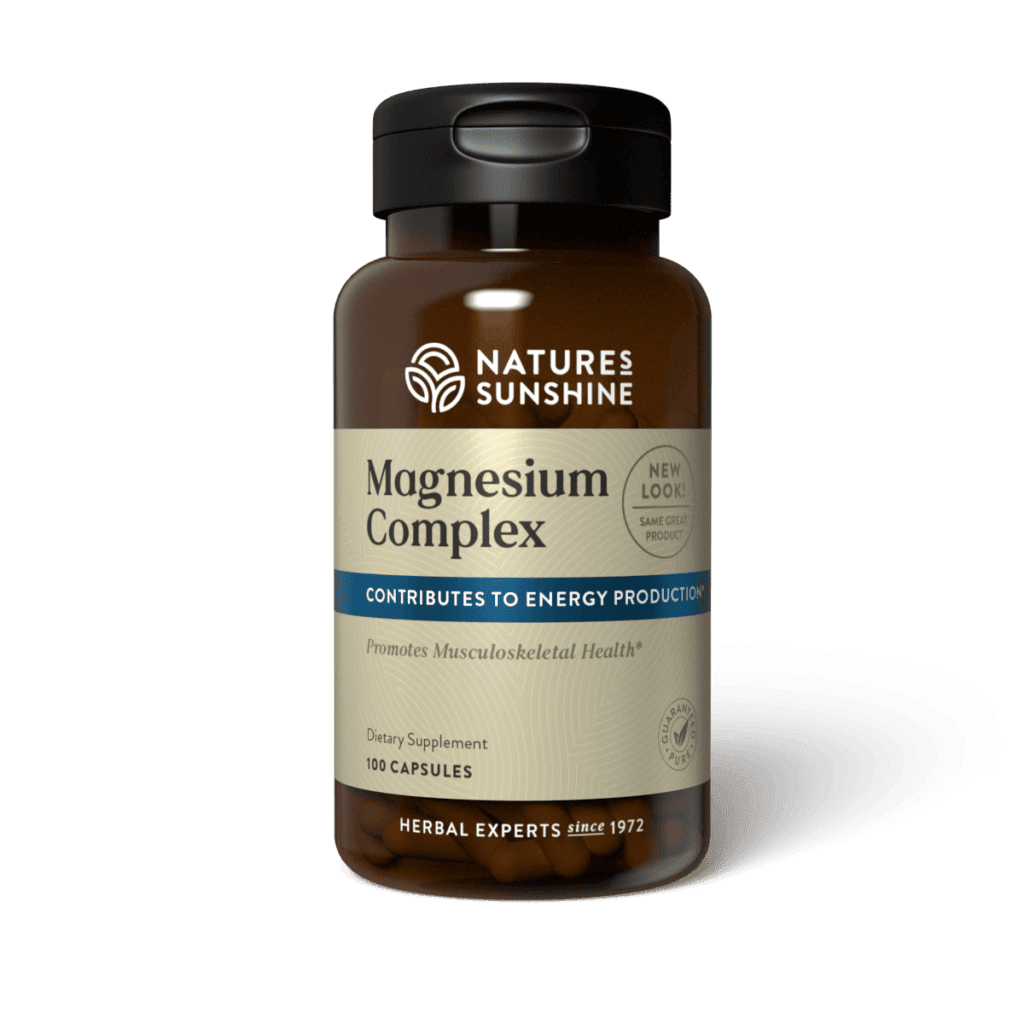
El Magnesium Complex de Cymbiotika de Nature's Sunshine aborda esta carencia generalizada al combinar dos formas orgánicas y altamente solubles de magnesio —citrato y malato— en una sola cápsula. Las formas orgánicas de magnesio como estas suelen ser más solubles y tener una mayor biodisponibilidad que las formas inorgánicas, como el óxido de magnesio. El citrato de magnesio, en particular, presentó una alta solubilidad incluso en agua (55%) y fue sustancialmente más soluble que el óxido de magnesio en todos los estados de secreción ácida.
Dos cápsulas de este Magnesium Complex proporcionan 184 mg de magnesio, formulado específicamente para apoyar el cerebro, el corazón y los riñones. Si tienes dudas sobre si un suplemento de magnesio es adecuado para tu caso particular de salud, nuestro naturópata te ofrece una consulta gratuita.
Magnesio de doble forma para la salud cardiovascular, el sistema nervioso y los huesos
Apoyo cardiovascular
La investigación sugiere que el magnesio desempeña un papel bien documentado en la salud cardiovascular. Niveles más altos de magnesio en la dieta y en circulación se asocian de forma inversa con el riesgo de enfermedad coronaria, accidente cerebrovascular y enfermedad cardiovascular total, según múltiples metaanálisis de gran tamaño y estudios de cohorte prospectivos. El magnesio regula los canales iónicos cardíacos, la conducción miocárdica, el tono vascular y la función endotelial.
Los estudios también sugieren que la suplementación con magnesio puede reducir la presión arterial de forma modesta pero significativa, en particular en personas con deficiencia de magnesio o hipertensión. Una revisión sistemática de 2021 que incluyó 49 ensayos clínicos confirmó efectos antihipertensivos mediante mecanismos como la vasodilatación y el antagonismo de los canales de calcio. En 2022, la FDA de EE. UU. aprobó una declaración de propiedades saludables calificada que señala que una ingesta adecuada de magnesio puede reducir el riesgo de presión arterial alta, aunque la agencia calificó la totalidad de la evidencia como inconsistente y no concluyente.
Además, un ensayo controlado aleatorizado de 24 semanas observó que 350 mg/día de citrato de magnesio redujo de forma significativa la rigidez arterial, medida mediante la velocidad de onda de pulso, lo que sugiere que el magnesio también podría apoyar la flexibilidad arterial y la salud endotelial.
Apoyo al sistema nervioso
El magnesio es fundamental para la función del sistema nervioso, ya que actúa como antagonista fisiológico de los receptores NMDA y regulador de la excitabilidad neuronal, la transmisión neuromuscular y la señalización nerviosa. La hipomagnesemia se asocia clínicamente con hiperexcitabilidad neuromuscular, temblores y convulsiones, y la deficiencia de magnesio se ha relacionado con problemas neurológicos que van desde la migraña hasta desequilibrios del estado de ánimo.
La investigación también sugiere que el magnesio desempeña un papel fundamental en la excitabilidad nerviosa al bloquear los receptores NMDA y regular los canales de calcio y potasio, con evidencia clínica que respalda su uso para modular la excitabilidad nerviosa. Como cofactor en la síntesis de dopamina (tirosina hidroxilasa) y bloqueador de los canales del receptor de glutamato NMDA, el magnesio apoya el equilibrio entre neurotransmisores inhibidores y excitadores.
Apoyo a la densidad ósea
El magnesio es el segundo mineral más abundante en los huesos y es esencial para la activación de la vitamina D y el metabolismo del calcio. Influye en la actividad de los osteoblastos y los osteoclastos, y afecta las concentraciones tanto de la hormona paratiroidea como de la forma activa de la vitamina D —reguladores principales de la homeostasis ósea—.
Datos observacionales de grandes estudios de cohorte mostraron que una mayor ingesta de magnesio se asocia con una densidad ósea entre un 2 y un 3% mayor en mujeres. Un estudio a corto plazo observó que 290 mg/día de magnesio elemental (como citrato de magnesio) durante 30 días en mujeres posmenopáusicas con osteoporosis redujo el recambio óseo en comparación con placebo, lo que sugiere una disminución de la pérdida ósea. Una revisión sistemática y metaanálisis también observó que una mayor ingesta de magnesio se asocia con un aumento de la densidad mineral ósea en la cadera y el cuello femoral en adultos mayores.
Ingredientes clave
- ✓ Envío gratis en pedidos superiores a $75
- ✓ Devoluciones fáciles en 90 días
- ✓ Envíos en pocas horas
Quién puede beneficiarse de Magnesium Complex de Cymbiotika
Dado que se estima que entre un 56 y un 68% de los estadounidenses no alcanzan la ingesta diaria recomendada de magnesio, este Magnesium Complex de Cymbiotika puede ser una adición práctica para una amplia gama de adultos. Ciertos grupos enfrentan un riesgo especialmente elevado de deficiencia de magnesio, entre ellos:
- Adultos mayores: la absorción y retención de magnesio disminuyen con la edad, y el mayor uso de medicamentos (como los diuréticos) puede reducir aún más los niveles.
- Personas preocupadas por la salud cardíaca: la investigación sugiere que una ingesta adecuada de magnesio apoya una presión arterial saludable, la flexibilidad arterial y un ritmo cardíaco normal.
- Quienes se enfocan en la densidad ósea: el magnesio es esencial para la activación de la vitamina D, el metabolismo del calcio y la actividad de los osteoblastos, lo que lo hace relevante para cualquier persona que priorice la fortaleza esquelética.
- Personas que buscan apoyo para el sistema nervioso: el magnesio actúa como antagonista natural de los receptores NMDA y modula la excitabilidad neuronal, lo que apoya la función nerviosa y neuromuscular normal.
- Personas que toman ciertos medicamentos: los diuréticos de asa y tiazídicos, los inhibidores de la bomba de protones (IBP) y ciertos antibióticos pueden reducir los niveles de magnesio o interactuar con él. Cualquier persona que tome estos medicamentos debe consultar a un profesional de la salud antes de suplementarse.
Si tienes dudas sobre si la suplementación con magnesio se ajusta a tus necesidades, nuestro naturópata te ofrece una consulta gratuita para ayudarte a tomar una decisión informada.
Cómo tomar Magnesium Complex de Cymbiotika
Toma 2 cápsulas dos veces al día con una comida. Cada porción de 2 cápsulas proporciona 184 mg de magnesio, provenientes tanto del citrato como del malato.
El frasco de 100 cápsulas ofrece un suministro conveniente de 25 días a la porción diaria completa. Tomar las cápsulas con alimentos favorece la absorción y puede reducir la probabilidad de efectos secundarios estomacales, que son los problemas más comunes descritos con los suplementos de magnesio. Los efectos secundarios tienden a ocurrir con mayor frecuencia en dosis más altas y con formas inorgánicas de magnesio: tanto el citrato como el malato son formas orgánicas conocidas por su mejor tolerabilidad.
Nota importante sobre el horario: si tomas bisfosfonatos, sepáralos de este suplemento por al menos 2 horas. Si tomas antibióticos de tetraciclina o quinolonas, toma el antibiótico al menos 2 horas antes o de 4 a 6 horas después del magnesio. El magnesio también puede reducir la absorción de gabapentina en aproximadamente un 20%. Consulta siempre a un profesional de la salud si tomas medicamentos con receta.
Escrito por Greg Howlett
Preguntas frecuentes
¿Qué formas de magnesio contiene Magnesium Complex de Cymbiotika?
Este Magnesium Complex contiene dos formas orgánicas: citrato de magnesio y malato de magnesio. Ambas se clasifican como sales orgánicas de magnesio, lo que significa que el magnesio está quelado con ácidos orgánicos. Estas formas suelen ser más solubles y tener mayor biodisponibilidad que las formas inorgánicas, como el óxido de magnesio. El citrato de magnesio, en particular, presentó una solubilidad del 55% en agua y fue sustancialmente más soluble que el óxido de magnesio en todos los estados de secreción ácida.
¿Cuánto magnesio proporciona cada porción?
Dos cápsulas (una porción) de Magnesium Complex proporcionan 184 mg de magnesio, provenientes tanto del citrato como del malato. La ingesta diaria recomendada (IDR) para hombres adultos es de 400 a 420 mg/día, y para mujeres adultas es de 310 a 320 mg/día, por lo que este suplemento está diseñado para complementar el magnesio que obtienes de fuentes alimenticias como las verduras de hoja verde, los frutos secos, las semillas, los cereales integrales y las legumbres.
¿Pueden los suplementos de magnesio interactuar con medicamentos?
Sí, el magnesio puede interactuar con varios tipos de medicamentos. Puede disminuir la absorción de los bisfosfonatos orales (usados para la osteoporosis) y debe separarse de ellos por al menos 2 horas. Puede formar complejos insolubles con los antibióticos de tetraciclina y quinolonas: toma el antibiótico al menos 2 horas antes o de 4 a 6 horas después del magnesio. Los diuréticos de asa y tiazídicos pueden reducir los niveles de magnesio al aumentar la excreción urinaria, mientras que los inhibidores de la bomba de protones (IBP) tomados durante períodos prolongados pueden causar hipomagnesemia. El magnesio también puede reducir la absorción de gabapentina en aproximadamente un 20%. Consulta a un profesional de la salud antes de combinar el magnesio con cualquier medicamento con receta.
¿Hay efectos secundarios por tomar suplementos de magnesio?
Los efectos secundarios más comunes de los suplementos de magnesio son problemas estomacales, como heces blandas, náuseas, cólicos y diarrea. Estos efectos suelen presentarse en dosis más altas y son más frecuentes con formas inorgánicas como el óxido de magnesio. Las formas orgánicas de citrato y malato presentes en este Magnesium Complex suelen tolerarse mejor. La hipermagnesemia (exceso de magnesio) por ingesta de suplementos es poco frecuente en personas con función renal normal, ya que los riñones excretan eficientemente el exceso de magnesio. Sin embargo, las personas con función renal deficiente enfrentan un riesgo elevado y deben consultar a un profesional de la salud.
¿Quién tiene mayor riesgo de deficiencia de magnesio?
Se estima que entre un 56 y un 68% de los estadounidenses no cumplen con la ingesta diaria recomendada de magnesio. Los grupos con un riesgo especialmente elevado incluyen a los adultos mayores (debido a la menor absorción y al mayor uso de medicamentos), las personas con trastornos gastrointestinales, quienes tienen diabetes tipo 2, las personas con dependencia del alcohol y cualquiera que tome diuréticos o inhibidores de la bomba de protones a largo plazo. Los signos tempranos de deficiencia incluyen fatiga, debilidad, calambres musculares y pérdida de apetito; una deficiencia más grave puede provocar entumecimiento, hormigueo, ritmos cardíacos anormales y cambios de personalidad.
¿Qué dice la investigación sobre el magnesio y la salud cardíaca?
La investigación sugiere que el magnesio desempeña un papel bien documentado en la salud cardiovascular. Grandes metaanálisis y estudios de cohorte prospectivos asocian de forma consistente niveles más altos de magnesio con un menor riesgo de enfermedad coronaria, accidente cerebrovascular, fibrilación auricular e insuficiencia cardíaca. La suplementación ha mostrado reducciones modestas pero significativas de la presión arterial en varios ECA, en particular en personas con deficiencia de magnesio o hipertensión. Un ECA de 24 semanas también observó que la suplementación con citrato de magnesio redujo de forma significativa la rigidez arterial. En 2022, la FDA aprobó una declaración de propiedades saludables calificada que indica que una ingesta adecuada de magnesio puede reducir el riesgo de presión arterial alta, aunque la agencia señaló que, en general, la evidencia es inconsistente y no concluyente.
Talk to Dr. Shannyn Fowl
Not sure if this is right for you? Book a free, no-pressure consultation for personalized guidance on your health goals.
Book your free consult →About Caring Sunshine
A family-run reseller of premium supplements — free shipping, a 90-day guarantee, and real people who know the products.
Learn more about us →