
Colágeno bovino: beneficios para piel y articulaciones
Descubre cómo los péptidos de colágeno bovino apoyan la piel, el cabello, las uñas y las articulaciones, según la investigación.
¿Qué es el colágeno bovino y por qué es importante?
El colágeno es la proteína más abundante del cuerpo humano, y representa aproximadamente un tercio del total de proteínas. Esta proteína estructural fibrosa forma la matriz extracelular que sostiene la piel, el cabello, las uñas, los huesos, el cartílago, los tendones y los ligamentos. La palabra en sí deriva del griego kolla, que significa "pegamento": esto refleja la cualidad gelatinosa que los cocineros han observado en el caldo de huesos durante siglos.
El colágeno bovino —obtenido de la piel y los huesos del ganado— es una de las principales fuentes comerciales utilizadas en los suplementos, valorada por su amplia disponibilidad y su biocompatibilidad con los tejidos humanos. Es rico en los aminoácidos glicina (alrededor de un 33%), prolina e hidroxiprolina (alrededor de un 22%), que juntos conforman la característica estructura de triple hélice del colágeno, que le aporta rigidez y resistencia al estiramiento.
De los 28 subtipos de colágeno identificados, los tipos I, II y III representan entre un 80 y un 90% del colágeno del cuerpo humano. El tipo I por sí solo representa alrededor de un 80% del colágeno presente en la piel. A medida que envejecemos, el contenido de colágeno de la piel disminuye de forma natural, lo que reduce la elasticidad y la hidratación: por eso la suplementación con colágeno bovino ha despertado tanto interés tanto entre los investigadores como entre quienes se preocupan por su bienestar.
Cómo actúan los péptidos de colágeno bovino en el cuerpo
El colágeno nativo es un polímero grande y complejo, con baja solubilidad y biodisponibilidad. Para que el cuerpo pueda utilizarlo, debe descomponerse en segmentos más pequeños mediante un proceso llamado hidrólisis. Por eso, todos los suplementos de colágeno se denominan con más precisión péptidos de colágeno o colágeno hidrolizado: cadenas de aminoácidos pequeñas y de bajo peso molecular (3–6 kDa) que el cuerpo puede absorber de forma eficiente.
Los estudios han mostrado que, cuando se toma colágeno hidrolizado por vía oral, se absorbe en forma de dipéptidos y tripéptidos (dos o tres aminoácidos) generalmente ricos en hidroxiprolina. Se cree que estos péptidos más pequeños entran en la circulación y llegan a tejidos objetivo como la piel y el cartílago, donde podrían ayudar a apoyar a las células productoras de colágeno llamadas fibroblastos.
La investigación sugiere que los fibroblastos reconocen péptidos bioactivos como Pro-Hyp y Gly-Pro-Hyp, que podrían incrementar la síntesis de colágeno nuevo y ácido hialurónico. El requerimiento de vitamina C como cofactor en la hidroxilación de los residuos de lisina y prolina durante la síntesis de colágeno es un mecanismo bioquímico establecido, que vincula el estado de ácido ascórbico con la capacidad del cuerpo para producir colágeno.
Esta fórmula de colágeno bovino de Nature's Sunshine también incluye electrolitos y minerales traza, y no contiene OGM; además es apta para la dieta keto, libre de lácteos, libre de gluten y apta para la dieta paleo, lo que facilita su integración en una amplia variedad de enfoques alimentarios.
Las profundas raíces históricas del colágeno bovino
La tradición alimentaria de consumir alimentos ricos en colágeno es anterior a la ciencia moderna por milenios. Culturas de todo el mundo desarrollaron de forma independiente preparaciones a partir de huesos, pieles y tejidos conectivos. En la medicina tradicional china, los alimentos ricos en colágeno se usaban históricamente para apoyar la elasticidad de la piel, el envejecimiento saludable y la fortaleza articular. En la Europa medieval, las sopas y guisos contundentes hechos con huesos y cartílago de animales eran comunes en los remedios tradicionales, y se creía que fortalecían el cuerpo y favorecían la salud de la piel.
Las tribus nativas americanas consumían pieles de animales hervidas y médula ósea para obtener nutrientes y vitalidad. La cocina francesa se apoyaba en el pot-au-feu y las gelatinas (aspics). El pho vietnamita obtiene su profundidad de huesos de res cocidos a fuego lento durante horas. El caldo de res mexicano aprovecha al máximo los huesos con médula y el cartílago. Hace casi mil años, la erudita benedictina Hildegard von Bingen ya estudiaba extractos de tejido animal y reconocía su uso para las molestias articulares.
Los polvos modernos de péptidos de colágeno bovino son simplemente la aportación contemporánea a esta tradición continua: ofrecen el mismo perfil distintivo de aminoácidos del tejido conectivo, en un formato práctico que se disuelve en una bebida en lugar de requerir horas de cocción a fuego lento.
Ingredientes clave
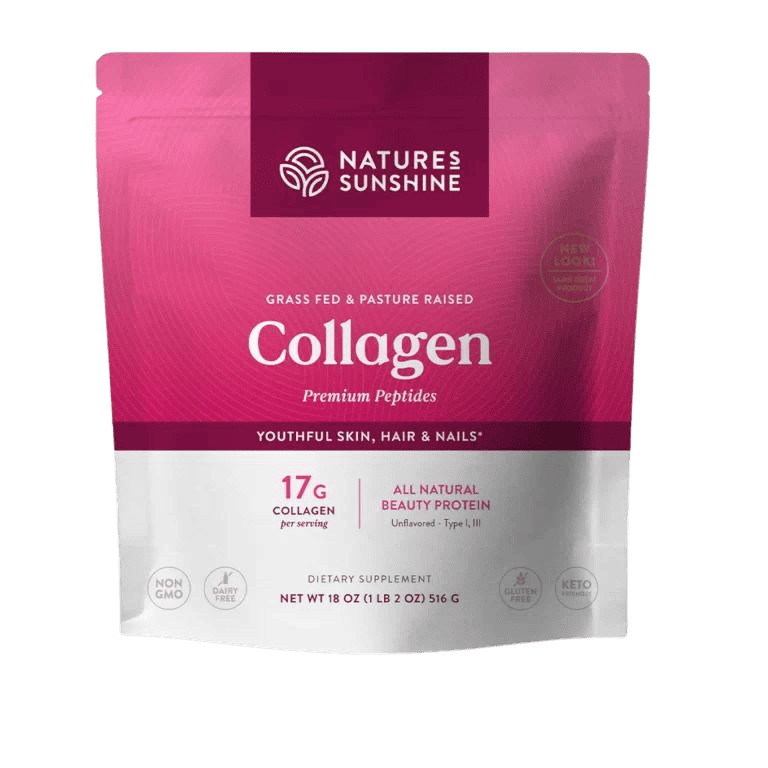
- ✓ Envío gratis en pedidos superiores a $75
- ✓ Devoluciones fáciles en 90 días
- ✓ Envíos en pocas horas
¿Quién se beneficia del colágeno bovino?
Los péptidos de colágeno bovino son adecuados para cualquier persona que busque apoyar las bases estructurales de la belleza y un estilo de vida activo. Si notas cambios en la elasticidad o la hidratación de la piel a medida que envejeces, la investigación sugiere que la suplementación oral con colágeno podría ayudar a favorecer una apariencia más juvenil. Varias revisiones sistemáticas han observado mejoras estadísticamente significativas en la hidratación y la elasticidad de la piel en los grupos de suplementación.
Quienes se enfocan en la salud del cabello y las uñas también podrían beneficiarse. Los péptidos de colágeno aportan aminoácidos —en particular prolina, glicina e hidroxiprolina— que apoyan la síntesis de queratina y la matriz dérmica que rodea los folículos pilosos. Los estudios sugieren que el colágeno podría mejorar la velocidad de crecimiento de las uñas y reducir su fragilidad.
Las personas activas preocupadas por la comodidad articular también deberían tomar nota. Una revisión sistemática observó que la suplementación con colágeno podría aumentar el tiempo libre de dolor durante el esfuerzo y apoyar la síntesis de colágeno en los tejidos conectivos, en particular cuando se toma de forma constante durante tres meses o más. La investigación preliminar también sugiere posibles beneficios para la densidad ósea, en particular en mujeres posmenopáusicas.
Esta fórmula también es adecuada para personas que siguen estilos de alimentación específicos: no contiene OGM, es apta para la dieta keto, libre de lácteos, libre de gluten, apta para la dieta paleo y libre de soya. Si tienes dudas sobre si el colágeno bovino es adecuado para tus objetivos de salud individuales, nuestro naturópata te ofrece una consulta gratuita para ayudarte a decidir.
Cómo tomar el colágeno bovino
Este colágeno bovino no tiene olor ni sabor, y se mezcla fácilmente con cualquier bebida caliente o fría, batido o alimento. Se integra con facilidad en cualquier rutina de bienestar diaria. Mezcla 1 medida en cualquier bebida (café, té, agua, jugo de fruta, etc.) o agrégala a tus recetas favoritas. Úsalo todos los días para obtener los mejores resultados.
La constancia es clave con el colágeno bovino. La investigación de múltiples ensayos clínicos sugiere que los beneficios para la elasticidad y la hidratación de la piel, así como para la comodidad articular, suelen aparecer después de 8 a 12 semanas de uso regular, y algunos beneficios articulares pueden tardar tres meses o más en notarse. Convertirlo en un hábito diario es la forma más sencilla de apoyar las necesidades de colágeno de tu cuerpo a lo largo del tiempo.
Cabe señalar que el colágeno es una proteína incompleta —le falta el aminoácido esencial triptófano— y no debe considerarse tu única fuente de proteína. Complementa una alimentación equilibrada en lugar de reemplazar otras proteínas de calidad.
Escrito por Greg Howlett
Preguntas frecuentes
¿Qué diferencia al colágeno bovino del colágeno marino?
El colágeno bovino se obtiene de la piel y los huesos del ganado, mientras que el colágeno marino proviene de la piel y las escamas de pescado. Según la investigación, las fuentes bovinas se encuentran entre las más utilizadas por su disponibilidad y su alta biocompatibilidad con los tejidos humanos. El colágeno nativo tipo I —el tipo más abundante en la piel humana— puede extraerse de diferentes fuentes, pero el bovino sigue siendo la principal fuente de extracción. Ambas formas se someten a hidrólisis para crear péptidos absorbibles.
¿Es seguro el colágeno bovino para uso a largo plazo?
La investigación respalda un perfil de seguridad favorable. Una revisión sistemática no observó efectos adversos de la suplementación con colágeno, incluso en dosis más altas de hasta 60 g/día o en diferentes formas de suplemento. La FDA clasifica el colágeno hidrolizado como "generalmente reconocido como seguro" (GRAS). Sin embargo, las personas con alergias conocidas a productos de origen bovino deben tener precaución. Como con cualquier suplemento, consulta a un profesional de la salud si tienes dudas específicas sobre tu salud; nuestro naturópata también te ofrece consultas gratuitas.
¿Cuánto tiempo tarda en verse resultados con el colágeno bovino?
Los ensayos clínicos generalmente muestran mejoras en la hidratación y la elasticidad de la piel dentro de las 8 a 12 semanas de uso diario constante. En cuanto a los beneficios articulares, los estudios sugieren que los efectos pueden tardar tres meses o más en notarse, en particular cuando se combinan con un estilo de vida activo. La constancia es clave: tomar colágeno bovino todos los días favorece los mejores resultados.
¿Puedo tomar colágeno bovino en una dieta keto o paleo?
Sin duda. Este colágeno bovino de Nature's Sunshine está certificado como apto para la dieta keto, apto para la dieta paleo, sin OGM, libre de lácteos, libre de gluten y libre de soya. Es una fuente de proteína limpia y versátil que se adapta a muchos de los enfoques alimentarios más populares.
¿Qué función tiene el cloruro de potasio en este colágeno?
Los 255 mg de cloruro de potasio aportan apoyo electrolítico y de minerales traza. El potasio es un mineral esencial que desempeña funciones fundamentales en el equilibrio electrolítico, la señalización nerviosa y la función muscular. Impulsa la bomba Na⁺/K⁺-ATPasa, que mantiene los gradientes iónicos que las células necesitan para funcionar correctamente. Incluirlo en esta fórmula ayuda a completar el perfil nutricional del producto más allá del colágeno.
¿Es el colágeno bovino una proteína completa?
No. Al colágeno le falta notablemente el aminoácido esencial triptófano, por lo que se considera una proteína incompleta. Si bien aporta un perfil de aminoácidos distintivo y valioso —rico en glicina, prolina e hidroxiprolina—, debe complementar, no reemplazar, otras proteínas completas de tu alimentación.
Talk to Dr. Shannyn Fowl
Not sure if this is right for you? Book a free, no-pressure consultation for personalized guidance on your health goals.
Book your free consult →About Caring Sunshine
A family-run reseller of premium supplements — free shipping, a 90-day guarantee, and real people who know the products.
Learn more about us →